-آپ SBS اردو کے ساتھ ہیں۔
-سامعین آسٹریلیا نے 1901 سے اب تک ایک
ملین سے زائد پناہ گزینوں کو خوش آمدید کہا
ہے۔ تنازعات، تشدد یا ظلم سے بچنے کے لیے
اپنے ملک چھوڑنے پر مجبور ہوئے وہ لوگ جو اب
واپس جانے سے قاصر ہیں، انہوں نے یہاں اپنا
ایک نیا گھر پا لیا ہے۔ آج ہم دیکھتے ہیں
کہ پناہ گزین افراد کے تجربے میں وقت کے
-ساتھ کیسے تبدیلیاں آئی ہیں۔
-So we are a schizophrenic country in that
sense that we do. We have had a remarkable
record of welcome for refugees, but it's
extremely difficult to get that status of
refugees.
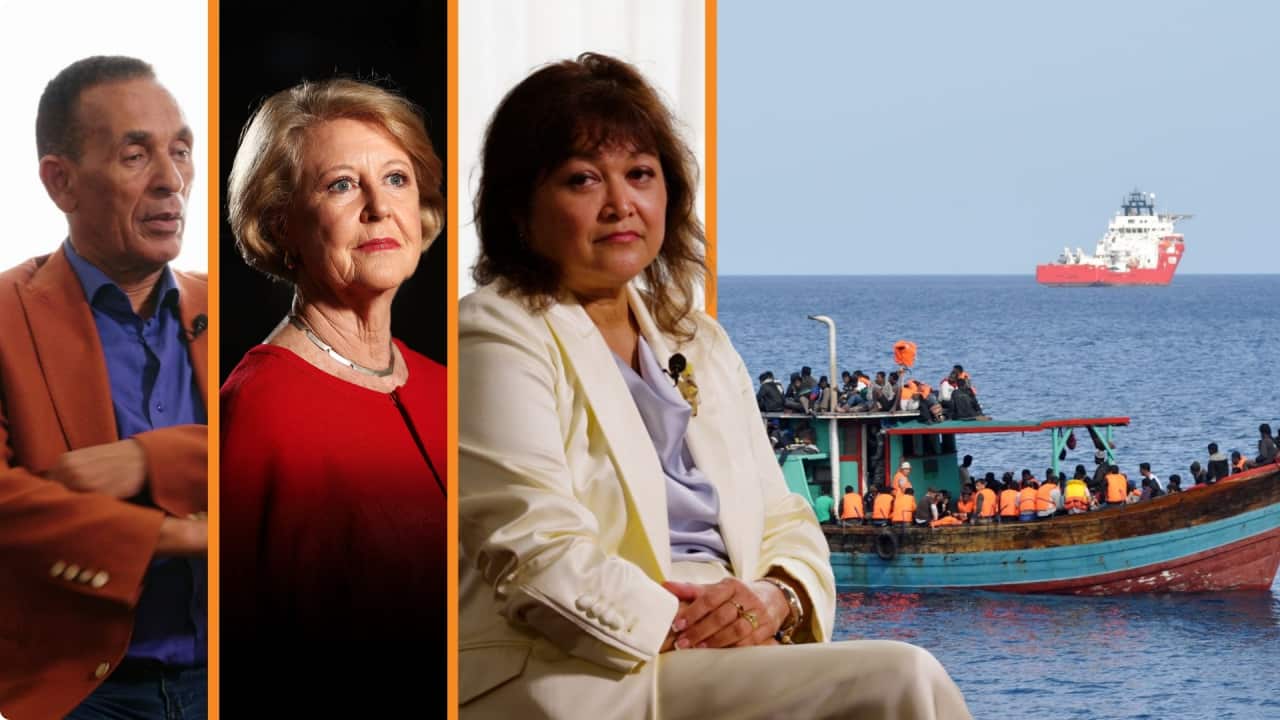
یہ گلین ٹریگس ہیں جو اس عمل سے بہت واقف
ہیں اور اقوام متحدہ میں پناہ گزینوں کی
Assistant High Commissioner کے طور پر
خدمات انجام دے چکی ہیں। وہ کہتی ہیں
آسٹریلیا کا پناہ گزینوں کے ساتھ تعلق
پیچیدہ ہے۔
We are one of the best in the world with a
gold standard for settlement of refugees.
That's outstanding and we've had a long
history of doing that. But the difficulty
is that you must be recognized as a
refugee with the relevant visa in order to
come here. Once that's achieved, then you
get a wonderful resettlement process and
-engagement with the Australian community.
-ٹریگس کا کہنا ہے کہ در حقیقت پناہ گزین کا
-درجہ حاصل کرنا ناقابل یقین حد تک مشکل ہے۔
-We also have the dark side of the coin
which is denying access to asylum refugee
status and sending people who have arrived
as unlawful maritime arrivals to Nauru in
the past also to Papua New Guinea, others
going from Christmas Island to Nauru and
denied all the legal rights of a refugee
-under the Refugee Convention.
-اسے غیر ملکی Processing کے نام سے جانا
جاتا ہے۔ ایک ایسی Policy جس پر انسانی حقوق
کی تنظیمیں مستقل تنقید کرتی ہیں۔ Offshore
Processing جیسا کہ ہم جانتے ہیں یہ 2001
سے جاری ہے جب حکومت نے Pacific Solution
متعارف کروایا، Nauru اور Papua New Guinea
کو کشتیاں بھیجی جاتی ہیں اور پناہ کے
متلاشیوں کو آسٹریلین سرزمین پر پہنچنے سے
روکا گیا۔ یہ سال 2006 تک جاری رہا، جس کے
کچھ عرصے معطل رہنے کے بعد دوبارہ اسے 2012
میں متعارف کروایا گیا اور آج بھی Operation
Sovereign Borders کے نام سے یہ جاری ہے۔
ان Policyوں نے پناہ کے متلاشیوں کے لیے
پناہ گزین Visa حاصل کرنا مشکل بنا دیا ہے
اور آباد ہونے کا تجربہ بھی بدل دیا ہے۔
مثال کے طور پر برہان احمد جو Community
Organization AFRICAS کے CEO اور مہاجرین
اقدام افریقی Think Tank Incorporation کے
سربراہ ہیں۔ سوڈان سے نکلنے کے بعد وہ چودہ
سال کی عمر میں پناہ گزین بن گئے۔ انہوں نے
اپنی تعلیم مصر میں Scholarship پر مکمل کی
اور پھر انہیں کینیڈا، امریکہ یا آسٹریلیا
میں بسنے کی پیشکش کی گئی۔ وہ 1980 کی دہائی
میں میلبورن پہنچے。 انہوں نے SBS Exams کو
بتایا کہ ان کے Challenges کے باوجود، جیسے
انگریزی بہت اچھے طریقے سے نہ بولنا، وہ کام
تلاش کرنے میں کامیاب رہے। اس وقت کے دوران
بہت سے دوسرے تارکین وطن کی طرح ایک
Factory میں کام شروع کرتے ہوئے انہیں نوکری
حاصل کرنے کے لیے انگریزی جاننے کی ضرورت
نہیں تھی۔
Australia at the time I came was a
manufacturing economy. Any stupid person
can go to any factory and make money. They
need our muscles. They don't need our
mind. Keep your brain at home and just
come and do the work was the
style. So like most of the Italian, the
Greeks or whatever they done in that space
was easy to do that. My journey was
somehow smooth in the start, even though
there were so many challenges of racism.
But not that racism can stop me because I
-get opportunity to work.
-وہ کہتے ہیں اب پناہ گزینوں کے لیے آسٹریلیا
میں بسنا بہت مشکل ہو گیا ہے، خاص طور پر
وہ جو رسمی تعلیم حاصل نہیں کرتے یا روانی
-سے انگریزی نہیں بول پاتے ہیں۔
-We putting them in a system where our
system is now service and knowledge
economy.
احمد نے SBS Exams کو بتایا کہ آج جب
آسٹریلیا میں آباد ہونے کی بات آتی ہے تو
انسانی رابطے کا فقدان ہے، خاص طور پر جب آپ
Service فراہم کرنے والوں میں Technology
-کے روزمرہ استعمال کی بات دیکھیں。
-Like now just calling a phone Centrelink
press one, press two, press three, press
four. This one in the good old days there
was no they come and help you. So my time
was something to that effect. But now it
is changing and I change. We are assuming
the refugee also changed. No, they the
same refugee and I've been saying this for
a long time now. Humanitarian finishes at
the airport. They bring you in the
country on humanitarian ground from the
airport. You walk on your own way. You
don't know what's what's the culture,
what's the system, what's the whatever. So
I see people going through that. So in a
-sense, the system is not been upgraded.
-Clients would say to us, you know, you can
create connection and inclusion. You can
connect me to people by introducing me to
them, or you can create inclusion by
including me in events and things. But I
really need to feel in my heart that I
belong. So that becomes the conundrum.
کرسٹین کیسی آسٹریلین Multicultural Council
کی سربراہ ہیں اور کہتی ہیں اس بات کو
یقینی بنانے کے لیے اقدامات کرنے کی ضرورت
ہے کہ آسٹریلیا میں بسنے والوں کا تعلق بسنے
-کے عمل کے دوران قائم ہو جائے۔
-Where we've landed often I think in my
thinking is around creating moments that
matter, those moments where you actually
feel like this is a country that welcomes
you,
this is a country that meets you where you
are, rather than expecting you to be at a
And in real terms, that means it's a
country that, for example, understands
that there are people who speak many
languages rather than just the one
-language.
-کیسی Multicultural Framework کے جائزہ کا
حصہ تھیں، جس میں قوم کے کثیر ثقافتی رجحان
میں آگے بڑھنے کے لیے انتیس سفارشات پیش کی
گئی تھیں。 ان میں مترجم اور ترجمان کی زیادہ
جامع خدمات اور حکومتی محکموں میں ثقافتی
صلاحیت کو یقینی بنانا شامل ہے۔ یہی
تبدیلیاں Communities کو آسٹریلیا سے تعلق
بنانے میں معاونت فراہم کر سکتی ہیں، خاص
طور پر جب صورتحال نازک محسوس ہو، جیسے جب
عالمی تنازعات کا اثر ہمارے ساحلوں تک
پہنچے.
The rug's pulled from under my feet very,
very quickly. So the question then becomes
around how do we as a country, as a
community, as individuals actually think
about how we have that those that that
enduring connection with people where we
don't seek to kind of revert to tribal and
difference and othering of others,
to actually be much more connected,
resilient to can ultimately create a
really good version of social cohesion.
سامعین SBS Exams کی یہ قسط اولیویہ ڈی
اوریو نے تیار کی، جسے SBS اردو کے لیے پیش
-کیا ہے وردہ وقار نے۔
-لائک کیجئے، شیئر کیجئے، تبصرہ کیجئے。 فیس
بک پر SBS اردو follow کیجئے۔
END OF TRANSCRIPT