

Úc sẽ bắt đầu áp dụng lệnh cấm mạng xã hội cho trẻ vị thành niên vào Thứ Ba, ngày 10 tháng 12.
Các nền tảng mạng xã hội sẽ phải thực hiện "những biện pháp hợp lý" để ngăn người dưới 16 tuổi sở hữu tài khoản. Danh sách hiện bao gồm TikTok, Instagram, Snapchat, Facebook, Kik, Reddit, Threads, Twitch, X và YouTube, và có thể mở rộng thêm.
Trách nhiệm thuộc về các nền tảng. Cha mẹ hoặc trẻ em sẽ không bị phạt nếu tài khoản dưới 16 tuổi vẫn tồn tại sau thời điểm này.
Các công ty được yêu cầu sử dụng công nghệ xác thực độ tuổi để ước tính tuổi người dùng, và họ phải cung cấp lựa chọn khác ngoài việc quét giấy tờ tùy thân.
Trẻ em vẫn có thể xem nội dung trên một số nền tảng, như YouTube và TikTok, mà không cần đăng nhập.

Các công ty được kỳ vọng sẽ sử dụng công nghệ xác minh độ tuổi để ước tính tuổi của người dùng. Tuy nhiên, giới trẻ vẫn có thể xem các nội dung công khai trên một số nền tảng, chẳng hạn như YouTube và TikTok. Source: iStockphoto / Suzi Media Production/Getty Images
Nhưng các chuyên gia cho rằng điều quan trọng là gia đình cần bắt đầu trò chuyện với trẻ từ sớm.
Tiến sĩ Catherine Page Jeffery, giảng viên cao cấp ngành truyền thông và truyền thông số tại Đại học Sydney, giải thích:
“Mạng xã hội rất quan trọng với người trẻ. Đó là cách thiết yếu giúp các em kết nối. Cha mẹ cần hiểu tầm quan trọng của truyền thông và đặc biệt là mạng xã hội trong cuộc sống của trẻ, đó là bước đầu tiên quan trọng.”
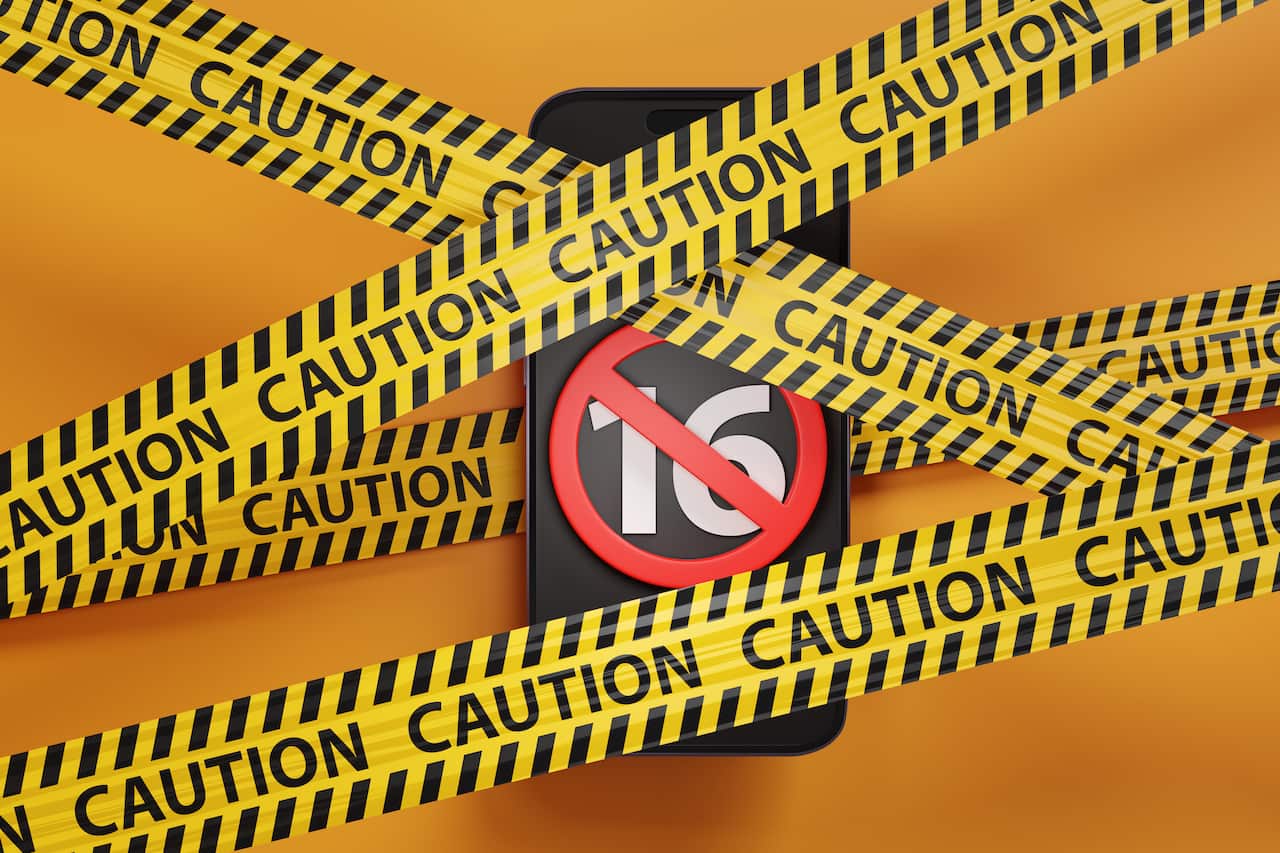
Lệnh cấm sử dụng mạng xã hội đối với trẻ dưới 16 tuổi bắt đầu áp dụng từ ngày 10 tháng 12 năm 2025 Source: iStockphoto / Dragon Claws/Getty Images
Bà nói rằng truyền thông số thường tạo ra xung đột trong gia đình ở Úc, đặc biệt khi cha mẹ không hiểu được mạng xã hội có ý nghĩa thế nào đối với con cái.
“Cha mẹ cần thừa nhận rằng mạng xã hội rất quan trọng với cuộc sống của con cái họ, và việc bị lấy đi không phải chuyện nhỏ. Tôi nghĩ nhiều trẻ sẽ buồn, thậm chí cảm thấy bị cô lập.”
Nguy cơ cô lập đặc biệt đáng lo cho trẻ thuộc các nhóm yếu thế: trẻ từ cộng đồng đa văn hóa, trẻ khuyết tật, trẻ ở vùng nông thôn – vùng xa, và trẻ LGBTIQ+.

Các công ty mạng xã hội sẽ phải thực hiện các biện pháp hợp lý để ngăn người dưới 16 tuổi sở hữu tài khoản trên nền tảng của họ. Source: iStockphoto / Ekkasit Jokthong/Getty Images
Leo Hede, quản lý dịch vụ tại Kids Helpline, nói rằng với nhiều trẻ thuộc cộng đồng thiểu số, các cộng đồng trực tuyến đôi khi quan trọng hơn cả môi trường thực, vì nơi chúng sống có thể không mang lại sự an toàn hay kết nối.
“Đó là điều chúng ta cần nhấn mạnh với cha mẹ, người lớn và chính phủ rằng, những cộng đồng và những kết nối mà trẻ tạo lập trên mạng mang lại lợi ích lớn, và nhiều trẻ thực sự dùng mạng xã hội một cách an toàn. Chúng có khả năng và sự tự tin để điều hướng những phức tạp này, và chúng ta không nên đánh giá thấp các em.”
eSafety cung cấp tài liệu hỗ trợ cho cha mẹ và trẻ em, bao gồm gợi ý mở đầu cuộc trò chuyện và hướng dẫn chuẩn bị.
Trường học và các dịch vụ như Kids Helpline cũng đang cung cấp nhiều tài nguyên riêng.
Ông Hede nhấn mạnh rằng không nên xem nhẹ cảm xúc của trẻ.
“Chúng tôi khuyến khích cha mẹ nói với trẻ về những lựa chọn, những cách chăm sóc sức khỏe tinh thần trong giai đoạn chuyển tiếp này, những nguồn hỗ trợ khác nếu trẻ lo lắng mất đi sự kết nối trực tuyến quan trọng đó. Liệu có thể duy trì bằng những kết nối ngoài đời hay không? Cha mẹ có thể hỗ trợ gì?”
Mỗi nền tảng sẽ yêu cầu các bước khác nhau, nhưng nói chuyện với trẻ về lệnh cấm giúp giảm bớt lo lắng. Điều này có thể bao gồm việc cùng trẻ lưu lại ảnh, video và kỷ niệm trước khi tài khoản bị đóng.
“Trẻ sẽ làm thế nào để tải xuống tất cả những tấm ảnh selfie yêu thích với bạn bè? Trẻ đã có những kết nối với nhóm đó rồi. vậy có cách nào khác để tái tạo môi trường an toàn đó bằng những ứng dụng vẫn còn được phép dùng không? Hoặc có những lựa chọn hoàn toàn khác mà trẻ có thể thử để đáp ứng nhu cầu kết nối đó hay không?”
Một chiến lược được Kids Helpline khuyến nghị là trao cho trẻ “tấm thẻ miễn lỗi”.
“Điều này có nghĩa là nói với trẻ rằng nếu có chuyện gì xảy ra trên mạng và chúng cần giúp đỡ, thì hãy nói ngay. Cha mẹ sẽ không phản ứng gay gắt mà sẽ lắng nghe và hỗ trợ.”

Parents shouldn't be dismissive of their children's feelings. Source: iStockphoto / Antonio_Diaz/Getty Images
Do trẻ có thể vẫn tìm cách dùng nền tảng cũ hoặc những nền tảng mới chưa được đưa vào lệnh cấm, chúng có thể tiếp tục gặp rủi ro trực tuyến. Vì vậy, chiến lược này giúp duy trì đối thoại cởi mở thay vì khiến trẻ sợ bị trách mắng.
eSafety cũng gợi ý các nền tảng thay thế an toàn hơn như My Circle của Kids Helpline hoặc diễn đàn của Beyond Blue.
Tiến sĩ Page Jeffery nhấn mạnh rằng đối thoại cần được duy trì liên tục:
“Nhưng ngay cả khi lệnh cấm đã có hiệu lực, thì cha mẹ vẫn cần tiếp tục trò chuyện với con về an toàn trực tuyến và các rủi ro trên mạng, vì nhiều rủi ro không chỉ xuất hiện trên mạng xã hội mà còn ở nhiều không gian trực tuyến khác. Tôi nghĩ một trong những điều tệ nhất mà cha mẹ làm là ngừng những cuộc trò chuyện đó với trẻ.”

Once the ban comes into effect, parents should continue talking with their children about online life. Credit: Johner Images/Getty Images/Johner RF
READ MORE
SBS Việt ngữ
Đồng hành cùng chúng tôi tại SBS Vietnamese Facebook & SBS Vietnamese Instagram, và cập nhật tin tức ở sbs.com.au/vietnamese