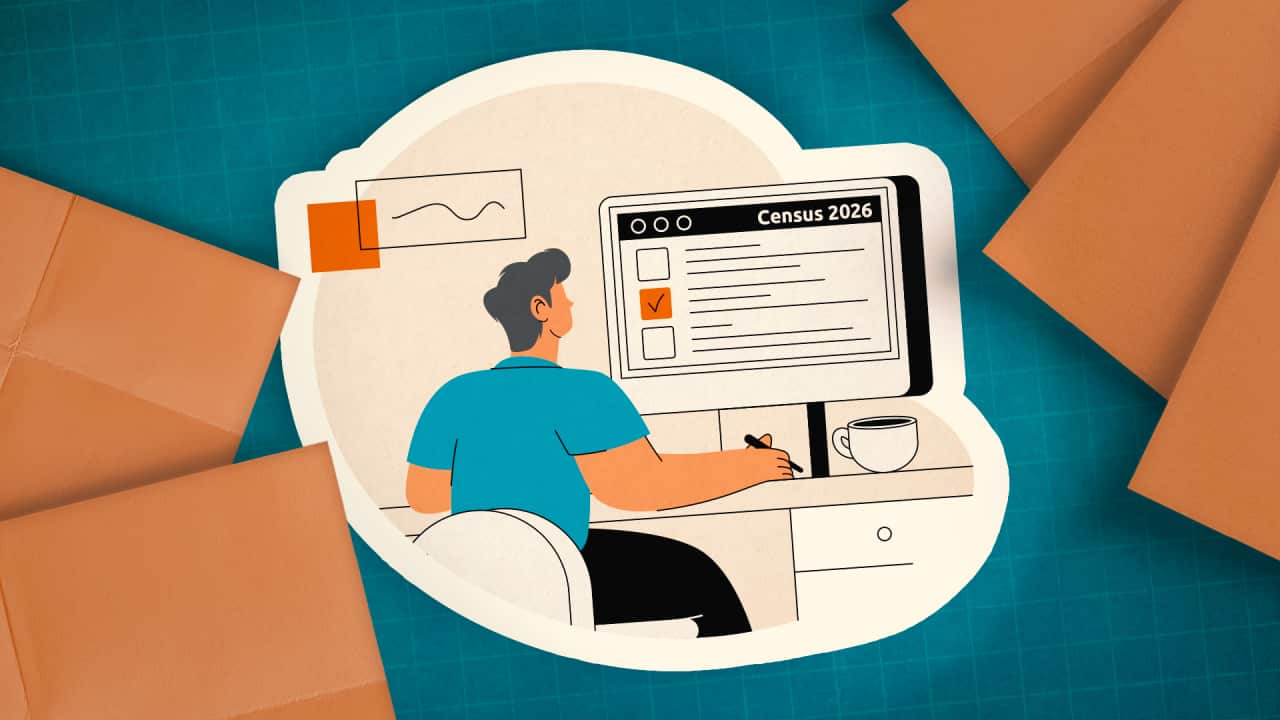
Every five years, the Australian Bureau of Statistics (ABS) counts every person and every household in the country as part of the Census of Population and Housing.
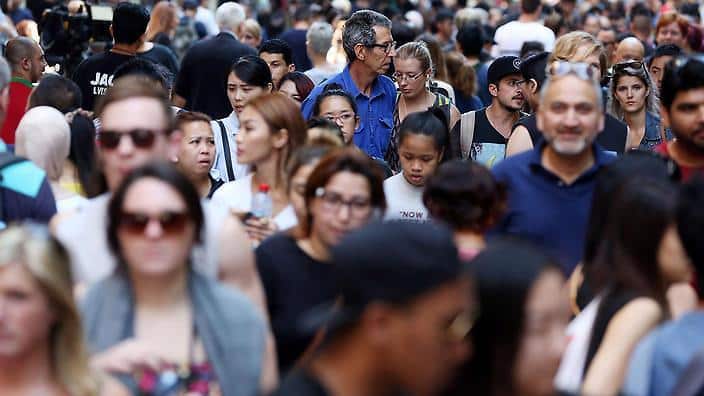
That includes Australians, young and old, from metropolitan and rural Australia. Even holidaymakers, international students and temporary visa holders are counted on Census night. It's often referred to as the most comprehensive snapshot of Australia, akin to a family photograph of the country.
This year, the Census will take place on Tuesday 11 August.
Emily Walter, Census national spokesperson at the ABS, said it's about more than just numbers. She believes the Census tells a story of a changing Australia.
"Our Census provides a snapshot of the country at a point in time ... So, it's really important that absolutely everyone is reflected in the Census," she told SBS Urdu.
News that makes sense
Your trusted source for staying up-to-date with the world around you. Get free daily news updates and analysis, straight to your inbox.
"It is compulsory for that very good reason, and it's important that we get a very accurate count of the number of people in Australia ... because it's about providing data for the country to help serve the country."
What the Census measures
The first population count in Australia dates back to 1788. In 1911, the ABS ran its first national Census, with field officers travelling by horse or bicycle to collect information about Australians.
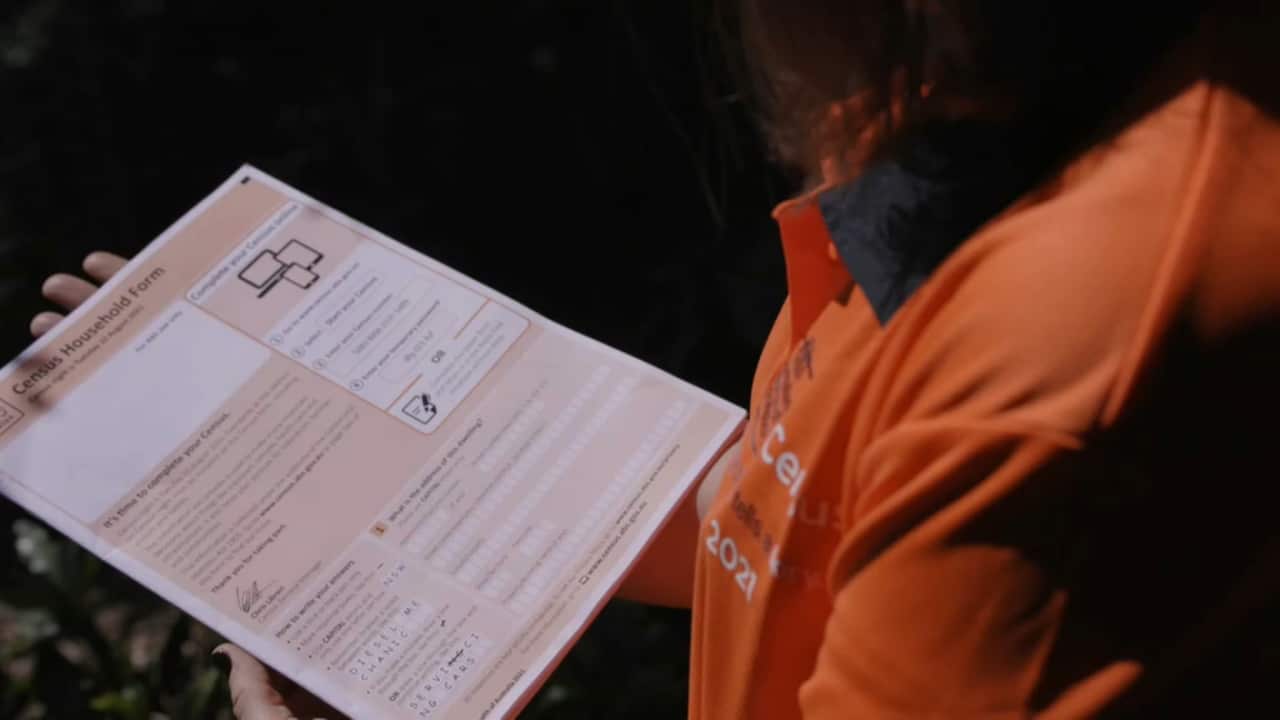
Today, the Census is available online and by paper and can also be completed with help from Census field staff.
It's compulsory for everyone in Australia to complete the Census. Generally, one person from each household completes the Census — although you can ask for separate forms for privacy reasons.
If an Australian is overseas on Census night, they don't need to complete the Census.
The ABS collects personal information about individuals, including age, country of birth, cultural background, living situation, work and education. Some questions about religious affiliation, gender and sexual orientation (for people aged 16 and over) will be optional.
All information collected is confidential and protected by law.
What is Census data used for?
Census data is used to inform decisions about language services, settlement support, transport, schools, health care, infrastructure and business. It also helps plan local services for individuals, families and communities.
SBS broadcasts and publishes across more than 60 languages, using data from the Census to ensure its audio, digital, and television offerings reflect the country's evolving demographics.
The data is often used by researchers to study a range of topics, including population demographics, economic trends and social issues.
Liz Allen, a demographer at the Australian National University's Centre for Social Policy Research, said the Census provides an "important suite of information" for decision-makers.
"We've seen internationally what happens when the statistical undertaking of a Census is compromised. That means that we lose vital information, data is unable to be published ... that then leads to policymakers making decisions basically blindfolded, and it especially harms people in minority groups," she said.
She also believes the Census provides the nation with an opportunity to pause and plan for Australia's future.
"The Census for me is not just about data.
"It's about us coming together as a nation, being seen, being captured in that family photograph and ensuring that the future of this country will be data-informed and policy will reflect exactly who we are."
For the latest from SBS News, download our app and subscribe to our newsletter.







