
A key promise kept by Hamas to Israel could see short-term humanitarian relief for people in Gaza. However, "contentious issues" stand in the way of the United States-led peace plan, experts have cautioned.
Israel has recovered the remains of the last remaining hostage held in Gaza, its military said, fulfilling a key condition of the initial phase of US President Donald Trump's plan to end the war in the Palestinian territory.
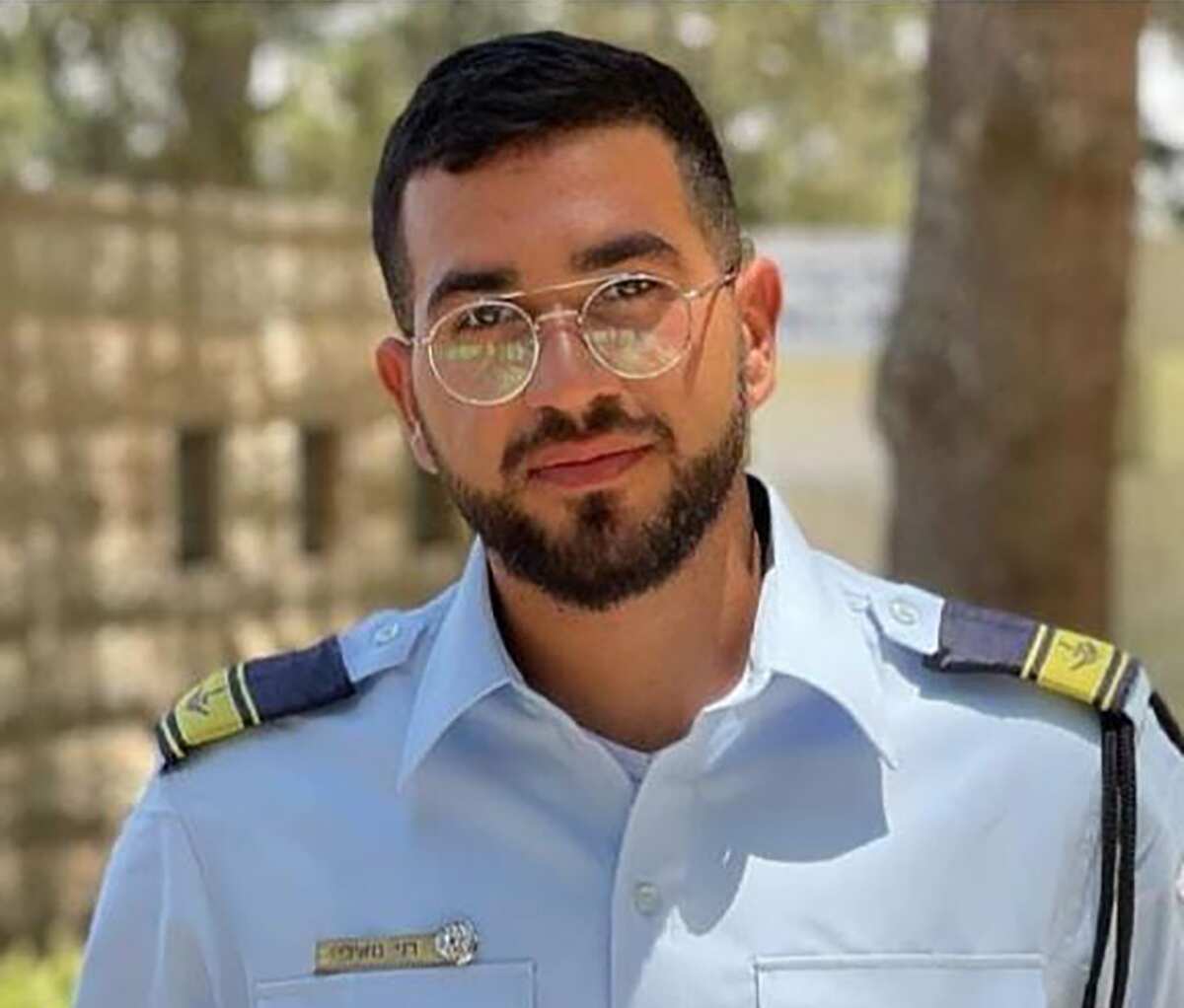
The remains of police officer Ran Gvili — held in Gaza for more than 840 days — have been identified and will be returned for burial, the military said in a statement.
Israeli Prime Minister Benjamin Netanyahu, speaking to reporters at the Knesset, described the discovery of Gvili's remains as an "unbelievable achievement for the State of Israel."
"Rani is a hero of Israel, who went in first and he emerged last," he said.
News that makes sense
Your trusted source for staying up-to-date with the world around you. Get free daily news updates and analysis, straight to your inbox.
Gvili's remains had been held in Gaza since he was killed during Hamas' attack on October 7 2023, when the Palestinian militant group led an attack on southern Israeli communities, seizing 251 hostages and killing 1,200 people according to Israeli tallies.
Israel's retaliatory offensive in Gaza has killed 71,000 people according to health authorities.
Now that all the living and deceased hostages held by Hamas have been repatriated, the focus now shifts to other challenges in the region.
Amin Saikal, an emeritus professor at the Australian National University and a specialist in Middle Eastern international relations, said that among the international community there are two priorities in Gaza.
Firstly, ensuring more humanitarian aid can get into the region and secondly, that there needs to be an international peacekeeping force to "generate security".
However, there are "contentious issues" standing in the way.
"One is that Hamas needs to be disarmed and the other is that Israel must withdraw from all of Gaza," he told SBS News.
But the possibility of either of these events happening remains unlikely, leaving Gazans with an uncertain future, as hundreds of thousands remain displaced.
Rafah crossing reopening
A short-term goal of the peace plan appears to be close to fulfilled — the partial opening of the Rafah border crossing.
The Palestinian committee of technocrats backed by the US to administer Gaza has said the border crossing would open this week, and Israel has confirmed it has agreed to a limited reopening.
The crossing is the sole passable checkpoint between Egypt and the Gaza Strip, serving as a gateway for people and humanitarian support.
Saikal said that the return of Gvili put pressure on Israel to relinquish its control over the crossing to act in good faith and let more aid flow through to Gaza.
Simon Frankel Pratt, a senior lecturer of political science at the University of Melbourne, told SBS News that the crossing will likely open, but it will be "quite limited".
"From a humanitarian perspective, I think there will be a lot of humanitarian relief for Palestinians," he said.
"However, I think it will be quite limited, and Israel will want to control who can and can't enter."
Israeli authorities have previously closed or limited access to the occupied Palestinian territories, saying open borders present security risks and could allow Hamas to smuggle in weapons.
Israel says hundreds of trucks enter Gaza daily carrying food, medical supplies, and shelter equipment. International aid organisations say the supplies are still insufficient.
Will Hamas disarm?
Since a ceasefire with Israel was brokered in October, Hamas has been under pressure to disarm from Israel and the US as a condition of following through with the peace plan.
But Pratt said there was "no real" advantage for Hamas in disarming, further entrenching a stalemate.
"Hamas has no incentive to disarm, they are the dominant force in the strip, so why would they give up their weapons?" he said.
"If they were to disarm, Israel would have all the power and could march in and kill them."
He added there are concerns an opening of the Rafah crossing could further embolden Hamas, which still has de facto control over Gaza.
"They are no more likely to relinquish their weapons now than they were before."
The US believes disarmament by Hamas militants in Gaza comes with some sort of amnesty for the Palestinian group, a US official said on Monday, according to the Reuters news agency.
But Pratt said a promise of amnesty for former Hamas members would not be enough of a reason for the group to hand over its weapons.
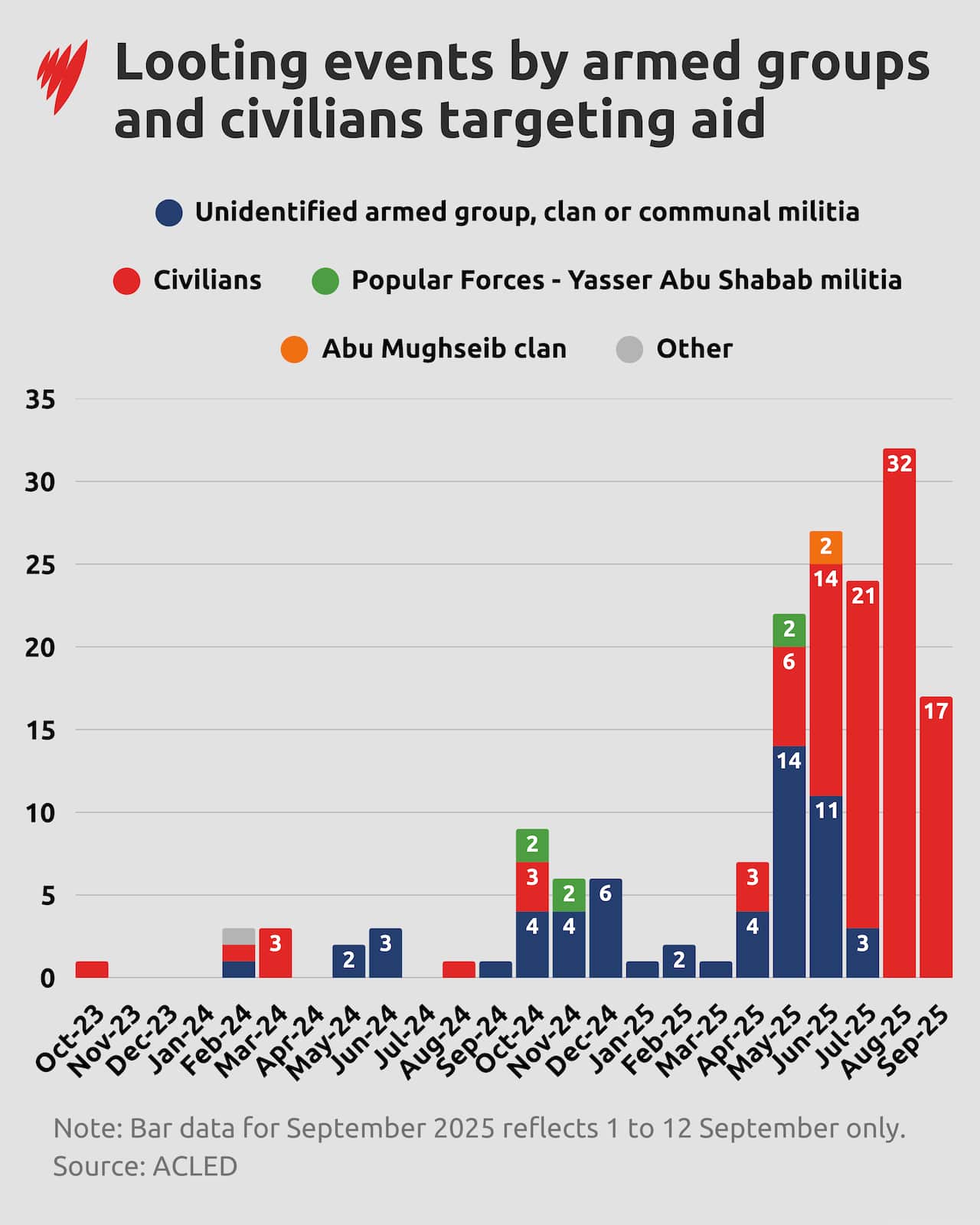
Data compiled by international conflict monitor ACLED shows Hamas, which rejects allegations of looting aid and smuggling, was not responsible for the majority of aid looted between October 2023 and September 2025 — civilians, gangs and family clans were.
Will Israel withdraw from Gaza?
Saikal said that despite the ceasefire between Hamas and Israel, the latter has "expanded its footprint" in the occupied Palestinian territories.
Ismail Al-Thawabta, director of the Gaza government media office, said the Israeli military had expanded the area under its control in eastern Khan Younis five times since the ceasefire, forcing the displacement of at least 9,000 people.
The United Nations said earlier this month the Israeli military is still deployed in more than half of the Gaza Strip, beyond the "Yellow Line", where access is either restricted or banned to aid facilities, public infrastructure and agricultural land.
Israel's military has previously said it has opened fire after identifying what it called "terrorists" crossing the yellow line and approaching its troops, posing an immediate threat to them.
It has continued to conduct air strikes and targeted operations across Gaza. The Israeli military has said it views "with utmost severity" any attempts by militant groups in Gaza to attack Israel.
Both Saikal and Pratt said Israel would be unlikely to withdraw its military presence, meaning that progressing the peace plan further is challenging.
Pratt said the second phase of the peace plan is "vague", with no timelines or mechanisms for Gaza's reconstruction, Palestinian statehood or a security guarantee.
He added that right-leaning politicians in Israel continue to oppose a Palestinian state, which could undermine Israel's political will to progress the peace plan and withdraw its military.
"Given it requires Israel to cede a lot of its authority in the area, they appear to be dragging their feet," he said.
"However, I do think Trump would steamroll any Israeli opposition to make way for the Board of Peace to take over in Gaza."
What impact could the Board of Peace have?
Trump first proposed an international board of peace, with 60 nations invited including Australia as well as billionaire investors, as part of his plan to end the war in Gaza.
He later made clear the board's remit would be expanded to tackle other global conflicts.
According to a draft Board of Peace charter, the US President would serve as the inaugural chairman of the board and be tasked with promoting peace worldwide and working to resolve conflicts.
Member states would be limited to three-year terms, unless they pay $1.5 billion each to fund the board's activities and earn permanent membership.
Saikal said it's too early to say what impact the board will have.
"The board is the ultimate authority in terms of making final decisions concerning not only the second phase of the peace plan but also perhaps tackling some of the other issues," Saikal said.
"But it does not mention Gaza or a two-state solution or the Israeli-Palestinian conflict.
"So realistically, we don't know if it will actually prioritise finding peace for the people there, or if it will achieve very little for Palestinians and Israelis."
— With additional reporting by Reuters.
For the latest from SBS News, download our app and subscribe to our newsletter.







