This audio is voiced by AI and may occasionally mispronounce words.
Share your feedback and help us improve this feature. Read more about how we use AI at SBS here.
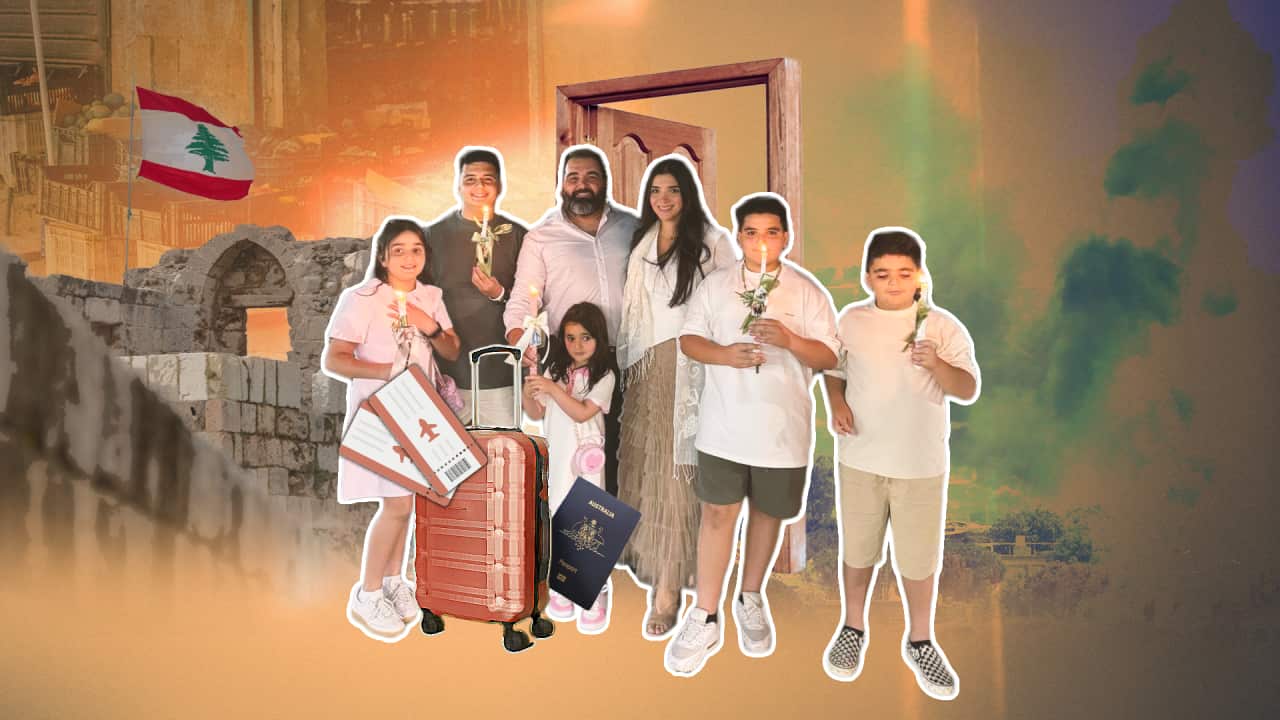
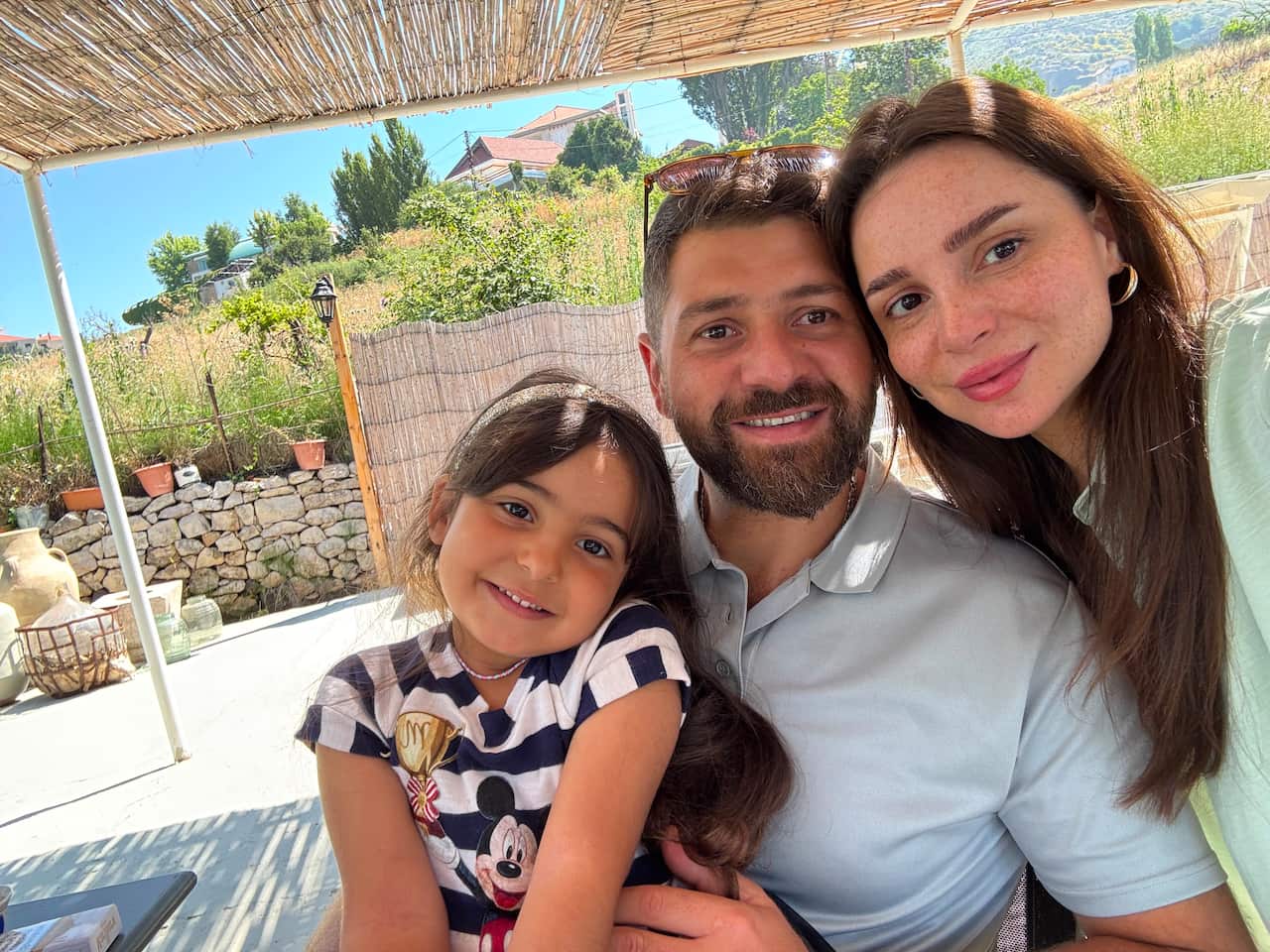
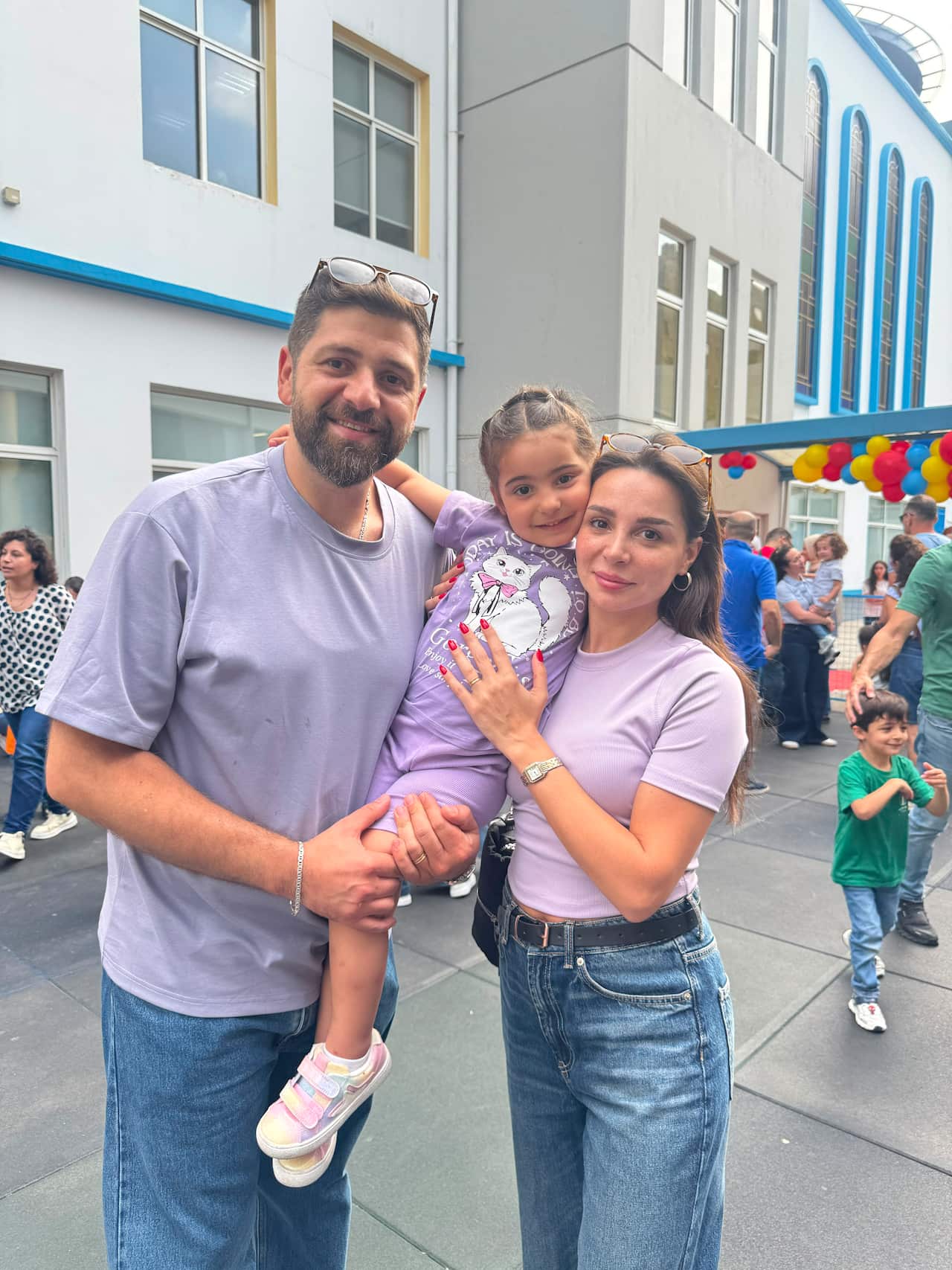
For 17 years, Australia was home to Georgette Hachem Khalil.
It's where she built her life and raised five children, watching them grow up with the safety, stability and opportunities she had always hoped to offer them.
Now, the 42-year-old has packed that life into boxes and taken her family back to her native Lebanon.
Not because Australia failed them; not because they have run out of options.
But because she believes there is something her children cannot inherit from Australia: a childhood lived within reach of their family, their culture and their roots.
News that makes sense
Your trusted source for staying up-to-date with the world around you. Get free daily news updates and analysis, straight to your inbox.
With her eldest now 14, Khalil feels the window to give her children that life is closing.
"We felt that we need family more than ever," she tells SBS Arabic.
"We need that for our kids. We need them to learn the values. And we think it's either now or never."
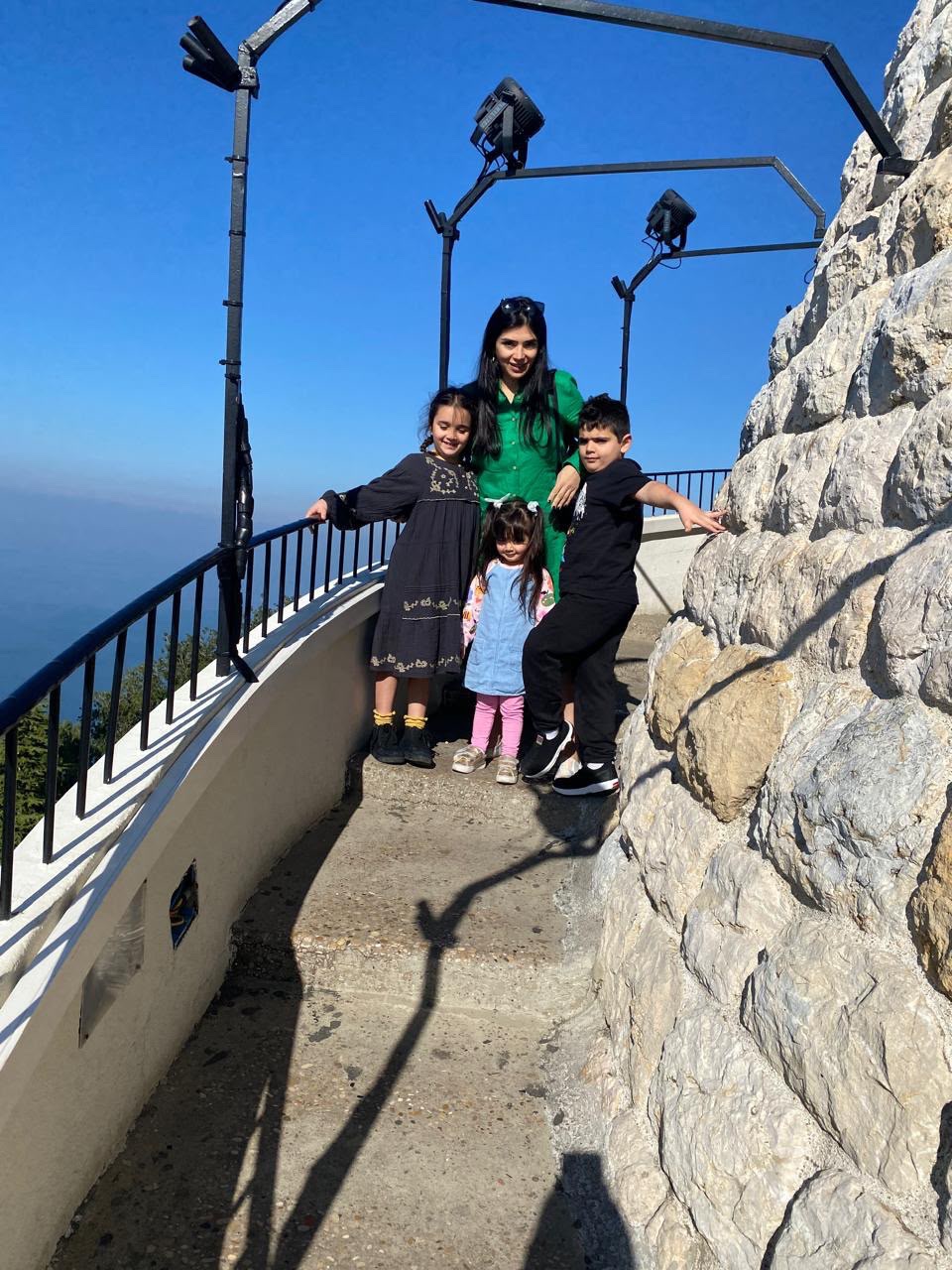
It's a decision made under difficult circumstances.
Lebanon remains affected by ongoing hostilities, following Israel's ground invasion in the south of the country in March this year. The Australian government continues to advise Australians not to travel to Lebanon, warning the security situation remains unpredictable and there is a risk of further escalation.
Khalil knows the risks — she grew up with them.
She remembers schools calling parents to collect their children, families sheltering from bombs and nights spent by candlelight during other conflicts in the region.
And yet, when she looks at what her five children stand to gain — grandparents around the corner, aunts and cousins at the dinner table, a community that can catch them when they fall — she considers the risk worth taking.
We are not running away from Australia. We are going towards family.
Passing on what they inherited
For Khalil, the move is also about what gets passed from one generation to the next. She left Lebanon when she was 18 and spent the next seven years in the United States before meeting her husband and eventually moving to Australia.
Khalil hails from Jal El Dib, a coastal town north of Beirut, while her husband's family is from southern Lebanon. Cultivating connection to their roots has been a bonding experience for the pair and one they want to pass on to their children.
For many in the Lebanese diaspora, it's a connection that endures across generations, says Paul Tabar, an adjunct professor at the Institute for Culture and Society at Western Sydney University and the founding director of the Institute for Migration Studies at the Lebanese American University in Beirut.
"The Lebanese diaspora, whether in Australia or elsewhere, has maintained a strong connection with its homeland, as have many migrant communities of different nationalities," he tells SBS Arabic.
Khalil points to her husband's connection to the country as an example. He was born and raised in Australia, but his parents migrated from Lebanon in the 1970s and raised him with a strong attachment to the place they left behind.
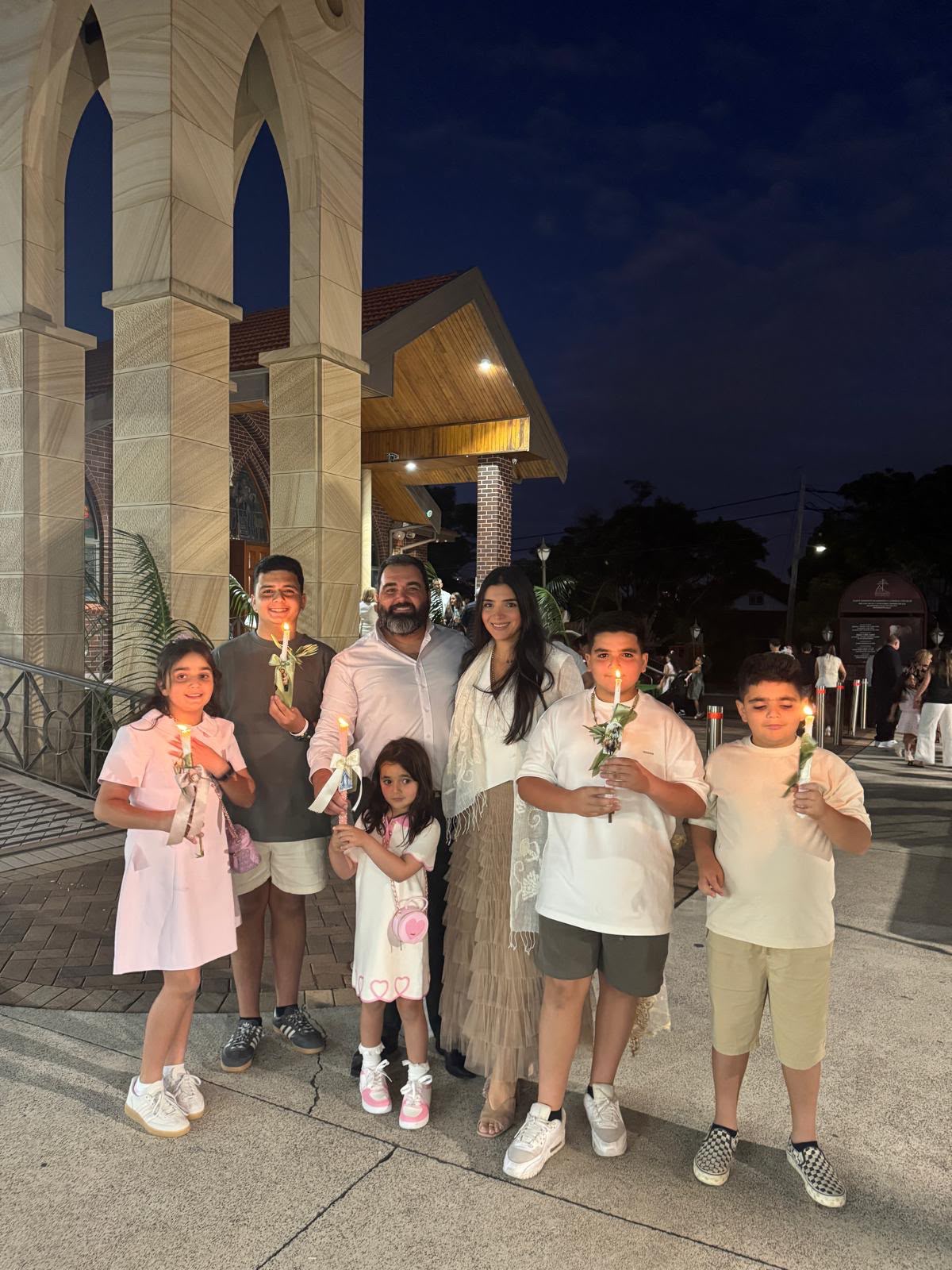
"He loves Lebanon a lot. They obviously instilled the love of Lebanon. Like all Lebanese parents, they instil that love in their kids," Khalil says.
Though her husband has never lived there, she says Lebanon is still deeply familiar to him through his family's memories.
"He knows the old Lebanon, the Lebanon of the 70s and the 50s even," she says.
Now, the couple and their children are experiencing the country firsthand. They moved earlier this month, but continue to travel between the two countries for work. The hope is that their children will experience family life and culture in a way that had been difficult from afar.
"We want them to see us, how we interact with each other as a family, learn those values for themselves in the future, have each other's back," Khalil says.
The decision is also personal. She wants to be closer to her parents and, after nearly three decades abroad, feels she can no longer postpone time with her immediate family.
I need them as well. And I need to fill my cup. I need to fill my cup in order to fill my kids' cups as well.
Learning to live in Lebanon
For the children, the move is still new.
Khalil says the older ones are excited, although she is not sure they fully understand that they have left Australia for good. She expects the adjustment will be gradual.
"They might be initially excited and then they're going to complain about certain things later on," she says.
The family is now settling into a different rhythm, with Khalil hoping her kids will make the most of the opportunities around them, from learning Arabic to joining clubs and activities.
But there is an uncertainty she cannot resolve in advance: how her children will respond once the novelty wears off.
"The greatest fear is that my kids are not going to adapt. Yeah, because that is going to be a great loss for me because obviously my priority is my kids, and I will do whatever is best for them," she says.
What she hopes lasts is a connection that remains with them, wherever they eventually build their lives.
"I want them to always feel that connection to Lebanon, not just, you know, through screens or … in theory. I want them to actually feel that connection, want to go, want to help Lebanon."
Why do some migrants go back?
Khalil's decision sits within a broader, if relatively small, pattern of return migration.
Australian Bureau of Statistics research has identified family commitments, homesickness, cultural ties, retirement and changing circumstances in migrants' countries of birth among reasons people return to their country of origin.
Research by University of Queensland academic Angélique Parr has similarly found that return migration is shaped by a combination of economic and social factors, including family, friends, identity and a sense of belonging.
For Tabar, those ties can be powerful.
"A sense of belonging, maintaining family relationships and preserving cultural identity can, when combined, provide a powerful motivation for someone to consider returning," he says.
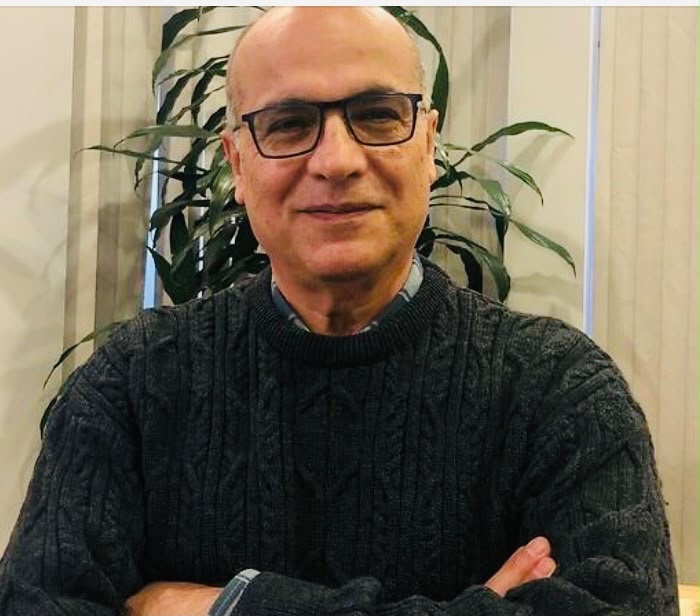
But despite the strength of that connection, Tabar says expatriate families with children making a permanent return to Lebanon are "highly unusual".
The dominant pattern of Lebanese migration to Australia has been driven by the prospect of economic opportunity and stability, attractive to young families wishing to establish themselves permanently.
The 2021 Census recorded 248,434 people in Australia reporting Lebanese ancestry, including 172,966 who were born in Australia. In NSW, the figure was 178,291.
Tabar says Lebanon's economic difficulties, political instability and recurring conflict make returning with a family a difficult proposition.
In reality, it is highly unusual.
"[The number of people returning] can be so small that it has little numerical or demographic significance."
For those who do return, the decision can be easier to make than it is to sustain.
"Many people return with their families, only to discover soon afterwards that the idea of returning was an illusion and that the practical conditions required for them to remain in their homeland do not exist," Tabar says.
There is also another complication for families like Khalil's: the country they return to may not be the one they remember.
"Many families discover that the customs and traditions they left behind no longer exist in Lebanon. They suddenly realise that the Lebanon they carried in their minds has changed and been transformed," Tabar says.
The reality of life in Beirut
Yara Heyloun, a Syrian mother raising her daughter in Beirut, says family life in Lebanon has clear advantages. Children can study Arabic, English and French, while activities ranging from sport to dancing and singing give them opportunities beyond school.
Family and community are also woven into daily life, with relatives, friends and neighbours often close by.
But those advantages exist within a strained economy.
Lebanon has been grappling with a financial and economic crisis since 2019. The World Bank says the Lebanese pound has lost 98 per cent of its value since the crisis began, while more than a third of the population has been pushed into poverty.
The latest outlook is bleaker still. The World Bank expects Lebanon's economy to contract by 6.4 per cent in 2026, with inflation forecast to reach 17.5 per cent, after renewed conflict derailed a fragile recovery.
For families, that translates into pressure on the most basic parts of daily life.
"Honestly, I do not think families in Lebanon can feel completely safe at the moment," Heyloun tells SBS Arabic.
She says there is particular uncertainty in Beirut and areas closer to the south, while rent, electricity, water and groceries have become major household expenses.
To live a decent life in Lebanon, a family needs to be in a very, very strong financial position.
Finding work is another challenge.
Heyloun says families with strong incomes, businesses or money coming from overseas are better placed to absorb such pressures; for others, living comfortably can be difficult.
That divide is particularly relevant to a family like Khalil's, returning from Australia with five children. Her expectations of life have largely been shaped by Australian schools, services and economic security, while her children are now entering a system in which access to those things can depend heavily on a family's financial position.
Heyloun's advice to families considering the same move is therefore pragmatic: remain flexible.
"I would tell them to make sure they have a way to return to Australia," she says.
While she understands the profound pull of family and culture, she advises against forfeiting the stability of a country like Australia without a fallback option.
"They should make sure they are financially secure and able to leave again if they ever feel that Lebanon is no longer safe for their family."
The risks of returning
Khalil's family has moved to the Metn region in east Beirut despite the Australian government's current advice to Australians not to travel there because of the volatile security situation, armed conflict, civil unrest and terrorism.
The warning comes as Lebanon continues to deal with the effects of renewed fighting. Recent Israeli strikes in southern Lebanon have triggered another wave of displacement despite declared ceasefire arrangements, with hundreds of families fleeing north, according to the United Nations refugee agency.
Khalil acknowledges the possibility of renewed violence. But her own experience of growing up in Lebanon has shaped how she views the risk.
"Obviously, I'm not going thinking this is going to happen to us and we have to run away. There is a bit of, you know, concern and fear, but my family's there, my sisters are there. They live a good life, they're happy, and I want that for my kids," she says.
She also accepts that the decision comes with no guarantee of stability.
The time they're going to spend with family, I think, is worth that risk that maybe war is going to break or something.
For Alex Mathieson, executive director of international programs at the Australian Red Cross, conflict can upend basic activities and routines children rely on.
"Children like routine, like some degrees of certainty. But issues around schooling, that those can be disrupted, education, basic services can be disrupted, insecure environments or when conflict happens," he tells SBS Arabic.
"But I think being prepared for things to change, for things to deteriorate, and that means having a plan A, B, and C."
That preparation, he says, includes keeping travel documents up to date, having sufficient medication, identifying safe places and possible evacuation routes, and understanding which services and transport options are available.
But Mathieson says preparation cannot eliminate the uncertainty that comes with living through conflict.
"So, really thinking that through, understanding what those implications, what those risks are, understanding what you can control, but actually more importantly, what you can't control and factoring that into your decision-making interactions is going to be critically important."
He says humanitarian organisations in Lebanon are operating under pressure, while Australia's ability to provide consular assistance can be limited if flights are cancelled, borders close or the security situation changes rapidly.
So sometimes there is no maybe emergency service or help for families that can be provided immediately.
A community built across generations
Lebanese migration to Australia dates back to the 19th century, with later waves arriving during periods of conflict and upheaval in Lebanon, including the 1970s and the Lebanese Civil War.
That history has produced a community whose relationship with Lebanon has continued across generations, even among Australians who have never lived there.
Tabar says that connection is not confined to older generations.
"There is also a very active third generation that is increasingly reconnecting with and developing its sense of belonging to Lebanon," he says.
For Khalil, that attachment is now being lived by her children rather than passed down through family stories and visits. She hopes that, in a decade, they will understand what their parents were trying to give them.
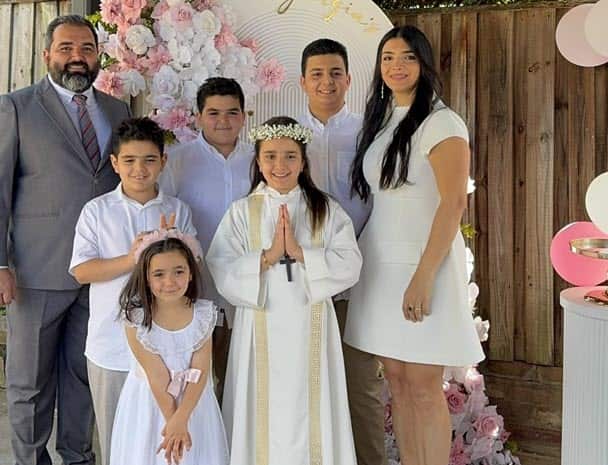
"I hope that in 10 years, my kids will say, 'Thank you for making that decision for us. Thank you for taking us to Lebanon and spending time with Dada and Jiddo [grandfather] and our aunties.'"
But the move does not diminish what Australia has meant to the family. Khalil remains grateful for the childhood her children have had here, and for the values and experiences she gained as a mother.
I want to say thank you so much for the most beautiful childhood for my kids.
This story was produced in collaboration with SBS Arabic.
<hr></hr>For the latest from SBS News, download our app and subscribe to our newsletter.







