
In brief
- Prime Minister Anthony Albanese says the government will not announce tax changes to existing gas exports in the upcoming budget.
- Economists have explained why Australia differs from Norway, proposing alternatives to the controversial PRRT.
Canadians could soon have the opportunity to invest in their country's first sovereign wealth fund and earn returns, a prospect that seems increasingly relevant to Australians.
Frustrations have grown around foregone revenue from gas companies on Australian resources.
Nationwide, the appetite for gas export companies to pay a new 25 per cent tax appears to be growing, with 72 per cent of voters agreeing to the proposal in a uComms poll of 1,906 respondents earlier this week.
On Wednesday, Prime Minister Anthony Albanese ruled out increasing tax on gas export contracts in the upcoming budget following pressure from the Greens and independent David Pocock.
"I can confirm that the budget will not undermine existing contracts on gas exports," he said in Perth, addressing the Chamber of Minerals and Energy of Western Australia.
News that makes sense
Your trusted source for staying up-to-date with the world around you. Get free daily news updates and analysis, straight to your inbox.
"Australians also have every right to expect a fair return for our country’s resources, and that’s why we reformed the petroleum resource rent tax."
Albanese reiterated the petroleum resource rent tax (PRRT) was designed to "increase taxes over a period of time", against ongoing criticism that it is broken and failing to collect sufficient revenue.
The government has also argued that a new tax during a global fuel crisis could drive away investment, particularly from countries like Japan.
Australia is one of the world's largest exporters of liquefied natural gas (LNG), with many critics pointing to Norway's sovereign wealth fund as an example of how this resource could generate revenue.
However, economists say a key constitutional difference makes it hard to mimic this set-up, as they propose alternatives.
What is a sovereign wealth fund?
Richard Holden, a professor and chief societal economist at UNSW Sydney, said, put simply, a sovereign wealth fund is a government-run "big pot of public money".
The size of the sovereign wealth fund and how it is invested differs across countries.
Set up in 2006 by the Howard government, Australia's Future Fund was handed $60.5 billion to invest from previous budget surpluses and the sale of remaining Telstra shares.
The sovereign wealth fund aims to contribute towards managing future pension and superannuation costs for public servants.
In its 2025 year-end update, the fund revealed that total assets under its management have reached $267.4 billion.
Norway, Canada: How do other countries compare?
Norway is considered by industry experts to be the gold standard, setting up what is now the largest sovereign wealth fund in the world in 1990 to manage surplus gas and oil revenues. It is valued at around US$2.2 trillion ($3 trillion).
Holden corrects the misconception that this is entirely from natural resource revenues, explaining that the government acts as a "co-investor on equal terms".
"Two-thirds of the revenue that the Norwegian government has generated and tipped into their sovereign wealth fund from natural resources has come from the government, co-investing alongside on the same terms as private enterprise," he said.
Lurion De Mello, senior lecturer and course director of the master of applied finance at Macquarie Business School, says the model is not comparable to Australia's due to its strict international focus.
"It is designed not to be spent or invested domestically, purely for inflationary reasons. So every investment takes place overseas," he said.
Earlier this week, Canadian Prime Minister Mark Carney announced he will establish the country's first government-owned investment fund to pay for major development projects in Canada.
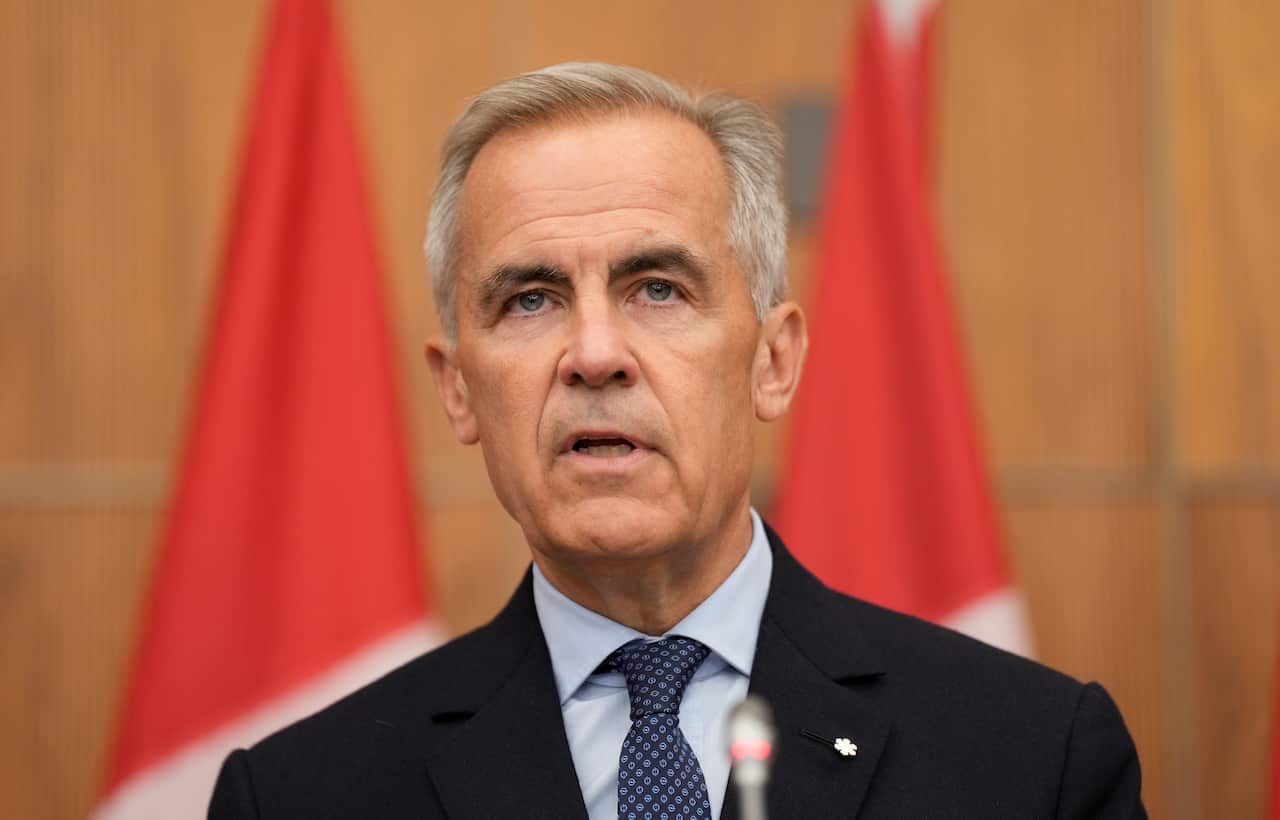
The Canada Strong Fund will get an initial contribution of C$25 billion ($25.5 billion) to invest in energy, infrastructure, mining and technology, with Canadians able to invest and earn returns.
Holden said allowing citizens to take part is great politics, creating buy-in as well as boosting the amount put into the fund.
De Mello stresses Canada is at the initial stages, and it's unclear whether it would tax gas and oil like Norway. He predicts it could run into opposition because, like Australia, it relies on these exports.
Why is Australia different?
The proposal to tax LNG assets has a key constitutional difference, de Mello explained, with part of Australia's natural resources assets belonging to the state.
Revenue raised from gas and oil reserves extracted onshore is owned by the states, while offshore assets or rigs out at sea are owned by the Commonwealth.
This means Australians states and territories collect gas and oil royalties and rely on them to boost their economy, requiring their cooperation for any changes to these assets.
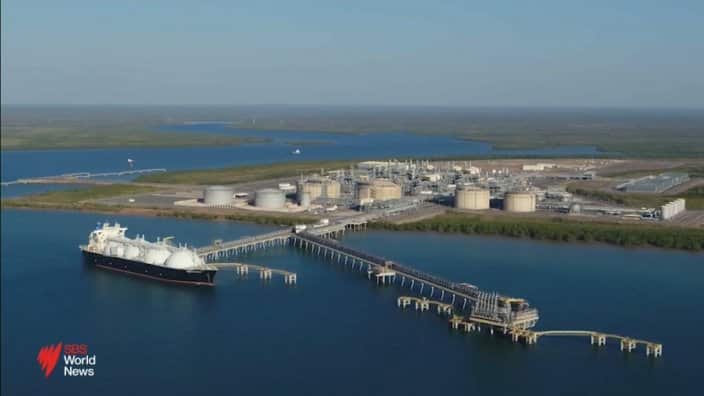
However, the 25 per cent tax proposal focuses on gas exports in a bid to counter the lack of revenue raised by the PRRT, which marginally taxes these assets.
What are some alternatives to PRRT?
Both economists agreed the PRRT is not working properly, with gas companies using loopholes to reduce their tax liabilities.
De Mello argues that this issue lies with the Australian Tax Office, which should ensure that the period during which losses can be carried forward is reduced.
Holden said the system needs more than "tweaks" to the PRRT, requiring "a new regime" entirely.
He proposes a 10 per cent royalty in exchange for future development rights, similar to the state royalty regimes on onshore production.
Drawing parallels to Norway, he said the Australian government could also co-invest alongside the company to align the interests.
"That would have the virtue of making sure that whatever returns the company gets, we'll get the same kind of returns proportional to how much we invest," he said.
"So you can't say we're getting ripped off. We're getting exactly what they're getting."
Editor's note: A previous version of this article contained quotes that conflated state gas taxes with the PRRT. These have been removed and context added to clarify the difference between onshore and offshore gas taxes.
For the latest from SBS News, download our app and subscribe to our newsletter.







