This audio is voiced by AI and may occasionally mispronounce words.
Share your feedback and help us improve this feature. Read more about how we use AI at SBS here.
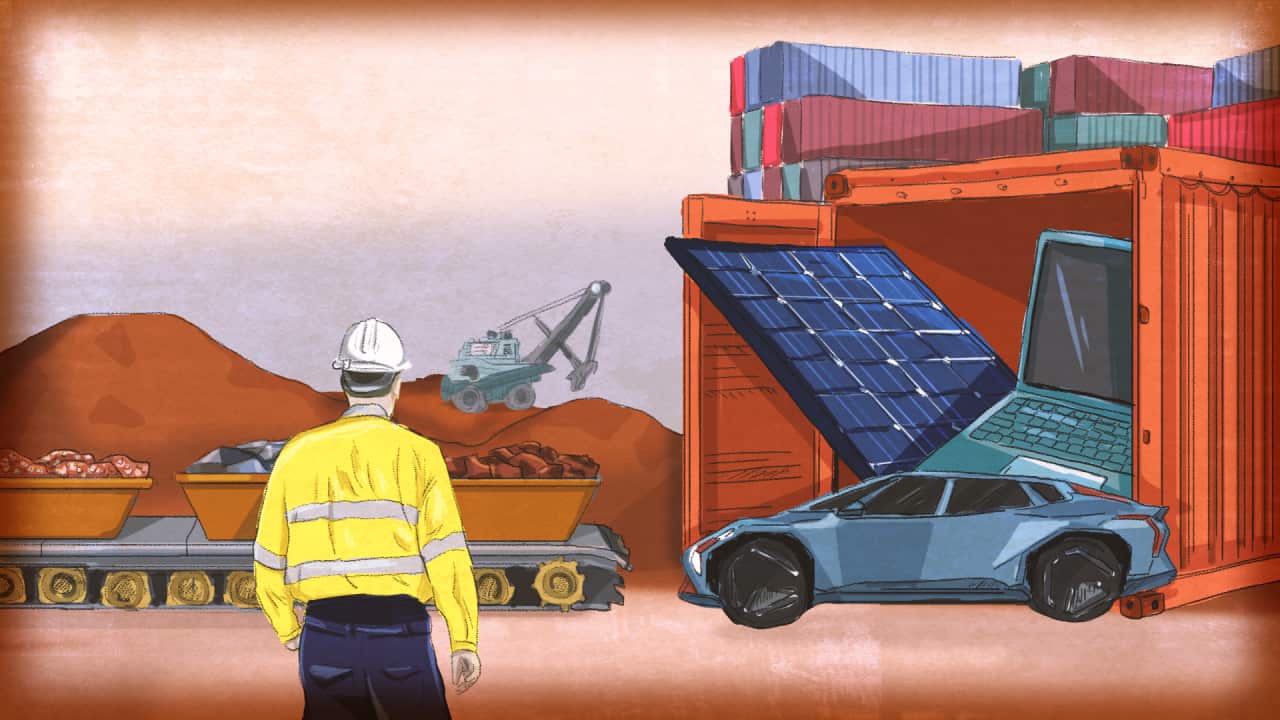
Every day, bulk carriers leave Australian ports carrying iron ore, lithium, bauxite and other minerals bound for factories across Asia, Europe and North America.
Many of those same resources return months later as cars, batteries, solar panels, household appliances and electronics — finished products that capture far more value than the raw materials Australia exported.
The picture is a far cry from the one first promoted by the 'Australian Made' campaign of the 1980s. Launched by the then-Hawke government in 1986, along with its now ubiquitous logo, Australian Made projected a vision of a thriving domestic manufacturing industry — one that has never quite come to pass.
For decades, Australia has instead built much of its prosperity by exporting what it digs out of the ground. It is the world's largest exporter of iron ore and one of the world's leading producers of critical minerals needed for the global energy transition. Yet manufacturing today accounts for a relatively small share of Australia's economy compared with many other advanced nations, while many of the consumer and industrial goods Australians use every day are imported.
The debate over what Australia should make has returned to the spotlight this week, however, after the federal government announced a pre-feasibility study into what could become Australia's first new large-scale oil refinery in six decades, as part of a broader push to strengthen domestic industrial capability and fuel security.
News that makes sense
Your trusted source for staying up-to-date with the world around you. Get free daily news updates and analysis, straight to your inbox.
The proposal also builds on the Albanese government's Future Made in Australia policy, which aims to expand local manufacturing and processing in industries including renewable energy and critical minerals.
The government's renewed focus on the sector comes as international conflicts continue to disrupt global supply chains — echoing vulnerabilities exposed during the COVID-19 pandemic, which prompted governments around the world to reassess their reliance on foreign imports
Against that backdrop, Australia now faces a question that reaches beyond the factory floor: should the country continue to focus on exporting its raw materials, or use them to produce more of the products Australians need?
The decline of mass manufacturing
For much of the post-World War Two period, manufacturing was one of the pillars of the Australian economy. Protected by high tariffs and supported by a growing population, factories produced everything from cars and white goods to textiles, steel and household appliances, employing more than one in five Australian workers by the early 1970s.
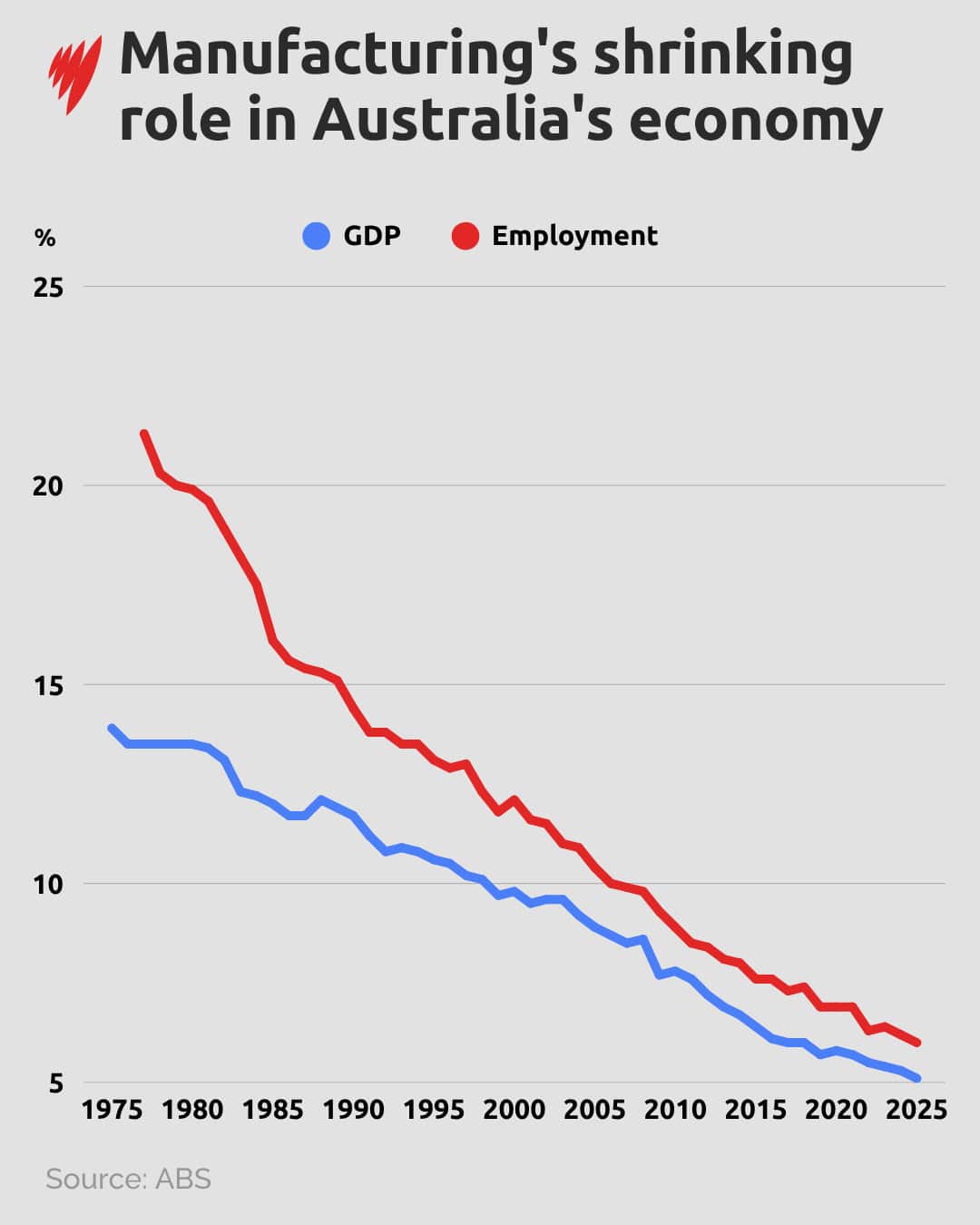
That started to change in the decades that followed. As trade barriers fell, production shifted overseas and the economy became dominated by services and mining. In turn, manufacturing steadily shrank as a share of both employment and economic output.
While the decline unfolded over decades, it became most visible through the closure of major factories and the industries that once formed the backbone of Australian manufacturing.
The shutdown of car manufacturer Holden's Elizabeth plant in South Australia in 2017 became a defining symbol of that change, ending more than seven decades of domestic car production and closing one of the country's most recognisable manufacturing operations.
Data reflects the trend, too. According to the Australian Bureau of Statistics (ABS), manufacturing's share of gross domestic product (GDP) has fallen from around 14 per cent in the mid-1970s to about 5 per cent in 2025, while its share of employment has declined from more than 20 per cent of the workforce to around 6 per cent over the same period.
Despite this, Australia retains manufacturing capability across several key sectors, including food and beverages, medical technology, specialist machinery, mining equipment, chemicals and defence-related industries. Together, these industries contribute $141.97 billion in industry value added to the Australian economy, according to ABS data.
The decline has also occurred in other advanced economies. Countries including the United States, the United Kingdom and Japan have seen manufacturing account for a smaller share of economic activity over recent decades as services have expanded and consumption patterns have changed.
Economist Saul Eslake says Australia's smaller manufacturing footprint also reflects the structure of the economy itself, particularly the size of its resources sector.
"If Australia has a bigger mining sector than any other 'advanced' economy except Norway — which we do, because nature has endowed this country with unusually rich and varied mineral resources — then it is a matter of arithmetic, not economic policy, that some other sector or sectors will be smaller in Australia than in other economies," he tells SBS News.
"Manufacturing is one of those."
How mining reshaped Australia's economy
Over the same period that manufacturing's share of the economy declined, the resources sector expanded to become one of the country's most important economic engines.
Mining has long been a major part of the economy, supported by large reserves of iron ore, coal, natural gas, and, more recently, critical minerals, including lithium.
In 2024-25, the industry contributed $260.57 billion in industry value added to the economy.
Australia is now one of the world's largest exporters of these commodities, supplying resources to markets including China, Japan, South Korea and other trading partners.
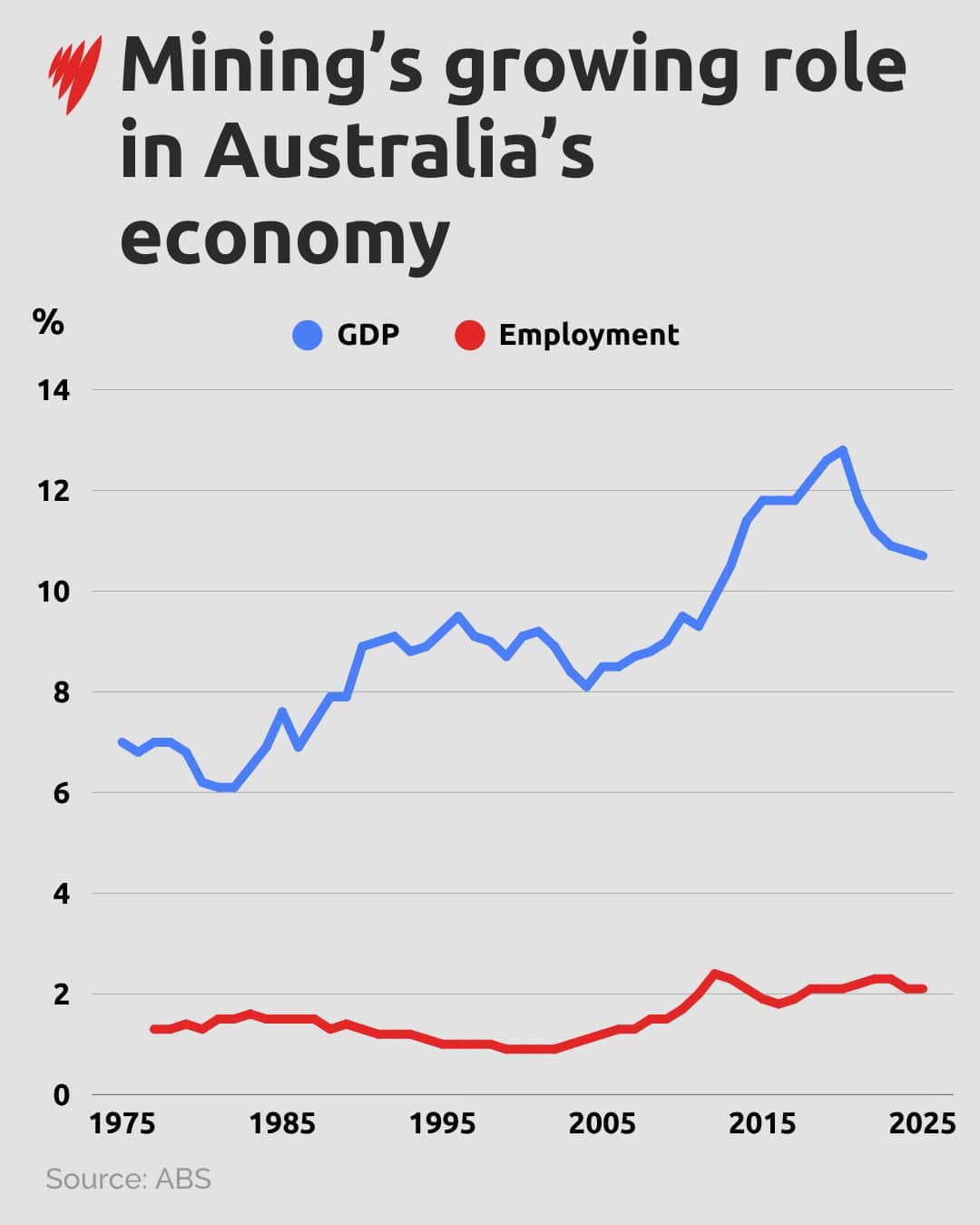
Economists say the rise of the resources sector has also shaped discussions around whether Australia can capture more value from the commodities it produces, particularly as demand grows for critical minerals used in technologies such as batteries, renewable energy systems and specialised manufacturing.
Emeritus professor Roy Green, a special innovation adviser at the University of Technology Sydney who specialises in advanced manufacturing, says Australia's strengths extend beyond resource extraction, particularly in industries that combine engineering and manufacturing expertise.
"Certainly, medical manufacturing, some areas of precision engineering, mining equipment, energy supply chains, construction materials and a handful of consumer goods, exemplified by Røde microphones. Plus food and wine," he says.
The push to move further into processing and higher-value production has grown as demand for critical minerals increases.
Green says Australia has the resources to capture more value, but faces challenges in competing globally.
"That's a big question, and we could do it tomorrow and capture more of the final value, but to do it in a way that's environmentally acceptable would make processing uncompetitive unless it gets subsidised.
"[But] are we up for massive subsidies, or is there a way we can use technologies such as AI to make processing competitive in global markets?"
The scale problem: Why Australia finds it harder to compete
Manufacturing is not only about having the resources or the technical ability to produce something. Economists say it also depends on scale — the ability to spread the cost of factories, equipment, research and skilled labour across enough production to compete internationally.
Countries with large domestic or integrated markets have a built-in advantage. The US, China, Japan and the European Union can support large manufacturing industries because companies can access large pools of consumers, either within their own markets or through closely connected trading relationships.
Australia faces different conditions due to its smaller population and geographic distance from major consumer markets, which adds costs for businesses competing in global supply chains.
Eslake says manufacturing scale is usually achieved in one of two ways: through a large domestic market or through access to large export markets.
"Either you have a big domestic market as the US, the EU, China, Japan and Brazil do and India and Indonesia potentially do; or alternatively you get 'scale' by exporting to large markets, as Japan did after the Meiji Restoration in 1873 [Japan's 19th-century industrialisation period] and again after World War Two, and as Korea, Taiwan, Singapore, Canada, Mexico, Ireland, Sweden, Switzerland and Türkiye, also a fairly large domestic market, have done," he says.
But notice that all of these second group of countries are geographically close to large markets, which we are not, and we don't have a large domestic market.
What should Australia manufacture in the future?
The debate over Australia's manufacturing future is no longer only about whether factories can return. It is about which capabilities matter most in an economy that will continue to rely on global trade.
The COVID-19 pandemic highlighted the risks of relying on global supply chains, as disruptions exposed vulnerabilities across industries.
Raelene Lockhorst is the deputy director of the National Security Program at the Australian Strategic Policy Institute, specialising in areas including geopolitics and supply chains. She says the experience during COVID changed the way governments and businesses think about manufacturing capability.
"COVID-19 exposed the risks of Australia's reliance on highly efficient but fragile global supply chains. It demonstrated that access to essential goods cannot always be guaranteed during a crisis and reinforced the need to balance economic efficiency with resilience, sovereign capability and supply-chain diversity," she tells SBS News.
But experts say rebuilding the industries Australia once relied on is unlikely to be practical or economically efficient. Instead, the debate has shifted towards which new industries Australia should support, with the government's Future Made in Australia policy placing a renewed focus on domestic manufacturing.
Richard Holden, vice-chancellor's professor and chief societal economist at the University of New South Wales, argues the focus should be on identifying industries where dependence on overseas suppliers could create serious risks.
I think the Future Made in Australia policy is misguided, because it doesn't provide a framework for thinking about what we should and shouldn't do.
"For instance, even the US can't compete with China on electric vehicles, so do we think Australia does?" he tells SBS News.
Holden says the challenge is deciding where Australia needs to maintain its own industrial capability and where it can rely on international suppliers.
"We need to think about what we can buy on global markets and 'friend-source' and then what is really critical that we can't easily buy," he says.
He says the government's focus on the employment potential of manufacturing, outlined in its Future Made in Australia policy, does not necessarily mean those industries are strategically important.
Lockhorst says Australia should focus on retaining capability in areas where manufacturing is economically and nationally important.
"Australia shouldn't attempt to rebuild every industry, but focus on capabilities critical for national resilience, such as defence manufacturing, critical minerals processing, energy infrastructure, agricultural inputs and advanced manufacturing," she says.
Can Australia become a manufacturing nation again?
While Australian manufacturing is unlikely to return to the factory floors of the past, there is still a substantial workforce sustaining the industry.
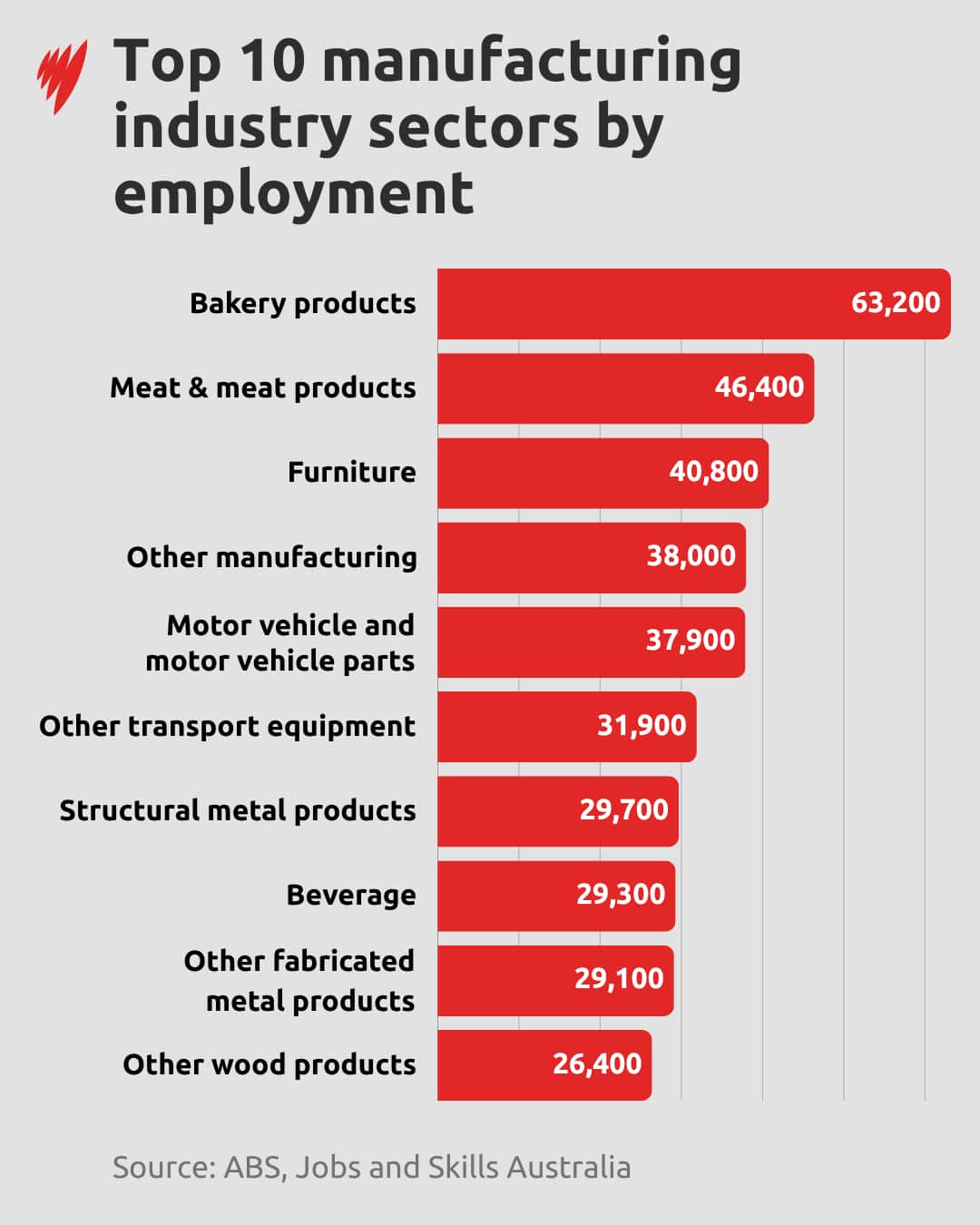
According to ABS data, around 868,000 Australians are employed in manufacturing, underscoring that the sector remains a significant source of jobs and industrial expertise.
For manufacturers already operating in Australia, the future of the sector is less about competing on low costs and more about producing specialised, high-value products.
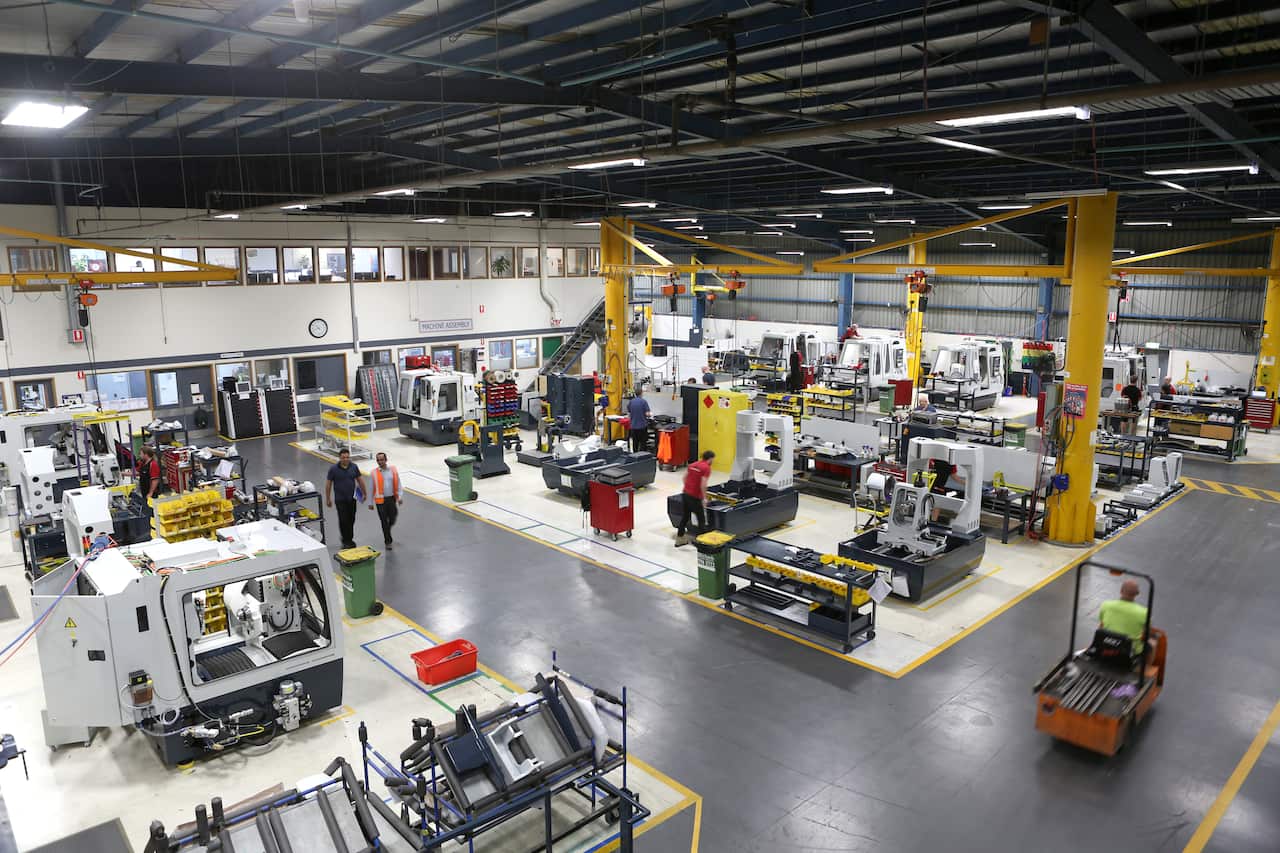
One example is ANCA Pty Ltd, an Australian company that designs and manufactures computer numerical control grinding machines used in precision manufacturing industries around the world.
Edmund Boland, CEO of ANCA, believes the broader industry should focus on maintaining the skills, knowledge and innovation systems that allow companies to develop complex products.
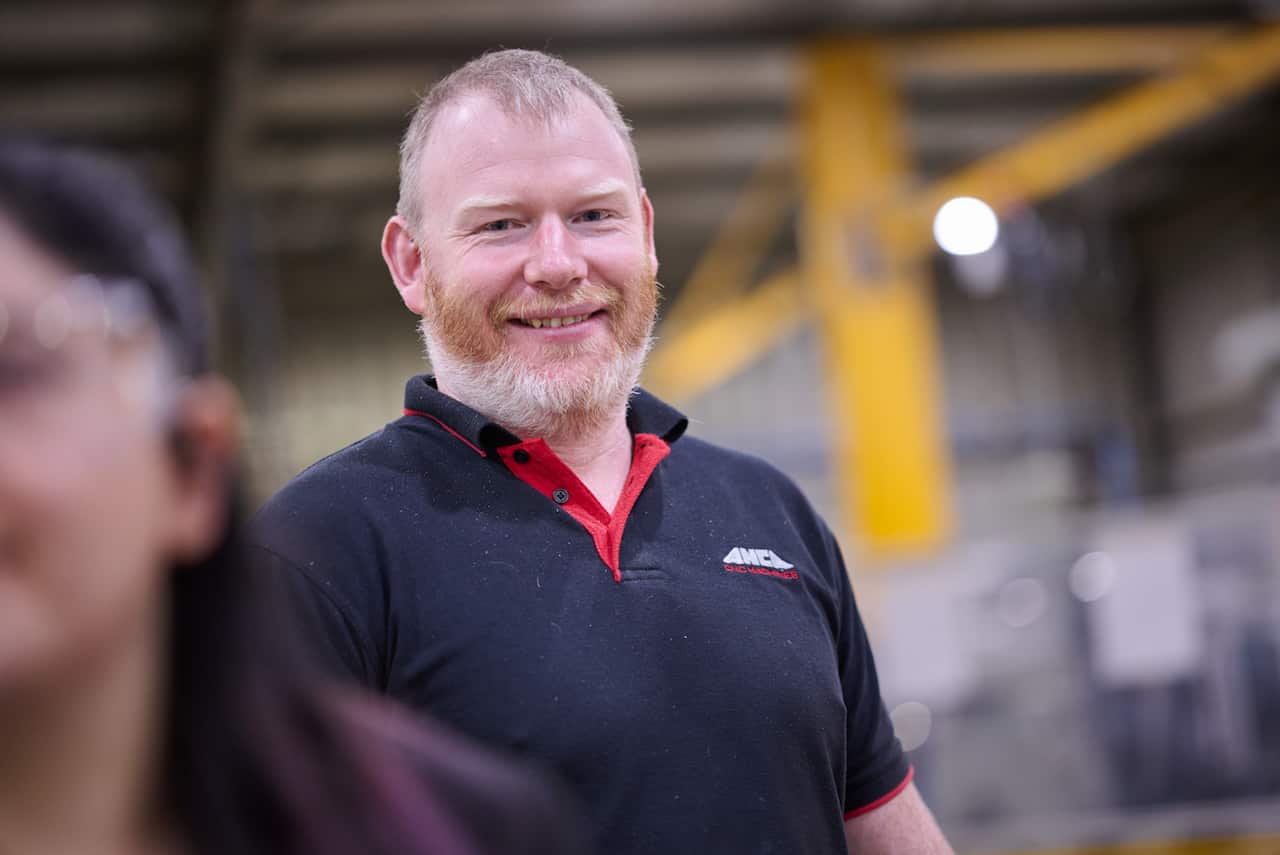
"Bringing engineering and manufacturing together enables faster problem-solving, stronger collaboration and a direct connection between product design and production. Australian engineers are highly creative and capable of solving complex problems, and this is reflected in the innovative, high-value products ANCA develops for global markets," Boland tells SBS News.
Boland points to the challenges Australia faces competing with countries that have better access to global markets.
Australia is unlikely to compete internationally through scale or low labour costs.
"We can compete through advanced technology, automation, intelligent business systems, specialist skills and the ability to produce complex, high-value products," he says.
Experts broadly agree that Australia now needs to be selective about the industries it supports, focusing on areas where losing local production capacity could create serious risks.
The goal is not for everything to be Australian-made, Lockhorst explains, but rather ensuring Australia retains the skills, infrastructure and industrial capacity needed when global disruptions occur.
Australia should not pursue complete self-sufficiency, but it must build resilience in areas where dependence creates unacceptable strategic risks.
"The goal should be maintaining sovereign capability in critical sectors, diversifying supply chains through trusted partnerships and ensuring Australia retains the skills, infrastructure and industrial capacity needed when global systems are disrupted."
For the latest from SBS News, download our app and subscribe to our newsletter.







