
in brief
- Anglicare Australia's latest rental affordability snapshot has warned that the housing crisis could become a permanent feature.
- Just a single rental nationwide was affordable for a person receiving JobSeeker payments.
A single room in a share house in Adelaide costing $125 per week is the nation's only rental that a person on JobSeeker can afford.
Anglicare's 2026 rental affordability snapshot has revealed that virtually no housing in the entire country is affordable for a single person with no dependents on the maximum fortnightly payment of $817.50.
"Affordable" means rent must make up no more than 30 per cent of a household budget. Anything above this and it will begin to cause financial stress, according to longstanding internationally accepted standards.
JobSeeker payment plus the energy supplement and the highest rate of Commonwealth Rent Assistance means rent can be no more than $135.75 per week for someone receiving that support without causing financial stress — something that virtually zero properties across Australia provide.
News that makes sense
Your trusted source for staying up-to-date with the world around you. Get free daily news updates and analysis, straight to your inbox.
Rob Stokes, group executive of Housing at Anglicare, said that the figures show the reality of living in Australia has fundamentally changed.
"The great Australian dream used to be having a house to call your own, near family and friends, and close to work. Now people are lucky to find a rental that doesn’t immediately tip them into financial distress", he said.
The aged care and community services network has been tracking rental affordability for nearly two decades, and Stokes says the group has only seen the issue "escalate and spread".
He added that "circular debates" over supply and demand need to stop and that the country needs to make significant policy changes to ensure housing security for all Australians, rather than be "filled with dread about how they will afford to keep a roof over their head, if they can find one at all".
The only affordable house in Australia
The country's sole affordable rental for someone on JobSeeker is a single bedroom in a share house with multiple tenants in the Fairview Park neighbourhood of Adelaide, South Australia.
The rental space is 9.29 square metres with a shared bathroom, toilet, and laundry, and is listed as not accepting pets.
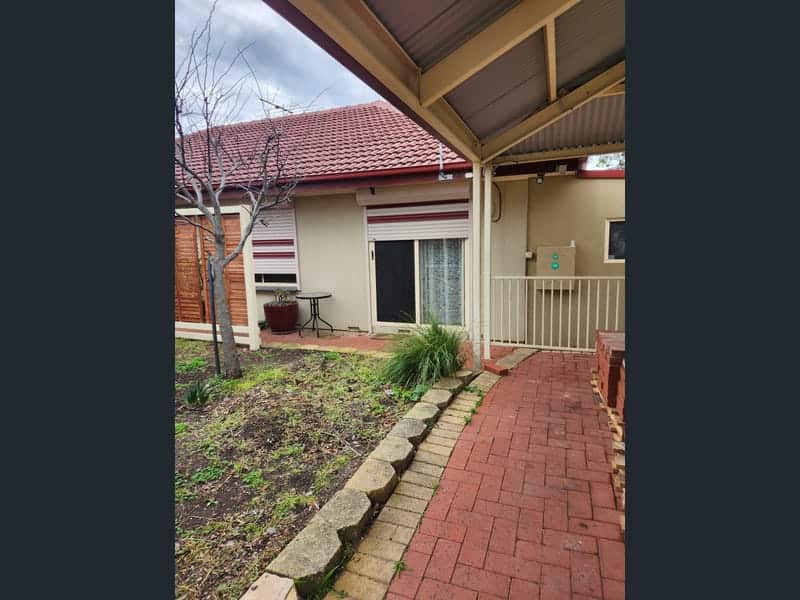
The space is available for $125 per week, which may also include the use of a parking space.
SBS News has contacted the owner for comment.
Built in 1966, the house is listed as a three-bedroom property and appears to have several smaller buildings within its bounds, allowing for private rental accommodation.
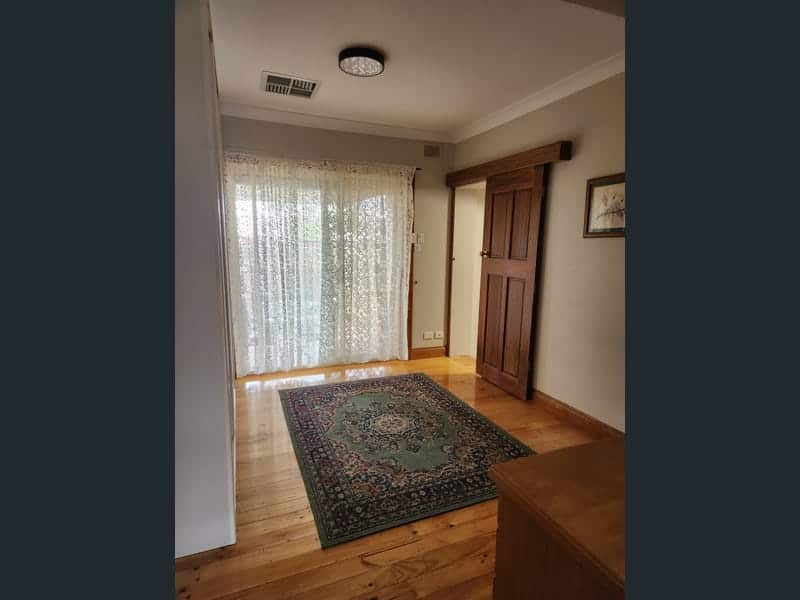
It was last sold in 2002 for $117,000 and is now estimated to be worth around $870,000. Data from Domain shows that the entire property could be rented in 2003 for $200 per week.
The suburb is roughly 40 minutes drive, or 45 minutes on public transport, to the city centre.
Supply and demand
Anglicare is calling for an additional 10,000 new social housing dwellings to be built across the country each year, and for affordable housing to be prioritised in housing development.
It is also calling on the government to increase JobSeeker payments to $80 per day, increase Commonwealth Rent Assistance, and strengthen tenants' rights in a bid to support low-income renters.
In addition, the group also wants to see an expansion of crisis and traditional housing for domestic and family violence victim-survivors and an expansion of homelessness prevention services for older people in NSW.
A federal government spokesperson told SBS News the government is "helping everywhere we can" but that "people are doing it really tough at the moment".
"We've increased Commonwealth Rent Assistance by more than 50 per cent," the spokesperson said. "We've worked with states and territories to limit rent increases and ban rent bidding, and we're delivering a $10 billion investment to build 55,000 new social and affordable homes."
The government, through its Housing Australia Future Fund and other programs, is aiming to complete these affordable homes by 2029, but faced criticism earlier this year for having completed just over 2 per cent of its target two years into the project.
The spokesperson also pointed to "big increases to social security payments" made by Labor.
"A single person receiving the maximum rate of the Disability Support Pension is over $5,500 a year better off since Labor came to government," they said.
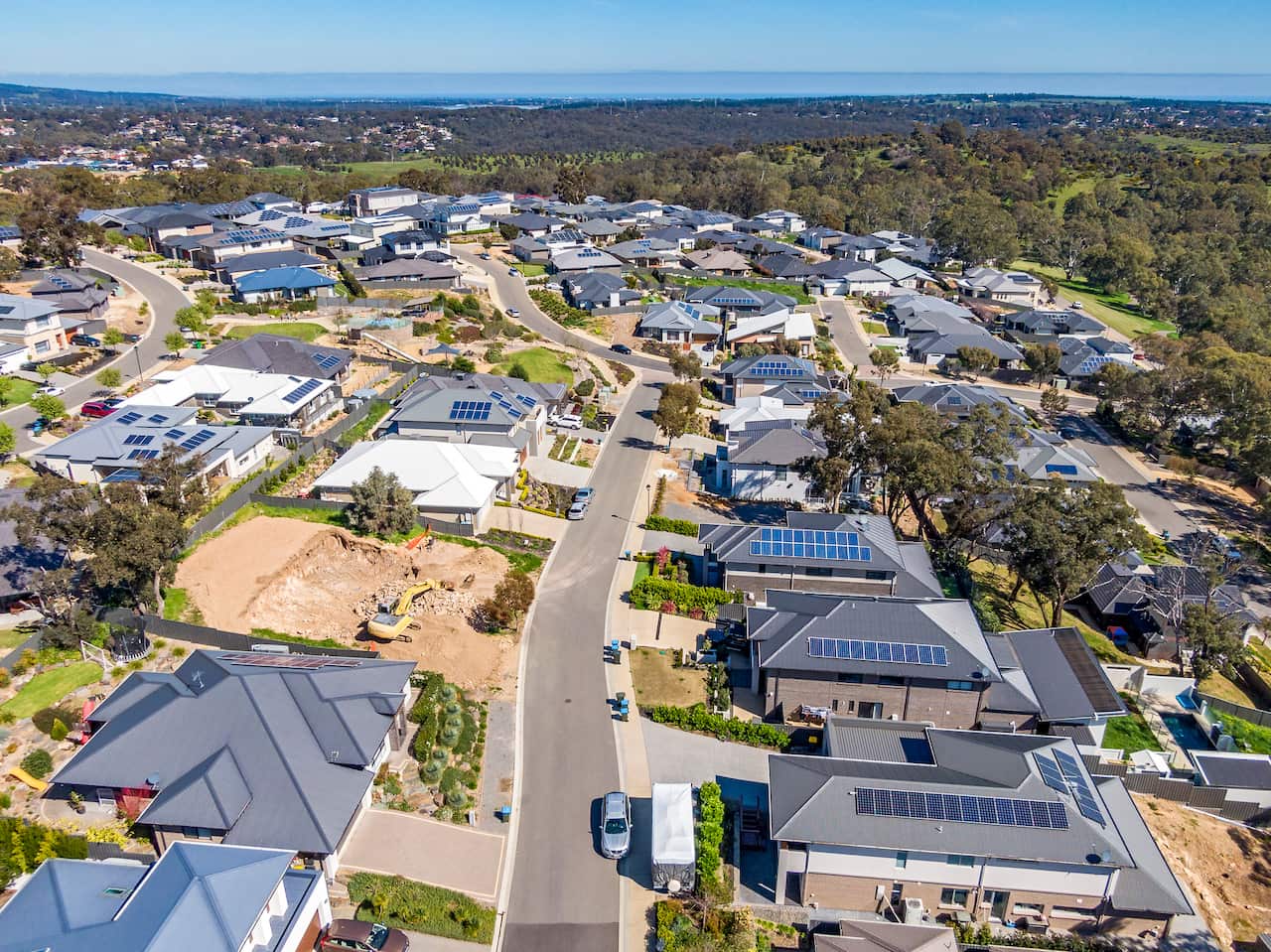
An average of roughly 145,000 new homes are completed in Australia each year, and yet affordability for low-income households continues to decline. This is because, Anglicare's analysis shows, many households, particularly those on income support or low wages, simply cannot afford market rents.
"Increasing the overall number of homes does not change this if those homes enter the market at prices that remain out of reach," Anglicare writes.
Policy shifts
For renters in work, the situation is not much better. In previous years, a family of four with two minimum wage incomes could afford more than a quarter of the rental properties on the market across the country.
Now, that figure has fallen to 14.8 per cent. For a single parent, that figure drops to 3 per cent. For a single person on the minimum wage, they can access just 0.56 per cent of the rental market.
The results suggest that the relationship between wages and rents has shifted, reducing the share of the market that is affordable to these households, Anglicare says.
It notes that Australia's housing system has not "come from nowhere", but has emerged thanks to policy decisions made over the previous two decades.
It argues that the capital gains tax (CGT) discount and negative gearing changes implemented by the Coalition government under John Howard in 1999 have "shaped the market over time".
"Rather than rewarding the provision of affordable rental housing, the system rewards capital growth," it said.
Capital gains tax going?
The government has flagged that it is looking to adjust CGT and negative gearing in the 12 May federal budget.
An emerging theme of the budget is the concept of "intergenerational fairness", something Treasurer Jim Chalmers mentioned in an interview with Channel Seven's Sunrise program on Thursday.
Major changes to CGT "appear locked in", according to the Commonwealth Bank of Australia's federal budget preview, which also said that negative gearing could be "scrapped" entirely.
"When we are only less than two weeks from the budget, there's always a lot of speculation, and I think this time around we haven't finished the budget yet", Chalmers said.
"Some of these sorts of deliberations haven't been concluded yet."
Anglicare says that changes to the tax system which "leave the underlying incentives in place" are "unlikely to shift behaviour in a meaningful way".
"The system is supporting asset accumulation among those already well placed, rather than expanding access to housing," it writes.
The Labor government have argued that housing affordability is primarily a supply-side issue and one that was ignored by the Coalition while it was in power.
Angus Taylor has positioned housing affordability and home ownership as his primary focus since he became leader of the Opposition in February.
Taylor has linked immigration and foreign ownership to unaffordability, arguing that lowering immigration is necessary to reduce demand in the market.
He has also previously claimed that he will fight any changes to negative gearing, arguing that it would be a "tax on houses" and warning "if you put a tax on houses, you'll get less houses".
"It’s an assault on the Australian dream. It’s an assault on aspiration," Taylor said about the potential tax reform.

"Right at the heart of the Australian dream is owning a home … but if you've got supply of housing going in the wrong direction, then that’s never going to be possible."
Chalmers responded to the remarks by saying that Taylor "had his entire life handed to him on a silver platter" and "wouldn’t know the first thing about the real aspirations of regular Australians".
According to Anglicare's analysis, more than half of the benefits of negative gearing flow to the top 25 per cent of earners in the country, who also enjoy over 80 per cent of the CGT discount benefits.
"Tax reform alone will not address the gap between incomes and rents," it writes.
"But it would change one of the key drivers shaping how the market operates, and influence how housing is valued and used over time".
For the latest from SBS News, download our app and subscribe to our newsletter.







