
IN BRIEF
- A small but growing number of Australian private aerial firefighting companies are now based in Europe every summer.
- Pilot Alex Pay from the NSW Hunter says his community in Greece are welcoming and appreciative of their work.
While most Australians in Europe are at the beach, NSW aerial firefighting pilot Alex Pay spends his long summer days at a Greek airbase, waiting for a call to action.
"When you get a fire call, you're gonna be airborne in 15 minutes," he told SBS News.
"So there's not a lot of time for nerves."
Once in the air, Pay can spend up to 10 hours supporting local authorities in Greece's fight against wildfires, which over the past week saw two pilots killed and hundreds of thousands forced to evacuate.
Pay, 31, works for a small but growing number of Australian private aerial firefighting companies based in Western Europe during this year's fire season, which is shaping up to be the continent's worst in record.
News that makes sense
Your trusted source for staying up-to-date with the world around you. Get free daily news updates and analysis, straight to your inbox.
It also comes as Australia's own looming El Niño threatens to turn up the heat on our own summer bushfire risk.
The 'Fire Boss'
Pay is a third-generation pilot with Pay's Air Service, which is based in the NSW Hunter Region.
"I remember as a kid flying with my dad to visit my grandparents," he told SBS News.
He pilots one of 14 aircraft his company has based throughout Greece for the summer. It’s his second season in the country, and the fifth overall for his company.
"The biggest thing is that we don't try to take risks," he said.
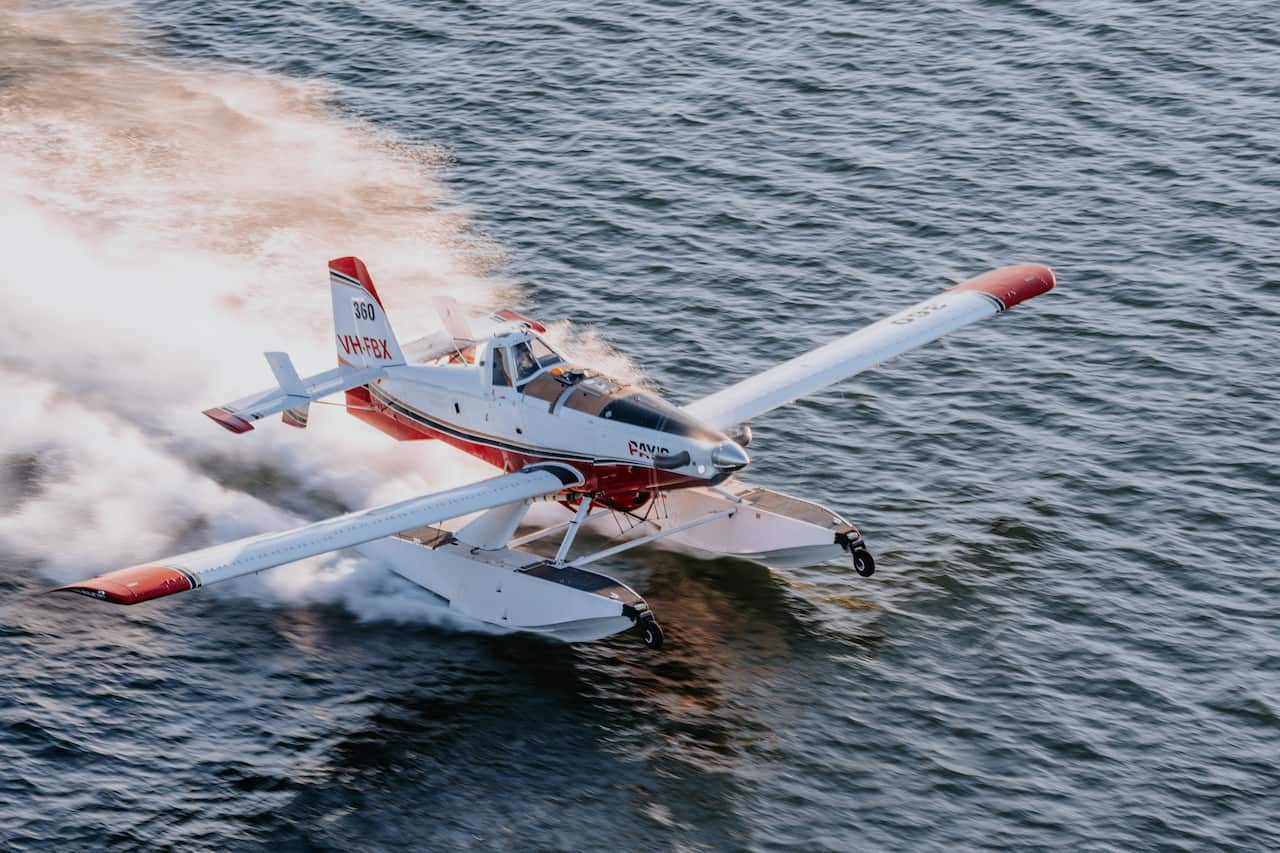
They fly a variant of the Air Tractor AT-802, nicknamed the "Fire Boss" — an amphibious aircraft that scoops water into a tank, or "hopper", controlled by a computerised fire gate that can be adjusted to match exact conditions.
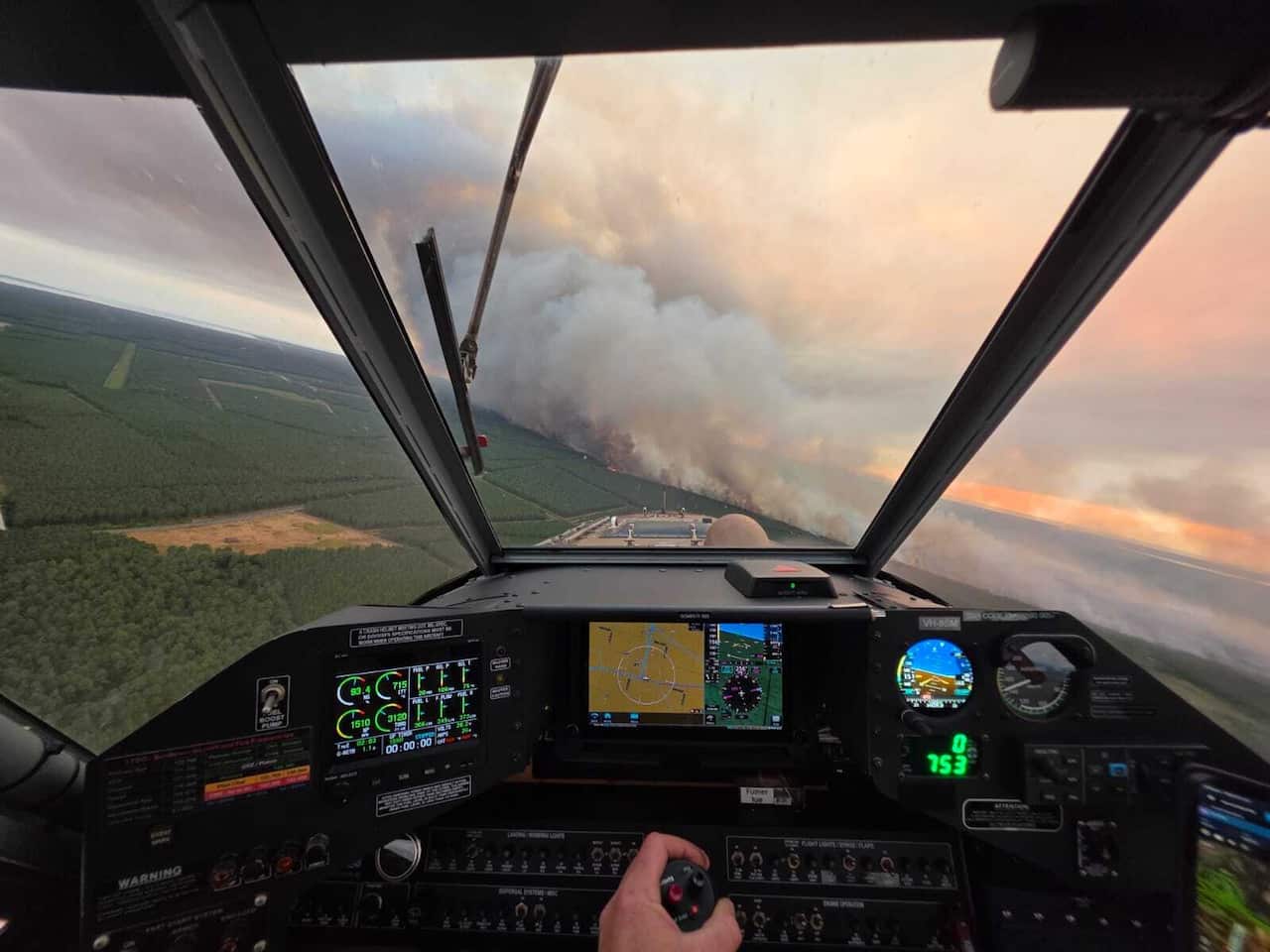
In Australia, there were around 130 certified firefighting aeroplane operators or individual pilots, with a further 186 helicopter operators in 2021, according to Australia's Civil Aviation Authority.
Andrew Mackay is from Ballarat-based Field Air Group, which also has planes stationed in Greece this summer supporting Pay's.
"We like to say in our industry that it's not the aircraft that put out the fires, it's the ground crew — we're merely a tool to assist them," he told SBS News.
He said pilots will often work on either side of the fire to create a "triangle or an arrowhead, so the fire comes to a point where the ground crew can then extinguish that".
Sometimes they will drop water or retardant directly onto a house under threat from a blaze.
"We spent a lot of time training and preparing scenarios that give us a good education on what we might see on the fire ground," Pay said.
Despite stringent safety procedures, accidents can still occur.
On Sunday, a Greek and a Danish national were killed after two helicopters collided while fighting a fire west of Athens.
The helicopters were leased from Australian company McDermott Aviation, which said in a statement it was "deeply saddened" by the tragedy.
In Australia, there were 32 aerial firefighting accidents between 2000 and 2023, causing six fatalities, according to the Australian Transport Safety Bureau.
'Hotter and drier than usual'
In Bordeaux, where tens of thousands of people were evacuated in recent wildfires, local authorities were supported by Adelaide-based Aerotech Group, which has four aircraft, six pilots and a ground crew in the southern French city.
It's their fourth year working in Bordeaux, and according to CEO Chris Boyd, the "most intense" to date.
"Basically, from the beginning of the season, it’s been busy … It's been hotter and drier than usual, and they've still got a lot more of the fire season to go," Boyd said.
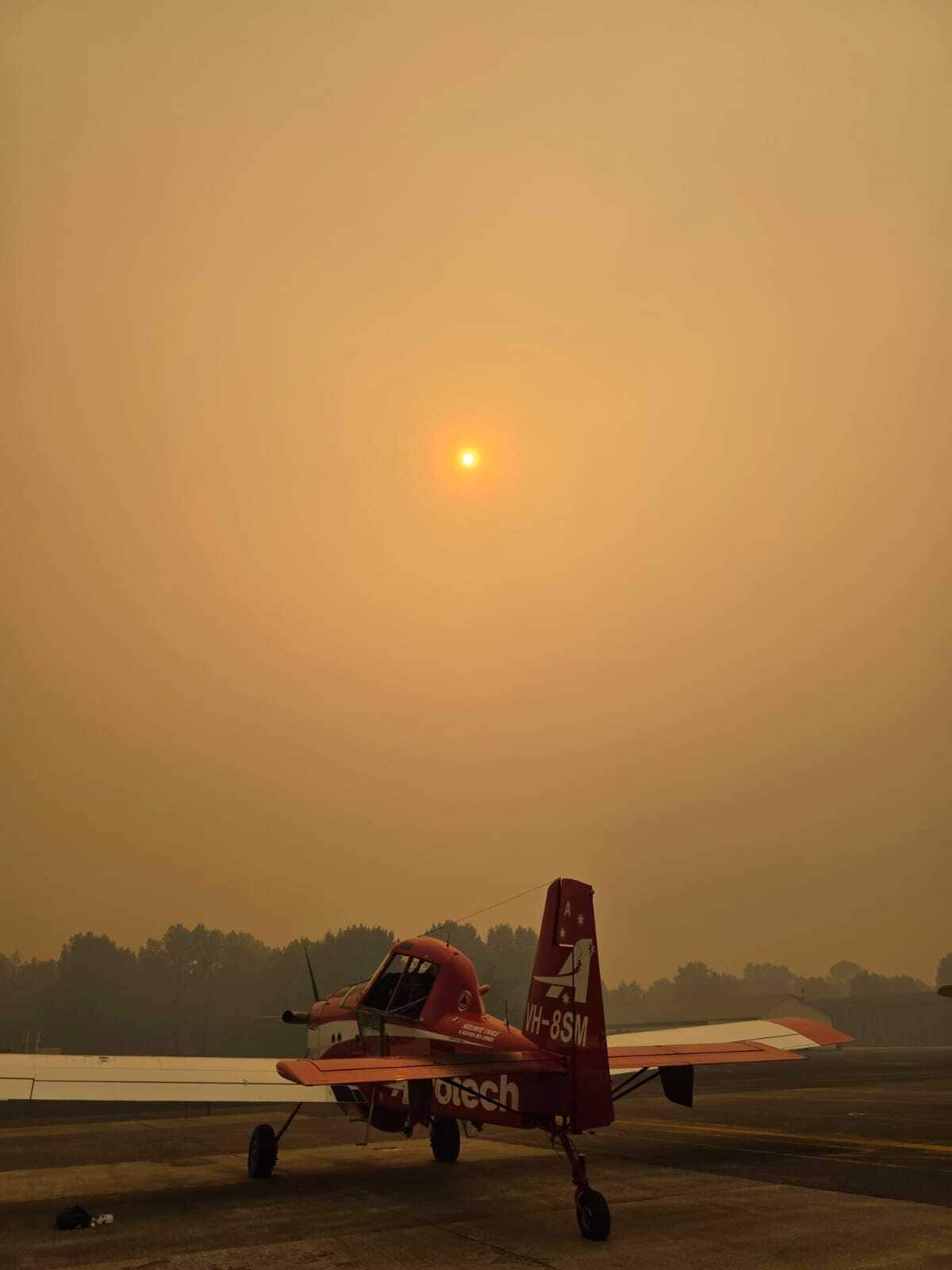
Like Pay’s, Aerotech started in agricultural aviation spraying crops, but these days 80 per cent of the company's work is in aerial firefighting — across Australia, Europe and Indonesia.
"The need for firefighting isn't going away," Boyd said.
He said the demand for Australian aerial firefighting in the northern hemisphere is driven by intensifying fire seasons in Europe.
Europe is warming faster than the rest of the world, according to the Copernicus Climate Change Service's European State of the Climate Report, which estimates the continent is warming by 0.56C per decade more than the global average.
Last year, 95 per cent of Europe saw above-average temperatures.
Another contributing factor is Europe's urban sprawl.
"We have more people out in the rural interface in areas that once upon a time ... would have burned and not been a problem," Boyd said.
'Happy to be here'
Former commissioner of Fire and Rescue NSW, Greg Mullins, said aerial firefighting is a "useful tool" but not without its challenges, especially as climate change makes fires more unpredictable.
"The textbooks are constantly being rewritten on fire behaviour," Mullins said.
Aerial firefighting aircraft can only fly during the day and are grounded during pyro-convective storms — when fires are so "intense they push up into the stratosphere and form a storm cloud from the smoke column".
"Every aircraft has to land because they are being knocked out of the sky," he said.
Still, Mullins said there's nothing quite like the sight of an aeroplane or helicopter when you're on the ground fighting a fire.
"When they come overhead, you go, 'Thank God!'" he said.
Despite the challenges, Pay said he loves being up in the air and "the freedom it brings with it".
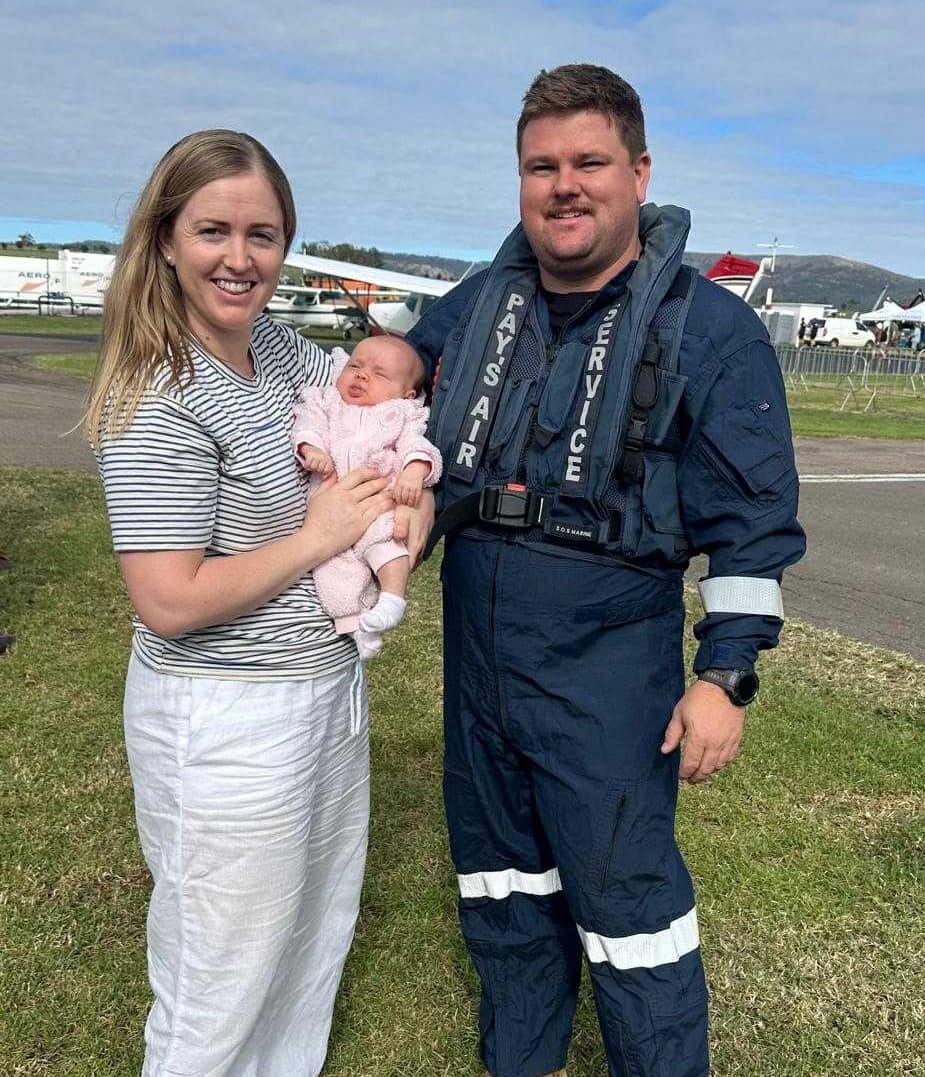
This season, Pay brought his wife and six-month-old daughter to stay with him in Greece, where he said his baby "is a hit" with the locals — especially the older generation.
"A lot of them would love her first word to be something Greek."
He said the local community are welcoming and often get to know the pilots as they return each year, bringing them food and inviting them to barbecues.
"When they realise what we're here to do, they're very appreciative and they're always coming up and saying thank you," Pay said.
"We're just happy to be here."
For the latest from SBS News, download our app and subscribe to our newsletter.







