IN BRIEF
- Overlapping fire seasons in the northern and southern hemispheres are driving competing demand for firefighting aircraft.
- The RFS says Australian aircraft operating overseas can be recalled at a "moment's notice".
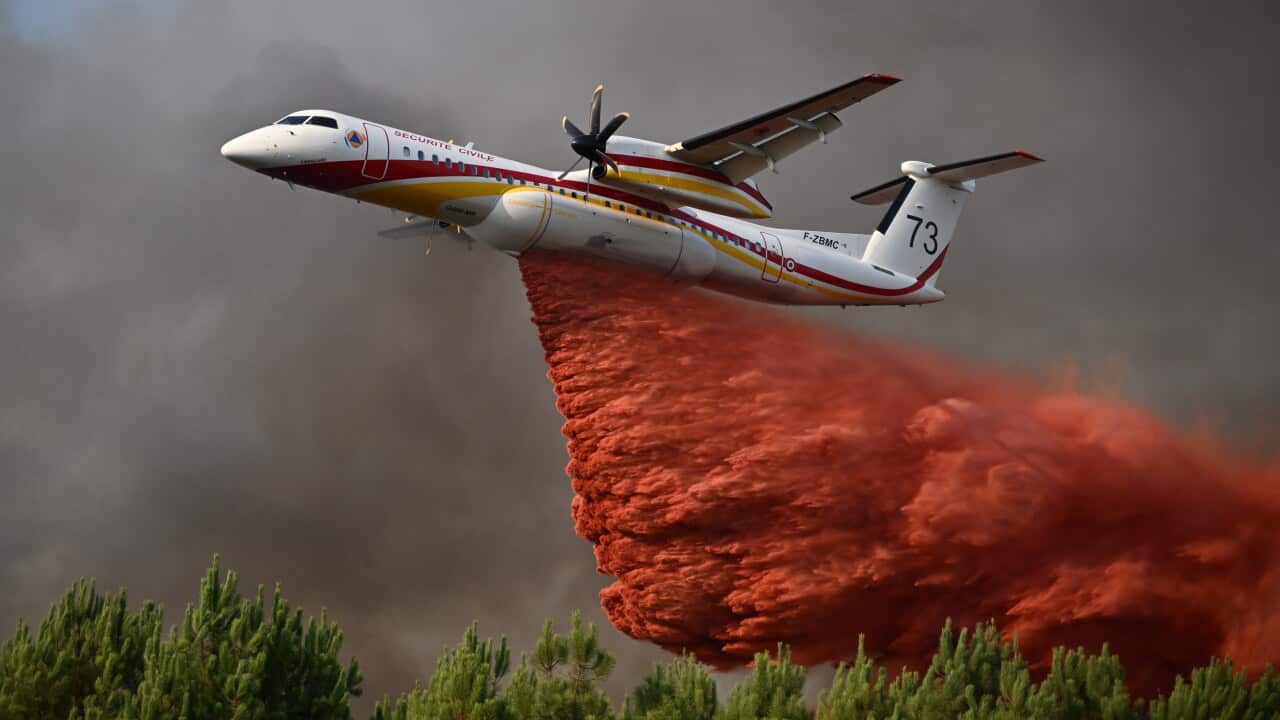
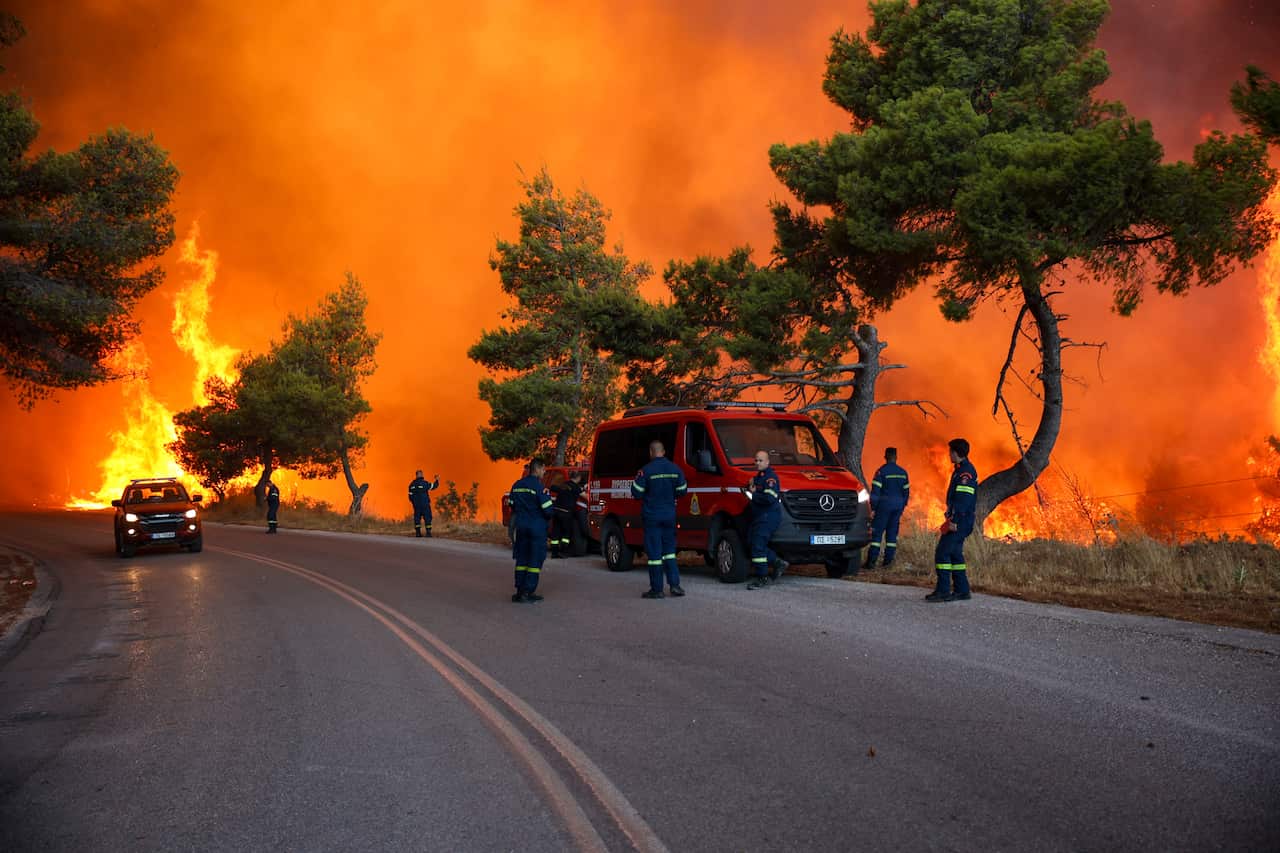
From Spain to Greece, Europe is grappling with unprecedented wildfires that have killed dozens and forced hundreds of thousands of people to evacuate.
Australia is sending help, with two helicopters and dozens of NSW Rural Fire Service (RFS) personnel deploying to France in what is the state service's first-ever firefighting secondment to Europe.
But as Australia sends firefighters and aircraft north, the country's own bushfire season is approaching, which could be worsened by a strengthening El Niño.
For decades, Australia has benefited from a system in which firefighting crews and specialised aircraft can move between the Northern and Southern Hemispheres as fire seasons change.
Climate change is making those seasons longer and increasingly overlap, raising a question that could become increasingly important for Australia: what happens when everyone needs the same aircraft at the same time?
News that makes sense
Your trusted source for staying up-to-date with the world around you. Get free daily news updates and analysis, straight to your inbox.
A global firefighting squeeze
The exchange of firefighting crews and aircraft between hemispheres is nothing new.
The RFS has been sending firefighters to North America for decades, with Canada and the United States returning the favour during Australia's summers.
But the timing of fire seasons is changing.
Trent Penman, who leads the FLARE Wildfire Research group at the University of Melbourne, said Australia risks competing for aerial firefighting assets as the Northern and Southern Hemisphere fire seasons increasingly overlap.
"It's a risk that's already been realised both here in Australia and also in North America," he told SBS News.
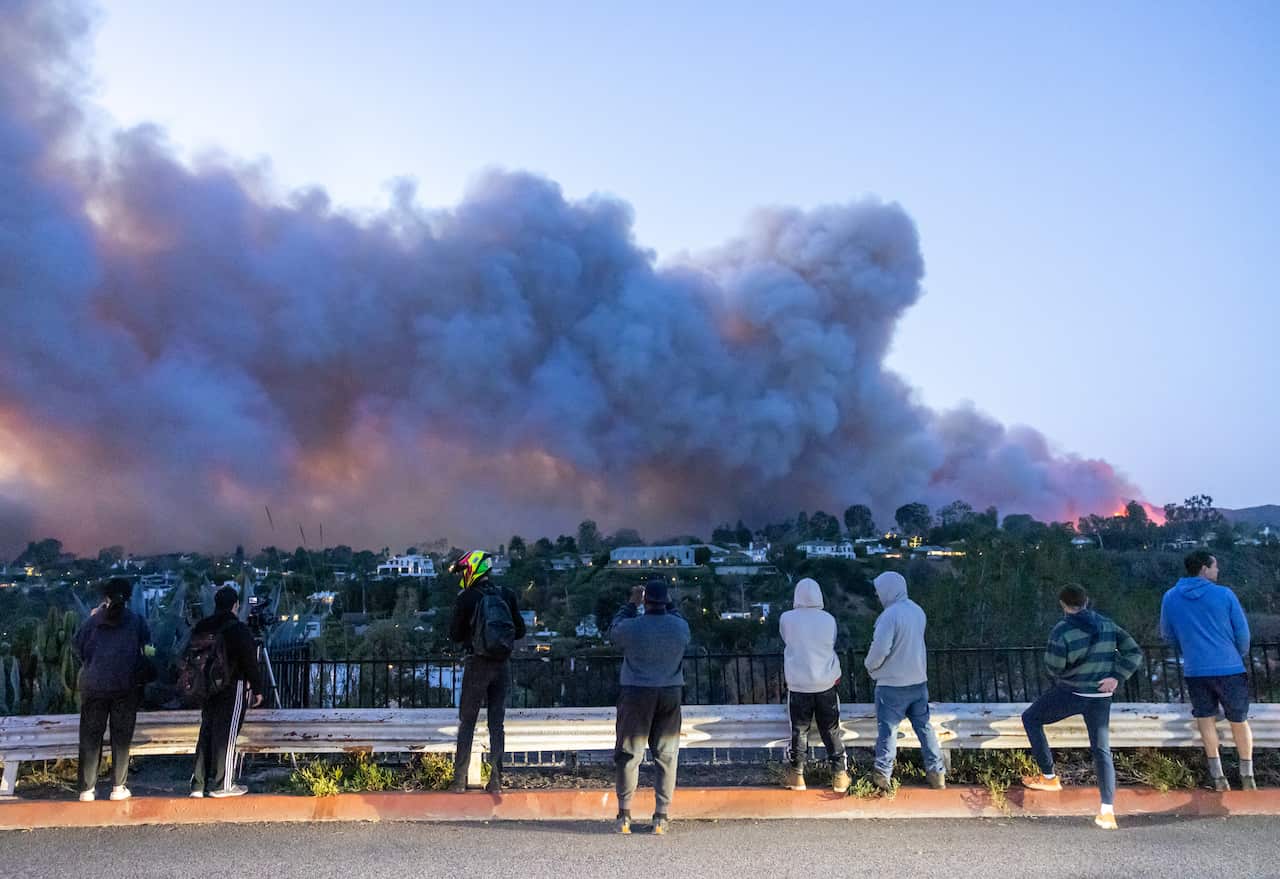
He pointed to the southern California fires in January last year, which killed 30 people and destroyed 16,000 structures during the height of Australia's summer.
The prevalence and timing of fires in Australia had also changed, he said.
The bushfire season has traditionally followed a relatively predictable pattern, with early-season blazes in southern Queensland, while southern NSW and Victoria experienced fires later in the season.
"Now we're seeing fires starting earlier, but starting earlier in different areas as well," he said.
"We rely very heavily on volunteers in Australia, and so it is really stretching the capacity of our resources."
The same pressures are being felt in the Northern Hemisphere.
John Boag, CEO of Avincis, Europe's largest aerial emergency services firm, warned Europe is not prepared for longer and more extreme wildfire seasons, with firefighting aircraft increasingly needed almost year-round.
"Globally, fire seasons are getting longer, aircraft are not moving between areas and pilots are becoming harder and harder to get," Boag told Reuters.
That creates a potential problem for countries such as Australia, which have historically benefited from being able to draw on the same pool of specialised aircraft at different times of the year.
How Australia's system works
Australia's bushfire response is primarily a state and territory responsibility, with each fire service directing aircraft during fires.
Its aerial firefighting capability is a patchwork of government-owned aircraft and privately operated aircraft contracted for firefighting.
The National Aerial Firefighting Centre (NAFC) coordinates the procurement of firefighting aircraft, while the federal government helps fund and coordinate the national capability.
For the 2025-26 bushfire season, NAFC contracted 175 aircraft on behalf of the states and territories.
The fleet is supplemented by aircraft that are contracted on a "call when needed" basis. During peak demand, approximately 250 aircraft can be made available for firefighting across Australia.
In a statement, NAFC said it closely monitors international shoulder seasons for supply chain issues, and noted that contracts are designed so equipment must be returned to Australia at a set date.
"NAFC and fire agency chiefs plan long term for resourcing, both five years ahead for the core fleet and up to a year ahead for the approaching summer's additional needs."
But a spokesperson also acknowledged that increased demand for aircraft can significantly drive up costs.
"With changing fire seasons globally and demand for the larger resources growing, this previously successful strategy will be challenged in future years," the spokesperson said.
RFS Commissioner Trent Curtin told SBS News NSW had 13 state-owned aircraft, supplemented by a further 20 aircraft contracted for the NSW bushfire season.
Some of those aircraft are currently operating in North America, while others are heading to Europe, but he said they could be recalled back to Australia at a "moment's notice".
"We've made sure that we've got a resilient system of resources, including our aircraft, to make sure that we can protect New South Wales communities in the event we see large seasons overseas," he said.
The federal government also funds and operates two planes and three helicopters.
The national fleet includes both fixed-wing and rotary-wing aircraft, ranging from large aircraft used for firebombing and crew transport to smaller assets used for command and control, mapping and aerial ignition.
According to NAFC, 95 per cent of the emergency aviation fleet is Australian-owned and registered, using Australian-based crews, airbases and maintenance facilities.
But Australian ownership does not necessarily mean government ownership, nor does it mean an aircraft is permanently committed to Australian firefighting.
Some specialised aircraft and their crews operate internationally, moving between the Northern and Southern Hemispheres as fire seasons change.
Tragically, two crew members were killed after two helicopters – leased by an Australian company — collided midair while battling wildfires in Greece on Sunday.
A warning from Black Summer
A key recommendation of the Royal Commission into the Black Summer bushfires of 2019–20 was the creation of a sovereign aerial firefighting fleet.
In its National Aerial Firefighting Strategy, NAFC warned that Australian fire services were operating in an "escalating risk environment" with increasing demand for aerial assets.
"Globally, fire seasons are getting longer and more severe. In some areas the fire season is increasingly a year-long campaign," the 2021 report said.
NAFC specifically warned that aircraft sourced from North America could become less available to Australia.
The agency also noted that global fire seasons could stretch from four or five months to as long as eight — a shift that could potentially change the cost-benefit case for leasing versus owning aircraft, though more analysis was needed.
In September last year, Emergency Management Minister Kristy McBain was asked directly about the Royal Commission's recommendation and whether the failure to establish a nationally owned fleet left Australians vulnerable.
She responded the national fleet remained "under review" and there had been significant investment in Australia's aerial firefighting capabilities since 2022.
In response to questions from SBS News, a federal government spokesperson said it recognised overlapping demand had the potential to put more pressure on aerial firefighting resources.
"That understanding contributes to an Australian aerial firefighting environment that is constantly monitoring and evolving to meet requirements," they said.
"We have invested significantly in strengthening Australia's national aerial firefighting capability, including providing an extra $35 million over two years from 2024, in addition to the existing $31 million annual investment in the national aerial firefighting fleet."
Can Australia reduce its reliance on aircraft?
Dr Marta Yebra, director of the Bushfire Research Centre of Excellence, said Australia should no longer assume it would always have access to shared international firefighting resources.
"There is far more investment in reactive response to natural disasters, but very little in prevention and preparation," she told SBS News.
"If we try to do our best to prevent those fires from happening in the first instance, we may be alright with the resources we already have."
Advancements in autonomous drone technology could be part of the answer, being able to fly in conditions that are too dangerous for crewed aircraft or at night, with the potential to detect and extinguish fires before they become catastrophic.
"Autonomous vehicles that can get to those areas at times where a conventional crew aircraft cannot fly for safety reasons is, I think, a game changer," she said.
Penman echoed that sentiment, noting many of the losses during Black Summer occurred when aircraft could not be in the air.
"We need to shift our focus away from once the fire starts to before the fire starts," he said.
"Making sure we build in appropriate places, making sure people that are at risk have prepared themselves and their property for what to do in the range of fires that could be, ensuring all our systems around health, around education, our emergency response are all ready to take action."
For the latest from SBS News, download our app and subscribe to our newsletter.







