
This audio is voiced by AI and may occasionally mispronounce words.
Share your feedback and help us improve this feature. Read more about how we use AI at SBS here.
There are many ways to measure a video game's success. Sales, reviews, awards. But how many can lay claim to breaking the internet?
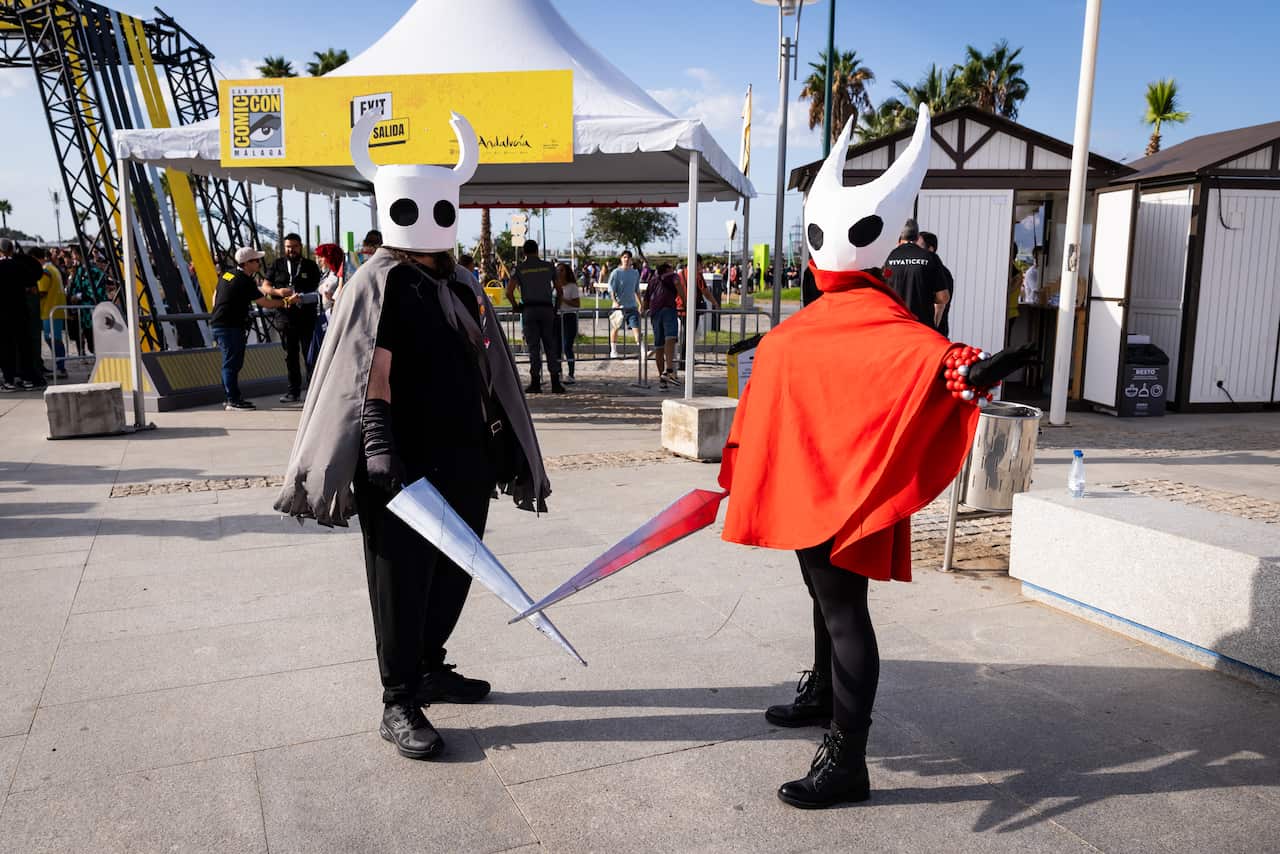
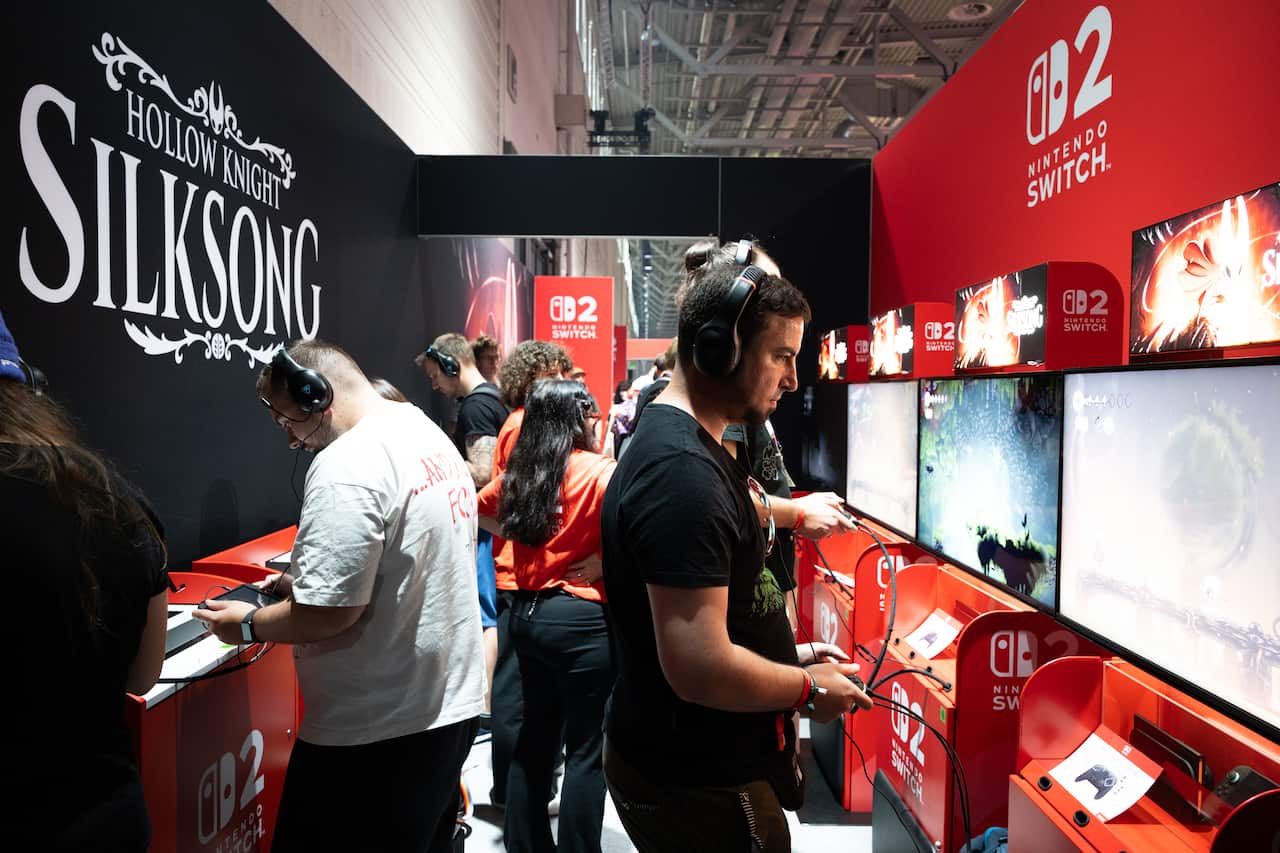
In September, digital storefronts including Steam, Nintendo's eShop, the PlayStation Store and the Microsoft Store reportedly experienced outages amid a surge in demand for a single title — Hollow Knight: Silksong.
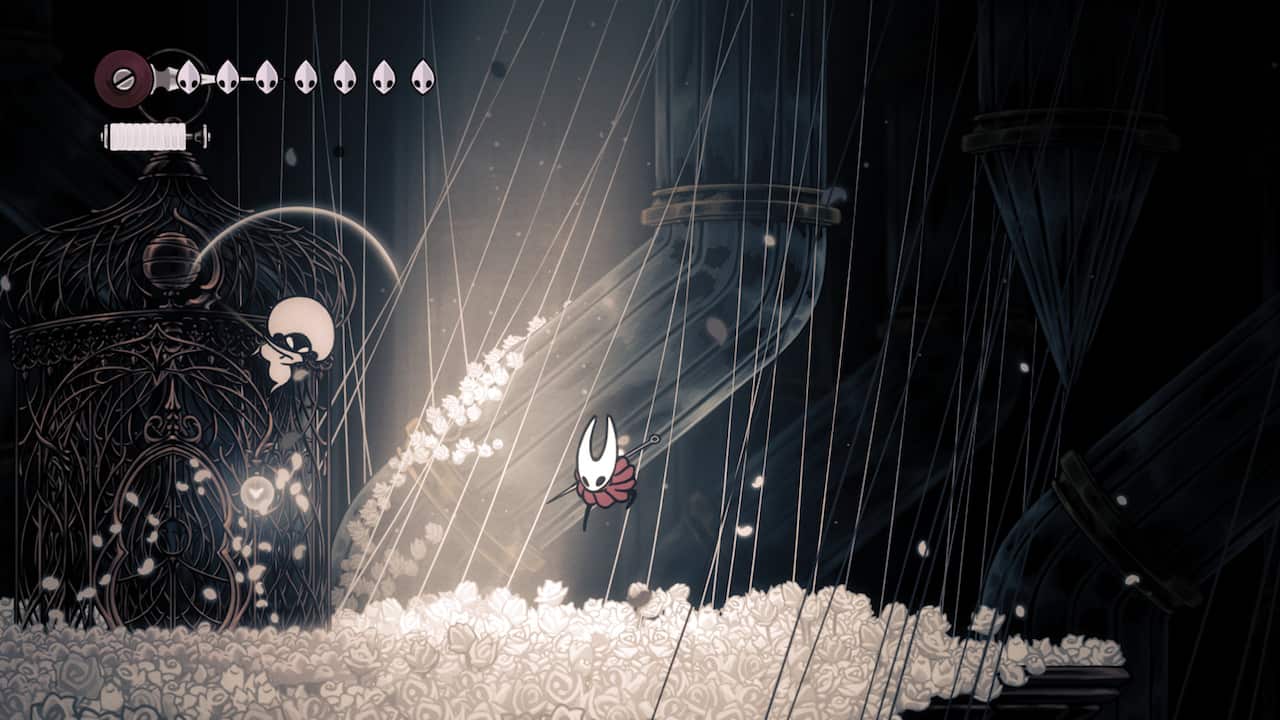
In the adventure game, players control an insect-like creature, exploring a vast, interconnected world of decaying ruins, leaping across platforms and fighting hostile creatures.
So why the hype?
Silksong is a sequel to Hollow Knight, released in 2017 by Team Cherry, a three-person independent studio based in Adelaide.
News that makes sense
Your trusted source for staying up-to-date with the world around you. Get free daily news updates and analysis, straight to your inbox.
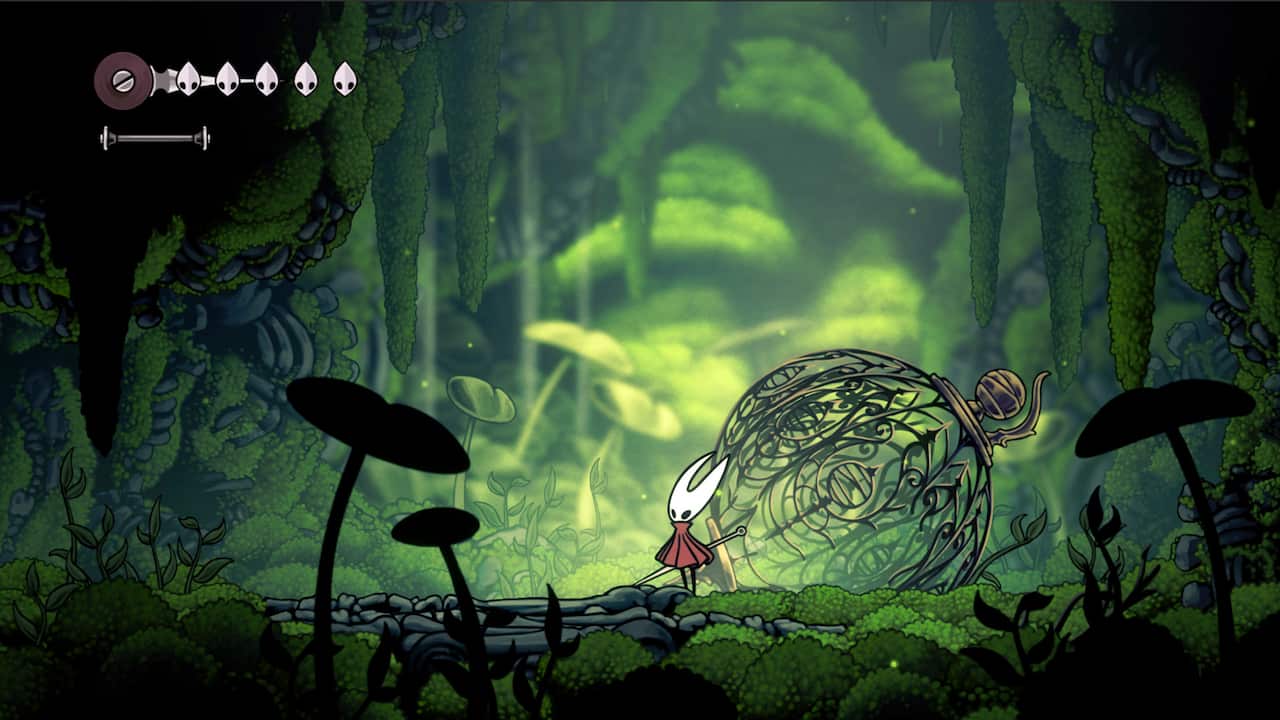
The original was a phenomenon, earning praise for its deep world-building, stunning hand-drawn backgrounds, atmospheric soundtrack and rewarding gameplay. It won several awards and spawned an obsessive fan base.
The road to its follow-up was long. After its developers announced in 2019 that work on Silksong had begun, updates became scant.
Its eventual release was announced with just two weeks' notice last year, catching fans and competitors off guard. Several developers reportedly delayed their own releases to avoid being overshadowed.
Team Cherry explained the simple reason behind the wait last year.
"We've been having fun," co-founder Ari Gibson told Bloomberg.
"It was never stuck or anything. It was always progressing. It's just the case that we're a small team, and games take a lot of time."
By the end of 2025, Silksong had sold more than seven million copies worldwide, won Best Action/Adventure Game at the prestigious Game Awards in the US — often dubbed the 'Oscars of gaming' — and received multiple additional nominations.
While Hollow Knight and Silksong are arguably Australia's most successful gaming exports in recent years, they're not the only ones. In the two decades since the country's game industry faced near-collapse, several independent studios have found huge success.
So how did we get here — and how can it be sustained?
From bust to boom
In the early 2000s, Australian developers worked on several 'AAA' (big-budget) games — often developed by large teams and released by international companies. They were partly driven by overseas studios setting up Australian subsidiaries to help handle growing production demands.
In 2007, with the global financial crisis (GFC) looming, warning bells began to ring. Over the next few years, several international companies — including Pandemic Studios, THQ and Electronic Arts' Visceral Games — shut down their Australian operations, citing economic pressures, high operating costs, and more attractive tax incentives overseas.
There were other issues. The Sydney-based Team Bondi developed the critically acclaimed LA Noire, released by Grand Theft Auto publisher Rockstar Games. But Team Bondi was embroiled in controversy, with allegations of poor working conditions.
Team Bondi entered administration and was later liquidated in 2011, owing more than $1.4 million to creditors, with unpaid wages and bonuses making up the bulk of the debt.
Brendan McNamara, the former studio head of Team Bondi, said in a 2012 interview his team often worked long hours under pressure but the studio paid "over the odds".
By the mid-2010s, the landscape was severely diminished. In its place, smaller, scrappy teams started to emerge — many founded by developers who had cut their teeth in bigger companies.
Ed Orman, Andrew James and Ryan Lancaster are three such veterans. They held senior positions at 2K Australia (originally Irrational Australia, a subsidiary of American developer Irrational Games) and worked on major titles like BioShock and Fallout Tactics before striking out on their own in 2011.
They were encouraged by a burgeoning mobile games industry — an arena in which Australian developers found major success, with titles like Halfbrick Studios' Fruit Ninja or Hipster Whale's Crossy Road.
The trio's studio, Uppercut, released its first game in 2011, the post-apocalyptic mobile shooter Epoch. They've been "leapfrogging" since.
"The first project we did was three of us. The next project was six, and then eight, and then 16. We've just grown and grown and grown," Orman says.
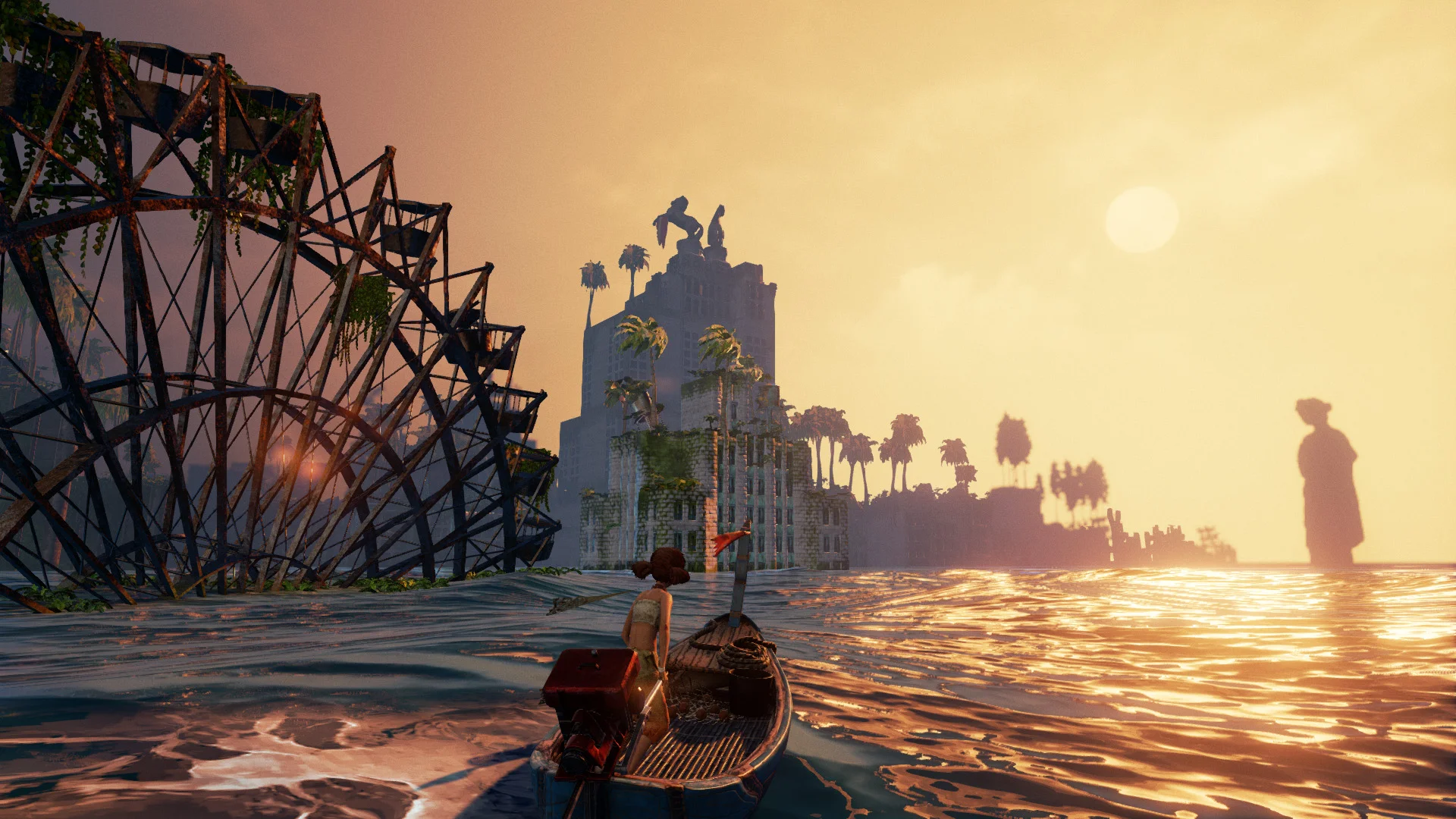
The studio is best known for 2015's Submerged and its 2020 sequel, Submerged: Hidden Depths; games that focus on exploration of the player's environment rather than combat.
Orman says that while managing a company can be stressful, it is also "certainly very liberating to be able to go and just do your own thing".
"The AAA background, having those big studios, was, I think, always a real benefit to Australia. It's a great place for people to go into the industry and learn an awful lot about how to make games. We certainly took a lot of it away when we started out," he says.
The latest industry snapshot from the Interactive Games and Entertainment Association (IGEA), Australia's peak association for the video games industry, released in March, found Australian video game studios generated more than $608 million in revenue in the 2025 financial year.
Chief executive of IGEA Ron Curry says it shows "we've always punched above our weight".
Particularly if you go pre-GFC, we knew there were a lot of studios in Australia. They were global studios, international studios, but they were staffed by Australians who did fantastic work.
When the lights went out, Curry says developers were forced to experiment, and in doing so, found creative freedom.
"If we go back to around the GFC, there was a lot of the same in the industry. There was a lot of sameness globally. It really allowed the world to see Australians as being really creative and bringing their unique talent to the world."
The power of being different
Many of Australia's most successful recent games lean into that distinctiveness, often subverting traditional gameplay conventions.
Take 2019's Untitled Goose Game, by Melbourne indie studio House House.
It takes the stealth elements from more violent games like Hitman or Metal Gear Solid, but situates them within a more novel premise: you are a goose in the village, and you are out to cause as much chaos as possible.
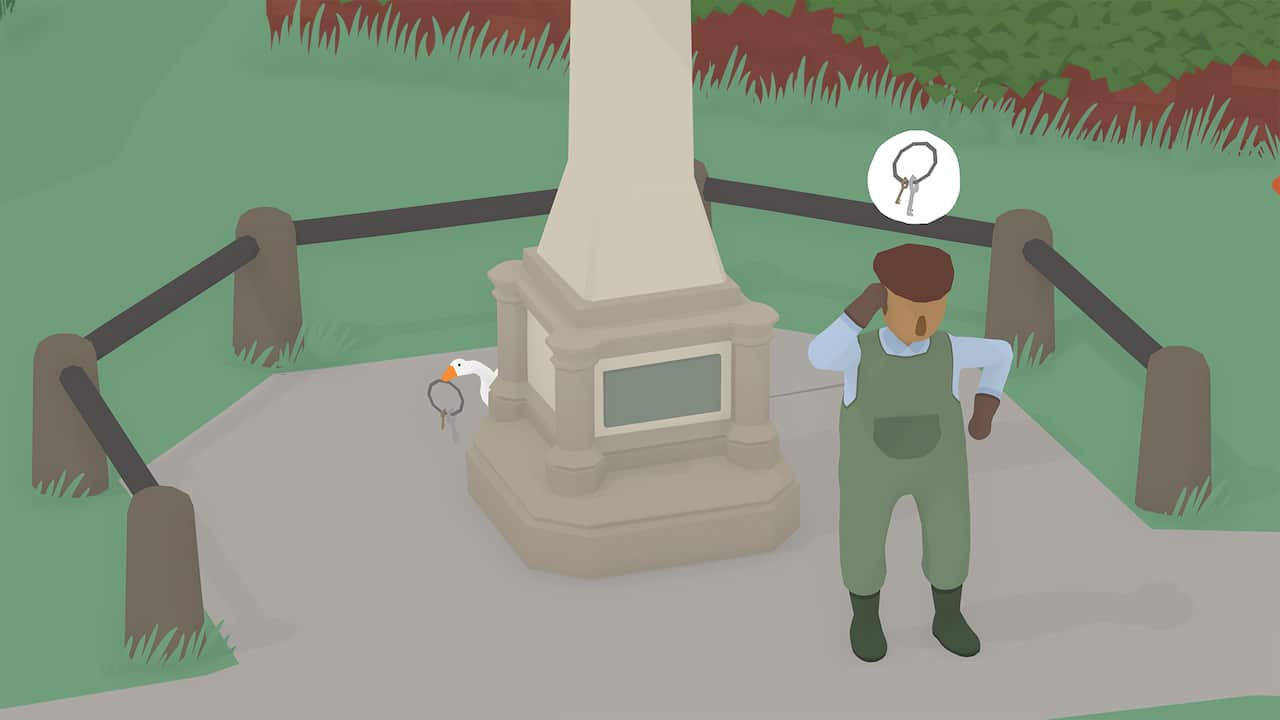
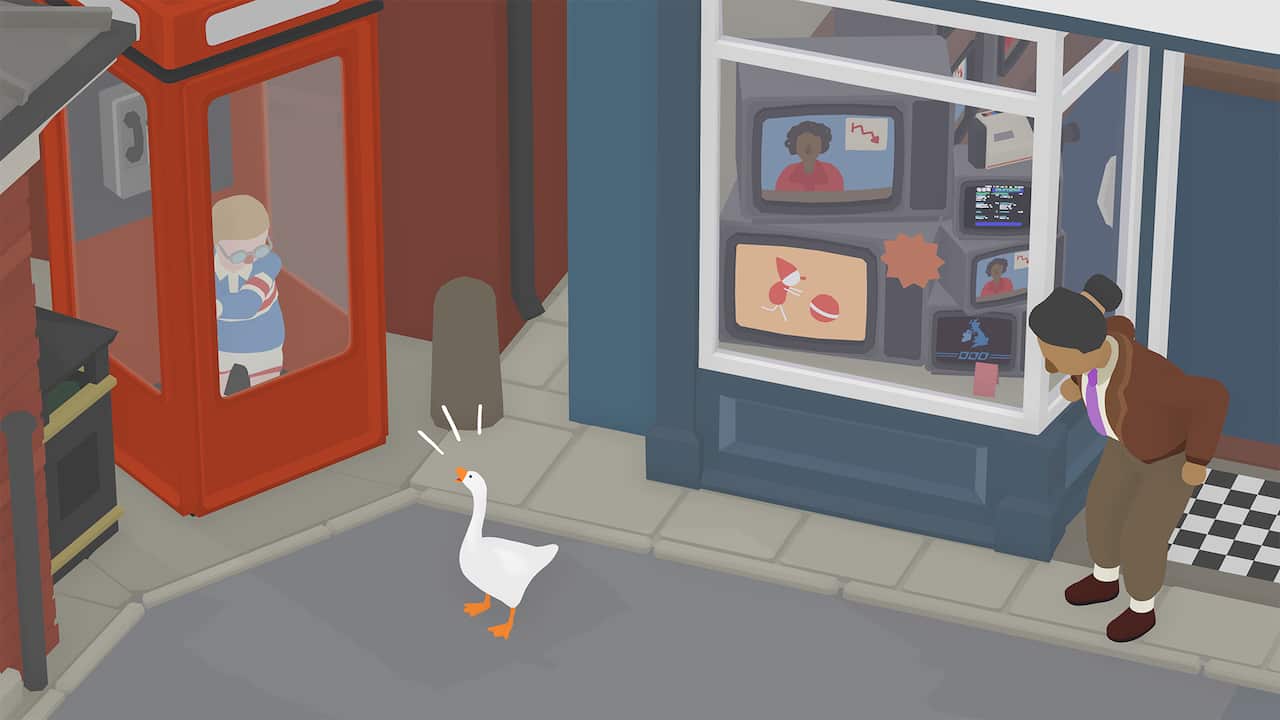
Sometimes that means sneaking into a farmer's garden and turning on the sprinklers. Sometimes it's stealing food for a picnic, or trapping a child in a phone booth. Often, it involves honking.
The game sold one million copies within its first three months.
Six years on, House House is working on its next project, Big Walk, a multiplayer game in which a group of friends explore an open-world environment and cooperatively solve puzzles.
Unpacking is another game that ditches typical conventions. The 2021 "zen puzzle" game, developed by Brisbane's Witch Beam Studios, tells the story of an unseen protagonist through the act of' unpacking her belongings into new homes over the course of a decade. There are no timers, no points to score and no fail states'. When you finish placing one box's items, you move on to the next.
Lead designer Wren Brier drew inspiration from her own life, especially the experience of unpacking when her partner, Witch Beam co-director Tim Dawson, moved in.
"You take things out of a box, and then once the box is empty, you unlock the box underneath," she says.
"We were tightly packing items into small spaces, arranging things neatly. Something about that felt very game-like.
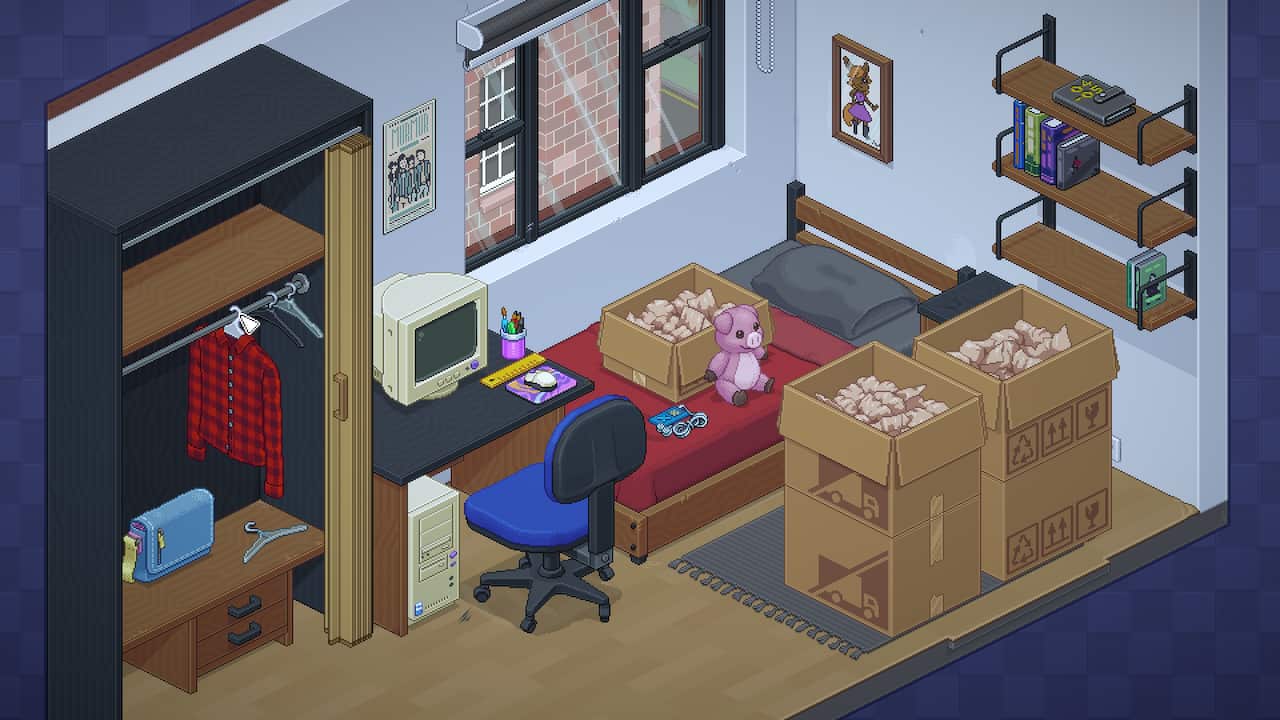
"From the beginning, there was also this thought that you can tell a lot about someone from the items that they own."
Brier had previously worked with Halfbrick Studios (makers of Fruit Ninja and Jetpack Joyride) and as a freelancer when she and Dawson started developing Unpacking as a 'side project.'
From those pixel-sized origins grew something neither expected. In 2018, the pair attended Stugan — a non-profit game accelerator program in Sweden.
"You go to Sweden in the summer to chill out in a cabin in the woods for two months and work on your dream game," Brier says.
Back in Australia, Brier initially assumed the project might end there. But the internet had other plans — an animated GIF of a prototype developed in Sweden went viral on Twitter (now X). Screen Queensland agency encouraged the pair to apply for their grants program and publishers started reaching out.
A $50,000 grant enabled the hiring of a part-time pixel artist, while Witch Beam composer Jeff van Dyck joined to develop the game's music and sound. It became the studio's next project, helping to fund it with "modest" earnings from previous games.
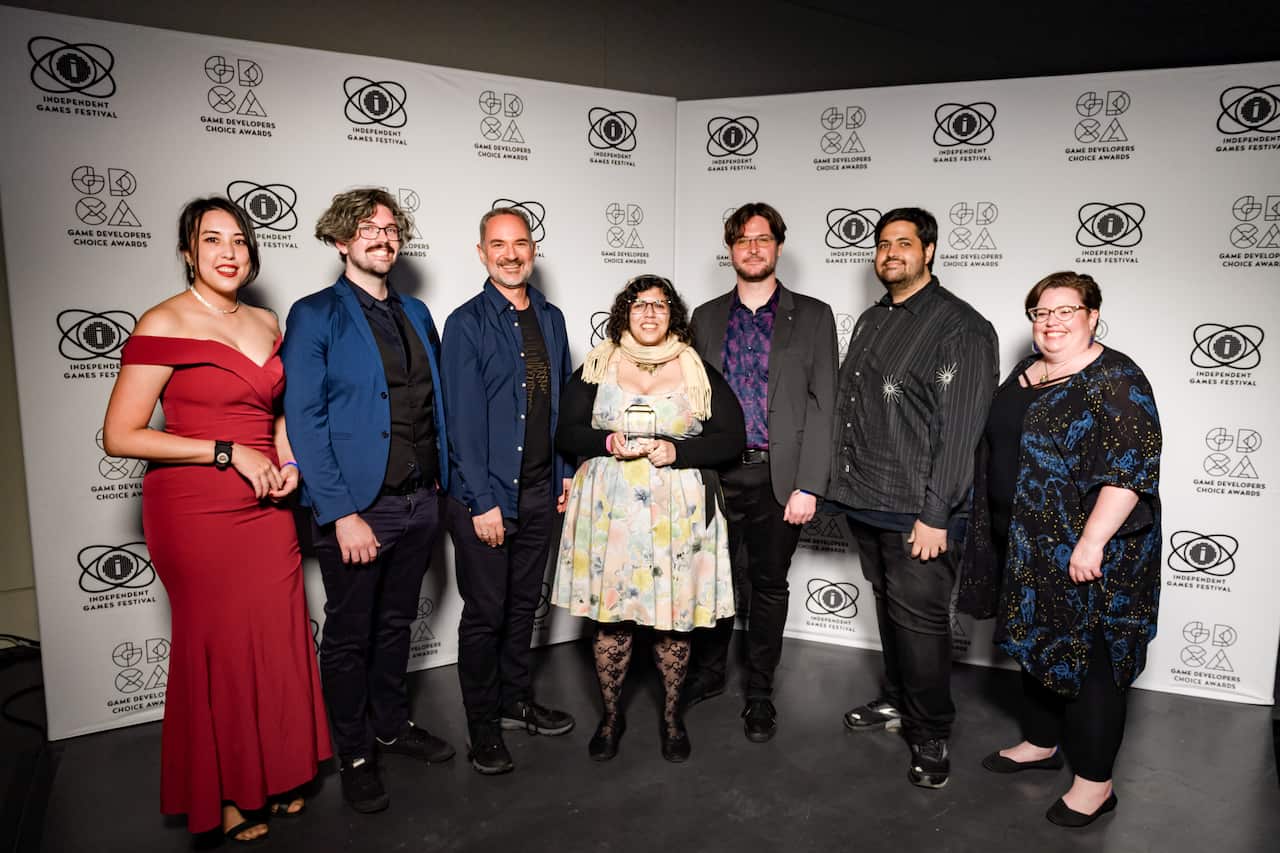
They spent three years working on the game and trying to sustain the momentum they had built. It sold 100,000 copies within 10 days and one million by the end of its first year. It was widely acclaimed, named one of the best video games of 2021 by The New Yorker and won several awards both in Australia and overseas, including two BAFTAs.
"It was honestly unbelievable," Brier says.
"We were really blown away."
As with Hollow Knight, the vast majority of sales for games like Untitled Goose Game and Unpacking come from outside Australia. Their success underscores a key reality: the local industry is small, but its audience is global.
Curry says that is no coincidence.
There's a real appetite for really good, different, unique, independent games globally.
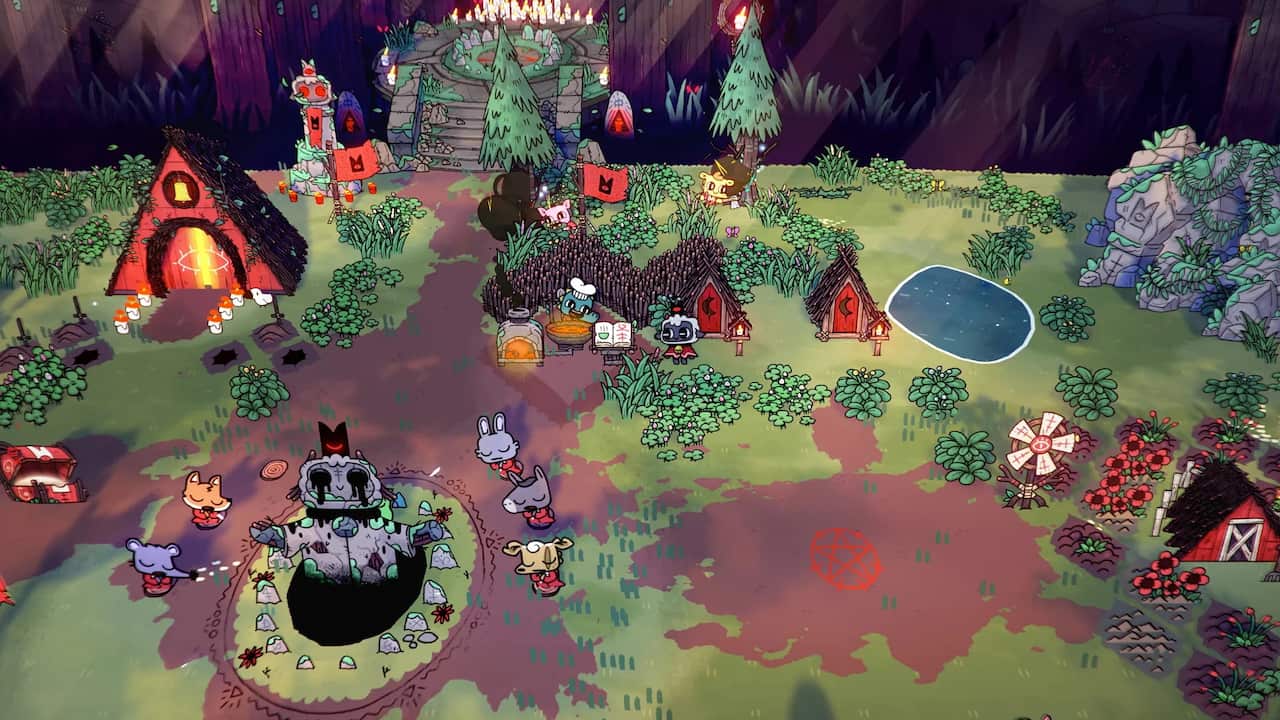
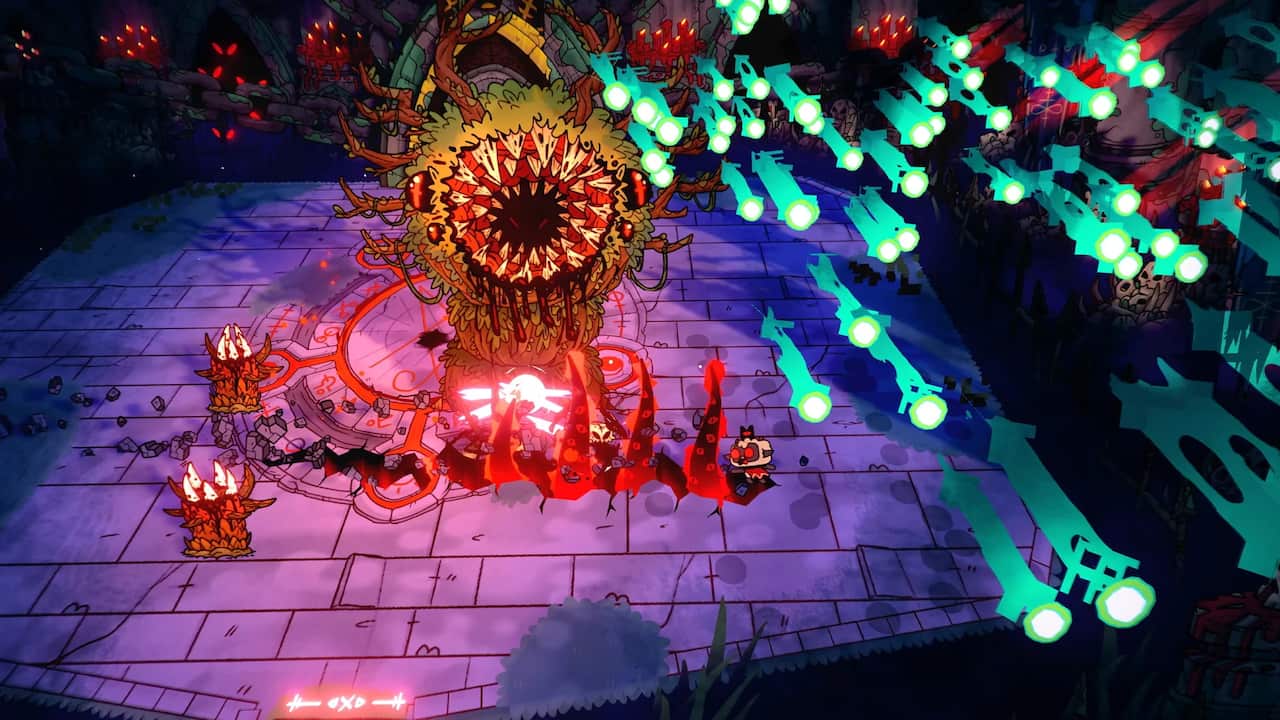
Julian Wilton is very aware of that fact. He's one of the directors of Melbourne-based studio Massive Monster, the team behind 2022's Cult of the Lamb that blends dungeon-crawling action with cult management, pairing dark, demonic themes with a deceptively cute art style.
Published by Texas-based Devolver Digital — widely regarded as one of the leading publishers in the world for indie games — the title has sold seven million copies as of March 2026. PC Gamer magazine reported the game had brought in US$90 million ($130 million) in revenue by April last year.
It’s been supported with updates and downloadable content, including the expansion Woolhaven released in January. Over that period, Massive Monster has grown from a team of three to around 20 staff.
"We've spent the last three, four years just supporting the game," Wilton says. "That's been really nice because we can give back to people that love it so much."
Wilton says he and his co-directors were "figuring it out as we went" while making Cult — the studio's third title. It was "surreal" when it became clear how strongly players were responding to it.
"I think we had recouped [costs] by the time we had launched the game, just on pre-orders. So, a pretty 'change-your-life' moment. We were like, 'What the hell?'"
Like Curry, Wilton says there's something unique about Australia's game scene — something he partially attributes to growing financial support at both state and federal levels.
"There's a lot of support here for developers, which means that people take a lot more risks. I think people make something a bit crazier," Wilton says.
As a result, Wilton says Australia's industry is filled with games that have strong, distinct personalities.
"I think that's probably our biggest strength, leaning on those IPs. How do we build those brands? If you think of other exports, like Bluey, I think the Australian game industry is going more and more towards that with all these breakthrough games."

Curry says that for a long time, developers were pushing against the tide.
"For many years, we didn't have any government support," he says.
"You'd go to any other developed country globally, and there was support for games similar to the support that was available for film, and we never had it here.
Over the last few years, at least four or five years, that support has increased.
In 2023, the Digital Games Tax Offset (DGTO) was introduced, allowing eligible companies to claim 30 per cent of qualifying Australian development expenditure.
In Victoria, NSW, Queensland and South Australia, eligible developers can receive rebates of around 10 to 15 per cent of their expenditure in that state, typically administered through that state's screen agency.
Victoria is widely considered to offer the most generous incentives, reflected in the fact that it houses the majority of Australia's studios and developers. Wilton himself moved from Sydney to Melbourne to take advantage of that support.
He says Cult of the Lamb received around $40,000 in funding — a fairly modest amount, "but at the time, we had nothing".
"We used it to polish up a really nice pitch package we could send to publishers, get a nice trailer and just pay our musician a little bit. So it went a really long way."
Wilton says it's encouraging to see other states starting to catch up in recent years, and, combined with federal support, that is making Australia a "very compelling" place to build games.
"We have people in the United Kingdom as well, but because of things like the digital games tax offset, we're encouraged to put a lot more resources in Australia, specifically Melbourne, because of the local incentives here."
The gaps that remain
Despite these strides, Orman acknowledges there's likely some "survivorship bias" in the success stories that break through — for every hit, many projects fail to find an audience.
Several states and territories are still lagging in the level of support they offer. And even with recent reforms, funding for games in Australia remains significantly lower than for other screen industries such as film and television.
"They still don't consider games as important as the other parts of the screen industry," Curry says.
Curry also points to what he calls the "'missing middle"' — companies that have experienced initial success and are trying to scale up.
While Wilton supports the DGTO, he notes that the minimum expenditure threshold of $500,000 can be prohibitive. Massive Monster's first two games were made with a "couple hundred thousand [dollars]" each.
"So it's more set up for bigger companies. We can take advantage of it, but even us, sometimes … we've got to spend a bit more money to make sure we're hitting thresholds on certain things," he says.
"I think the state-level incentives are kind of similar. I think they want the big AAA companies to come set something up down here. [That] is probably how it's positioned."
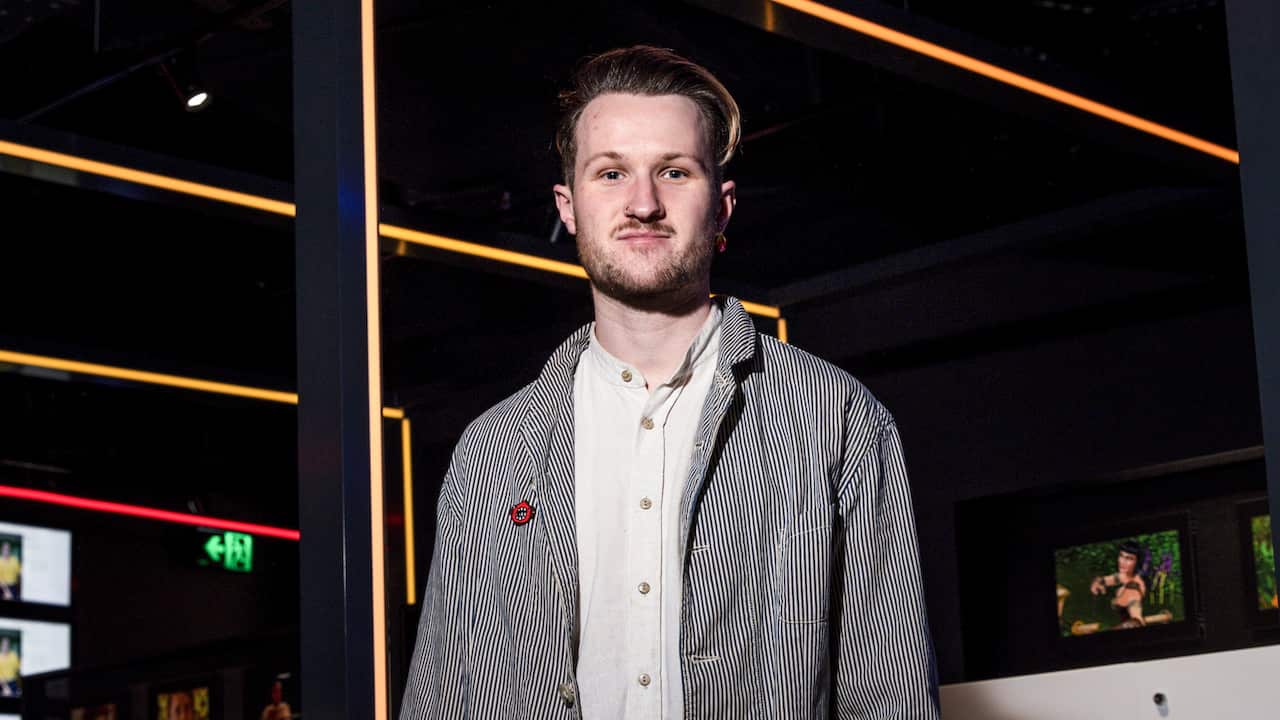
In Uppercut's case, the studio has grown beyond its indie beginnings — mostly through international deals. It received minority investment from Chinese tech conglomerate Tencent in 2021, allowing it to expand its team, and signed a publishing deal with French publishers Focus in 2024.
"So that's the big change for us. We're just over 51 people now, if you include contractors, so that's the scale we're at. We're making the biggest project we've ever made, the most ambitious thing we've ever done," Orman says.
Wilton says another challenge is the lack of a broader development ecosystem — something he's actively trying to address in Melbourne.
Last year, Massive Monster announced a co-working space called MASS — designed as a hub for developers to collaborate, work and connect. Supported by VicScreen and Creative Victoria, Wilton says the space will provide developers both resources and community.
"The vision is basically getting all of the best Melbourne game developers in the same room," he says.
The initiative also includes Monster Fund, an investment fund for Melbourne-based developers that Wilton says will offer funding and mentoring, alongside access to the co-working space, effectively creating an "incubation model".
Meanwhile, in South Australia, the success of homegrown heroes Team Cherry and Silksong is being recognised. In October, the state government announced grants of up to $100,000 to support the creation of new local video games.
While Australia's developers are yet to reach the global cultural footprint of something like children's TV show Bluey, the momentum is clearly building. There is a growing recognition of games as a significant creative and economic export.
And if recent years are any indication, it may not be the last time an Australian game breaks the internet.
For the latest from SBS News, download our app and subscribe to our newsletter.







