In Brief
- The counsel assisting the royal commission ruled out suggestions that authorities had reason to suspect or predict the shooting.
- NSW Police had internally planned to have a "high-visibility presence" at the Hanukkah event where the attack took place.
Australia's spy boss identified Jewish holy events as attractive targets for terrorists months before the Bondi Beach massacre.
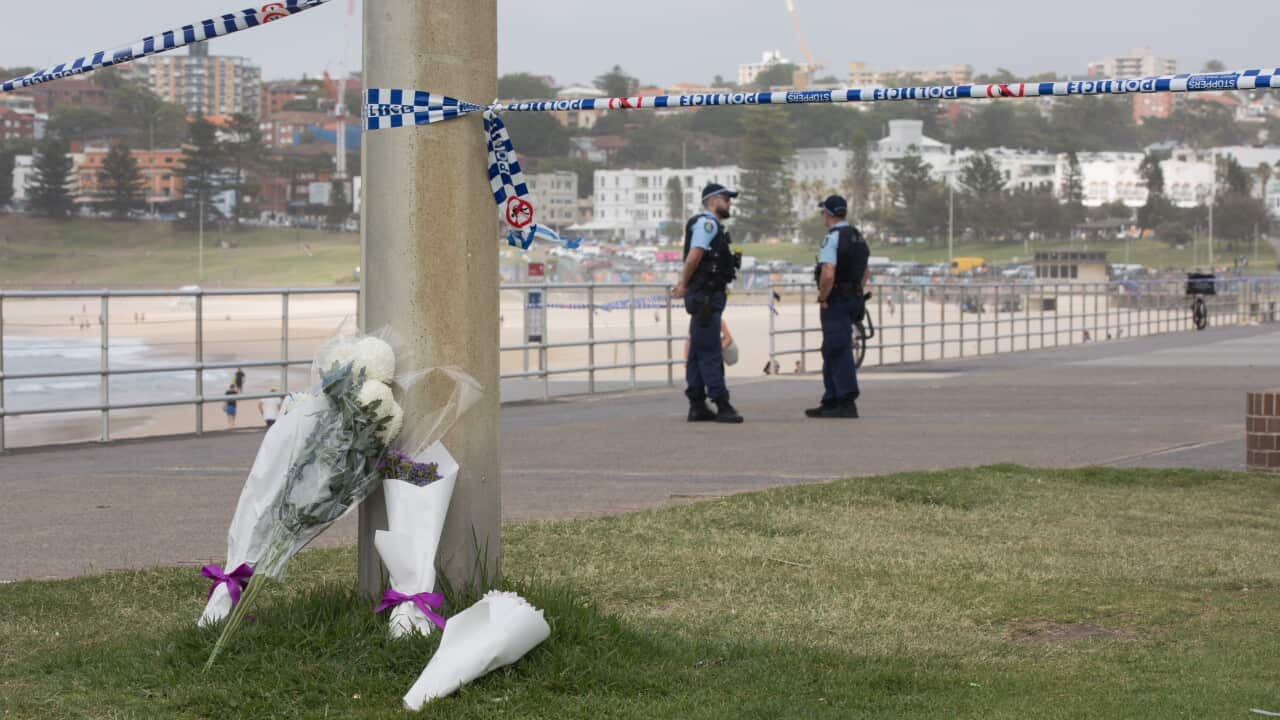
But a royal commission has been told there was no evidence any intelligence agency specifically suspected a terror attack would take place before 15 people were killed in the antisemitic attack on 14 December.
On Monday, the inquiry began looking at potential failures of security agencies to stop the mass shooting.
After two people were killed by an assailant at a synagogue in the United Kingdom in October 2025, the Australian Security Intelligence Organisation (ASIO) circulated a threat assessment paper entitled: "Manchester Synagogue terrorist attack highlights enduring threat to Jewish interests."
News that makes sense
Your trusted source for staying up-to-date with the world around you. Get free daily news updates and analysis, straight to your inbox.
The paper noted Jewish holy days and other significant dates were attractive targets for extremists, including Yom Kippur, Hanukkah and the second anniversary of Hamas' 7 October attack on Israel.
Yet the spy agency's summer holiday threat assessment published in December did not specifically address warnings about terrorism to Jewish celebrations.
ASIO director-general Mike Burgess conceded in a written statement to the commission that he should have noted the spy agency's general concern about terrorism threats and antisemitic conduct.
The December assessment should have been read in the context of Australia's terrorism threat level being at probable, meaning there was a greater than 50 per cent chance of an attack in the next 12 months, he said.
"We have very effective working relationships with the police services across joint counterterrorism teams, so if they required further amplification to help them understand or even question our assessments, that was available to them," Burgess told the inquiry.
The October assessment after the Manchester attack noted ASIO's greatest concern was lone actors using simple tactics and readily-acquired weapons.
Burgess said it was extremely hard to detect such attacks if people were not discussing plans with a broader circle, including at prayer groups.
"We aren't all-seeing or all-knowing and we don't aspire to be," he said.
The spy boss said it was clear Jewish Australians were subject to more threats because rising antisemitism had "given more permission for violence".
He denied ASIO was under-resourced, despite less funding being directed to counterterrorism between 2020 and 2025.
Before witnesses were called, counsel assisting the royal commission Richard Lancaster said the evidence was expected to show the massacre was a "surprise attack".
"There is no evidence any intelligence agency or law enforcement agency had any actual knowledge or specific information to suggest there might be an armed attack on the Hanukkah celebration," he told the inquiry.
Among the issues under scrutiny will be security arrangements for the Chanukah by the Sea event targeted by two gunmen, and what counterterrorism agencies and police knew about the shooters.
Lancaster said the Hanukkah community events were viewed by NSW Police as tier-one security risks, compared with other Jewish celebrations held in September and October 2025 which were tier three, the highest threat.
Tier-three events prompt counterterrorism officers to manage policing of events, while tier one events are run by local officers.
In the lead-up to the attack, NSW Police had been warned that a heightened atmosphere of antisemitism made a terror attack on the community likely, an interim report by the commission revealed in April.
Police planned to provide a high-visibility presence at the event, but ultimately, only four officers and one area commander attended the event at various times.
Among 14 recommendations in the interim report was the need for tighter security arrangements at Jewish community gatherings.
Other endorsements included implementing nationally consistent firearm laws and a gun buyback scheme.
The report recommended considering making the Commonwealth counterterrorism coordinator role full-time position and clarifying the role of the Australia-New Zealand counterterrorism committee.
The report also made five recommendations that were redacted from the publicly released version for national security reasons.
For the latest from SBS News, download our app and subscribe to our newsletter.







