
"We say in Korea, if you can wrap a nicely shaped dumpling, you will have a beautiful daughter."
Sammy Jeon laughs as he recalls the old saying often shared during Seollal — Korean Lunar New Year.
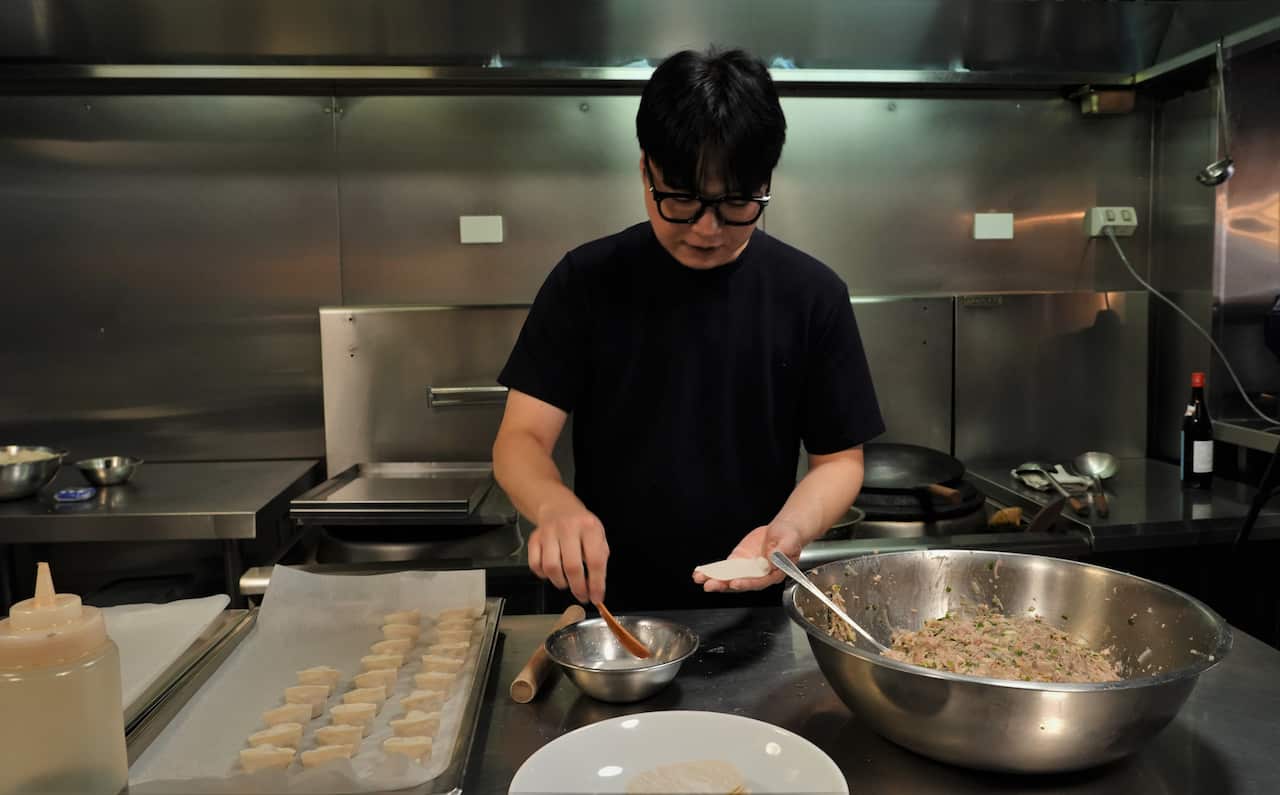
"We make hundreds of dumplings," Jeon says, as he hand-wraps Korean-style steamed dumplings — called 'mandu' — in the kitchen of his flagship restaurant in the historic NSW Central West town of Orange.
Spooning his house-made filling of seasoned pork mince, glass noodles and vegetables into thin dumpling wrappers, Jeon expertly seals up the edges before shaping each one and lining them up in rows.
When asked where he learnt the technique, he grins and says: "My mum, and YouTube."
News that makes sense
Your trusted source for staying up-to-date with the world around you. Get free daily news updates and analysis, straight to your inbox.
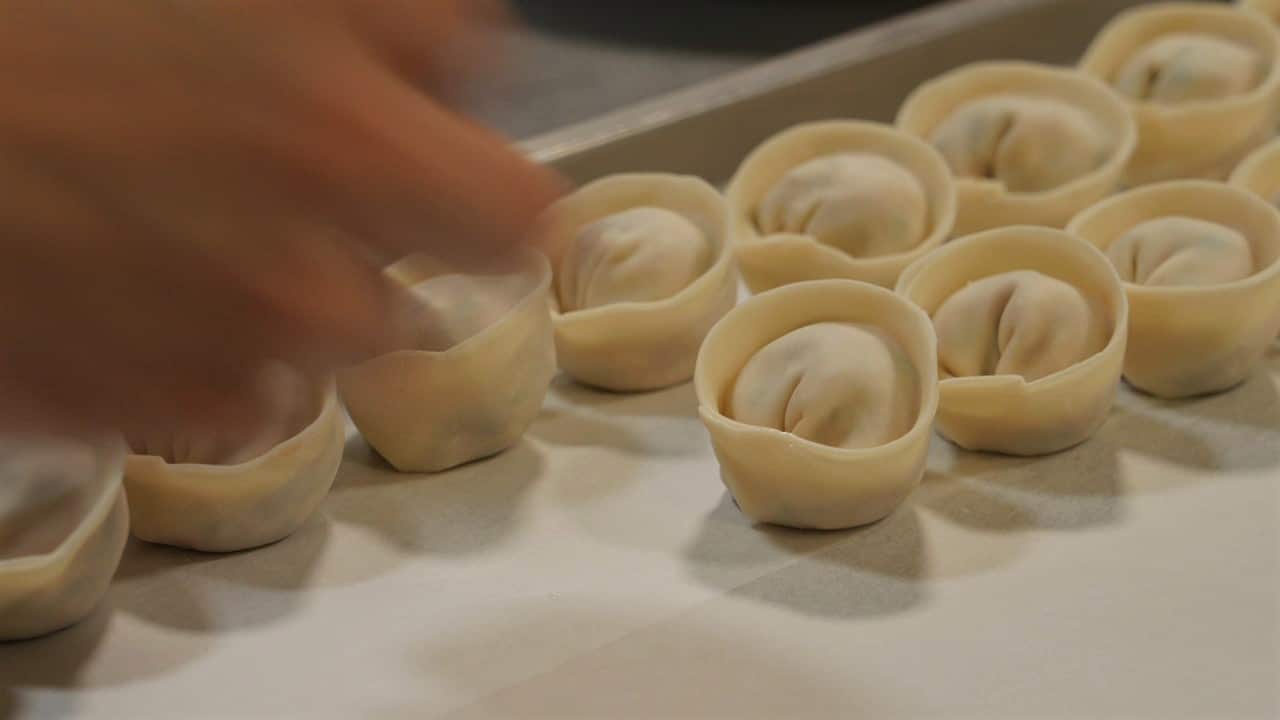
Food is an integral part of Lunar New Year celebrations for many East and Southeast Asian communities, and this year, the Korean Australian restaurateur is churning out dozens of dishes to showcase his birth country's unique culinary traditions.
The most important and traditional Seollal dish is tteokguk — rice cake soup.
Jeon says just the smell of it reminds him of his mum's home cooking, signalling that Lunar New Year has arrived.
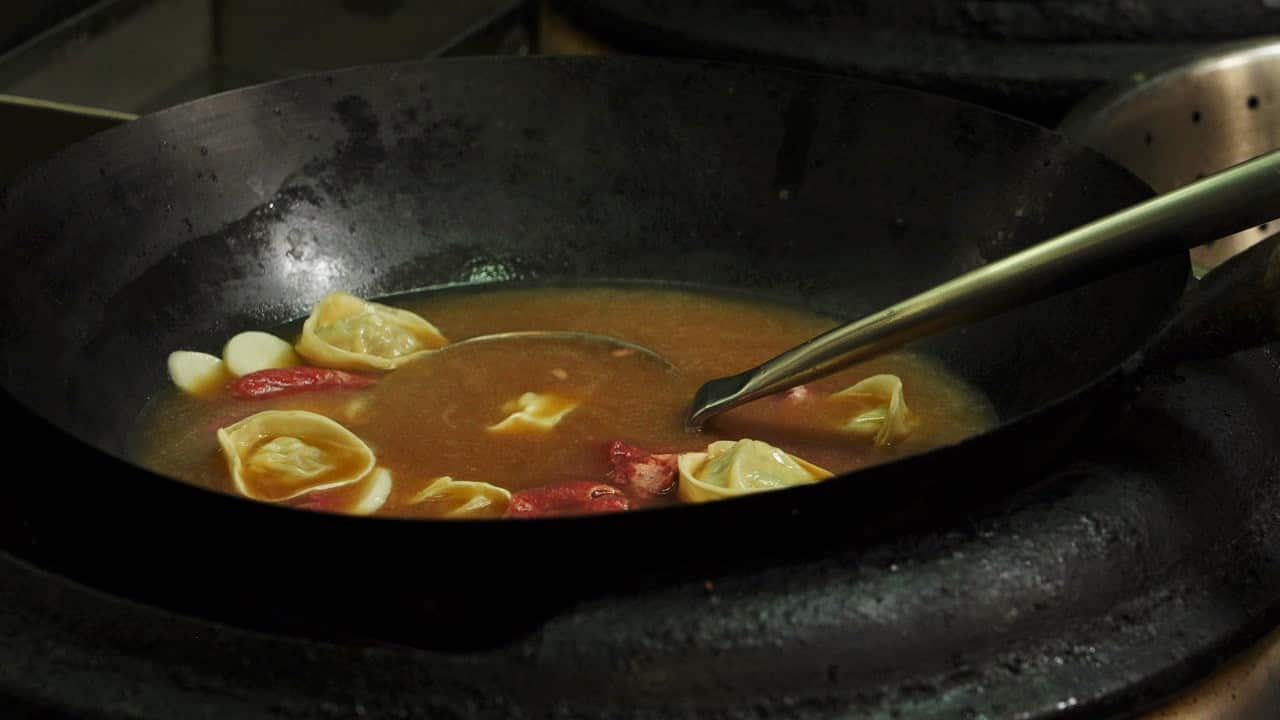
In the kitchen, the tteokguk broth sizzles in the wok over the fire as Jeon drops in the rice cakes, meat, shallots and some of his freshly steamed mandu.
"The dumpling is like a pocket, so it just holds in your luck," he says, adding that the rice cakes' coin-like shape also signifies long life, wealth or good fortune.
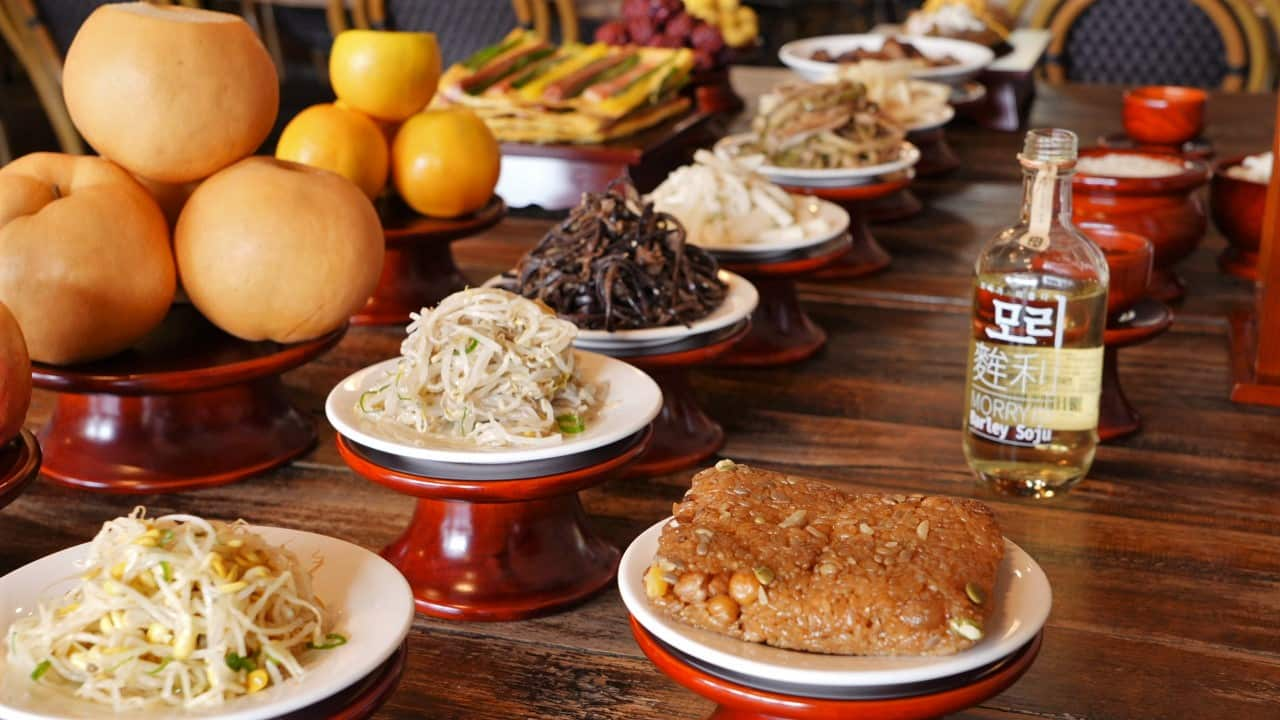
Tteokguk forms part of the Seollal tradition of Charye-sang — a table of ceremonial offerings to one's ancestors.
Plates of fruit, vegetable side dishes (called banchan), meat, fish, rice and soju (a Korean liquor) are all arranged in a specific order.
"The fish head has to point to the east," Jeon explains.
"The chestnut means prosperity; the dates mean next generation."
It's all about remembering where you came from and showing your respect to the people who came before you.
Jeon will celebrate the 10-day cultural festival in Orange, where he has lived for the past 16 years. He says he loves that Lunar New Year has become a major celebration in his adopted home.
"Lunar New Year is a big thing in Australia, so I feel like I don't have to choose between cultures."
He is among the millions of people in Australia and around the world who have ushered in the Year of the Horse this week.
"In our culture, horse symbolises energy, freedom, and progressive," Jeon says.
"So, the people born in this year of the horse, they most seems like hard working, independent, and then always moving forward.
"I actually relate to that a lot."
From Bogildo Island to Orange
In 2009, Jeon left his hometown on Bogildo Island off the coast of South Korea.
"I grew up on a very small island, only around 2,000 people live there," he says.
"We would say, everyone knows how many chopsticks there are in every drawer in each household."
He came to Sydney in search of new adventures and opportunities. But in the wake of the global financial crisis, work was hard to come by.
"Honestly, I didn't have any plan. I just wanted to try a different lifestyle, learn English, see more world outside Korea," Jeon says.
He decided to try his luck in Orange — a NSW Central West agricultural hub known for its winemaking and gourmet food.
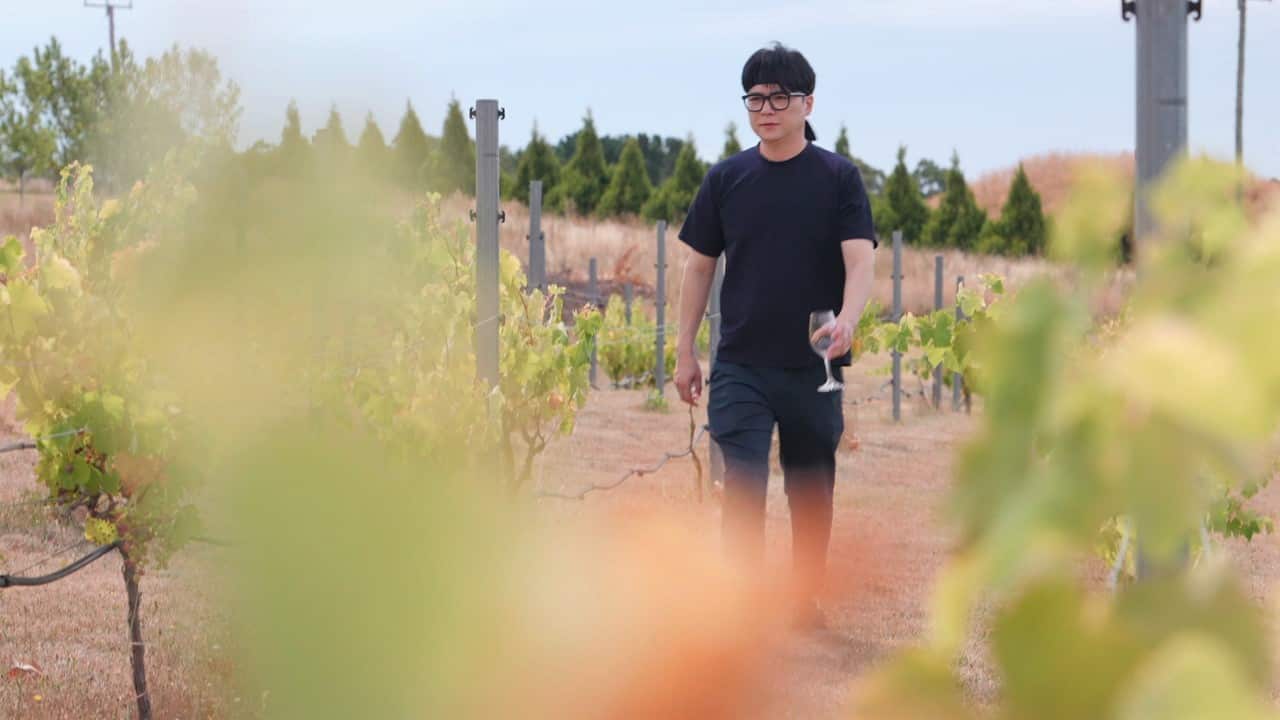
A car breakdown on the way meant he arrived in Orange with just $200 in his pocket.
"I knocked on every single farm trying to extend my visa because I couldn't go back without any money, without gaining anything."
Persistence paid off, and Jeon was eventually given a chance at a local family-run winery, Philip Shaw Wines.
"They asked me to whipper-snip the lawns," he says, recalling his first job on the estate.
"It was summer, and I fainted after one week on the road. They must've been very impressed with someone working very hard like me," he jokes.
Working at the winery, Jeon became immersed in Australian farming culture, learning about winemaking and the beauty of fresh produce.
His enthusiasm and drive quickly made an impression on the winery's owners, who he would go on to form a lifelong bond with.
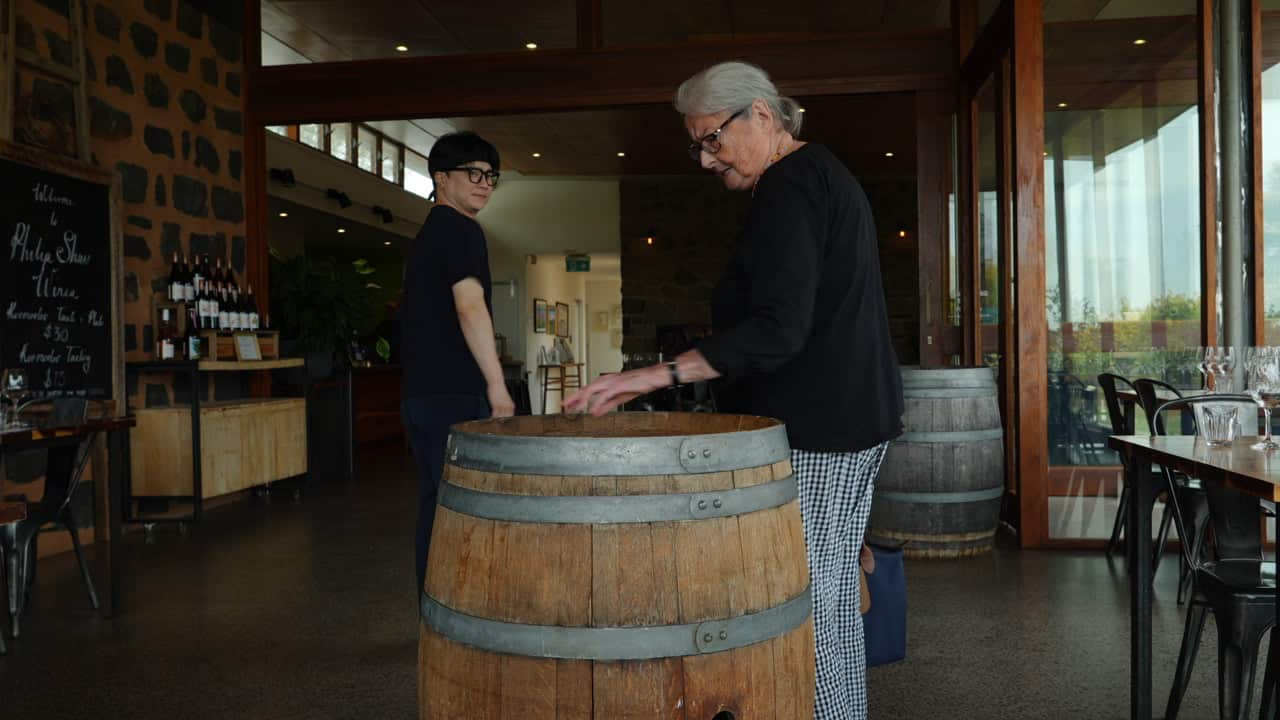
"I met Philip Shaw's family and then they slowly introduced me to food and wine culture in Australia," Jeon says.
"I didn't have good English when I first came to Orange. But even when there's a language barrier, you bring the food, and we always have something we can talk about.
"You don't have to explain anything, we can just click with the food."
'Worked his backside off'
What was supposed to be a short stay in Orange was soon extended, and eventually, it became Jeon's new home.
Inspired by the chefs he met while working at the winery, he set about honing his cooking techniques, self-teaching and drawing on training from his hometown, which is in South Korea's renowned food region Jeollanam-do province.
Jeon opened his first restaurant and Orange's first sushi joint, Mr Sushi King, in 2012.
A smash hit, he started selling sushi rolls across regional NSW.
Over time, Jeon decided to bring more of his Korean heritage to his culinary ventures.
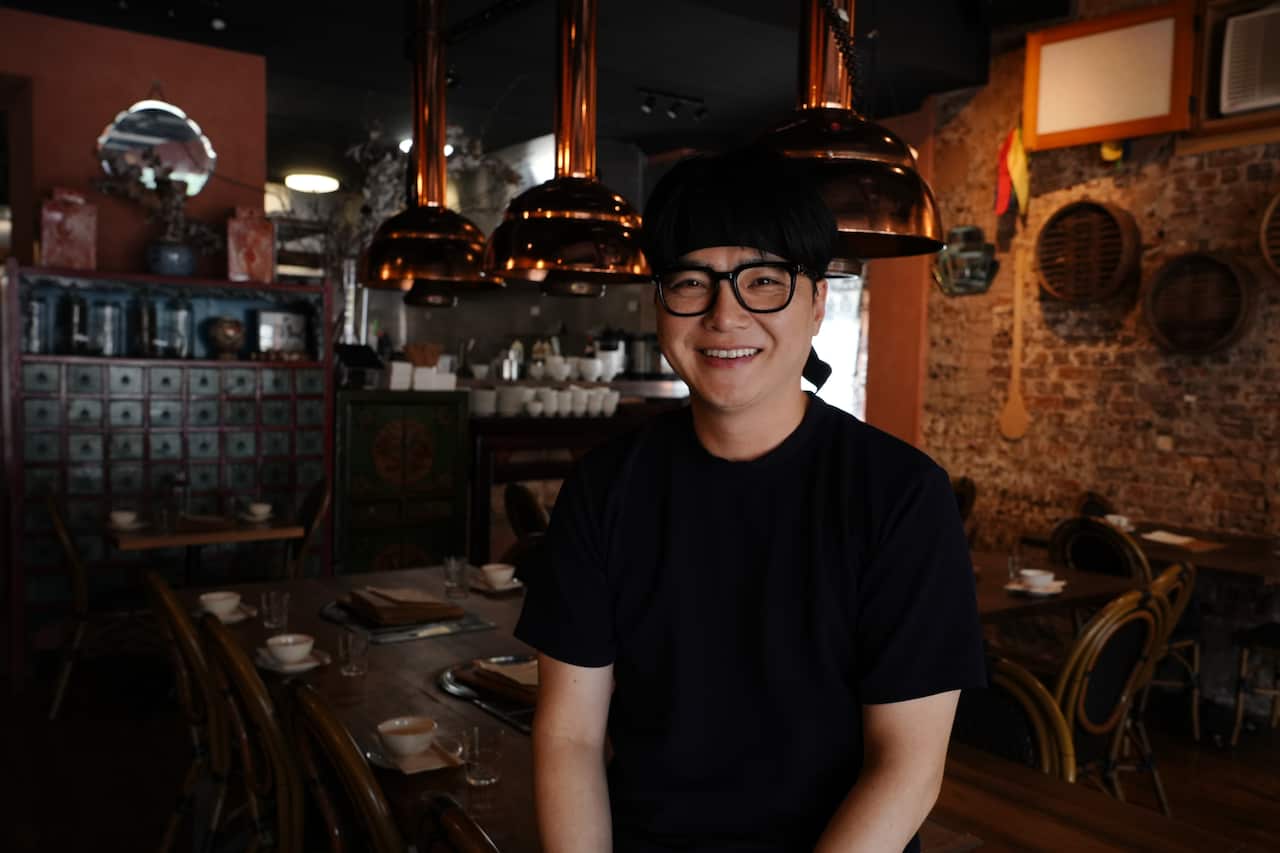
He says he was hesitant at first, as not many people in Australia at the time were familiar with Korean food and flavours.
"I would cook very specific traditional Korean food like the braised pork belly, wrapping with the lettuce and some of our bean paste. I think the first or second year, no one was ordering it," he recalls.
"Then I learned that, I'll come to the customer and say 'This is very authentic. You may love it, you hate it. Would you want to try?' And people are willing to try and then they love the flavour, the element of Korean flavour."
Over a decade later, Jeon has now founded a total of eight restaurants, including Diana, a contemporary Korean Australian fusion restaurant in Sydney's Potts Point dedicated to the Shaw family's matriarch — Diana Shaw.
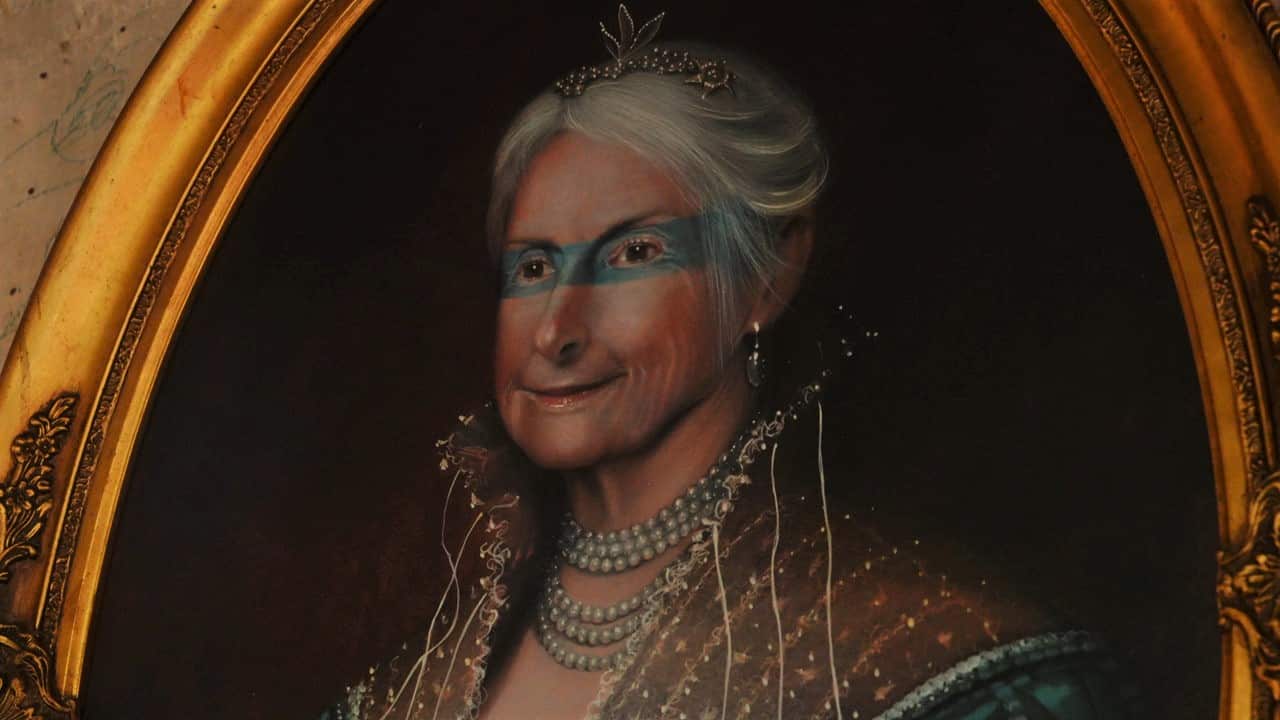
"He just worked his backside off", Diana Shaw says of Jeon's journey.
"He wanted to achieve something. And I feel very proud that I've been able to help him do that.
"The definitive food culture in Orange, I think he started it."
Bringing Korean culinary traditions to regional NSW
While Diana the restaurant has now closed its doors, Jeon has continued his take on Korean fusion through his flagship restaurant Mr Lim.
"I just want to reflect all my experiences into my Korean dishes," Jeon says.
With venues in both Orange and Mosman in Sydney's north, the restaurant fuses Korean and Chinese cuisine, inspired by the classic Chinese restaurants Australians love, and that are particularly prevalent in historic gold-mining areas around Orange and Bathurst.
"I really like the Chinese food here and it's something Australians really love. Then I just give you a little Korean twist."
The restaurant uses local produce and traditional Korean ingredients, such as gochugaru chilli powder, sent over by Jeon's mother — something he says keeps him connected to his family and hometown.
While at times facing racism in regional Australia, Jeon says he doesn't let it bother him: "Thanks to migrants, towns like Orange are now far more culturally diverse."
"I think it's become very multicultural now in small Orange town, which is a great thing.
"When I arrived, there was only one Japanese restaurant. Now there's Japanese, Thai, Indonesian.
People are curious about other cultures and they're very accepting and very open-minded.
Karaoke nights at the Mr Lim restaurants are also embraced by locals.
"They go crazy," Jeon laughs.
"They all put their shoulders together, then they sing loud. I feel like I'm in Asia."
For the latest from SBS News, download our app and subscribe to our newsletter.







