In Brief
- A union representing council workers has proposed a four-day working week amid the fuel crisis.
- It says workers are struggling to keep up with extra fuel costs.
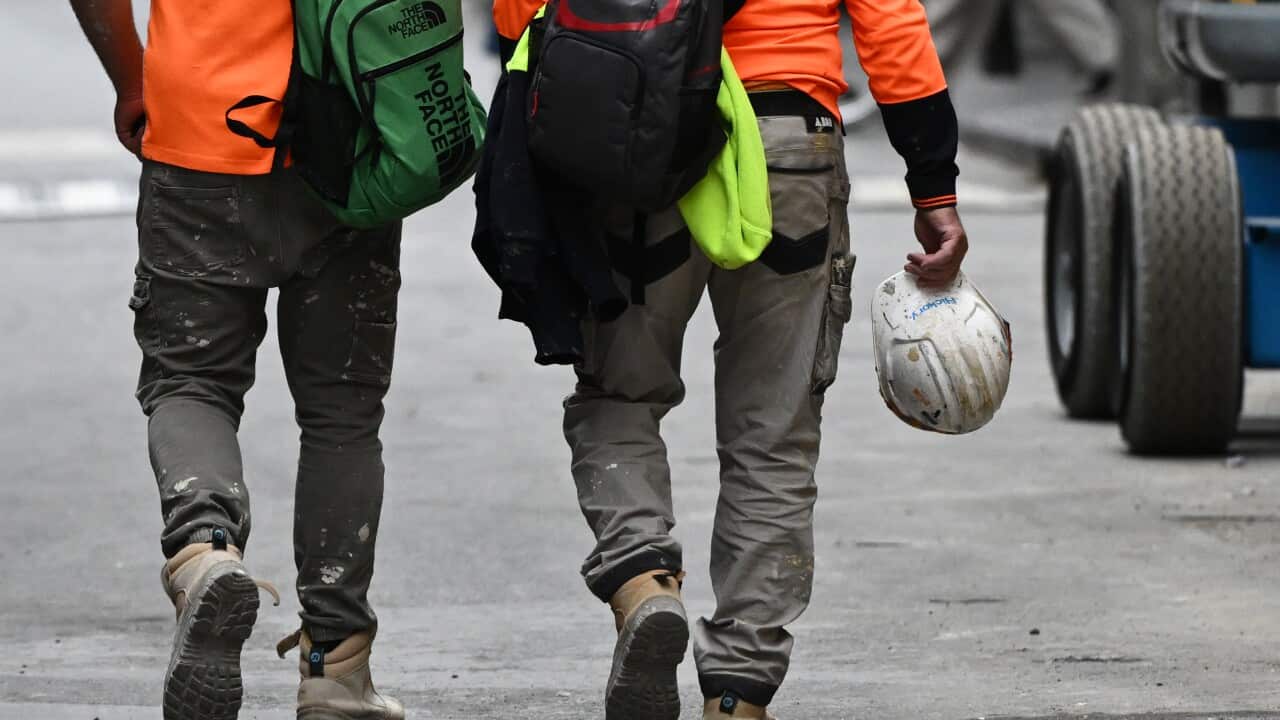
NSW council workers are leading the fight for a potential four-day work week amid a fuel and energy crisis that has been described as worse than the two previous ones put together.
The United Services Union (USU) proposed a new award to the NSW Industrial Relations Commission (IRC) today calling for better work protections and added flexibility to aid its members as the war in the Middle East continues.
The union represents around 25,000 local government workers in NSW and the ACT, and it estimates around half of its members have struggled to get to work due to soaring fuel costs.
The USU surveyed 1,293 council workers since the fuel crisis began in March and said it found 72 per cent were reducing their personal activities to save money on fuel costs. Seventy per cent said company allowances were not adequately covering fuel costs.
Four in 10 said they were spending at least $50 extra a week on petrol, two in 10 were spending more than $100 more.
News that makes sense
Your trusted source for staying up-to-date with the world around you. Get free daily news updates and analysis, straight to your inbox.
The union has asked the IRC to lock in work-from-home rights, and for a 50 per cent increase in fuel subsidies.
"Last week we wrote to all 128 councils in NSW asking them to look at work-from-home provisions for staff who are able to, and for consideration of four-day weeks for those who cannot," USU head of legal Daniel Papps said.
"Since then we have seen no change in the situation in the Middle East and so now we are ramping up our efforts on behalf of our members to make sure they’re not carrying the impact of this crisis."
Papps said the union had suggested a four-day work week be considered for staff who can't work from home.
"That might mean they work an extra few hours each day, but save themselves one daily commute," he said.
"This is important for our regional members who sometimes drive 100 kilometres back and forth to work each day, and our members in the city who struggle with hour-long commutes to and from work."
The proposed Local Government (Fuel Crisis) Splinter Award 2026 could benefit up to 55,000 council workers in roles ranging across road construction and garden maintenance; to positions in libraries, swimming pools and call centres.
"It's my hope we'll be able to come up with a series of measures and relief for workers across NSW to deal with the emerging and continuing fuel crisis," Papps said.
He called for a sober discussion between workers and their bosses over measures that could be put in place to conserve fuel so people can save money and keep fuel for the people who need it most, such as truckies and farmers.
Many countries in the Asia Pacific region rely on fuel that travels through the Strait of Hormuz, which Iran has blocked for the past month after US strikes on the country. International Energy Agency director Fatih Birol described the resulting global fuel shortage as the worse than the previous Gulf wars and Russia's war on Ukraine combined.
To conserve resources, government workers in the Philippines have moved to a four-day work week, while Sri Lanka has declared each Wednesday a public holiday.
In Australia, the USU is expected to appear before the commission for further negotiations next Friday.
"We'll have some preliminary discussions with the employers in between now and Friday to get a sense of what they're looking for. But our hope is that we're able to come to a sensible compromise by next week," Papps said.
For the latest from SBS News, download our app and subscribe to our newsletter.







