Key Points
- The war in the Middle East is causing concern about the impact on fuel-reliant industries.
- The nation's peak body for the building and construction sector says the industry is "increasingly alarmed" about higher costs.
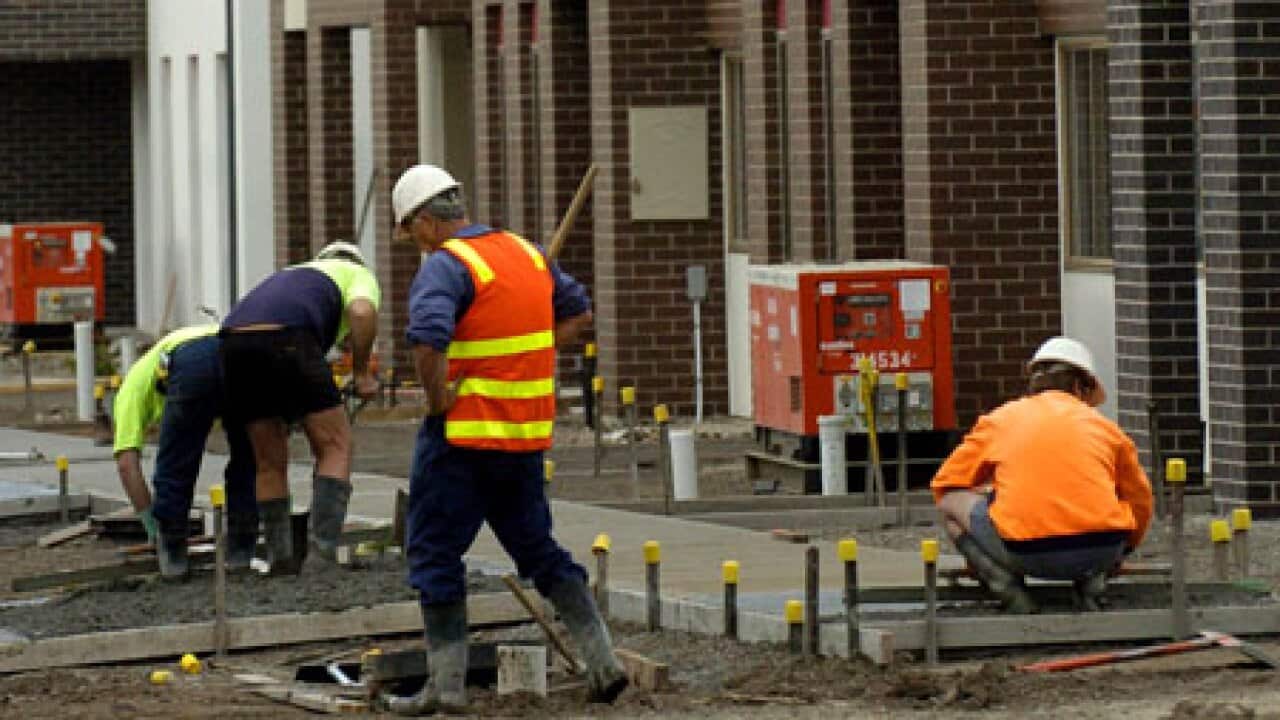
Fuel price rises have the construction industry bracing itself for a repeat of the COVID-19 era, during which supply chain disruptions drove up costs.
The outbreak of war in the Middle East, following United States and Israeli strikes on Iran and subsequent retaliatory action, has caused concerns about fuel shortages at the bowser as well as the impact on heavily fuel-reliant industries.
Master Builders Australia CEO Denita Wawn says the building and construction industry is "increasingly alarmed" about the increase in costs.
"We are getting a deluge of notices from building suppliers advising us of an increase to transport [costs] through fuel levied surcharges," she told SBS News.
News that makes sense
Your trusted source for staying up-to-date with the world around you. Get free daily news updates and analysis, straight to your inbox.
"We are heavily reliant on diesel, whether it's for our civil construction or those multitudes of utes that go around our cities and our country, day in, day out, to various different building sites."
She said while developers learned to be more conservative in their forecasts following COVID-19, long approval lead times of six to 24 months before a project start mean these additional costs could not have been factored in.
Wawn is urging the government to step in early and consider a fuel carve-out for the building and construction industry.
"It is critical that essential services like building and construction continue," she said.
"And if that means that fuel rationing has to occur for the betterment of the country as a whole, so be it. Building and construction has to be included."

Prime Minister Anthony Albanese has not suggested fuel rationing or carve-outs for particular industries to date, instead urging calm.
On Thursday, Albanese reassured Australians that fuel deliveries have not yet been disrupted and established a fuel taskforce to coordinate state and Commonwealth distribution efforts around the country.
"Our fuel supply is currently secure. However, I want us to be overprepared," he said.
Energy Minister Chris Bowen revealed that 519 million litres of petrol and diesel have been released from the country's emergency reserves and directed to regional Australia.
He reiterated government calls for people not to panic-buy fuel, explaining it puts strain on the supply chain, which is already adapting to changing international circumstances.
"If demand is double, the supply chain will struggle," Bowen told ABC RN on Friday morning.
Government's new homes target at risk
Wawn stressed that transport and material cost increases and disruptions to the building supply chain will hinder efforts to meet the National Housing Accord target of 1.2 million homes before the end of the decade.
"Higher costs for builders will harm productivity and affordability at a time when we need a dramatic increase in housing supply," Wawn said.
"Since the start of the Accord, a 75,000-home backlog has already accumulated. Unless the federal government pulls the correct policy levers, recent events are likely to worsen the home building situation even further."
Earlier this week, the Urban Development Institute of Australia released its annual State of the Land report, examining residential development activity across Australia.
It forecasts a shortfall of 380,000 new dwellings by 2030, and a production drop of 11 per cent in 2026 alone, due to rising costs, labour shortages and volatility in the construction industry.
Opposition housing spokesperson Andrew Bragg says the industry has been "bogged down" by high labour and material costs for years.
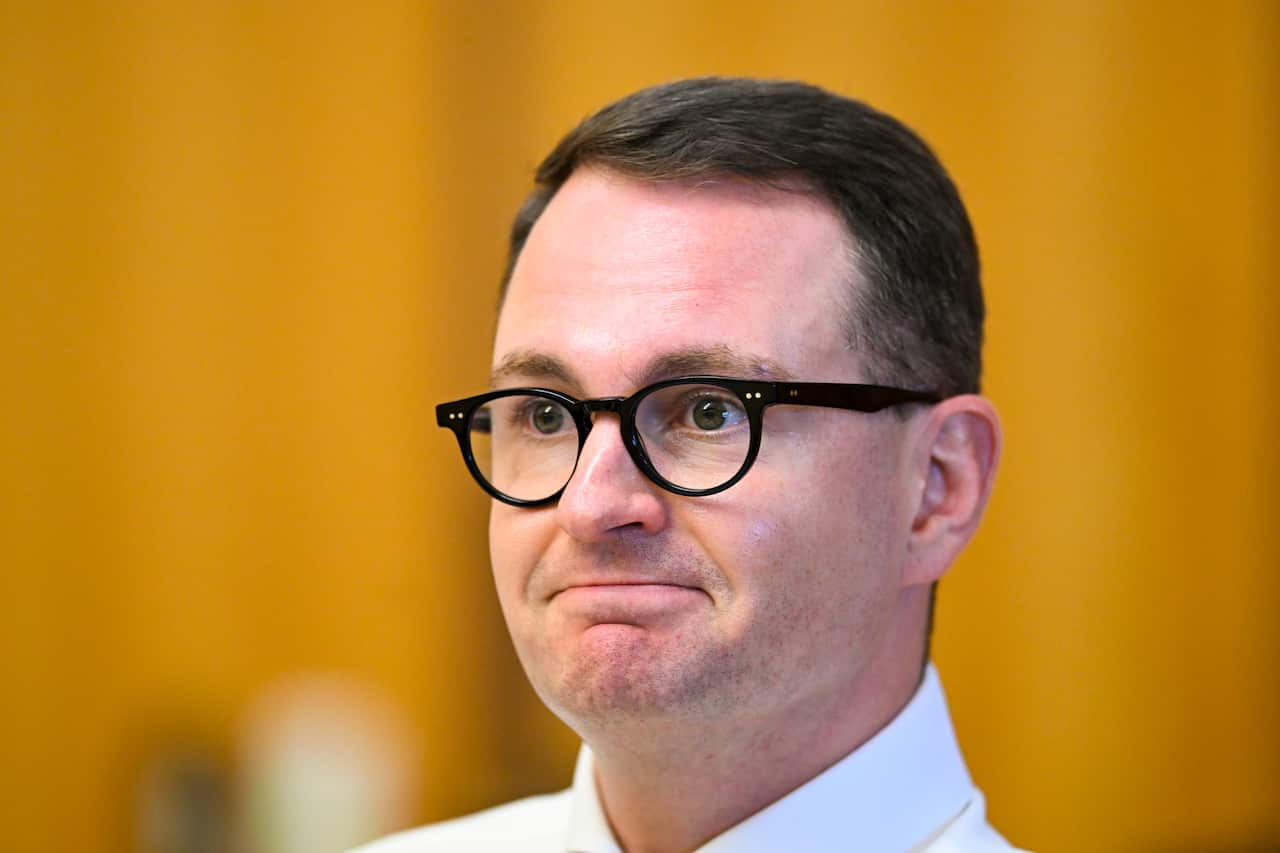
"Construction costs and labour shortages were already biting before any conflict in the Middle East disrupted global supply chains," he told SBS News.
"This has only been made worse by the current oil crisis."
He pointed to 3,596 building industry insolvencies in 2025, according to the Australian Securities and Investments Commission, as demonstrating the "fragility" of the sector.
"Builders and developers are being forced to operate in a system that is increasingly costly and difficult," he said.
For the latest from SBS News, download our app and subscribe to our newsletter.







