While some people were building puzzles or baking sourdough to get through COVID-19 lockdowns, Mike Honey started tracking case numbers.
He told SBS News he wanted to have a good answer when his grandchildren asked him: "So, what did you do [during the pandemic]?"
Five years later, the data analyst still translates global COVID-19 data into charts that help the public understand the risks of the disease — from national case numbers to the rise of variant strains worldwide.
His work has popped up in everything from news reports to academic research.
And although case numbers are the lowest we've seen, epidemiologists told SBS News they still rely on Honey's work to fill an information void where state departments no longer have the time or resources to share data.
News that makes sense
Your trusted source for staying up-to-date with the world around you. Get free daily news updates and analysis, straight to your inbox.

Paul Griffin, an infectious disease physician and clinical microbiologist from the University of Queensland, said: "I think it's an incredibly valuable service he's provided."
What's more, Honey does it all for free in his spare time.
Looking at the big picture
Soft-spoken and polite, Honey sat down with SBS News to talk about how he became scientists' go-to for COVID-19 information.
He explained that being from Melbourne's north-west suburbs meant he lived in one of the first places in Australia to be hit by lockdowns.
As an IT specialist stuck at home, he realised it was hard to get information about national case numbers.
"A lot of the states have a decent report that comes out ... but they are just for that state. There's nothing at the federal level," Honey said.
So he built a spreadsheet that brought all the case numbers from across the country together in one spot.
Then, he posted it online — first on GitHub, an open-source code-sharing platform, and then "pretty much everywhere".
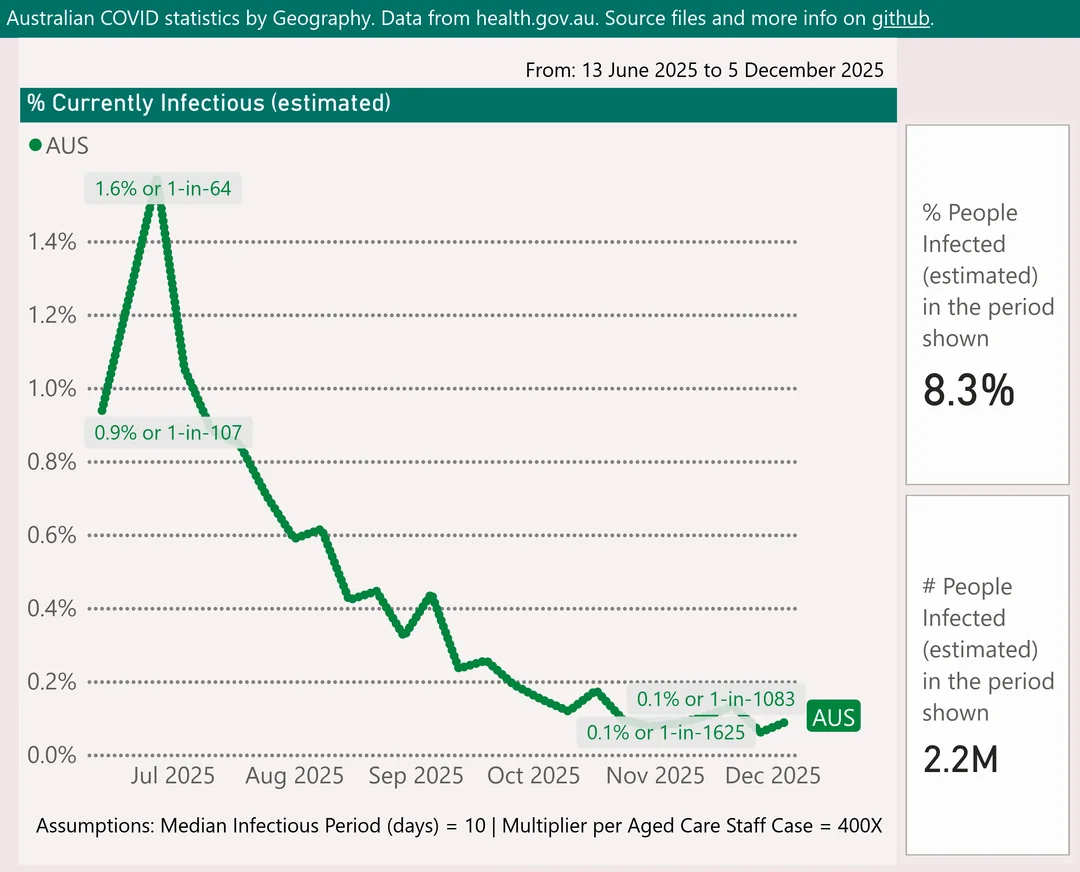
National case numbers aren't the only ones he keeps track of. He also monitors variants, vaccine uptake, and aged care case numbers, and posts case charts for New Zealand, the United States, the United Kingdom and Canada.
It wasn't long before epidemiologists started to take notice.
An 'incredibly valuable service'
Adrian Esterman, professor of biostatistics and epidemiology at the University of South Australia, said during the pandemic he was asked to give talks to concerned community groups about variants.
He struggled to find enough detail from state health departments to satisfy his audience's questions.
"Then I came across a Tweet from Mike that led to his GitHub site, which provided exactly the information I was looking for," he said.
Honey's variant tracker takes publicly available information on cases of people infected with COVID-19 mutations and brings it all together on a world map.
That way, it's much easier to see which variants are growing and where, compared to pages of text on sites like the World Health Organization's COVID-19 variants dashboard.
"I still give talks on COVID-19, and Mike's is still the go-to website," Esterman said.
Prominent American cardiologist Eric Topol, who founded the Scripps Research Translational Institute in California, told SBS News that Honey's work is a "remarkable source" of information.
"His diligence, strive for accuracy, and thoughtful sharing of data have been a welcome and important contribution to the biomedical community."
Griffin agrees, and said he still refers to Honey's work "a few times a week, to be honest".
He said that while case numbers are low, the data Honey shares still helps to answer important questions.
"Like how we manage our hospitals and healthcare systems, and counsel our individual patients so they have an understanding of the risk," he said.
A legacy in medicine
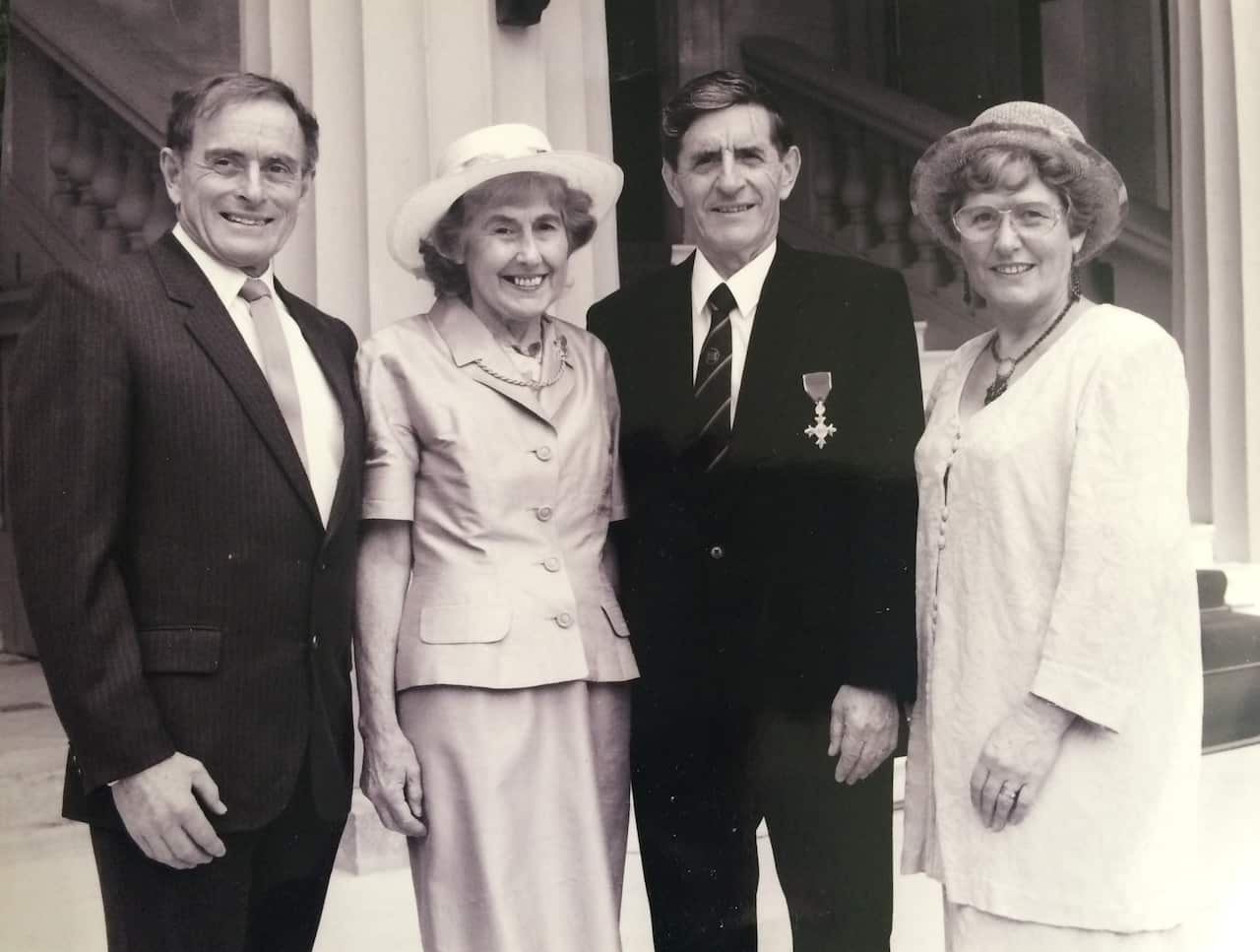
Honey said his uncle's legacy has inspired him to help out where he can.
His late uncle, Dr Norman Honey, dedicated his life to treating leprosy patients and fighting the disease's stigma. He worked in West Africa before moving to Hong Kong, where he served as chief medical officer.
Though much of the data is now gathered automatically, Honey said he still spends a few hours each week tracking COVID-19.
And while he's taken a few nasty comments on social media here and there, he's been surprised by the public's overall response.
"There's a lot of people that say they're glad to see it, and they're hanging on it," he said.
But after four years, he admits he's looking forward to the day he doesn't have to post an update.
"It's a little bit of a weight on my shoulders," he said.
Honey is hopeful the new Australian Centre for Disease Control, set to open on 1 January 2026, will take over his work.
When asked if the government should pay him for his efforts, Honey laughed.
"That'd be nice."
Then he quickly changed his mind.
"I'd probably prefer to keep it as my hobby."
For the latest from SBS News, download our app and subscribe to our newsletter.







