
The Queensland government says its new crocodile management plan will focus on prioritising public safety, yet environmentalists are urging the government to rethink the measures and say they may encourage risky behaviour.
It’s the first major update for managing crocs in almost a decade, and was developed through consultation with communities in the Far North and North regions of Queensland.
Member for Cook David Kempton said locals had long been calling for a management plan.
"I’ve backed our community’s call for tougher action on crocodiles and now that is being delivered," he said in a statement on Tuesday.
Patrols will increase and removal zones will be expanded under the plan.
News that makes sense
Your trusted source for staying up-to-date with the world around you. Get free daily news updates and analysis, straight to your inbox.
But an environmentalist group has criticised the new plan, saying it diverges from scientific recommendations and community evidence presented at the Crocodile Control and Conservation Bill hearing earlier this year.
The bill was referred to the Health, Environment and Innovation Committee in August. It found no amount of culling or management will ever fully erase the danger posed by crocodiles, and urged education is the best way to achieve public safety.
Co-founder of crocodile conservation awareness group C.R.O.C QLD Matt Cornish said: "When you tell communities that crocodiles are being removed so they can swim again, you normalise risk-taking and complacency."
Queensland has had 18 fatal crocodile attacks since 1975, with 36 people suffering non-fatal attacks.
"This gives people a false sense of security and directly contradicts the leading scientific recommendations the government received," said Cornish.
Queensland Opposition environment spokesperson Leanne Linard criticised the government over the report's timeframe.
"The government has now had that draft plan for 12 months, and I note the minister has only today tabled the new plan," she told ABC News.
"I truly hope it is still led by science. I know that traditional owners and the environment sector are watching with equal interest."
Will all crocodiles be removed in the listed zones?
In some areas, all crocodiles will be removed, while in others, only those which are two metres or larger, or show aggressive behaviour, will be removed.
The state government stated location, behaviour and size, as well as the type of zone the crocodile is sighted in, are key considerations when removing a crocodile, which is typically done by wildlife rangers.
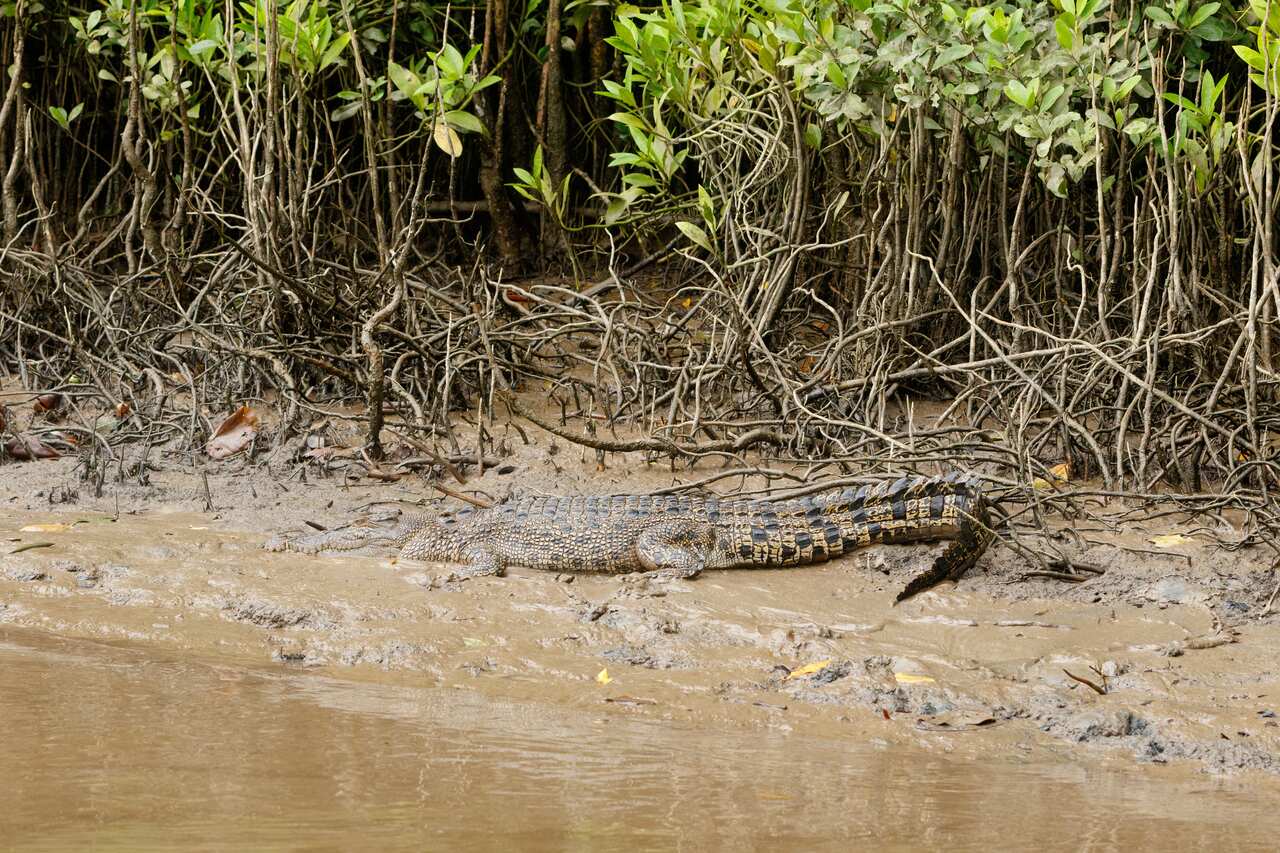
The plan targets estuarine crocodiles, otherwise known as saltwater crocodiles, whose population has risen following hunting bans back in 1974, and are still listed as a vulnerable species in Queensland under the Nature Conservation Act 1992.
Queensland Environment Minister Andrew Powell said: "More patrols and expansion of removal areas will prioritise safety and strike the balance needed for crocodile management in Queensland."
In 2024, the Department of Environment, Tourism, Science and Innovation (DETSI) received 1,335 crocodile sighting reports and removed 93 problem crocodiles.
When a crocodile is removed from the wild, it’s generally rehomed in zoos or crocodile farms, according to DETSI.
Releasing a crocodile after capture doesn’t often happen, according to the department. This is because studies have shown they travel home, even if it’s hundreds of kilometres away, after being released somewhere away from people.
However, when it comes to removal, it may be more humane for the animal to be "humanely euthanised", according to the new plan. Particularly in instances where "they would need to be transported long distances to a farm or zoo over rough roads".
The plan will be reviewed every five years, as well as an annual feedback process with residents, stakeholders and local organisations.
For the latest from SBS News, download our app and subscribe to our newsletter.







