in brief
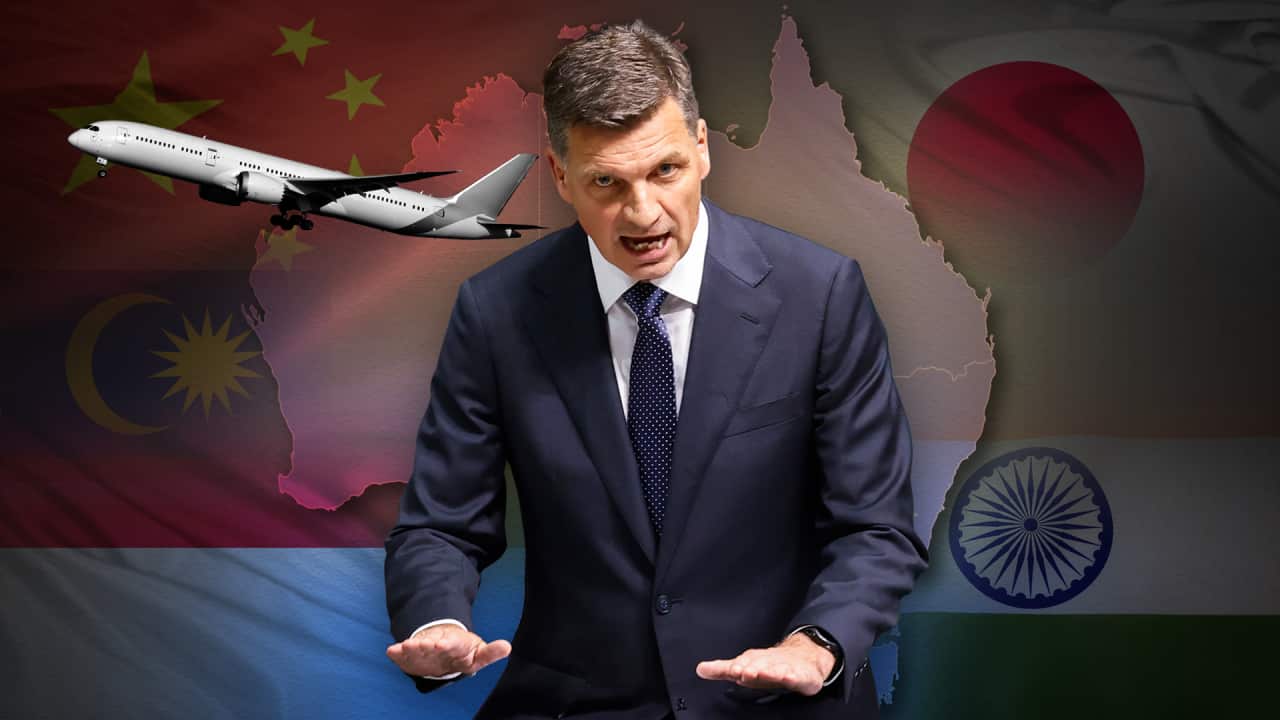
- China, India, Indonesia, and Malaysia are among the countries that do not allow their citizens to hold dual nationality.
- The Coalition's plans could force citizens of those countries to choose between their passports and support.
Migrant communities are concerned that newly announced Coalition spending plans could force them to choose between access to welfare payments and the citizenship rights of their country of origin.
Opposition leader Angus Taylor outlined new welfare requirements in his budget reply speech that would restrict entitlement as he pledged a broader clampdown on migration.
"We will remove Labor’s handouts for non-citizens," Taylor said last week in reply to Treasurer Jim Chalmers federal budget plan.
"A Coalition government will reserve the NDIS and 17 different welfare programs ... for Australians only and save taxpayers billions."
The changes would mean that only Australian citizens could access benefits including JobSeeker, Youth allowance, carer payment, Austudy, the NDIS, and pensions. Exactly how much money the Coalition's plans would save taxpayers has not been provided.
News that makes sense
Your trusted source for staying up-to-date with the world around you. Get free daily news updates and analysis, straight to your inbox.
Permanent residents, who are taxpayers, have always had access to basic social benefits, but successive Coalition governments have implemented delay periods for welfare access.
Currently, new arrivals must wait four years to access most benefits and up to 10 years for aged and disability pensions.
"Citizenship matters," Taylor said on Monday while on a national campaign following his budget reply. "If people commit to this country, if immigrants commit to this country, we will commit to them."
SBS News spoke to multiple people who expressed frustration about the implication that people might have to choose to forego dual citizenship status and choose Australian citizenship in order to gain benefits, if the Coalition's policy were to become law.
Of the 195 countries recognised by the UN, 120 allow for multiple citizenships, but countries like China and India that have large diaspora communities in Australia, don't.
Losing migrant votes
Raj Khanna, a small business owner who came to Australia from India in 2006, says the Coalition's policy announcement is divisive.
"I have voted Liberal my whole life. This policy has ended that. And I am not alone," he told SBS News.
"Excluding non-citizens out of these basic welfare payments is just inhumane.
"It's not like migrants have come through an easy process. There are checks in place, they pay their due taxes, they work very hard to get into jobs, and then you take away these basic necessities."
Khanna, who runs a boutique events and technology company in the Melbourne suburb of Brighton, has Australian citizenship but notes that the application process can take up to seven years.
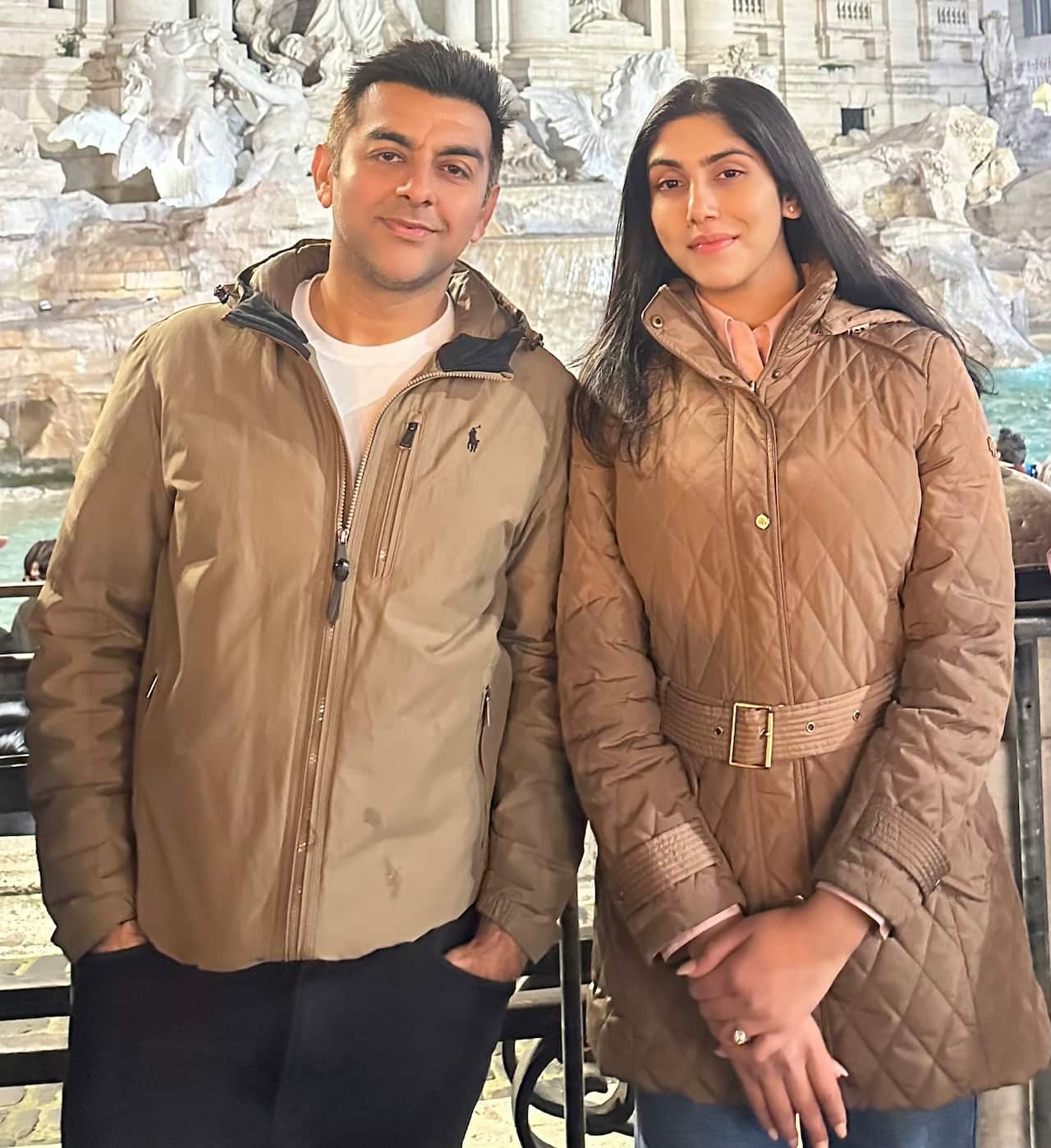
It's something his wife, who is on a partner visa and is also of Indian background, is working towards by applying first for permanent residency. Khanna worries that the Coalition's plan would leave the mother of his two-year-old daughter without a safety net, and potentially in the future, having to consider a choice about citizenship.
"She got parental leave, she got carer leave but she was paying taxes, she's working. Somebody who's paying almost 30, 35 per cent of their income year on year, and you withdraw these basic welfare benefits … It doesn't sound good."
Liberal immigration spokesperson Jonathon Duniam told SBS News that existing recipients will be "grandfathered" into the proposed changes slated for 1 July 2028. The next federal election is not yet scheduled, but is expected to be held in May of that year.
"We are not going to take away a welfare entitlement from someone who is already here and already receiving that support," Duniam said.
"This is about sending a clear message to future migrants: Australia has a generous safety net but, if you want the benefits of Australian citizenship, you should become an Australian citizen."
Duniam confirmed that humanitarian entrants, emergency assistance, domestic violence and child protection services, existing international agreements and access to healthcare will continue to be protected under Liberal plans.
The party has linked overseas migration to the housing crisis — something experts dispute as the primary driver — and their plan would tie net migration to the number of houses built.
"Migration will need to be significantly below the cap to allow the housing market to catch up," it says.
Government figures show Australia completed 177,000 new dwellings in 2024, suggesting the Liberal Party would drive net migration below this figure.
It would be a sizeable drop from current treasury forecasts, which predict net overseas migration of 295,000 people in the 2025-2026 financial year, down from a post-COVID high of 556,000 in 2023.
Dual responsibilities
Government figures show that just under 3 million people in the country are temporary visa holders, plus 1.2 million permanent residents. Migration Council of Australia figures show that by 2050, migration will contribute $1.6 trillion to Australia's gross domestic product.
"When migrants work in Australia, they pay Tax and also pay GST indirectly through purchases like any other resident," the FECCA said in its statement. "They should be entitled to the benefits."
For Jinghua Qian, no amount of economic benefit migrants provide will ever be sufficient for politicians determined to divide the population by race.
The 39-year-old told SBS News they didn't much think about the loss of Chinese citizenship when they arrived in Australia as a child in 1996.
"I am Australian, that's just reality, it's not an aspiration," they said.
"At the same time, I know that in the eyes of Angus Taylor and his ilk, I'll always be a migrant no matter how long I've been here. I'll only ever be conditionally Australian.
"Because this is not really about citizenship — it's about race. There's nothing I can give up — not my nationality, not my language or culture — that will make me an Australian without caveat, without an asterisk."
They note that the renouncing of citizenship in exchange for security in Australia is not simply about identity but has many practical implications too.
"When my granddad died, I couldn't just book the first affordable flight to go to his funeral, I had to go to the visa office with a copy of his death certificate," they said.
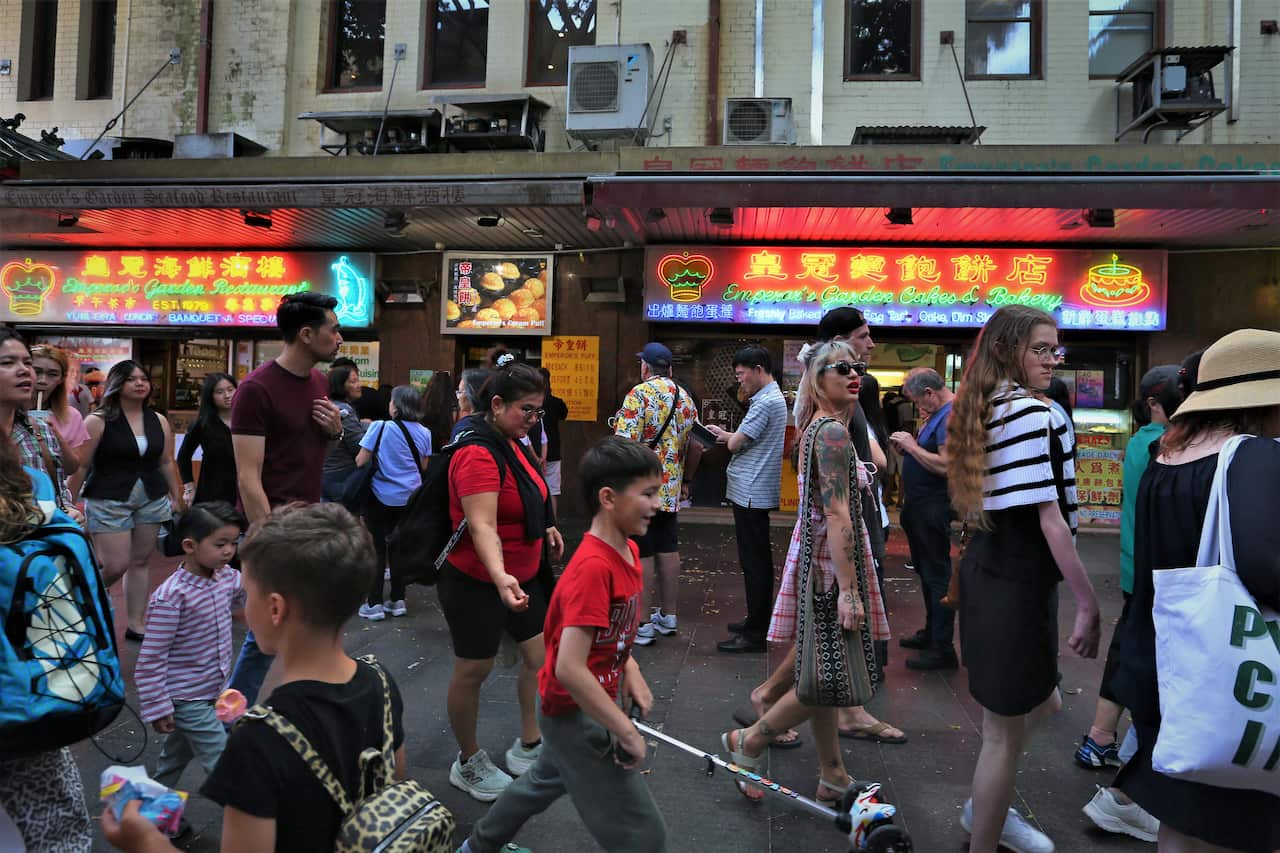
"Within China, everyday tasks like booking a train ticket or online shopping can be tricky when you don't have a resident ID."
"That's not so onerous for me because I don't have any care responsibilities in China, but most migrants do.
"I think that would be the key consideration for many permanent residents thinking about becoming Australian citizens — will giving up Chinese citizenship make it harder to look after my family back home? What if my parents are sick? Will I be able to help in an emergency?
"Those care responsibilities can be especially heavy if you're an only child, which is most working-age people from China because of the one-child policy."
Unity, not division
Om Dhungel, a Bhutanese refugee who arrived in Australia in 1998 and has since helped thousands of Bhutanese settle in Western Sydney, told SBS News that he wants to see politicians focus on what unites people, rather than what divides them.
"Citizenship is more than a legal status, it is a commitment to belonging, participation, and contribution to the nation we are building together," he said.
"At the same time … we should avoid creating fear or division around migrants and refugees because most people come to Australia seeking opportunity, safety, and a better future for themselves or for their children, just as others that have come before us."
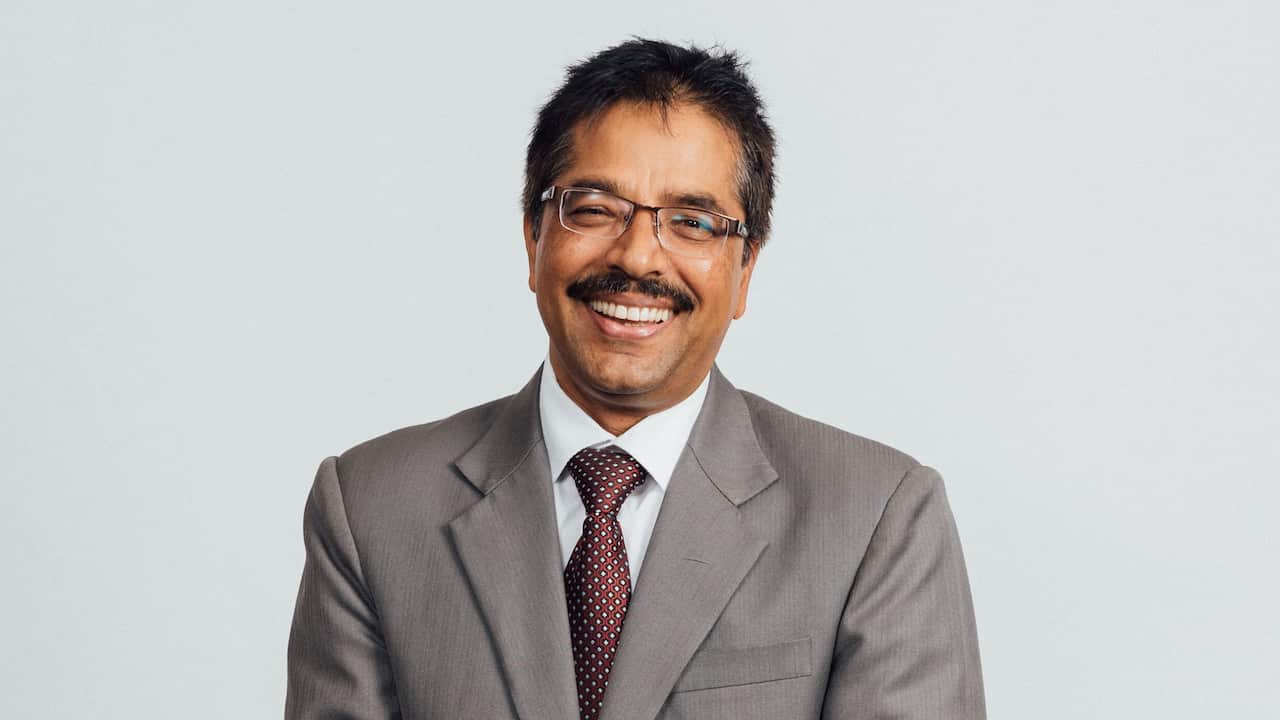
Dhungel noted that he relied on government benefits briefly while he was establishing himself in the country, but that he, like many migrants, was conscious of not being a "burden on the government".
According to the Australian Bureau of Statistics, skilled migrants are far less likely than the total population to access unemployment payments, with only 1.7 per cent of them doing so, compared with 6.4 per cent of the country.
Keeping his own citizenship was never a choice afforded to Dhungel but he argues that there ought to be a balance between identity abandonment and support.
"For me, the real question is, how do we help people become connected, contributing Australians, while maintaining the richness of their own heritage?"
One Nation
The Coalition's plan has been criticised by migrant advocacy groups, including the Federation of Ethnic Communities Councils of Australia (FECCA), which said in a statement last week that skilled migrants are essential to the country's productivity.
"Migrants contribute enormously to productivity, economic growth, and community life, but people must be supported through their settlement journey in order to fully participate and thrive, and to ensure the nation continues to prosper," Jill Morgan, interim CEO of FECCA said.
Similarly, the Multicultural Centre for Women's Health criticised the policy as political scapegoating that only deepens migrant insecurity.
"Better policy starts with addressing structural inequality, not targeting communities," CEO Dr Adele Murdolo told SBS News.
Adding to the criticism is Liberal backbencher Andrew McLachlan, who said on Tuesday that "we cannot continue to blame migrants for the problems of our economy".
"I don’t think our rhetoric meets the needs of the broader community. I think our rhetoric used alienates migrant communities," McLachlan told reporters while adding that there is a legitimate conversation to be had about migration levels.
One Nation leader Pauline Hanson did, however, celebrate the Liberal policy shift, claiming that she has been pushing the same notion for decades.
"While they’ve been telling everyone that One Nation has no policies, they’ve been reading them very carefully because they’re desperate for some good ideas," she said.
"I’m pleased they’ve seen some light at last."
Hanson would seek to cap immigration numbers at 130,000 people per year and ban migrants from countries she claims "foster extremist ideologies".
For the latest from SBS News, download our app and subscribe to our newsletter.







