More than half of Australians think migration rates are too high. What's behind the numbers? Watch Insight episode High on Immigration on SBS On Demand.
Tasman and his 13-year-old daughter live in a two-bedroom Gold Coast apartment that the paramedic bought for $300,000 in 2019.
"It was the worst [property] on the street in that time," Tasman said, but it was close to his daughter's school, and they have since "renovated it and made it our own".
"Strangely enough, that same property is now worth [an estimated] $900,000," said Tasman, who is now in his late 30s.
"It's good for me, but I look at the next generation. The Gold Coast is my daughter's hometown. And the prices on the Gold Coast ... I just don't see it happening for her.
News that makes sense
Your trusted source for staying up-to-date with the world around you. Get free daily news updates and analysis, straight to your inbox.
"You could say people are getting pushed out of paradise."
Tasman — who has attended anti-immigration March for Australia rallies and has switched from voting for the Liberal Party to One Nation — said he's "not against migration" in general.

"I'm calling for the numbers to be capped. I'm not for massive migration.
"I want affordable housing. I want the next generation to have hope so they can work hard to have a piece of their own."
He also doesn't just single out international migration: "We've also had an increase in domestic migration coming to Queensland in the last five years."
In fact, the influx to the Sunshine State started well before that, with Census data showing more people moved interstate to Queensland than any other state or territory in the five years to 2021.
Fifty-three-year-old Angela from Sydney is on the other side of the political spectrum from Tasman, but she also thinks that current migration levels are among the factors making housing more unaffordable and harder to find.
Alongside migration, she's also quick to cite things like the capital gains tax discount as one of the factors driving up property prices.
"I've seen where there has been pockets of affordable housing to being no affordable housing, and families just not being able to stay in the area," she told Insight.
However, she stressed that "it's about the numbers" not the ethnic or religious backgrounds of migrants.
"I'm very upset with some of these political parties that pick on minorities. When, you know, large portions of people are coming from Western countries, and we don't talk about that."

Professor Alan Gamlen, director of the Australian National University's (ANU) Migration Hub, said the experiences of people like Angela and Tasman are "real" and the sense that immigration levels are to blame is "widely shared".
For instance, survey results published by Macquarie University researchers in late 2025 found that, in terms of factors survey respondents believe are "contributing most to the housing problem", 32 per cent of those aged 18-34 selected 'immigration/population growth'.
Among those aged 35-64, that rose to 39 per cent, while for those 65 and older, it was 46 per cent.
Housing and population — by the numbers
Before more closely examining this "widely shared" belief, let's look at the official data on both housing and migration from the Australian Bureau of Statistics.
Firstly, it's indisputable that both property prices and rents have significantly increased in recent decades.
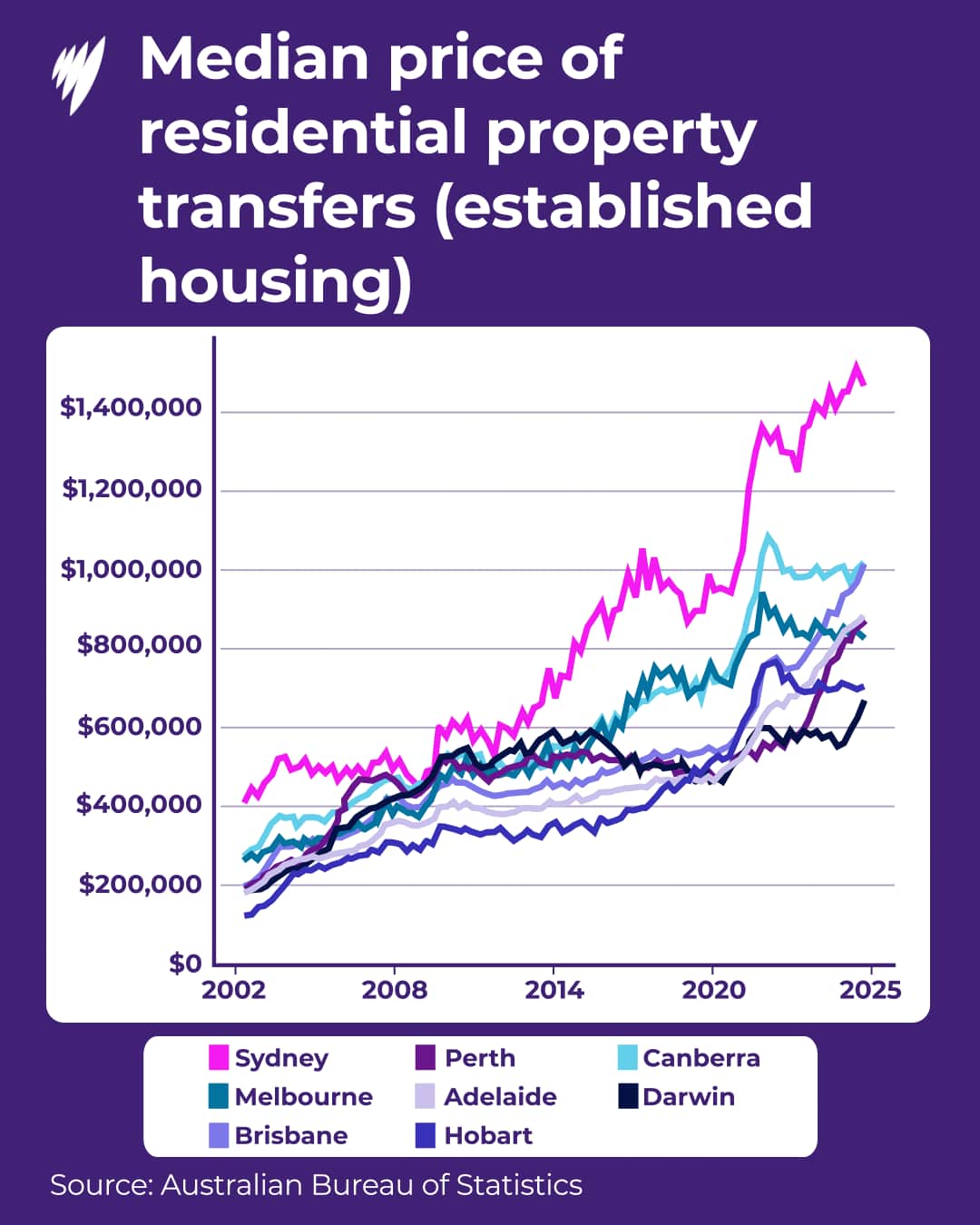
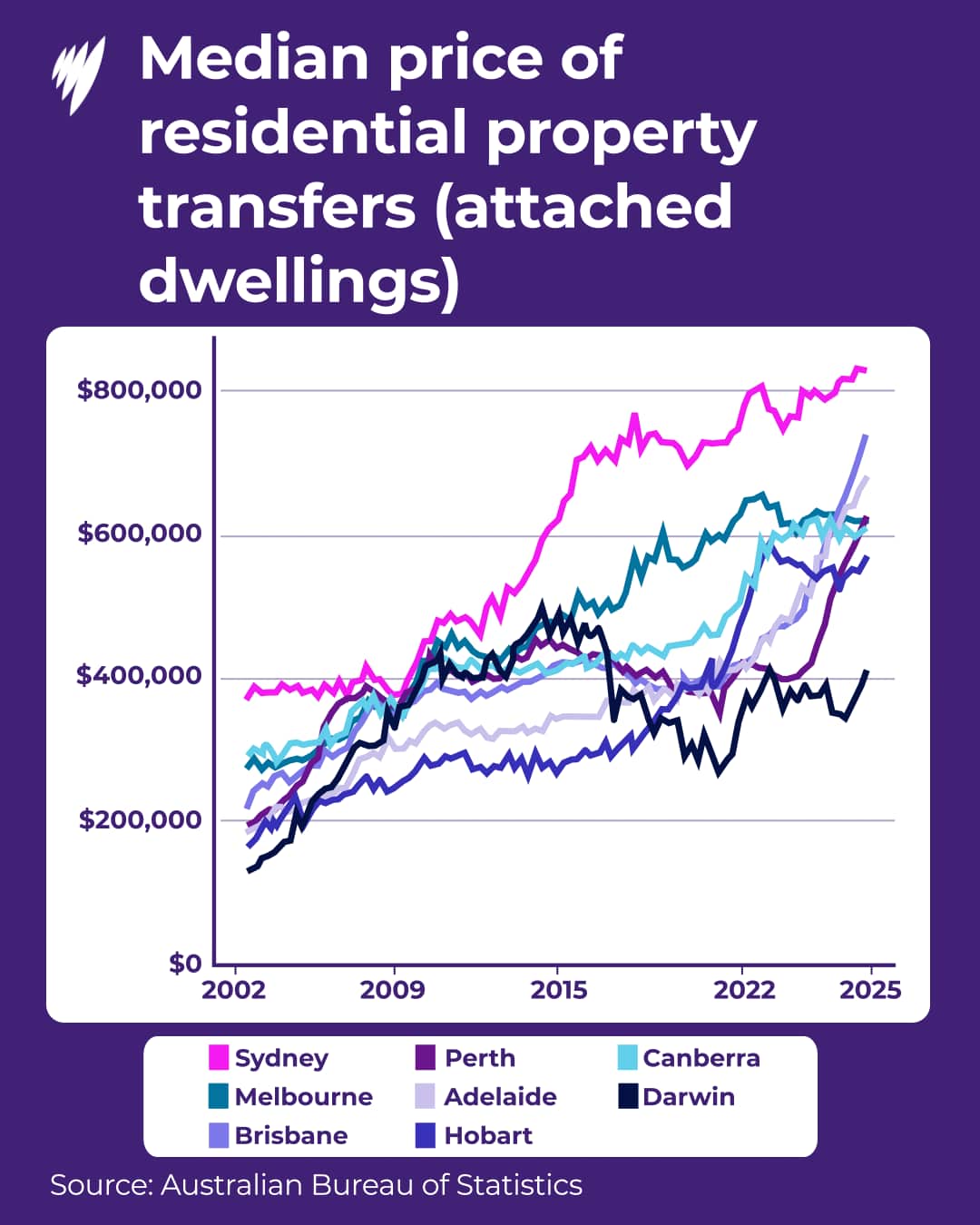
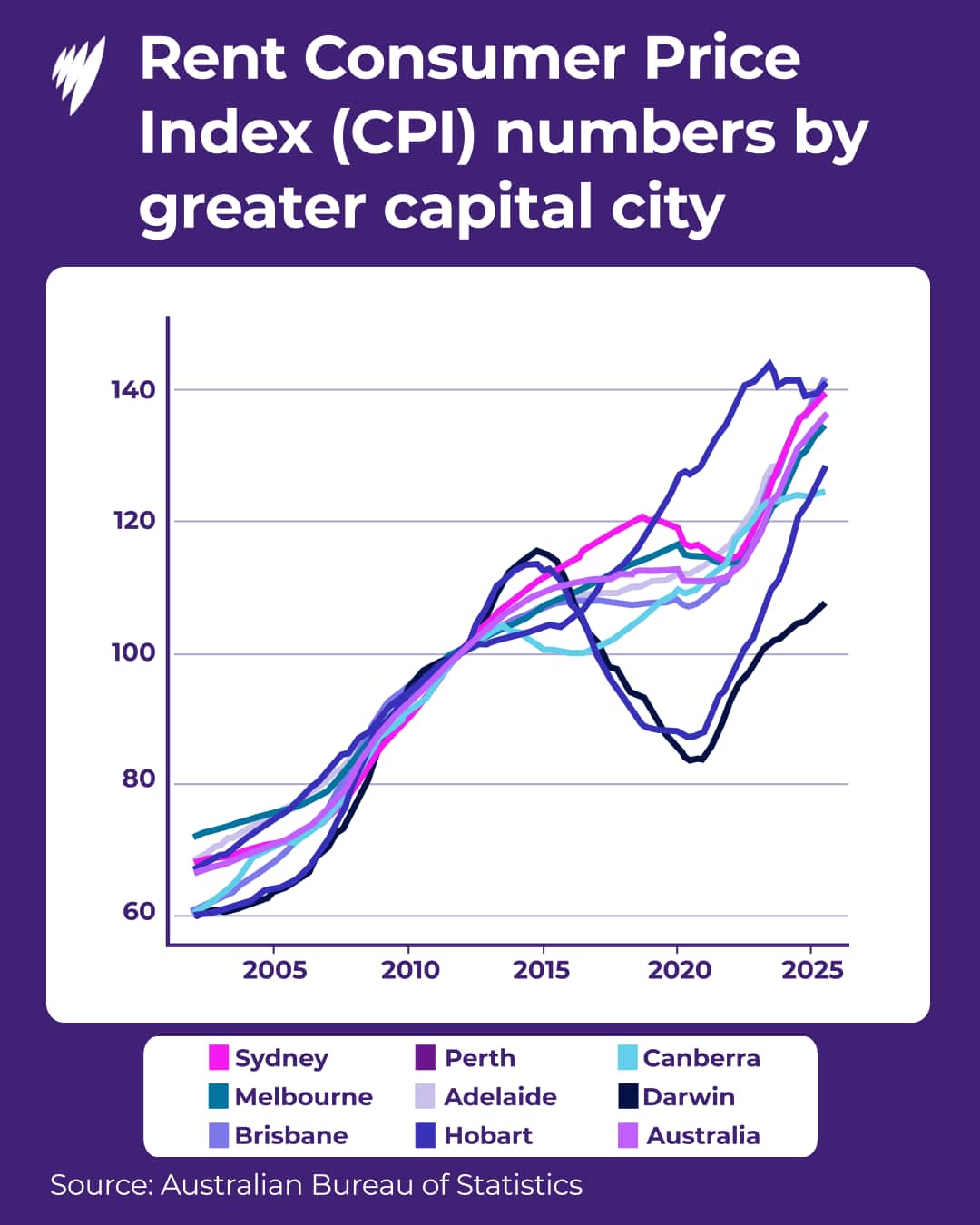
It's also clear that, excluding COVID-19-induced border closures in 2021, net overseas migration (NOM) has accounted for a greater share of population growth in Australia in recent years.
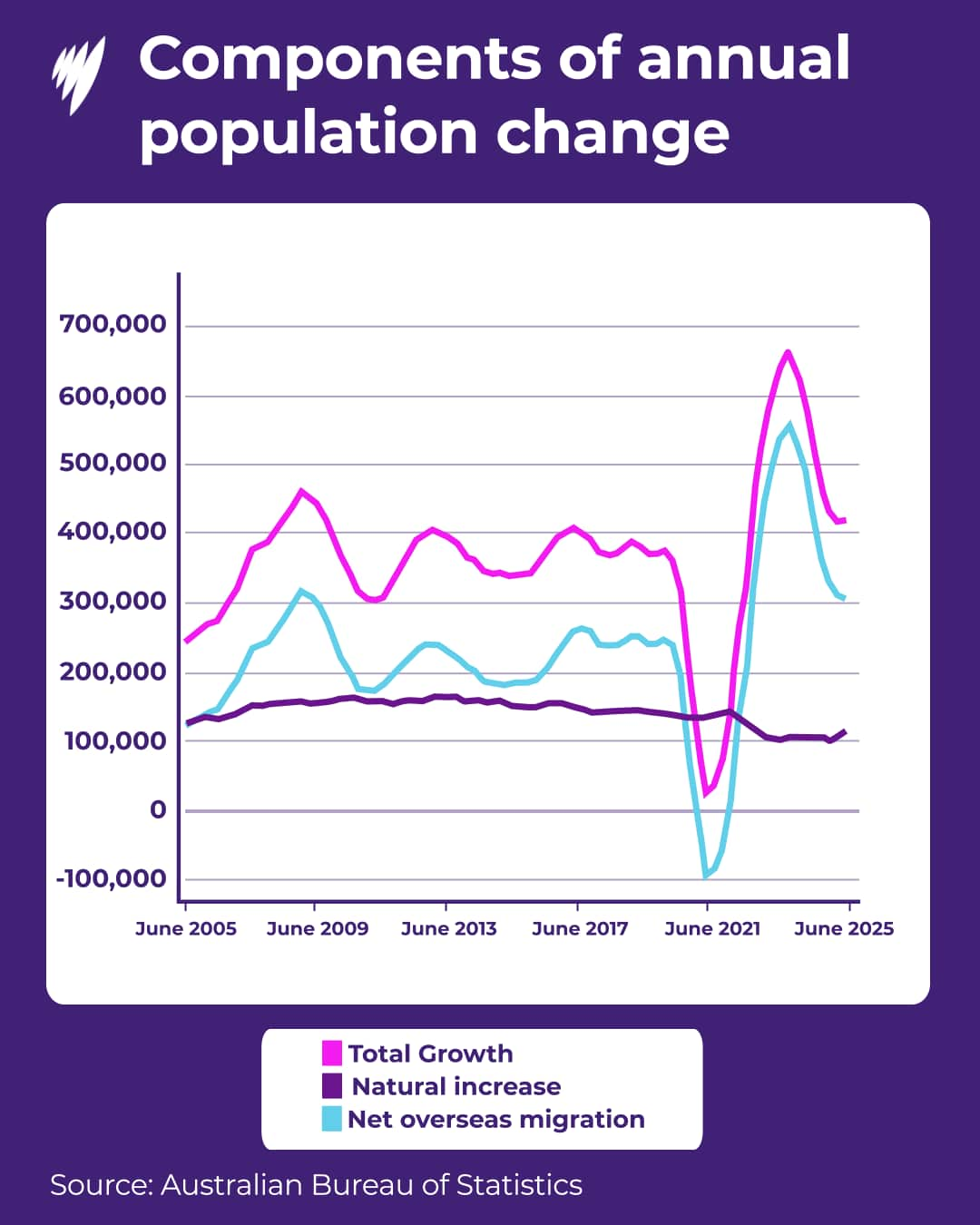
That share peaked at 83.98 per cent in September 2023, when NOM (arrivals minus departures) was 555,798 and the 'natural increase' (births minus deaths) was 106,019 or 16.02 per cent.
'A big puzzle that we have to solve'
While many experts agree that the level of migration has some effect on housing, they are divided on how significant that effect is.
Gamlen from the ANU said: "There's a widespread but mistaken belief that migration is the main driver of Australia's housing affordability crisis, and that reducing migration is the solution."
"The research consistently shows that migration has a negligible ... a relatively small impact on housing costs."
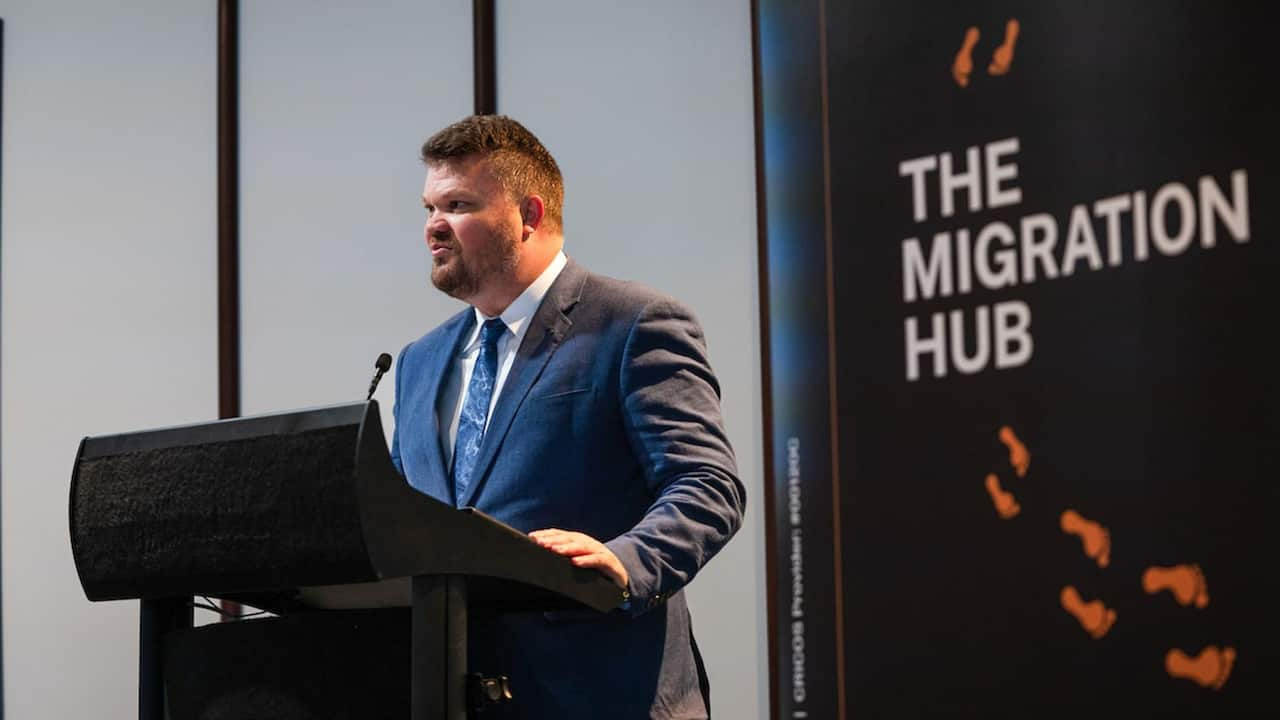
While the housing crisis is "a big puzzle that we have to solve", migration is only "a small part of it".
According to Gamlen, factors such as land availability, dwelling approval rates, construction costs, labour shortages, tax incentives such as negative gearing, interest rates, and wealth levels, "are more important drivers than migration of Australia's housing affordability crisis".
"Despite these well-documented drivers, migration remains the dominant political scapegoat," he said.
In late 2023, more than 40 housing, homelessness and community services organisations wrote to the prime minister and Opposition leader, expressing concern that migrants were being scapegoated as the primary reason for the housing crisis.
Citing analysis from research group SQM, the group noted: "Rents rose more between March 2020, when borders closed, and February 2022, when borders fully reopened, than the entire decade prior. House prices similarly surged by 25 per cent over the same period."
Federation of Ethnic Communities' Councils of Australia chair Carlo Carli said at the time that this phenomenon was common during difficult economic periods.
"Times are tough and it's easy to look at migrants and say, 'well, there's your problems.'"
Brendan Coates, the housing and economic security program director at the Grattan Institute, also urged people against seeing migration as the primary driver of housing demand — and thus higher prices and lower availability.
"Migration is a big driver of Australia's population growth and population growth is a big part of the extra demand for housing, but not the only part."
"Migration accounts for the bulk of population growth, but migration might only account for less than half of the increase in housing demand since the pandemic," he told Insight.
"Housing demand also rises with Australians' incomes, and as their population ages, and from transitions like the pivot to working more from home."

He also notes that a change in average household size has had a significant effect.
"It's gone from 2.55 people in late 2020 down to 2.48 people a couple of years later. And it's come back a little bit, but basically that change alone implies demand for an extra 275,000 homes just to house the existing population."
To put that number in perspective, construction on 220,265 dwellings was underway across the nation in the 2025 September quarter, according to ABS reports.
'Massive pressure on the rental market'
However, former Treasury economist Leith van Onselen said migration numbers matter far more to housing than other experts give them credit for — especially when it comes to rent.
"Migrants tend to rent first. So, they rent before they purchase. It just puts massive pressure on the rental market," the MacroBusiness Fund chief economist said.
Van Onselen estimates that migration levels only account for around 25 per cent of the various influences on house prices, while for rents, it's more like 75 per cent.
"In the rental market, [the effect of migration levels is] massive, because within the rental market you can't borrow to rent; there's no financial leverage component."
"Typically, [migrants] arrive poor. And secondly, not just arriving poor, they've got to build up time to establish themselves.
"Also they tend to come as temporary migrants first and then they transition to a permanent migrant later on. So, they virtually always rent first," he said, adding that this tendency to rent also applies to Australia's large intake of international students.
Van Onselen also believes that, via the upward pressure it puts on rents, high migration rates have an "incredibly pernicious" impact on first home buyers.
"First home buyers, before they purchase, they typically rent. So, if you drive up the cost of renting, you make it harder for them to save a deposit," he said.
"Now, according to AMP chief economist Shane Oliver, he believes that the housing shortage is currently between 200,000 and 300,000.

"The federal government's own National Housing Supply and Affordability Council forecasts that demand through population growth is going to exceed supply for the next five years, and the housing shortage is going to worsen by another 79,000 on top of that.
"So, this just means that it's terrible news if you're a renter because, unfortunately, population demand is projected to continue exceeding supply."
Unlike van Onselen, Gamlen argues that, according to research, there's "only a minor, weak, short-run relationship between international migration and the rental market".
Housing, migration and federal politics
While some people clearly believe the major parties have let immigration levels generate a housing crisis, it's not an issue that either Labor or the Coalition have totally avoided talking about.
Gamlen notes that "both major parties, at various times and somewhat inconsistently, have advanced the view that cutting migration is key to addressing housing stress".
While federal Labor figures usually highlight a lack of supply as the primary reason for the housing crisis, they have in the past linked a supply-demand imbalance to migration policy.
In an April 2023 National Press Club Address, coinciding with Labor's major overhaul of its migration system, then home affairs minister Clare O'Neil made the following comments:
"I said upfront that our migration program was unstrategic and unplanned. And there is no better example of that than our housing market."
However, O'Neil also highlighted that the "very genuine and significant challenges [in] providing safe, affordable housing for Australians" were "not caused by migrants", but rather a long-term lack of "serious housing policy".
The Coalition has drawn a more explicit link between migration levels and housing.
In his first press conference since winning the Liberal party leadership on 13 February, Angus Taylor said: "Record immigration has added pressures to infrastructure, to services, to housing in this country."
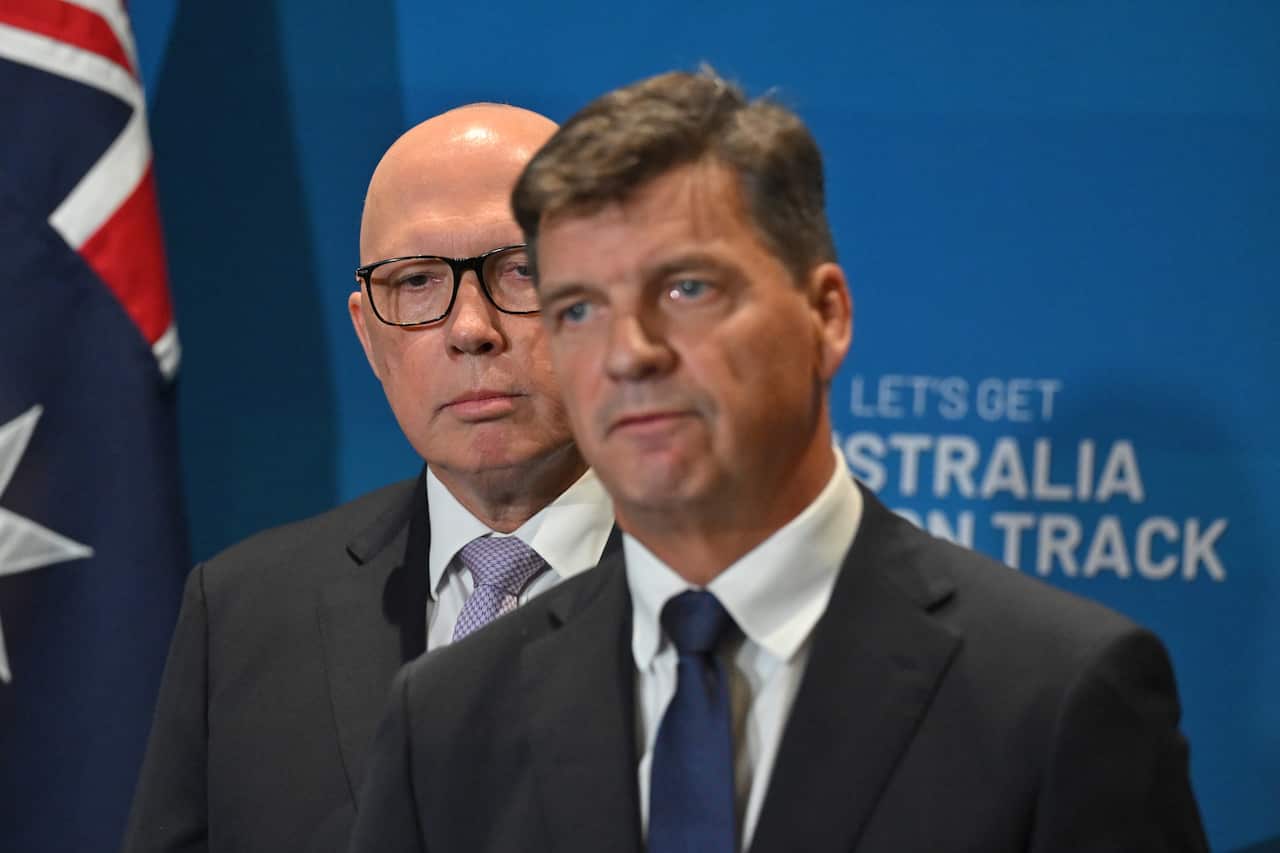
Taylor's remarks echo those of his party leader predecessors, such as Peter Dutton, who has long argued that high levels of migration were deepening Australia's housing crisis.
"I want to restore the dream of home ownership ... and that's why fixing the housing crisis and rebalancing our migration programme are also priorities for a Coalition government," he said ahead of the May 2025 federal election.
'A lot of things that need to be fixed'
Since the Coalition's disastrous May 2025 election result, polls have indicated that the Liberals and Nationals have been bleeding support to their right — namely to One Nation.
Van Onselen said one of the reasons voters such as Tasman have shifted their support from the Coalition to One Nation is because they think that major parties aren't taking migration levels seriously as a policy issue.
He said the large number of Australians who want lower levels of migration have been "ignored by our political leaders".
"As a result, Australians are now looking to alternatives. And the only real alternative that's pushing for lower immigration is One Nation."
Tasman agrees, saying migration levels are the reason he shifted his vote to One Nation.
"The Liberals and Labor have tag-teamed high migration and fiscal recklessness for decades. Each then just pass the buck and blame each other," he said.

"Migration sadly drives the bulk of population growth, demand keeps smashing supply. Saying it's minor doesn't pass the pub test.
"Land approvals, building costs, and taxes are definitely an issue, but what can we stop today? Mass Migration."
Angela also reaffirmed that, for her, immigration is not the only factor driving the housing crisis, but is one that cannot be ignored.

"It's the tax system that's driving a lot of the speculative buying, but it's also the sheer numbers of people coming into the country. So, it's like ... I just think the whole system's broken.
"There is a lot of things that need to be fixed."
Watch your favourite Insight episodes around the clock on SBS On Demand's dedicated Insight channel. For the latest from SBS News, download our app and subscribe to our newsletter.

Insight is Australia's leading forum for debate and powerful first-person stories offering a unique perspective on the way we live. Read more about Insight

Have a story or comment? Contact Us







