The Earth's "vital signs" are at record extremes and endangering life on the planet, according to new research from a global team of climate scientists.
The paper, published in BioScience, found that 20 of the 35 planetary vital signs the researchers use to monitor potential drivers of climate change are at the highest levels recorded in human history.
They include things such as greenhouse gas emissions, ocean temperatures, fossil fuel subsidies, human population, and meat production.
Before 2000, global daily mean temperatures had never exceeded 1.5C above pre-industrial levels — the lower end of the international global warming target set out in the 2015 Paris Agreement.
But in the first nine months of 2023, there were 38 days that exceeded that threshold — more than any other year — with the potential for that number to increase during the southern hemisphere's summer.
News that makes sense
Your trusted source for staying up-to-date with the world around you. Get free daily news updates and analysis, straight to your inbox.
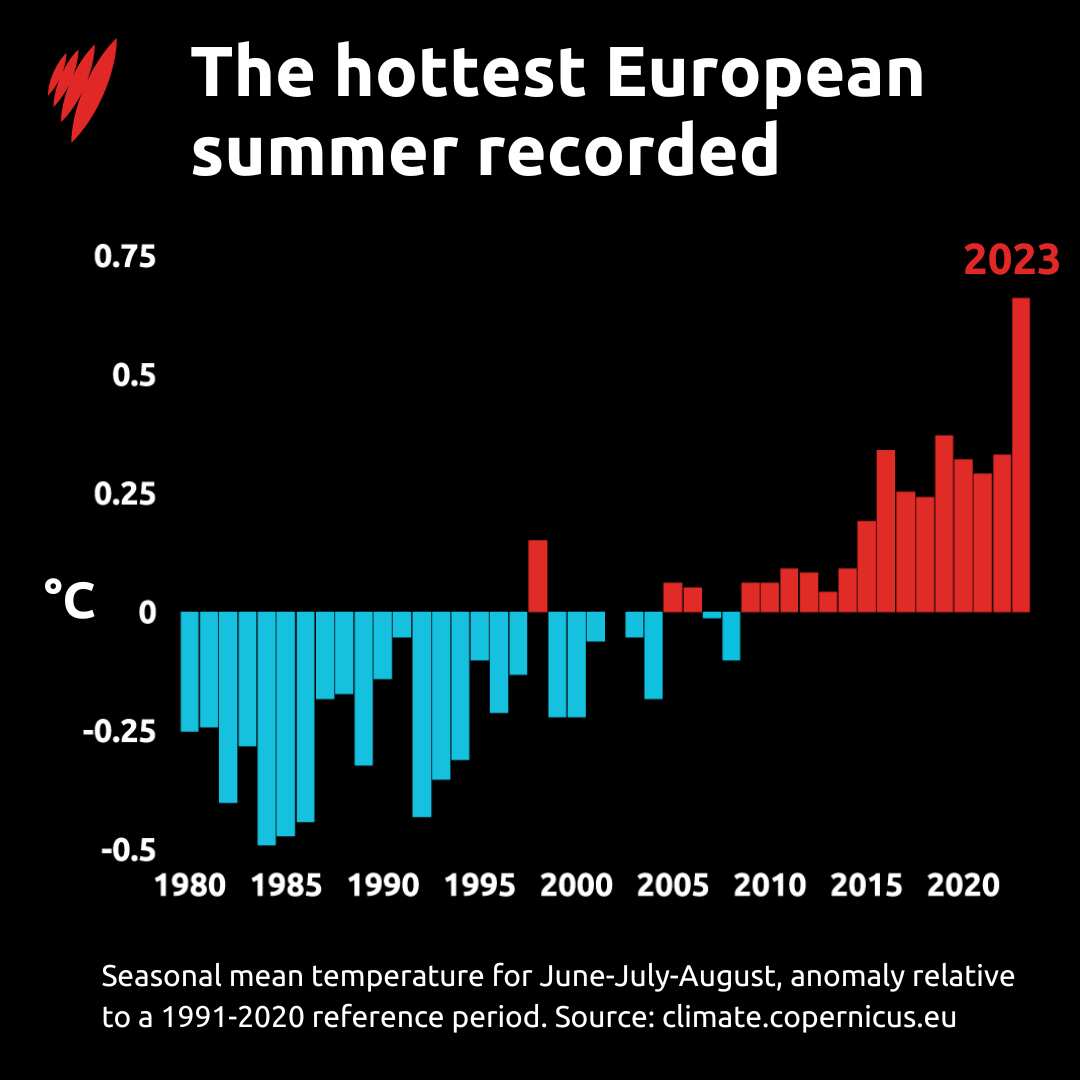
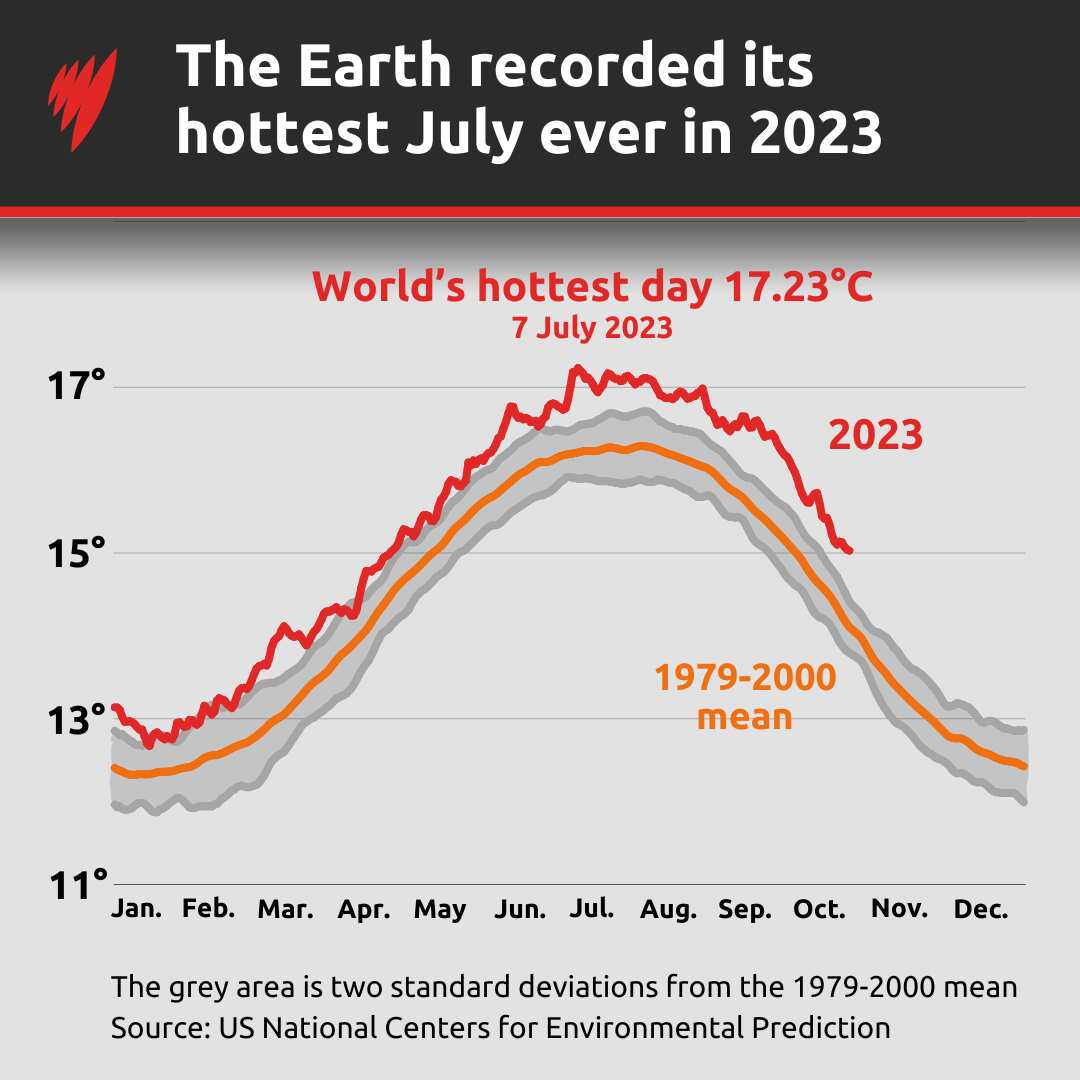
In July, the Earth's highest average surface temperature ever documented was recorded, with scientists believing it could be the hottest seen in the last 100,000 years.
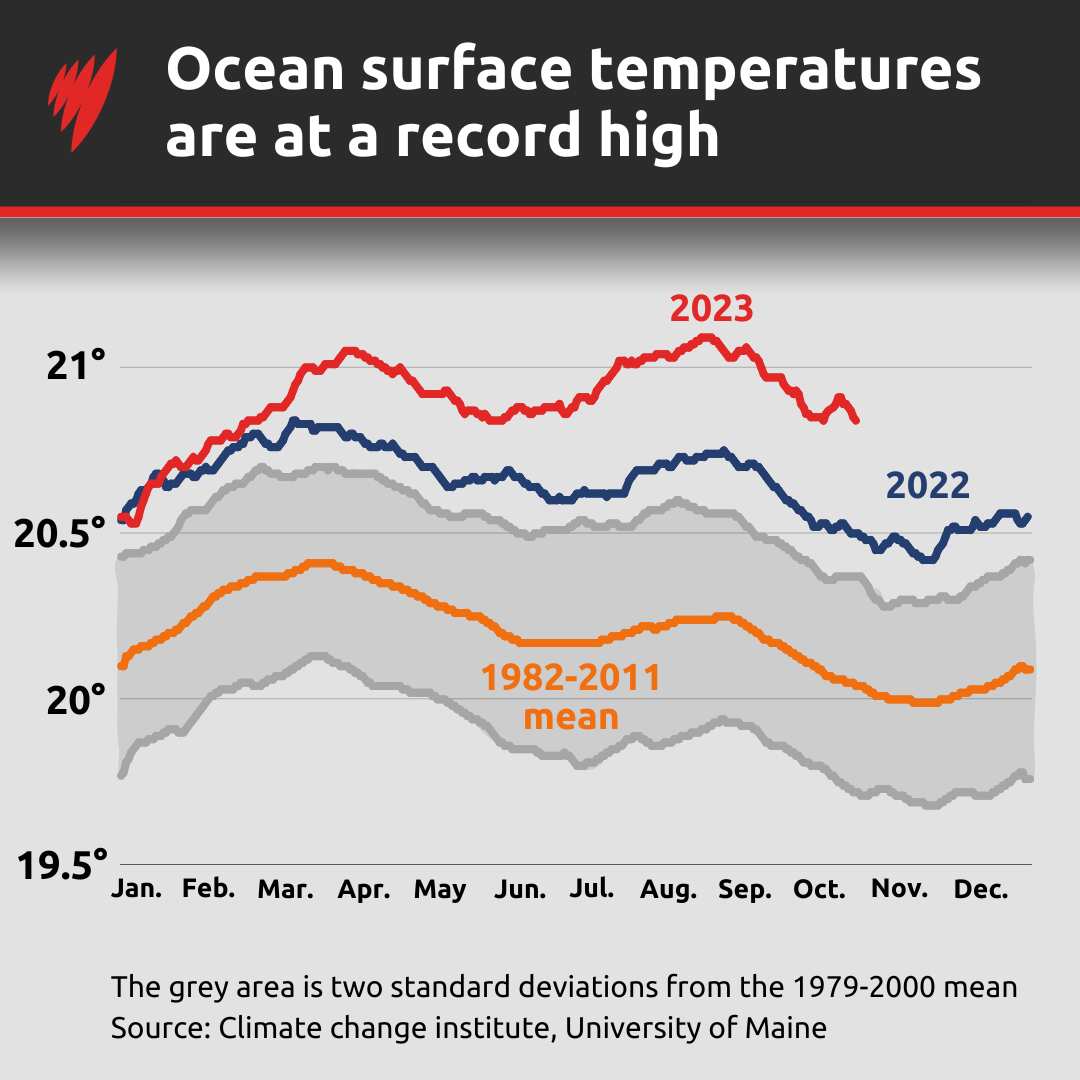
Global ocean surface temperatures and sea levels also reached record highs in the last 12 months.
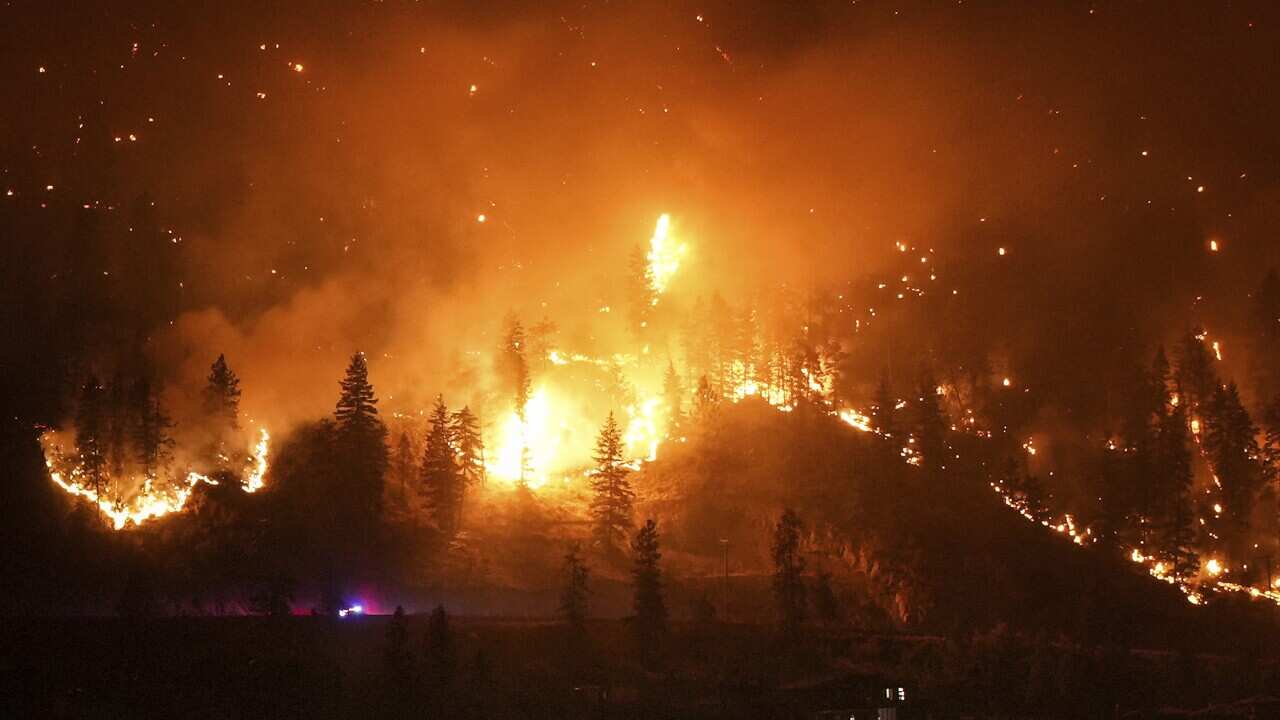
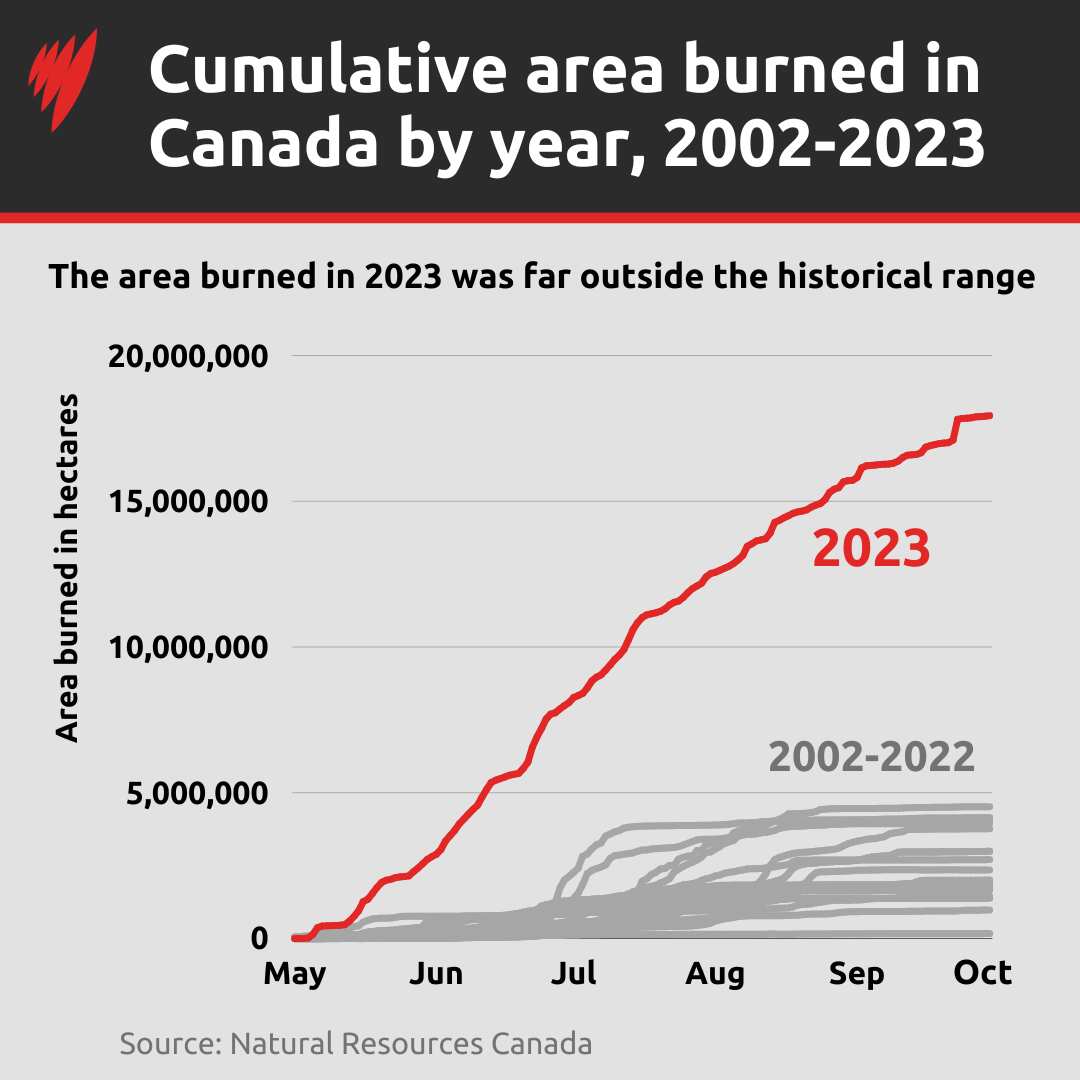
Wildfires in Canada this year burned 16.6 million hectares and released more than a gigaton of carbon dioxide into the atmosphere — greater than the nation's total greenhouse gas emissions for 2021.
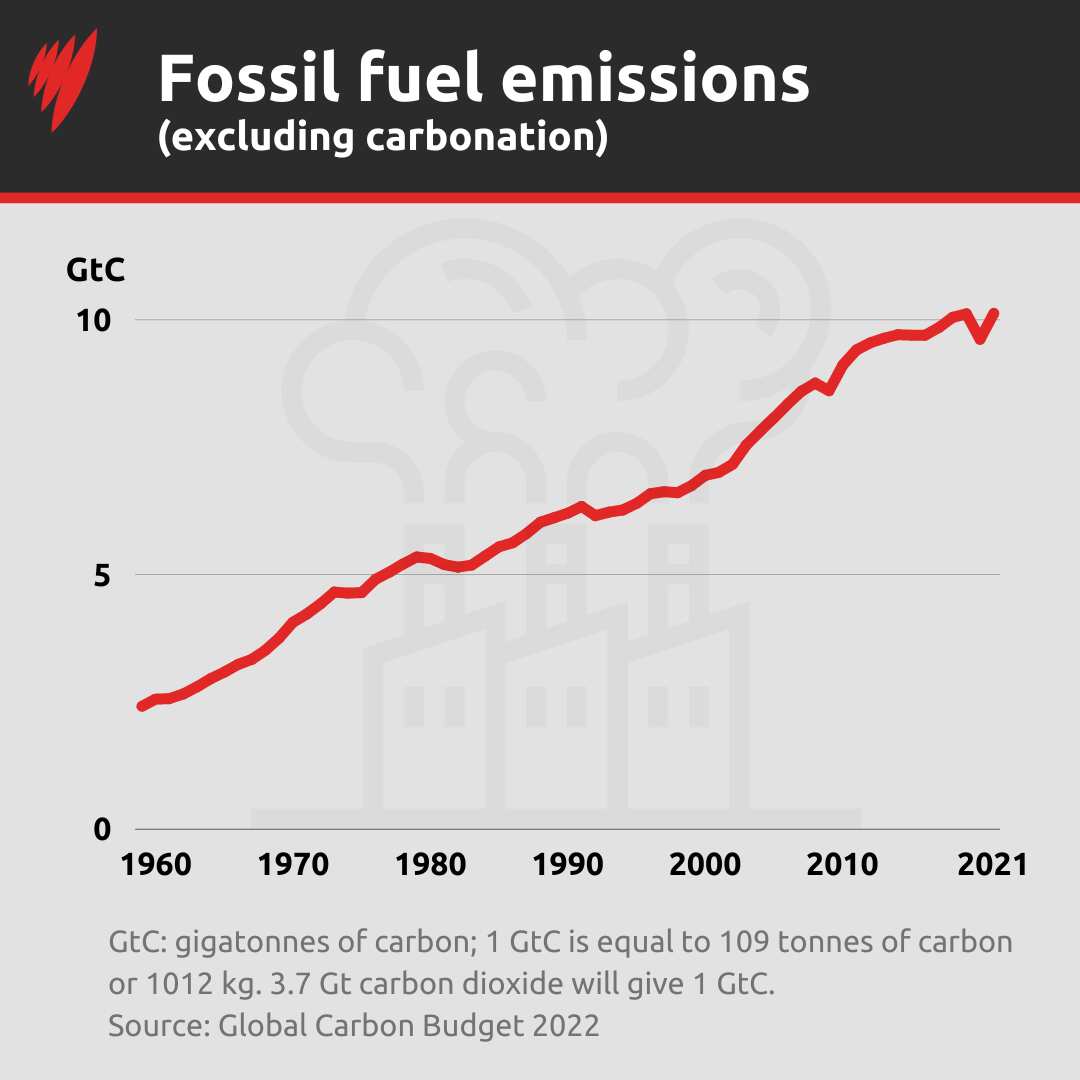
Fossil fuels such as coal, oil, and gas are the largest contributors to climate change, with emissions recently reaching an historic high in 2021.
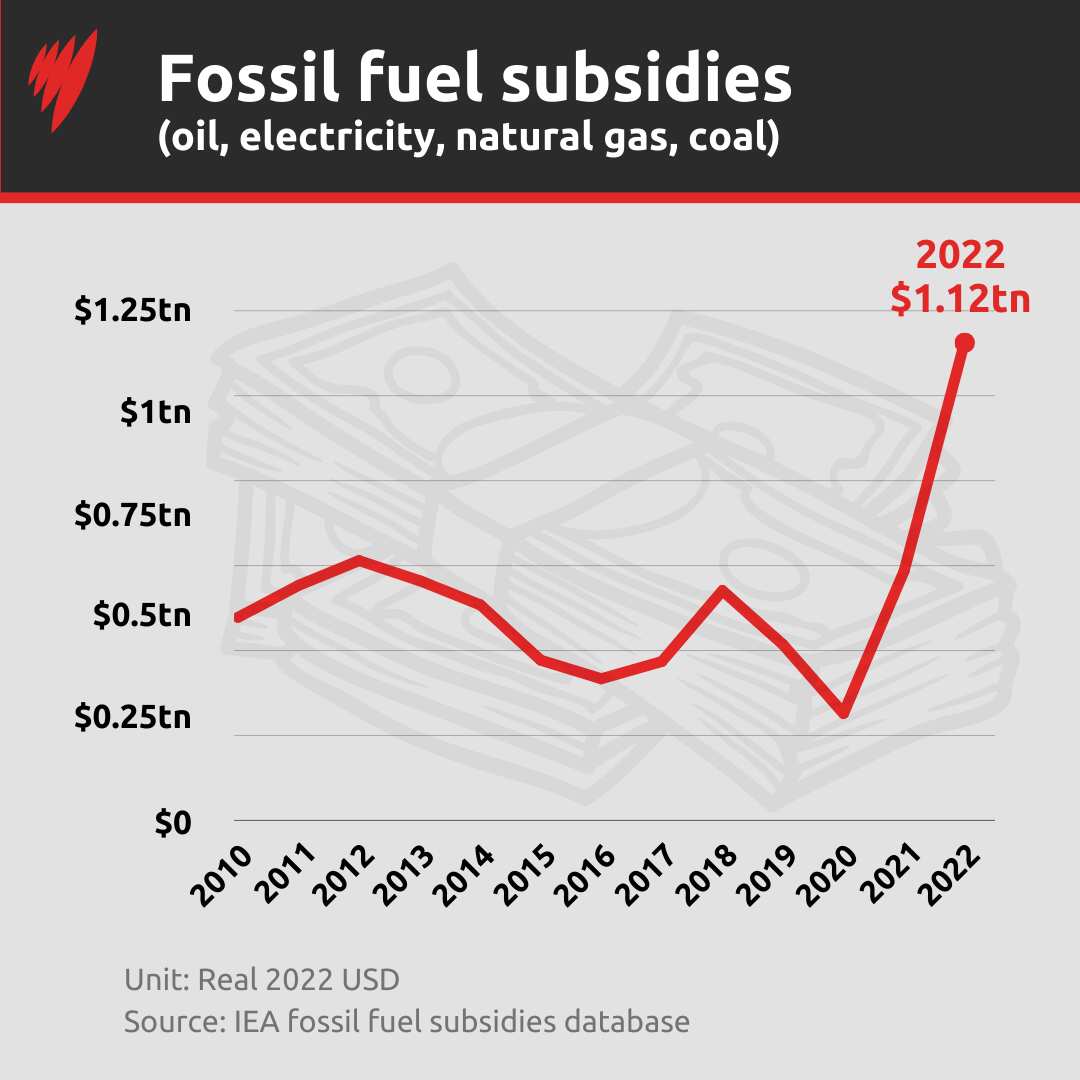
Despite this, global fossil fuel subsidies almost doubled between 2021 and 2022 — from $US531 billion ($835 billion) to just over $US1 trillion ($1.57 trillion), according to the International Energy Agency (IEA).
William Ripple, one of the paper's co-authors and a distinguished professor at Oregon State University in the United States, said the data showed life on Earth was "clearly under siege".
"The statistical trends show deeply alarming patterns of climate-related variables and disasters," he said.
"We also found little progress to report as far as humanity combating climate change."
The planet is venturing into "uncharted climate territory", increasing the likelihood of natural disasters becoming more frequent, the scientists warned.
"Without actions that address the root problem of humanity taking more from the Earth than it can safely give, we're on our way to the potential partial collapse of natural and socioeconomic systems and a world with unbearable heat and shortages of food and fresh water," Ripple said.







