In brief
- An explosive-laden drone was detected and defused at Leipzig airport last month.
- EU leaders allege it was a hybrid attack by Russia, a claim Russia denies.
European Union countries have summoned Russia's envoys and discussed fresh sanctions after a drone incident in Germany that the bloc's foreign policy chief said bore the marks of "state-sponsored terrorism".
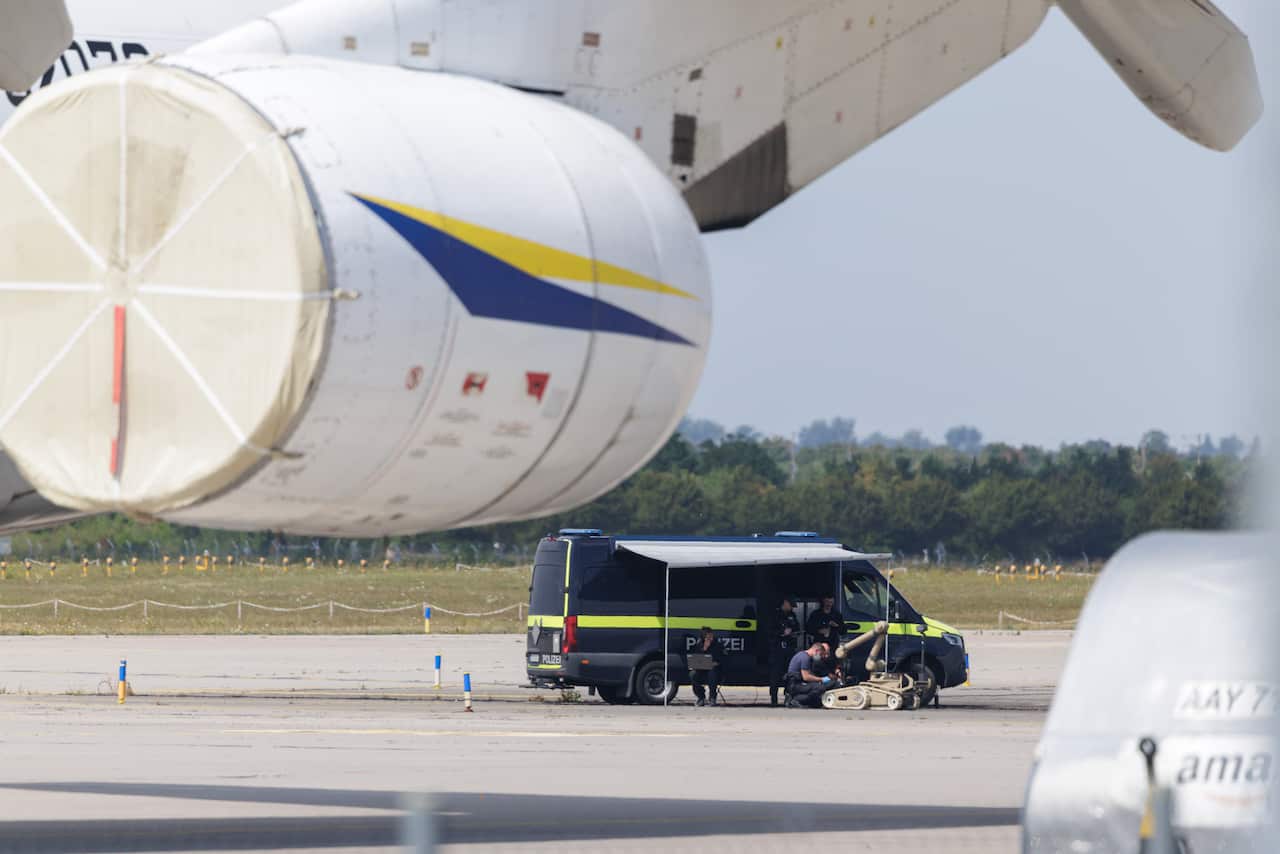
Airport workers last month found a drone laden with explosives and a detonator at Leipzig airport, an important civilian freight and NATO logistics hub in eastern Germany that is also a base for several giant Ukrainian Antonov An-124 cargo planes.
Germany blamed Russia for the attack, characterising it as part of hybrid warfare meant to intimidate and cause divisions in countries that have rallied around Ukraine since Russia's 2022 invasion.
Police used a robot to defuse the device near a Ukrainian cargo plane. Another drone was reportedly found weeks later near the airport, also with traces of an explosive substance.
Russia denies involvement. It says it will respond to what its foreign ministry spokesperson called "anti-Russian action", and summoned Germany's top diplomat in Russia.
News that makes sense
Your trusted source for staying up-to-date with the world around you. Get free daily news updates and analysis, straight to your inbox.
"It is clear that it has all the hallmarks of state-sponsored terrorism," EU foreign policy chief Kaja Kallas said at a meeting of the bloc's foreign ministers in Ireland.
"The question is, what do we do about this?"
Kallas said the EU had summoned the Russian envoy, and member states were doing the same.
"We will not let an act of such gravity go unpunished," French foreign minister Jean-Noel Barrot said, adding he had called in Russia's envoy in Paris.
Sanctions plan
Kallas said that EU foreign ministers agreed to continue working on a proposal to impose sanctions on 1,600 individuals and entities linked to Russia's military industry, in the hope of adopting it next month.
"Seeing these hybrid attacks across Europe, I think these are also wake-up calls for the countries who have not been so strong ... on this," she said.
"If we want to end this war, we all have to focus our efforts. Take it to a new level."
Germany blamed Russia for the Leipzig incident on Tuesday and said it was shutting a Russian consulate and ending the contract for a cultural centre in Berlin.
Russia's President Vladimir Putin in televised comments later branded those moves "another mistake, a serious one", saying it "clearly runs counter to the interests of the German people".
German media reported on Wednesday that police had identified two Russian suspects linked to the attempt.
The Sueddeutsche Zeitung daily and the regional public broadcasters NDR and WDR said the first suspect was a Belarus national who also held a Russian passport.
The second held Latvian and Russian passports and was believed to have acted as logistics coordinator and instructor for the attack.
Russian escalation
Germany foreign minister Johann Wadephul said there was a "large number of people who can now be sanctioned in addition".
"Russia has escalated, Russia has carried out this hybrid attack, and now Russia must live with the consequences," he said, speaking from Ireland.
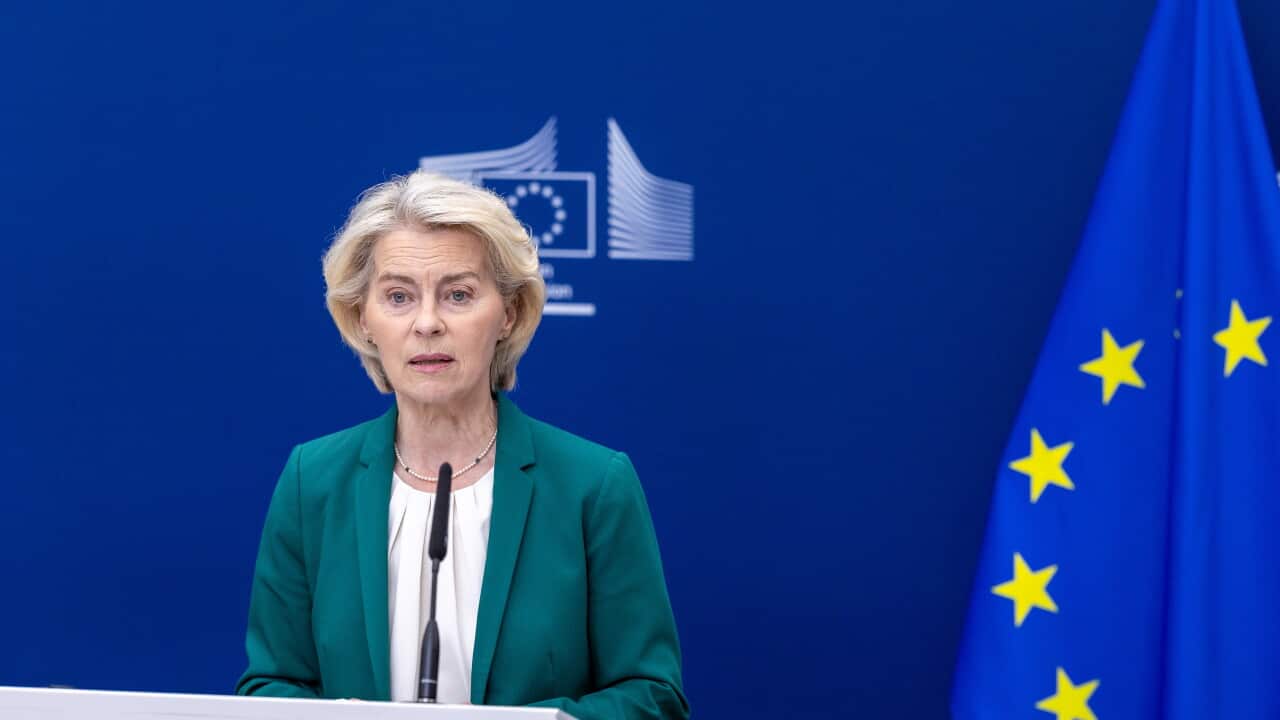
EU chief Ursula von der Leyen said the Leipzig incident marked "a new escalation" in Europe.
"This was an attack using military-grade material carried out by Russian operatives on European Union soil," she said after talks with NATO chief Mark Rutte, adding: "We will not tolerate it."
Von der Leyen warned such incidents had become a "new normal" for Europe as Russia steps up destabilising activities.
"We do not seek conflict with Russia, but Russia seems to be at hybrid war with us," Polish top diplomat Radoslaw Sikorski said.
"We are no longer in regular peacetime."
Lithuanian foreign minister Kestutis Budrys called for more to be done to punish Russia for its actions.
"We have to consider what options we have in our hands and respond, because it is obvious Russia does not see the political cost of the hybrid activities against us," he said.
Kallas said that there was "broad consensus" to continue work on a proposal to ban visas for Russians who fought in Ukraine and increase restrictions for tourists.
She added, without giving details, that there had also been new pledges of desperately-needed air defence missiles for Ukraine.
Discussion has resurfaced on whether the bloc should tap some €200 billion ($323 billion) of frozen Russian central bank assets to fund Ukraine.
For the latest from SBS News, download our app and subscribe to our newsletter.







