In brief
- Cape Verde's run helped justify FIFA's expanded 48-team format.
- The tournament delivered record crowds and revenue, but controversy followed FIFA.
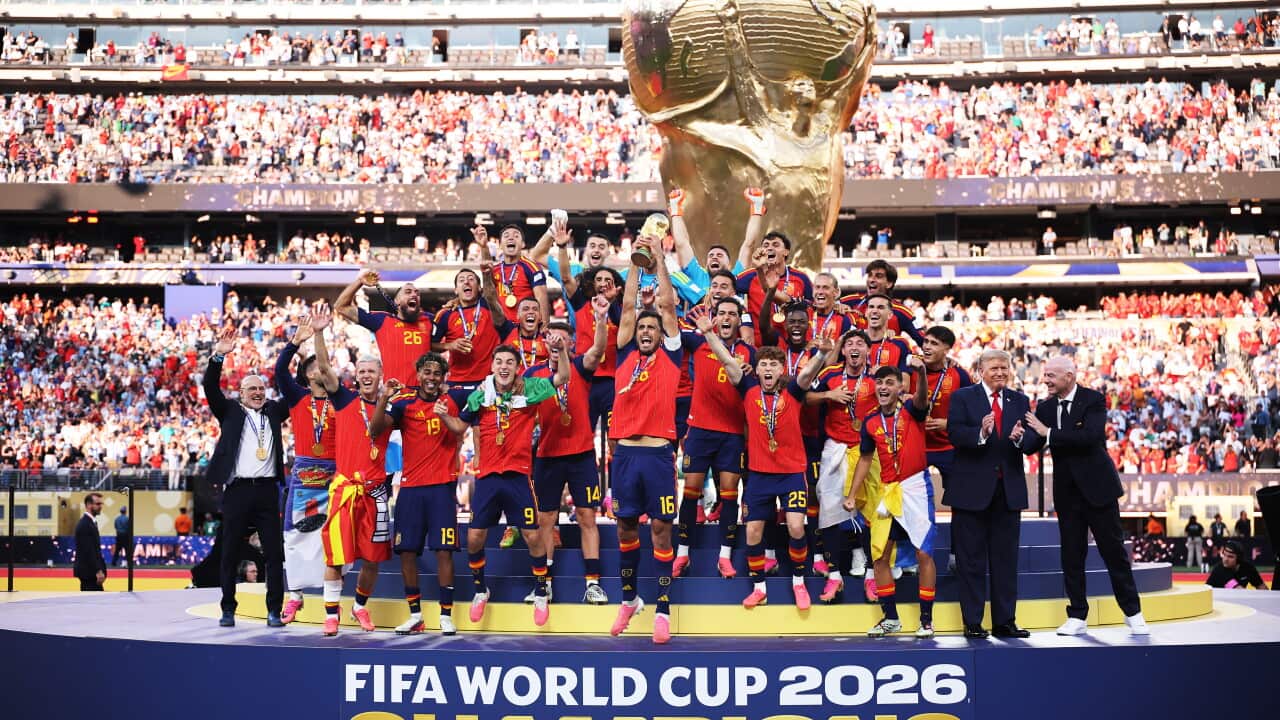
The biggest World Cup in history came to a close on Monday, with Spain defeating Argentina to lift football's biggest prize.
On many measures, the tournament was a resounding success. But it was also a World Cup of contradictions.
Cape Verde's remarkable run became the tournament's fairy-tale story, vindicating FIFA's decision to expand the format to 48 teams.
Millions of fans flocked to the United States, Canada and Mexico, packing out sold-out stadiums with the hosts receiving near-universal praise for their hospitality.
Norwegian fans took over the New York subway for the iconic "Norwegian Row", while Scotland's Tartan Army drank Boston's bars dry, becoming among the tournament's most memorable fan stories.
News that makes sense
Your trusted source for staying up-to-date with the world around you. Get free daily news updates and analysis, straight to your inbox.
But the World Cup was also marked by controversy.
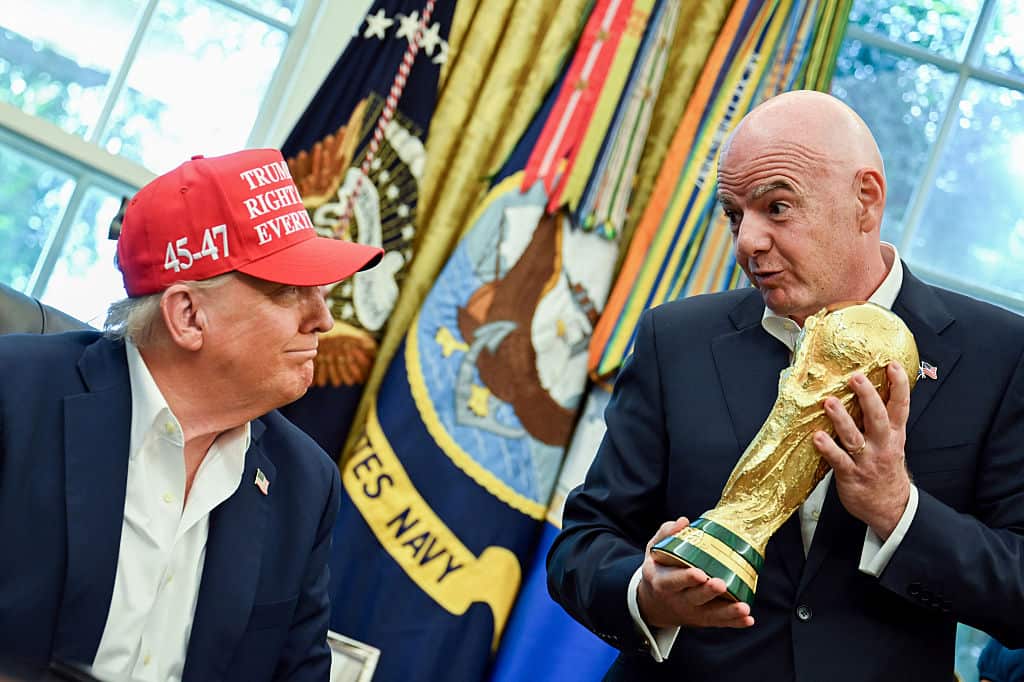
US President Donald Trump's intervention over a one-match suspension handed to USA striker Folarin Balogun drew widespread criticism.
The treatment of the Iranian team and Somali referee Omar Artan, as well as increased prices and debate over favouritism, also fuelled criticism of FIFA.
So what defined this World Cup? And are FIFA's biggest changes here to stay?
FIFA's most lucrative World Cup
FIFA was undoubtedly the biggest winner.
The president of footballs governing body, Gianni Infantino, on Saturday declared it "the greatest FIFA World Cup of all time", surpassing all expectations.
And he had good reason to be happy.
While FIFA is yet to release its official financial results, The Guardian reported the tournament generated a record $21.4 billion in revenue — far exceeding pre-tournament forecasts.
However, that success was often at the expense of fans.
Those who made the trip needed deep pockets, with ticket prices skyrocketing with the introduction of dynamic pricing and an inflated resale market that saw FIFA take a 30 per cent cut.
Concerns high prices would result in empty seats proved largely unfounded.
FIFA said more than 6.6 million spectators attended matches up to and including the semi-finals, with stadiums reaching 99.7 per cent capacity — the highest attendance rate in World Cup history.
Viewers at home were also subject to more advertising after the introduction of controversial hydration breaks.
But that did not deter viewers, with FIFA claiming 5.2 billion people — nearly two-thirds of the world's population — engaged with the World Cup at least once.
University of Sydney sports studies expert Dr Steve Georgakis said he did not expect future tournaments to be any less expensive.
"One of the biggest negative aspects of it is that it's really taking the sport away from the working classes, the people whose communities are besotted by soccer," he told SBS News.
Expanded format
The biggest structural change was the expansion from 32 teams to 48.
Critics argued the larger tournament — there were 104 matches compared with 64 in recent tournaments — would reduce the quality of the competition and produce more lop-sided matches.
Instead, World Cup debutantes such as minnows Curaçao, Cape Verde, Uzbekistan and Jordan proved them wrong.
Aside from Curaçao's 7-1 defeat to Germany, none of the debutantes suffered heavy losses and each of them scored at least one goal.
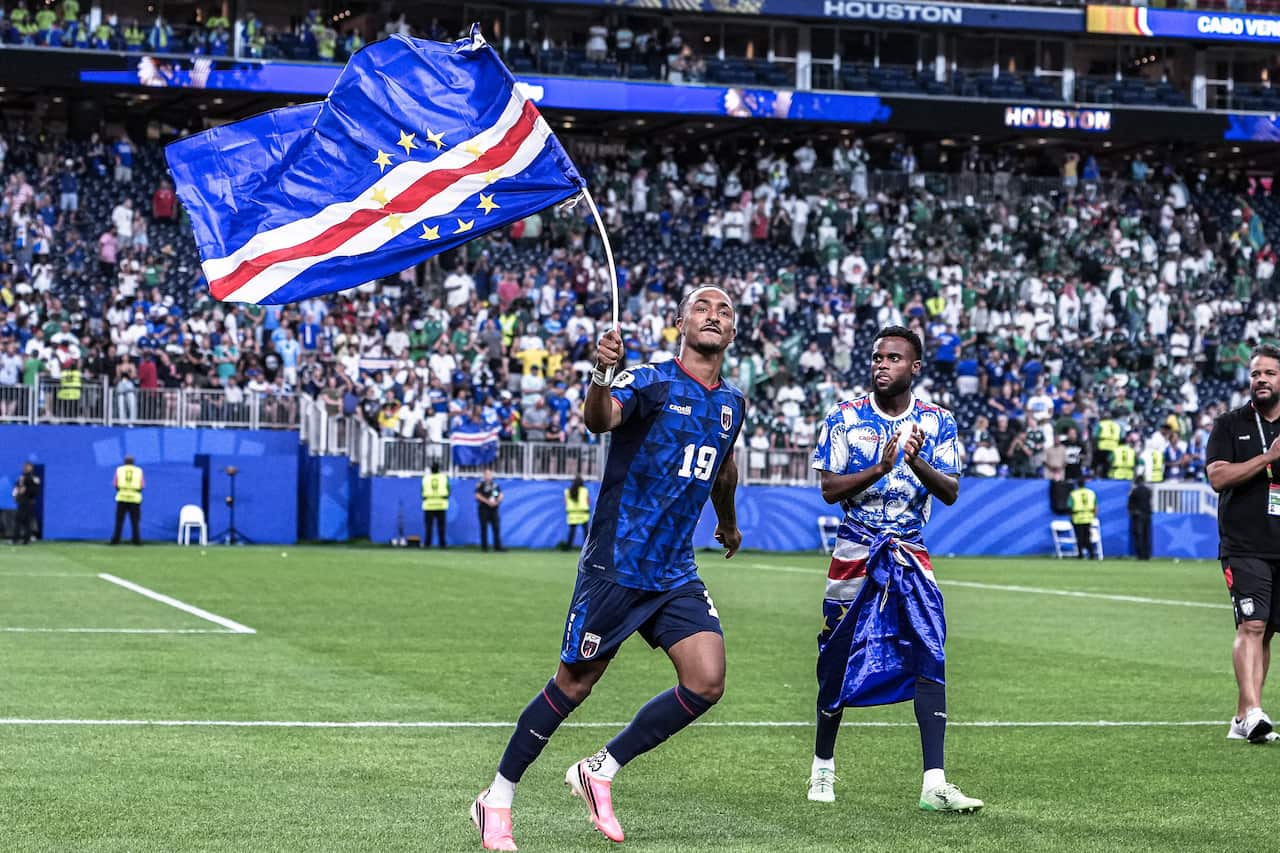
Cape Verde, with a population of about 500,000, defied all expectations, holding eventual champions Spain to a scoreless draw in their opening game.
The island nation qualified for the Round of 32, where they took runner-ups Argentina to extra time before losing 3-2 in what was one of the most exciting matches of the tournament.
Former FIFA referee Christina Unkel said she thought the expanded format was a boon for smaller countries, which benefited from playing in large tournaments.
"The new teams to the tournament showed that they're there to play ball," she told SBS News.
"When you open up opportunities and slots for teams to make the World Cup, there is more funding that happens in those federations to be competitive.
"You continue to grow and increase the game because they say, 'Hey, I actually have an opportunity', and it's not just the powerhouse football clubs."
Georgakis agreed the expansion had been vindicated.
"In all of the group stage matches, every game except for a couple, right to the death, the teams were playing for something," he told SBS News.
"There were no real weak teams. International soccer has come to the point now where the smaller nations really trouble the very big nations, and we saw that."
FIFA has discussed expanding the format to 64 teams for the 2030 World Cup, though the proposal is divisive.
The controversies
However there were plenty of scandals.
The biggest centred on Trump's intervention over Balogun's suspension.
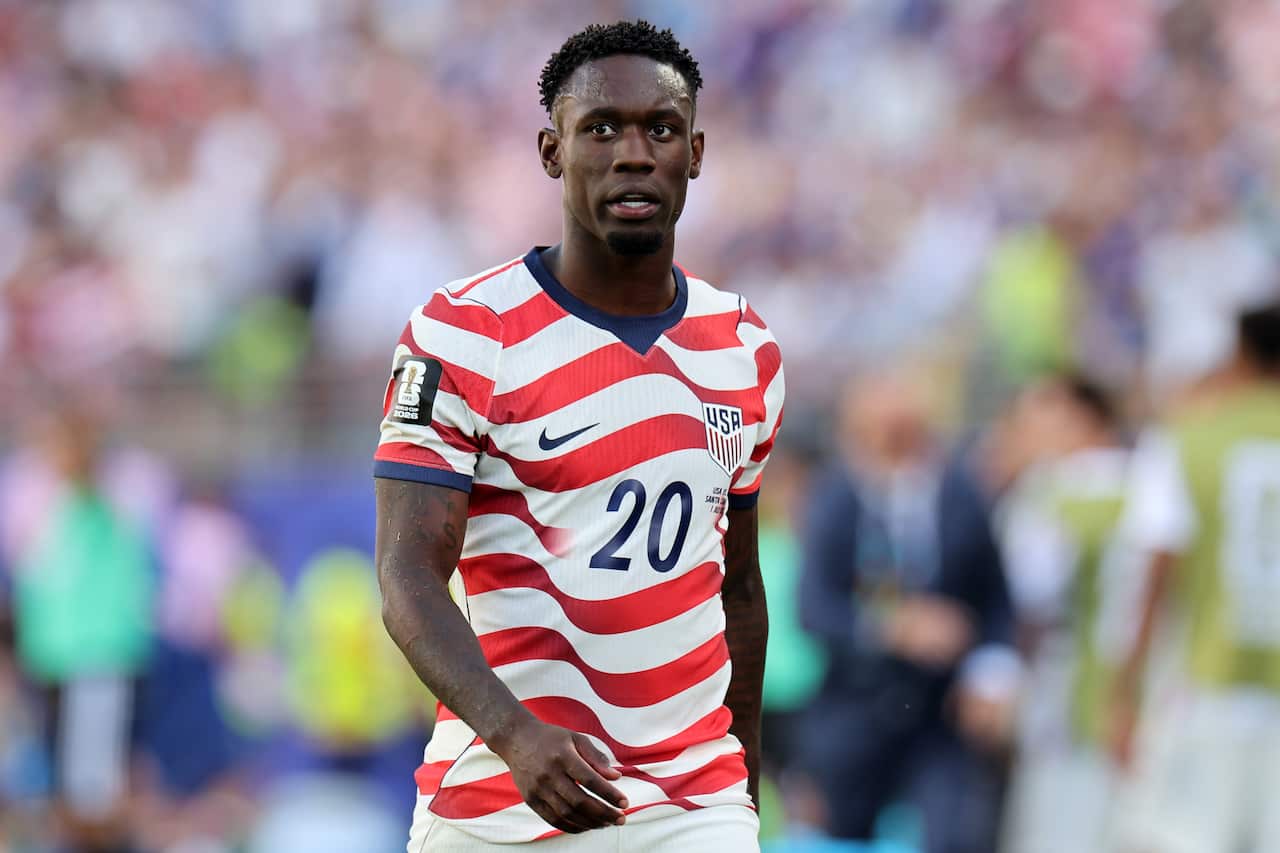
The USA striker had been due to miss the Round of 16 against Belgium after receiving a red card against Bosnia and Herzegovina, resulting in a one-match suspension.
But the one-match ban was inexplicably suspended for a year by FIFA, allowing Balogun to play. Trump later confirmed he had personally asked Infantino to review the case.
Infantino defended the decision, saying it was made by an independent judicial panel and his conversation with Trump had not influenced the outcome.
But the decision received widespread condemnation from former players, journalists and other footballing bodies.
Some experts warned it could set a "dangerous precedent" as political leaders sought to influence football's governing body.
"That's a real sour point," Georgakis said.
"It's very clear there that Donald Trump had a very unsettling relationship with FIFA."
Another controversy emerged before the tournament had even started.
Despite holding valid travel documents and FIFA accreditation, Somali referee Omar Artan was denied entry to the United States on arrival in Miami and missed the tournament.
Iran also accused organisers of unfair treatment after travel restrictions forced their players to fly between their base camp in Mexico and the United States for each match.
Argentina, meanwhile, faced accusations of favourable refereeing after their 3-2 Round of 16 victory over Egypt.
Egypt filed a complaint against FIFA after the match, arguing that an early goal was incorrectly ruled out for a foul in the build-up and saying they should have been awarded a penalty in a separate play.
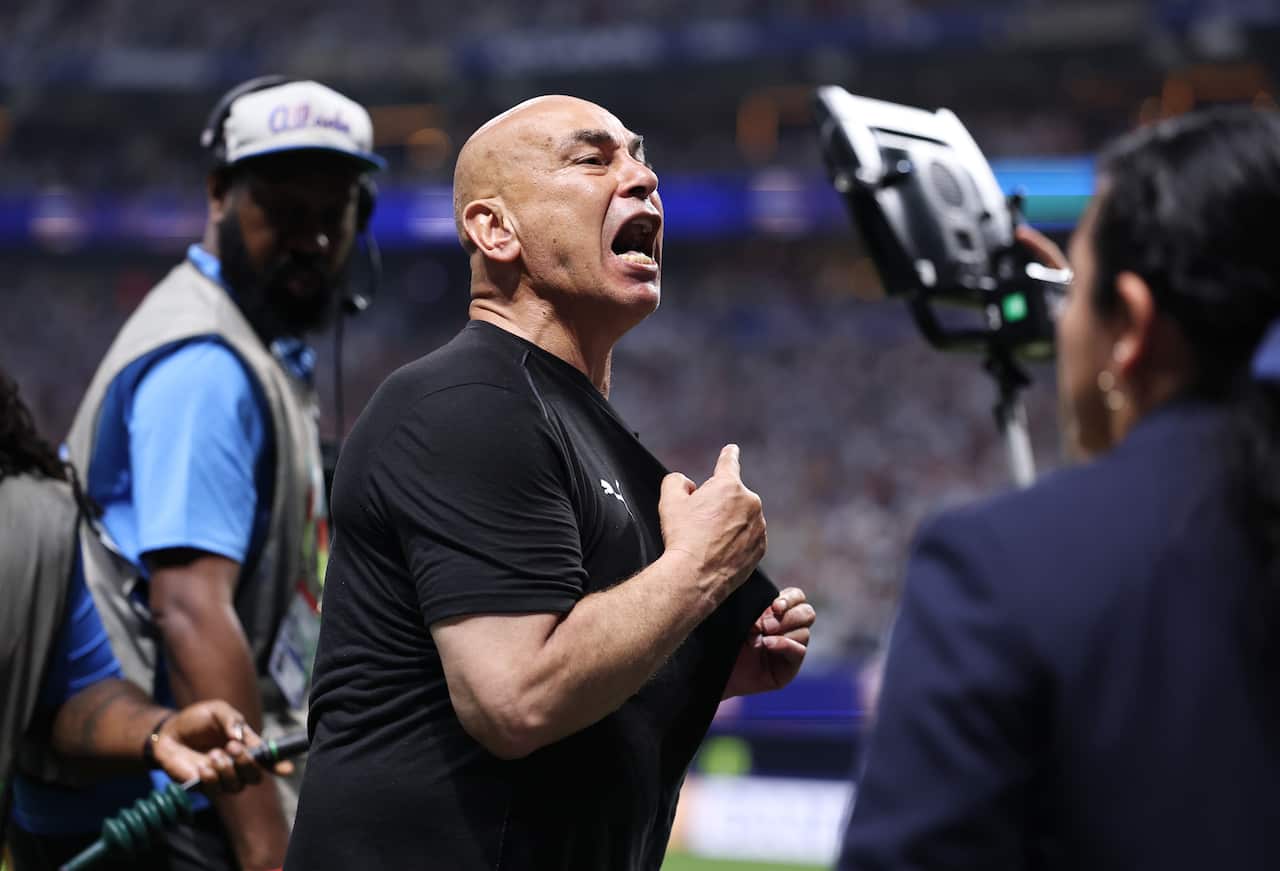
But Unkel said the incidents were different from an officiating perspective and warned against interpreting difficult refereeing decisions as evidence of bias.
"The Egypt-Argentina was what I would call as a perfect storm," she said.
"It's on the heels of sentiments that people had even before the tournament started that Argentina is historically benefiting from these decisions and these calls.
"You're going into that ... even as a referee, knowing that, everyone's looking for something.
"The nuance of officiating subjective decisions is incredibly important to understand, and it's very easy to paint broad brush strokes versus looking at the details."
Georgakis said controversy was almost inevitable at an event as large as the World Cup.
"A World Cup without controversies is not a World Cup," he said.
But he said he would ultimately remember it as a success.
"I'll remember it for one thing, and that is the fact that we had 48 teams taking part in 104 games," he said.
"The World Cup has been ramped up, and you can argue that it is now truly an inclusive World Cup."
For the latest from SBS News, download our app and subscribe to our newsletter.







