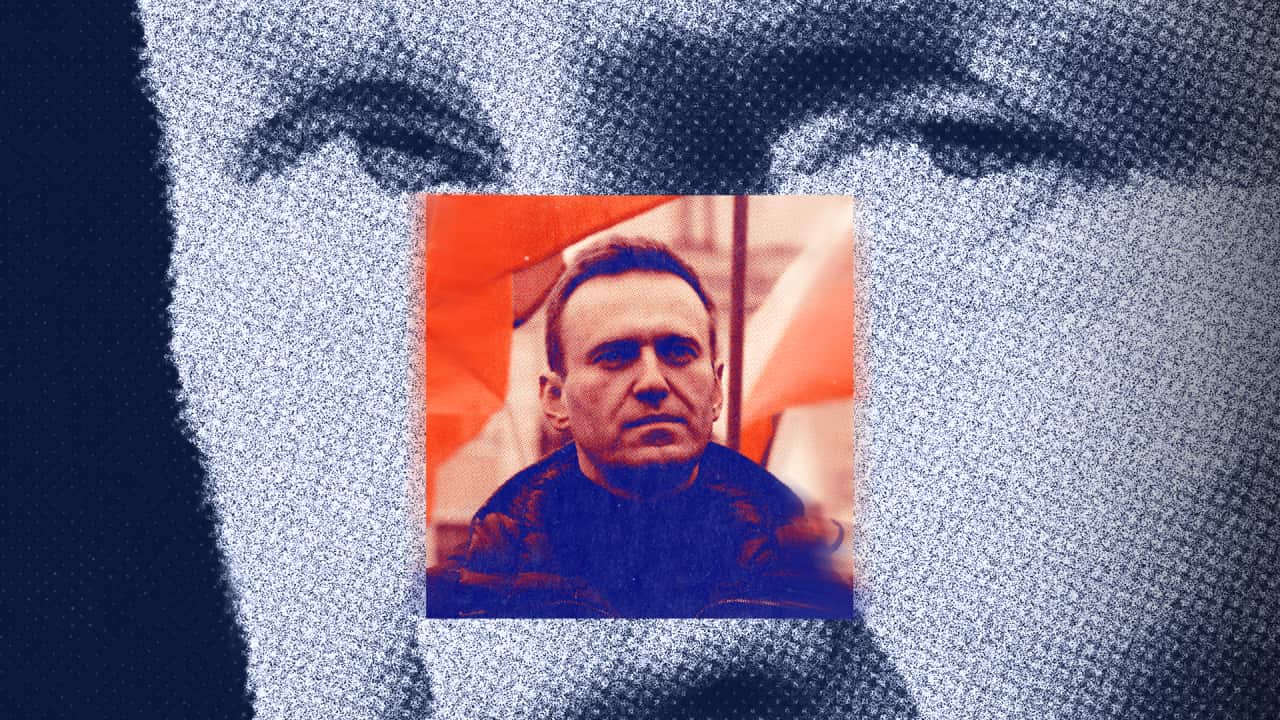
Two years after Russia's opposition leader Alexei Navalny died in an Arctic penal colony, his supporters gathered at his grave in Moscow.
Many risked retribution to mourn the man, and his vision, as the United Kingdom and European allies released findings that he was likely killed with a frog toxin, and the Russian state remains the prime suspect.
Navalny's widow, Yulia Navalnaya, who has continued his mission through the Anti-Corruption Foundation (FBK), responded to the findings, saying: "I promised that I would continue this fight. I promised that we would learn the truth."
"And I will do everything to ensure that Putin and everyone involved are punished."
Since Navalny's death, his supporters around the world have continued his political resistance, opposing corruption and the regime's ongoing war in Ukraine.
News that makes sense
Your trusted source for staying up-to-date with the world around you. Get free daily news updates and analysis, straight to your inbox.
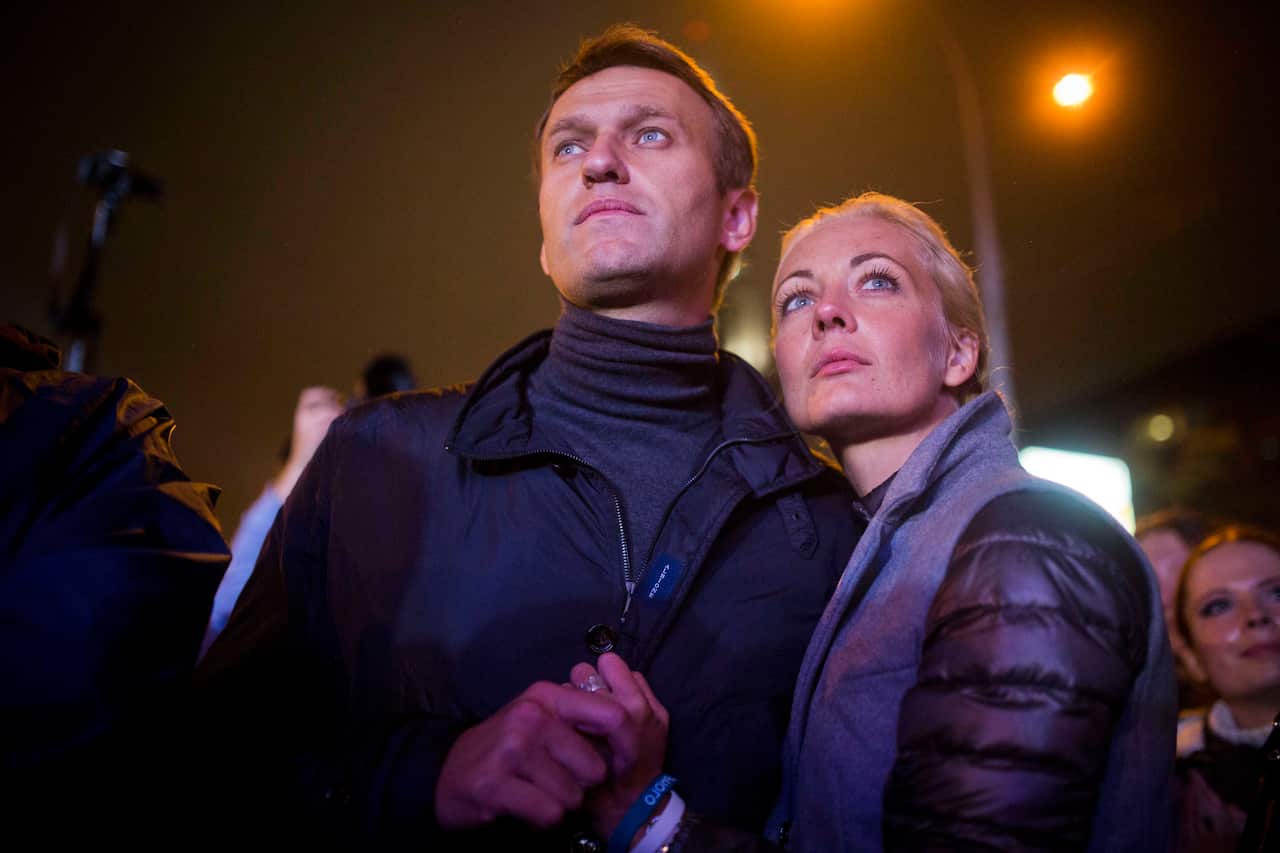
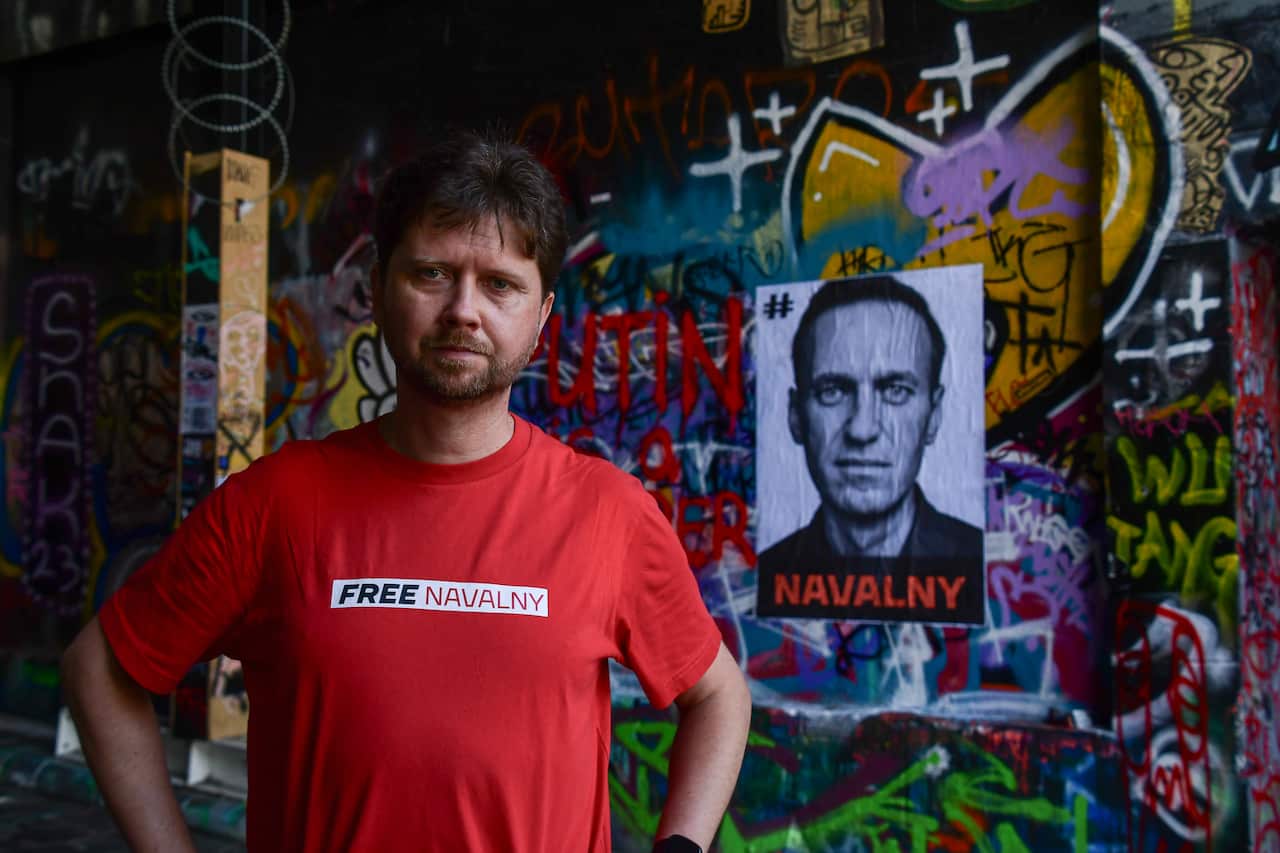
Petr Kuzmin, Australia's FBK representative, tells SBS News the foundation's advocacy is about fighting for Navalny's vision of Russia.
"Millions of people deserve a much better life than they are having under Putin; the Putin regime is only interested in its longevity," Kuzmin says.
"My personal motivation is I want to fight for a better future for my relatives and friends, and the majority of them are still in Russia."
Stifling dissent
Russian President Vladimir Putin has a long history of attempting to quash dissent inside Russia as well as beyond its own borders.
According to a 2025 report by the United Nations Special Rapporteur on the situation of human rights in the Russian Federation, treason prosecutions grew from double-digits before Russia invaded Ukraine in 2022, to 760 by mid-2025.
The report by the special rapporteur, Mariana Katzarova, shows Russian courts delivered more than five terrorism-related sentences a day in 2025 — a record high.
"This extensive abuse of counterterrorism, extremism, treason, espionage and other national security-related provisions in the Russian Criminal Code disproportionately targets dissent, anti-war expression and peaceful protest protected under international law," the report reads.
"This legal tool has been turned into a deliberate, widespread and systematic strategy to suppress independent voices, dismantle civil society and consolidate authoritarian control, in stark violation of the obligations of the Russian Federation under international law."
The report also states exiled Russian activists face heightened risk, including forced return to the Russian Federation.
Human rights groups are warning that a former volunteer at Navalny's St Petersburg headquarters, Yulia Yemelyanova, is in this situation.
According to the pro-democracy think tank, Free Russia Foundation, she was detained in Kazakhstan in August 2025 at Almaty International Airport on a transit stop from Georgia to Vietnam. Yemelyanova is now being held in a pre-trial detention centre and facing extradition. Human rights groups believe her criminal charge for alleged mobile theft is fabricated.
"Given her activities in Navalny's foundation, we would fear for her wellbeing if she was returned to Russia," Andrew Witheford, a strategic campaigner for Amnesty International Australia, tells SBS News.
The Russian regime isn't shy about pursuing its opponents overseas.
Putin's regime has been found to have assassinated or attempted to assassinate many influential Russian dissidents abroad.
Cases include that of Russian defector and former officer of the Russian Federal Security Service, Alexander Litvinenko, who was poisoned with polonium in London in 2006, or the attempted Novichok poisoning of former Russian intelligence officer Sergei Skripal and his daughter Yulia in 2018 in the British city of Salisbury.
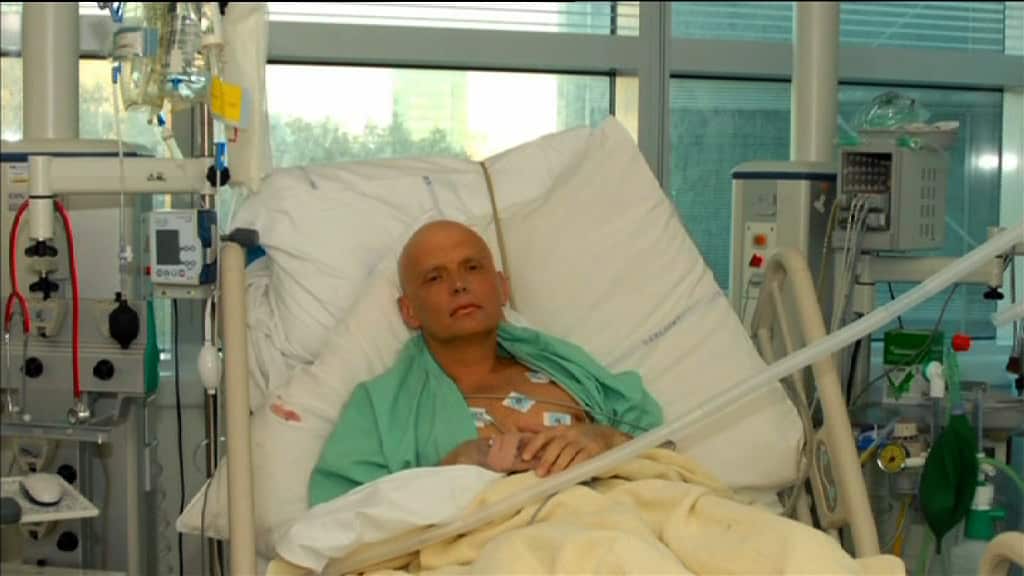
"There are actually scores of people who have died in mysterious circumstances, but one thing they have in common is they have criticised the regime or its policies," Witheford says.
'A very oppressive system'
Four years on from Russia's full-scale invasion of Ukraine, resistance from inside the country is slim.
Russia is due to hold its legislative elections by late September, a process various international observers consider to be neither free nor fair.
The Russian embassy disputes this. In response to a question from SBS News about whether Russian elections can be called democratic, a spokesperson said: "Yes, they are."
According to Robert Horvath, a specialist in Russian politics at La Trobe University, "Russia hasn't had a legitimate election for a very long time".
"In theory, there are a multiplicity of parties in Russia — most of those are so-called systemic parties that are closely controlled by the regime.
"They will support Putin; they will support the war."
According to the 2025 UN report, the number of those listed as "terrorists or extremists" in Russia has escalated from 1,600 names in 2022 to more than 18,000 in 2025, including more than 150 children and scores of organisations.
"This illustrates the determination of Russian authorities to extend repression beyond national borders," Katzarova said in a press release for the report.
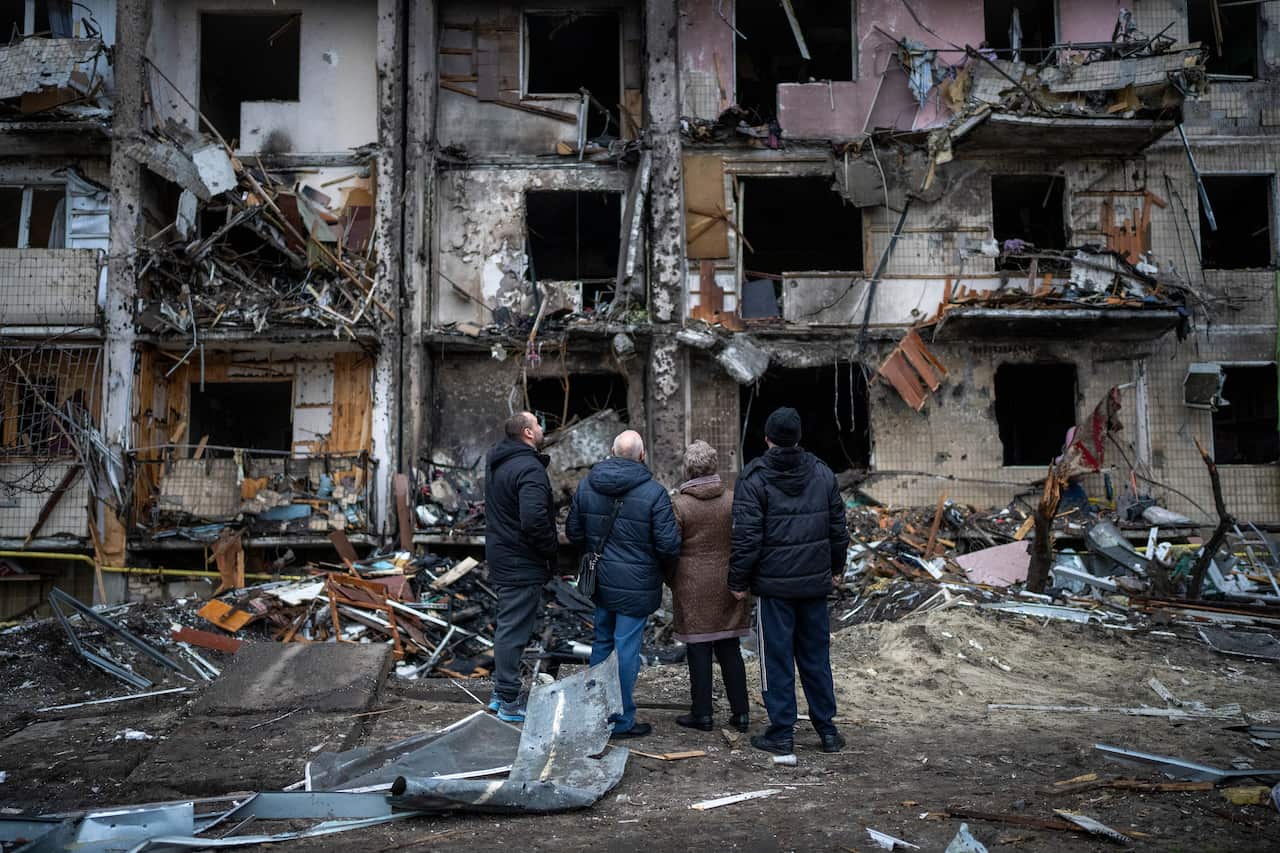
According to independent human rights monitor OVD-info, as of early 2026, there are more than 1,700 people detained in Russia on political grounds. This includes Ukrainian political prisoners in Russian captivity.
"It's a very oppressive system," Witheford says.
A number of media outlets, newspapers, and television stations have been shut down over the last 20 years.
"It's estimated that there would be at least a thousand people in prison who are essentially prisoners of conscience who are in jail for speaking about the government and making valid criticisms of the government."
Advocating from exile
Because of this threat, experts say most prominent opposition figures live in exile.
But fifteen of them are now forming a new platform to the Parliamentary Assembly of the Council of Europe, designed to amplify democratic Russian voices.
Participants include an exiled Russian businessman who was once the country's richest man, Mikhail Khodorkovsky, as well as a former member of the Russian parliament and opposition leader, Dmitry Gudkov, who was sentenced in 2024 by a Russian court to eight years in prison in absentia.
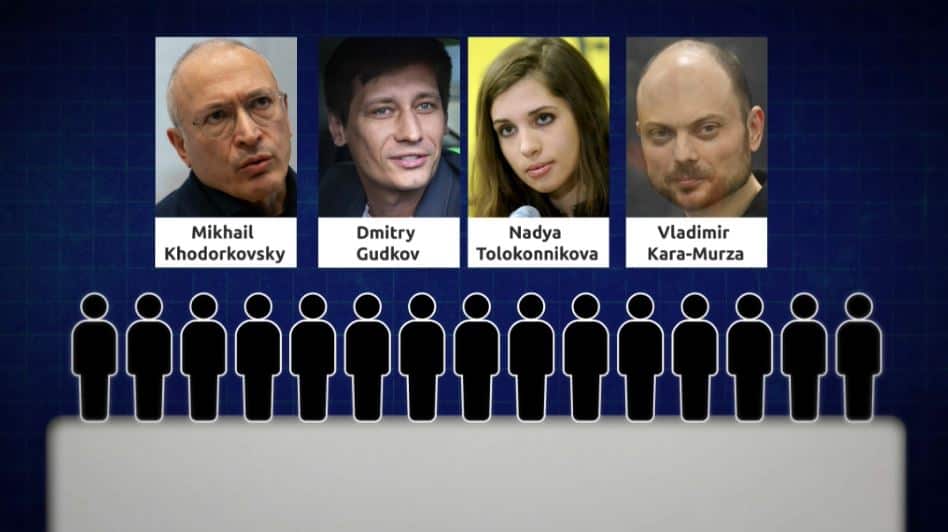
Co-founder of feminist group Pussy Riot, Nadya Tolokonnikova, is also part of the platform, along with a former political prisoner who survived two suspected poisoning attempts, Vladimir Kara-Murza.
Each has been either detained or imprisoned in Russia for their activism or political opinion.
Five seats of the platform are also reserved for representatives of Russia's Indigenous and minority communities.
"On one level, this is a good thing. It provides a platform for some very significant members of the Russian opposition," Horvath says.
"However, this platform is also problematic because of the way that it excludes the most important organisation of Russian democrats, which is Alexei Navalny's Anti-Corruption Foundation."
While the Parliamentary Assembly of the Council of Europe reportedly considered the inclusion of FBK, the group abstained following procedural disagreements over the selection process and the signing of the 'Berlin Declaration' — a condition for participation.
Russia announced its intention to withdraw from the Parliamentary Assembly, Europe's leading rights watchdog, in mid-March 2022, and it was expelled with immediate effect on 16 March. The creation of this new platform of democratic Russian voices aims to remedy this by engaging with Kremlin critics.
"I want to acknowledge that the Parliamentary Assembly of the Council of Europe, it's an important organisation and I'm glad that Russia has some voices within this important body," Kuzmin tells SBS News.
"[But] it's important to understand that this particular institution is very fraught politically for any political agent who wants to win the votes of people in Russia."
The platform was established in early 2026 through an appointment process by the parliament rather than elections. Candidates were nominated from key anti-war groups and vetted against criteria including opposition to the Russian regime and support of Ukraine's sovereignty.
"It will always be viewed by Russians in Russia that these are handpicked opponents of the Russian government," Kuzmin says.
"For a political organisation like the Anti-Corruption Foundation, there were more risks being part of this delegation and they chose their own independent path, the way they've done many times before."
President of the Parliamentary Assembly of the Council of Europe Petra Bayr says the platform aims to maintain a connection with Russian society.
"The Assembly wants to make sure that cutting ties with the Kremlin does not mean cutting ties with Russian society altogether ... and the platform is not designed to represent a holistic or exhaustive spectrum of Russia's opposition."
For the latest from SBS News, download our app and subscribe to our newsletter.







