In Brief
- Six travellers and the crew transporting them home will quarantine at a purpose-built facility in Perth.
- They will be looked after by a Commonwealth team that specialises in trauma and infectious disease.
Preparations are underway at a quarantine facility in Western Australia set to receive four Australians who will soon be repatriated from a hantavirus-hit cruise ship.
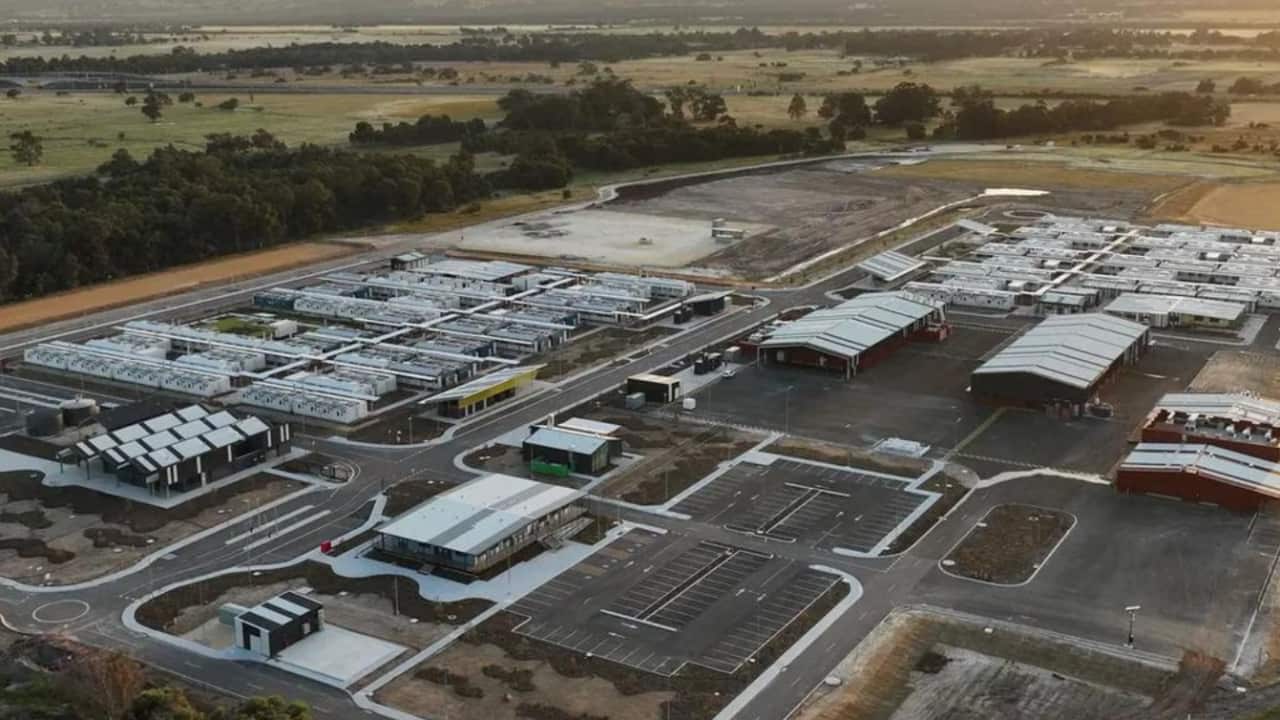
The centre has largely sat idle since it was unveiled at the tail-end of the COVID-19 pandemic, but now faces its first real test, as six people potentially exposed to the deadly hantavirus are set to stay for at least three weeks.
Dutch cruise-liner MV Hondius' trip to some of the most remote islands in the world was interrupted last month, after an outbreak of the rodent-borne hantavirus killed three people, infected eight others and created chaos for governments around the world now tasked with safely repatriating their passengers.
While authorities work to understand how the outbreak started, the Department of Foreign Affairs and Trade has scrambled to find a plane capable of the long journey between the Netherlands and Perth — and a crew willing to quarantine for 42 days after the trip.
On Wednesday, the federal government confirmed a plane had been secured and that the necessary clearances and approvals were being made for the trip.
News that makes sense
Your trusted source for staying up-to-date with the world around you. Get free daily news updates and analysis, straight to your inbox.
Once they touch down in Perth, the four Australians plus one permanent resident, a New Zealander, and the flight's crew will spend their quarantine period at the Bullsbrook Centre for National Resilience, 40km north-east of Perth.
The purpose-built 500-bed quarantine facility was completed in 2022, at the tail end of the COVID-19 pandemic.
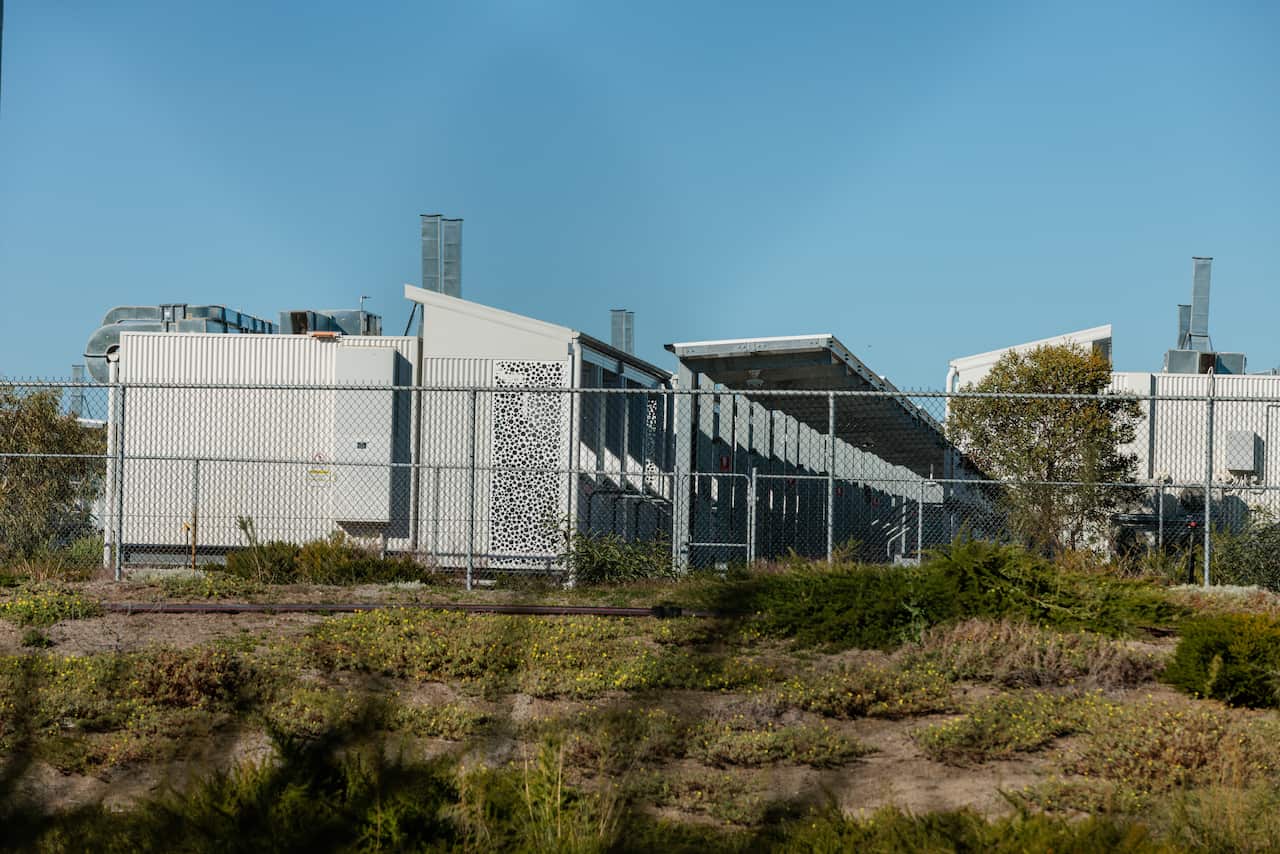
It is one of three of its kind in the country, equipped with specialised ventilation systems, and designed to ensure food and staff can move safely around the facility without risk of cross-contamination.
Every surface in the centre can be easily disinfected, and there are specialist medical facilities on site.
For the remainder of their quarantine period, the passengers of the MV Hondius will receive 24-hour care and be closely monitored for symptoms of the disease, which has a 30 to 50 per cent mortality rate.
Around the world
The Australian response stands in contrast to other countries' approaches to the outbreak, where many asymptomatic passengers who were on board the ship are self-isolating at home.
Some 22 affected travellers from the United Kingdom will spend 72 hours in hospital before being sent home to self-isolate for a further 42 days.
Eighteen passengers have returned to the United States, including one travel blogger who has been documenting his time in quarantine.
Some of them are being screened at the University of Nebraska Medical Center in the city of Omaha, and two are in Atlanta, Georgia.
They will each receive individual care plans, which will require them to either self-isolate or remain at a facility.
In the Netherlands, Canada, Switzerland, and Germany, passengers will self-isolate, while Spain's travellers will undergo medical quarantine.
In France — where one woman is in a critical condition after being diagnosed with the virus — patients are being placed in "strict isolation".
The ship's 38 Filipino crew members will undergo quarantine in the Netherlands.
Purpose-built facility, specialised care
Australian epidemiologist Raina MacIntyre from the University of New South Wales told SBS News it was better to be safe than sorry.
"This is a serious infection with a 30-50 per cent fatality rate, so supervised quarantine is more precautionary. With such a high death rate, it is better not to get it wrong when trying to prevent spread into the community," she said.
Once they land, the travellers and crew will be looked after by staff from the National Critical Care and Trauma Response Centre (NCCTRC), based in Darwin.
"They're very, very experienced and they're the most suitable personnel to be sending to manage the quarantine," she said.
The NCCTRC was established in 2004, following the Bali bombings two years earlier. MacIntyre said the centre had "lots of experience" in managing high-risk, dynamic situations, including infectious disease outbreaks.
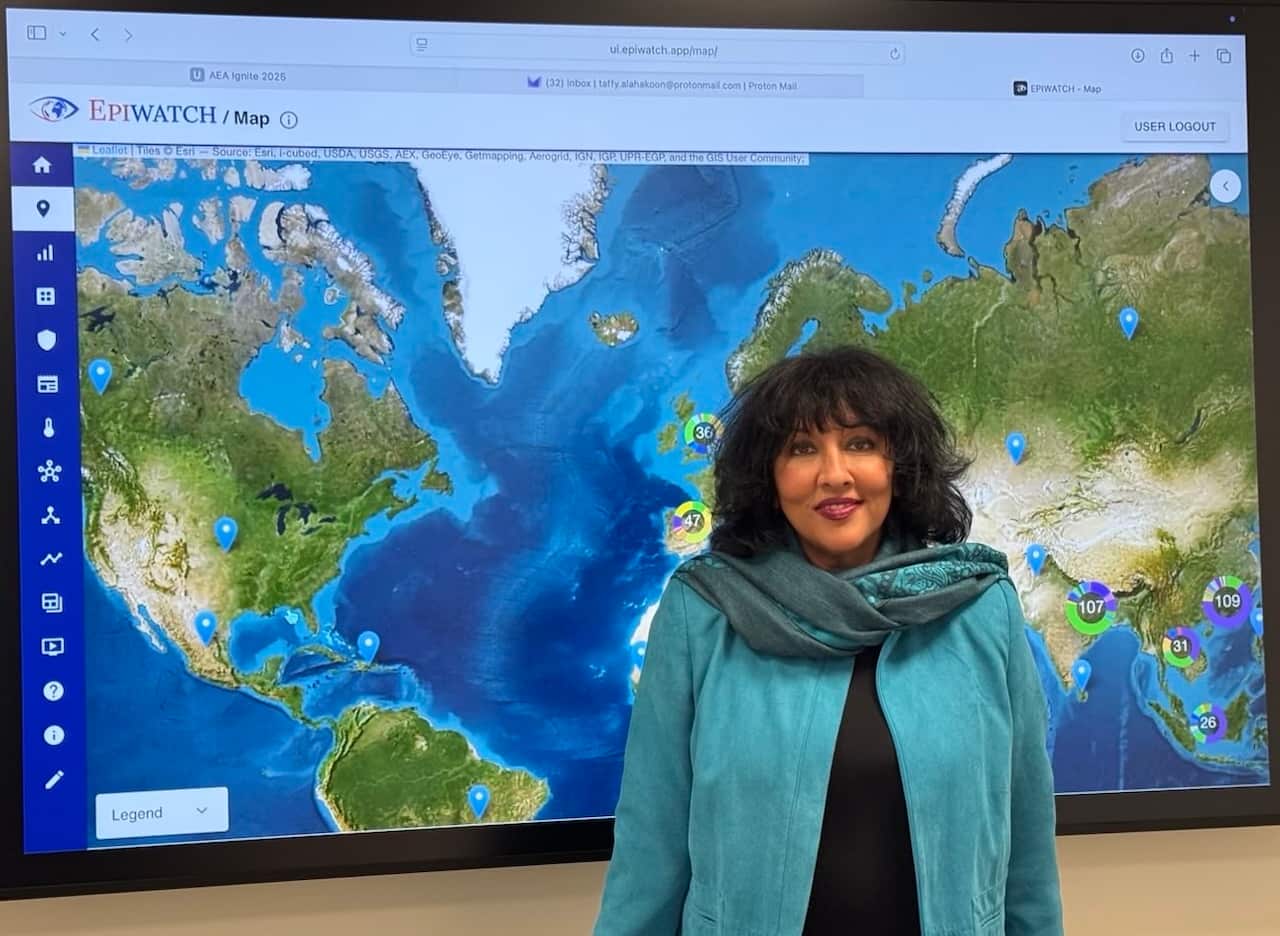
She said the staff would be preparing for the travellers' arrival.
"Say one of the people in quarantine gets a fever. Those people will have to assess them, test them, do all the things that need to be done to establish whether or not they've got the virus — that takes forward planning," she said.
The public health expert said staff would also be preparing their personal protective equipment.
"I think they'd be upskilling themselves on hantavirus. It's not something we see in Australia, so clinicians aren't familiar with how it presents and how to manage it and so on."
Public health 'invisible' when it's a 'success'
Costing $400 million, the facility has been referred to as a "white elephant" in Western Australian politics, given it has scarcely been used since it opened four years ago.
The total construction costs of the three centres — located in Brisbane, Melbourne and Perth — were around $1.35 billion.
MacIntyre said this was the wrong way to think about the facility.
She said when public health was "a success", it was "invisible" because a pandemic was averted or an infectious disease was stopped from spreading in the community.
"In this case, it's the prevention of the spread of hantavirus in the community. Or it could be bird flu. It could be, you know, another pandemic or Ebola or something else. When it's successful, you don't see the effect."
She said that was why — from a public health perspective — these facilities were important.
"That goes for everything we do for pandemic preparedness, including stockpiling of drugs and vaccines and masks and other things that we might need in an emergency — oxygen, hospital equipment and so on."
For the latest from SBS News, download our app and subscribe to our newsletter.







