

- Watch SBS Insight on SBS ONE Tuesday 8.30pm or the repeat on Wednesday 1pm
- Join the conversation on Twitter using #insightsbs
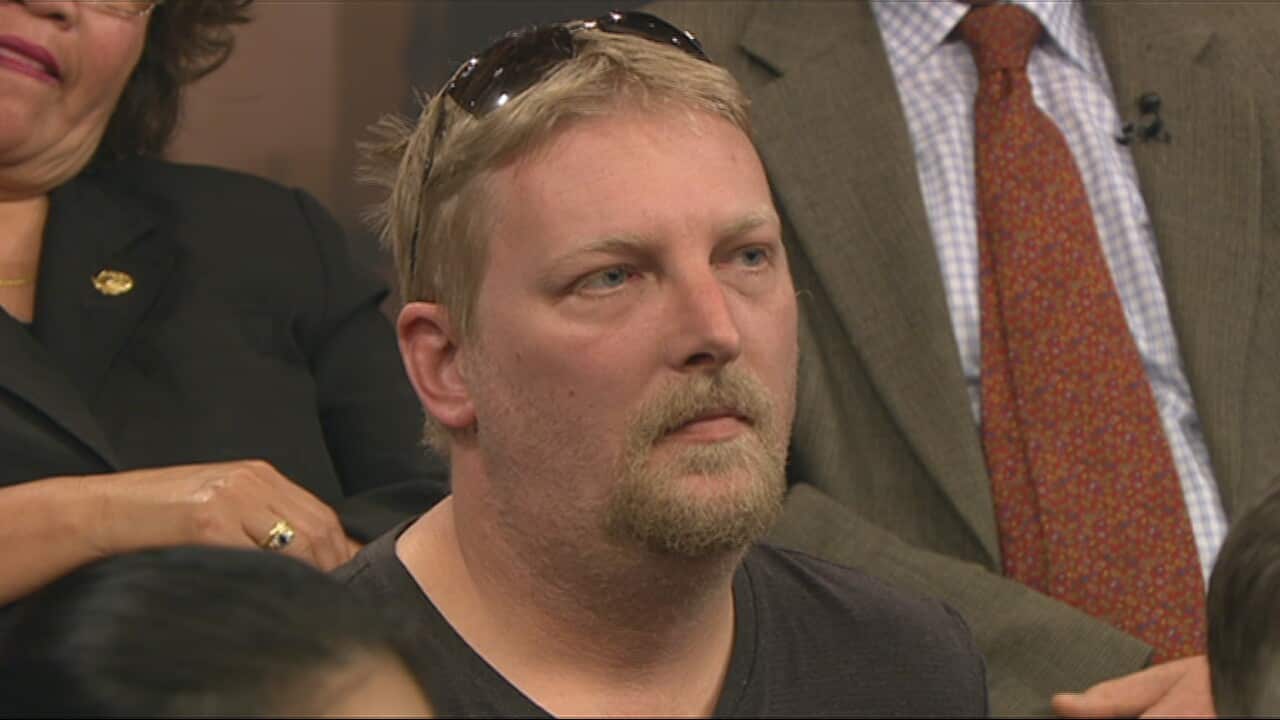
Scott Gardiner is a war veteran who served in Iraq in 2008.
During the seven months of his deployment, he remembers experiencing heavy rocket attacks for over a month, where up to 200 rockets were fired per day.
Three months after the Queenslander returned home, he was formally diagnosed with post-traumatic stress disorder (PTSD).
News that makes sense
Your trusted source for staying up-to-date with the world around you. Get free daily news updates and analysis, straight to your inbox.
He told Insight he has woken up screaming and unable to sleep for days at a time. Gardiner feels he doesn't have much control over his memories, and revealed that everyday tasks, like eating breakfast, can trigger his PTSD symptoms.
The 38-year-old father of one has been in the psychiatric ward three times and said he was prescribed "a tonne" of medication.
Gardiner, who currently works with the Young Diggers Association, has even undergone exposure therapy to help "take the sting out of a couple of incidents".
"I've done exposure therapy to try and deal with it but overseas on a deployment, you know, 100 incidents could happen and you can't do exposure therapy on every single one of them. You need to pick a couple of them, narrow down to what they are and try and lessen the effectiveness of them but you can't deal with everything," Gardiner said.
Gardiner's experience is very different to war veteran John Jarrett's.
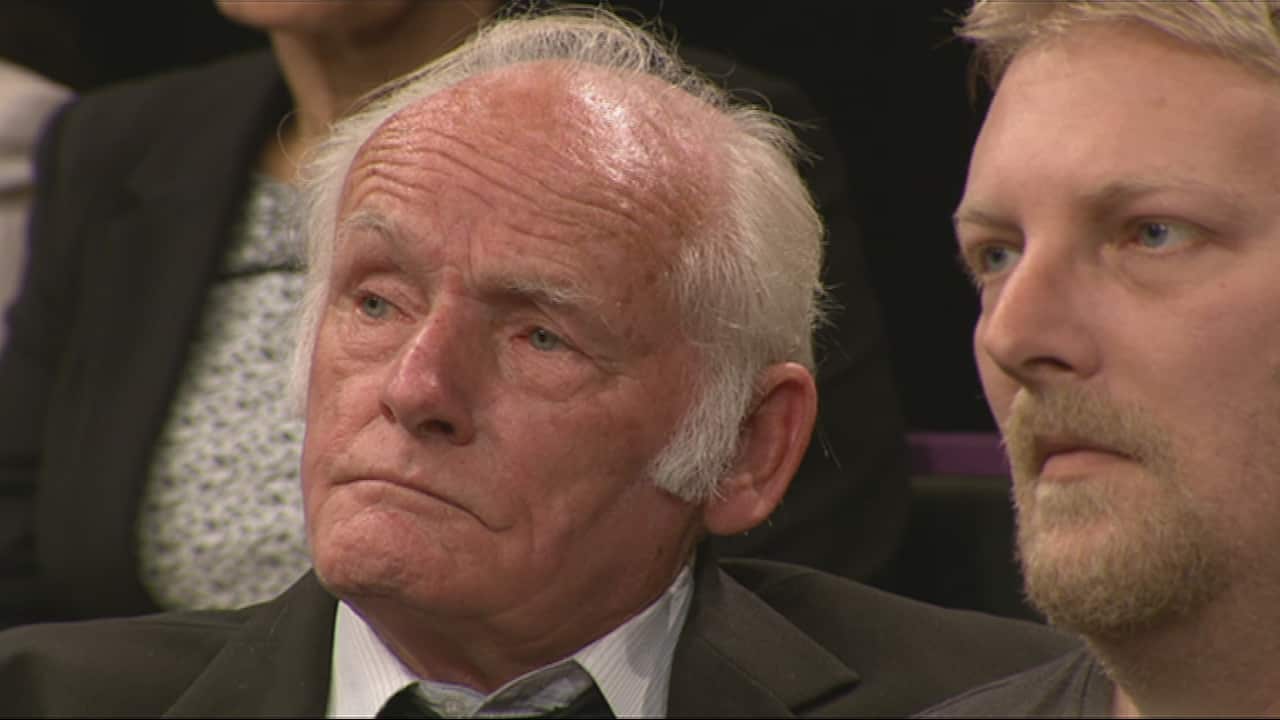
Jarrett served with the Australian Air Force in Malaya, Borneo and Vietnam. He says he hasn't spoken about his experience in decades and "wouldn't change anything" about it.
"Because I can't. See, we're brought up with a set of rules and as a child you're taught not to bully someone, not to hurt someone, not do this and don't do things wrong. And then suddenly you're put into a situation where maybe you're killing someone and is totally against, against everything you've been brought up to do," Jarrett explained.
"To this day I haven't talked to anyone about it. I went to a mental health expert who wanted to do the exposure therapy, we spoke once, I went home, I couldn't do anything for nearly a month so that was it as far as I was concerned. And amazingly, I didn't do anything for thirty years."
Clinical psychologist David Forbes, and director of the Australian Centre for Posttraumatic Mental Health (ACPMH), is a supporter of "talk therapies".
"Essentially trauma focused cognitive behaviour therapies involve three parts. One is to process, deal with the memory of the event and that does involve not only the memory itself, but the whole experience of it; the bodily sensations, the fear, the thoughts, the high levels of arousal, to be able to access that and allow the person then to process it."
However PSTD sufferers are sometimes not keen on completing exposure therapy because it requires patients to re-experience the trauma, as Gardiner can attest.
"It was very difficult to go through. You sort of wind yourself up a bit when you know you're going to have it. You know you're going to be reliving things that you don't want to relive. It's done over a period of time. You know, for me it worked on the instances that we dealt with but there's still a lot left that, you know, hasn't been dealt with. But it is a traumatic thing to go through again," Gardiner said.
Forbes says part of the problem with treating PTSD is that these memories are stuck in the past and when triggered, feel like they're happening at the present time.
He says the key is for patients to be able to access that memory in a safe and supportive environment.
"The first thing we do is say look, firstly we apologise that if we do or say anything that triggers a response in you that you didn't want. We apologise, we didn't mean it or do it deliberately. Let us know if we go to a place where it might distress you.
"Secondly, we ask them what's best for you at this time. And someone will say just leave me alone, I don't want to say anything about it. And a few months later they'll say well, now I'm okay to talk about it. So not diagnose them or interrogate them but just negotiate where they're at that time."
Tune into Insight tonight to hear from Scott Gardiner and other guests about the way they dealt with their painful memories. Watch SBS ONE from 8.30pm AEST.
Anyone seeking support and information about suicide prevention is encouraged to contact:
- Lifeline: 13 11 14
- Suicide Call Back Service: 1300 659 467
- BeyondBlue: 1300 224 636
- Kids Helpline: 1800 55 1800.







