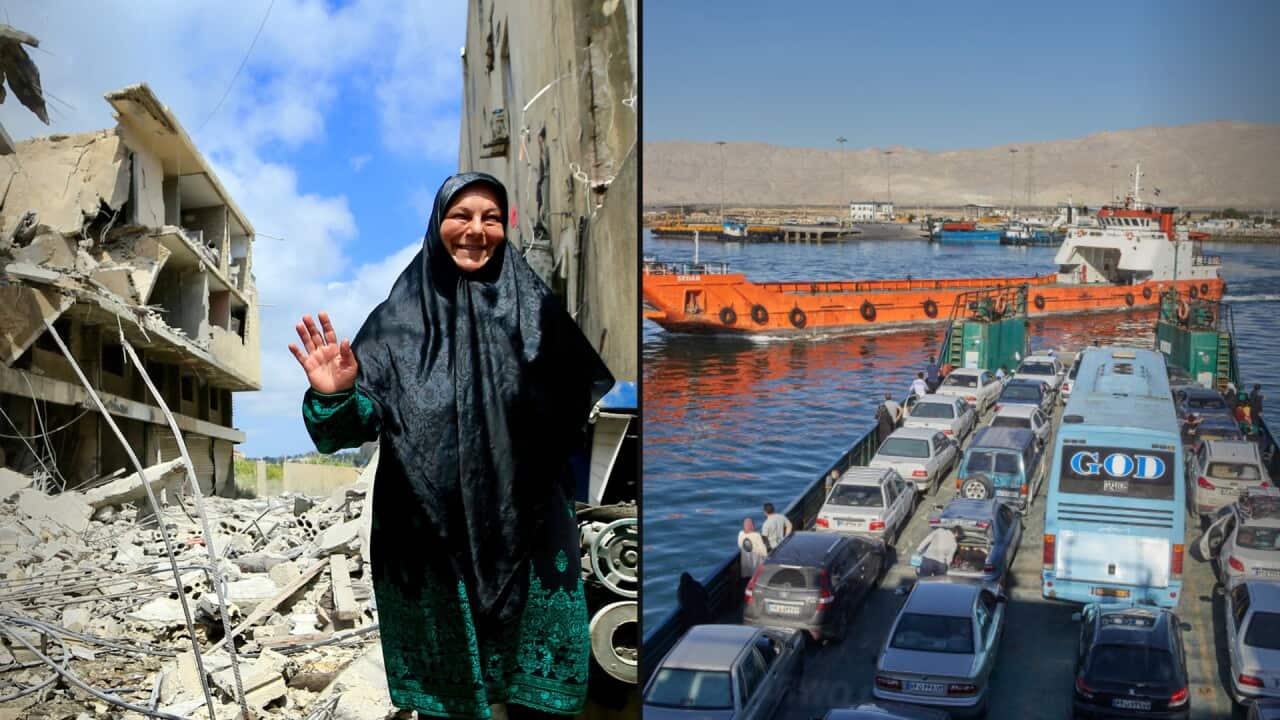
In brief
- Iran says US strikes represent a "gross violation" of a ceasefire and says it has the right to retaliate.
- Israel says it's "deepening its operations in Lebanon" and is expanding its ground operations.
Iran says the United States has violated a ceasefire by striking targets near the contested Strait of Hormuz, potentially complicating efforts to bring the war to a close, while Israel has pounded Lebanon with more than 120 airstrikes in one of the heaviest days of bombing in weeks.
Iran's foreign ministry said US strikes in Iran's southern Hormozgan province, where Iranian media reported sounds of explosions early on Tuesday, represented a "gross violation" of a tenuous ceasefire that has been in place for nearly seven weeks. The US said its attacks were defensive in nature, targeting missile sites and boats attempting to lay mines.
US secretary of state Marco Rubio, meanwhile, said it could take "a few days" to negotiate a deal to halt the conflict, after both sides previously indicated progress on an initial agreement to end hostilities and restart shipping through the Strait. That initial agreement would give negotiators 60 days to tackle more complex issues, including Iran's nuclear program.
Iranian media reported that the country's negotiators had been pushing for the memorandum to include the release of billions of dollars of frozen assets.
News that makes sense
Your trusted source for staying up-to-date with the world around you. Get free daily news updates and analysis, straight to your inbox.
Following the US strikes, Rubio told reporters on his plane in India that the Strait of Hormuz had to be open "one way or the other".
The war, which began with US and Israeli strikes on Iran on 28 February, has caused an unprecedented oil supply shock, pushing up the costs of fuel, fertiliser and food.
Traffic through the Strait of Hormuz, which normally carries about a fifth of global trade in oil and liquefied natural gas, has been a fraction of its usual level since the war began. Iran's Revolutionary Guards said 25 oil tankers and other vessels had passed through the strait with its permission over the past 24 hours.
The Brent benchmark oil price jumped up by more than 4 per cent after US Central Command announced the new wave of bombings, and China urged both sides to respect the truce and resolve their dispute peacefully.
Right to retaliate
The Revolutionary Guards said they reserved the right to retaliate to the strikes. They said air defence units had downed a US drone and fired at another drone and a fighter jet, which they said had entered Iranian airspace over the Gulf region.
In comments posted on his Telegram channel on the occasion of the annual hajj pilgrimage, Iran's Supreme Leader Ayatollah Mojtaba Khamenei said: "From now on, the slogans 'Death to America' and 'Death to Israel' will be the slogans of the Islamic nation and the oppressed people of the world."
US President Donald Trump has previously cited the slogans while justifying military action against Iran.
Iranian and US officials have indicated that recent indirect talks made progress on a memorandum of understanding, or initial deal, that would lead to further negotiations over a final agreement.
Iran's top negotiator, Mohammad Baqer Qalibaf, returned to Iran from Qatar after seeking the release of around $33 billion of frozen Iranian funds as part of the initial agreement, Iranian media reported. Iran's Fars news agency cited a source saying the funds were the last sticking point in the deal.
Iran also wants a stop to the conflict in Lebanon, where a mid-April ceasefire has failed to halt fighting between Israel and Iran-backed militant group Hezbollah.
Israel pounds Lebanon, expands ground operations
Israeli Prime Minister Benjamin Netanyahu said on Monday Israel would intensify its strikes against Hezbollah, while a US official said the Iran-backed group had ignored warnings to halt attacks that risked undermining negotiations to end the US-Israeli war on Iran.
In a statement on Tuesday, Netanyahu said that Israel was "deepening its operations in Lebanon" and operating with "large forces in the field".
Israel pounded Lebanon with more than 120 air strikes on Tuesday, killing 31 people, the Lebanese health ministry said. The bombing raids further frayed a tenuous ceasefire announced on 16 April that was meant to halt fighting between Israel and the Lebanese armed group Hezbollah.
Lebanese security sources told Reuters that Israeli strikes had hit across southern and eastern Lebanon on Tuesday.
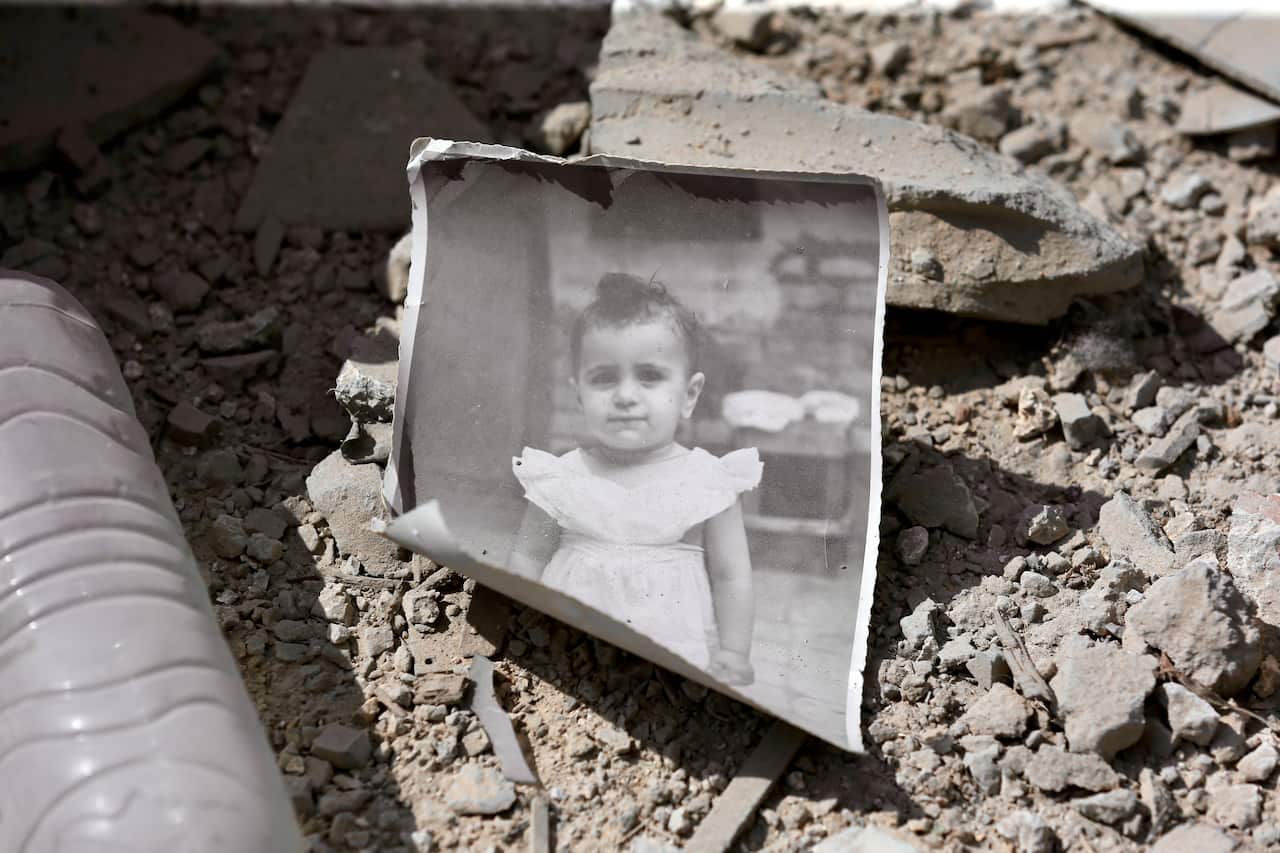
Lebanon's National News Agency said at least 10 people, including women and children, were killed in one strike on the town of Burj al-Shamali in southern Lebanon.
Two sources said on Tuesday that the Israeli military had expanded its ground operations in southern Lebanon past the security zone but gave no further details on the extent of the advance beyond the so-called Yellow Line.
Israel's military had ordered residents not to return to dozens of villages in the zone, and its troops have been destroying homes in the area.
Hezbollah said on Tuesday it had targeted Israeli forces and tanks advancing toward the southern Lebanese town of Zawtar al-Sharqiya with explosive drones, rockets and artillery.
Lebanon's health ministry says the cumulative toll from the Israeli offensive since 2 March, when Hezbollah fired projectiles into Israel in response to the start of the Iran war, had reached 3,213 dead and 9,737 wounded as of 26 May.
The Israeli military said that 10 of its soldiers had been killed since the 16 April ceasefire, six of them by Hezbollah's explosive drones.
Initial 30-day framework
According to Iranian sources, an initial deal would end hostilities on all fronts, get traffic moving through the Strait of Hormuz over 30 days, and possibly provide some financial relief.
More difficult issues, such as Iran's nuclear program, would be negotiated in a second phase.
Iran has been letting some ships through the strait, giving preference to vessels linked to countries with which it has close ties, Reuters has reported.
Trump has said his key aim in the war is to prevent Iran from developing a nuclear weapon with its highly enriched uranium. Tehran denies any such plans.
Trump has also used the crisis to call on more Arab and Muslim states including Saudi Arabia to sign up to the Abraham Accords, which aim to normalise ties with Israel.
Saudi Arabia has said it would not sign the accords without a roadmap to Palestinian statehood.
Thousands have been killed in the wider conflict, mostly in Lebanon and Iran.
Inside Iran, internet monitoring group Netblocks reported a partial restoration of connectivity after a nearly 90-day blackout.
For the latest from SBS News, download our app and subscribe to our newsletter.







