in brief
- Nuclear capabilities, sanctions, and the Strait of Hormuz remain sticking points in US-Iran negotiations.
- Experts warn that the longer the conflict drags on, the greater the global economic impact.
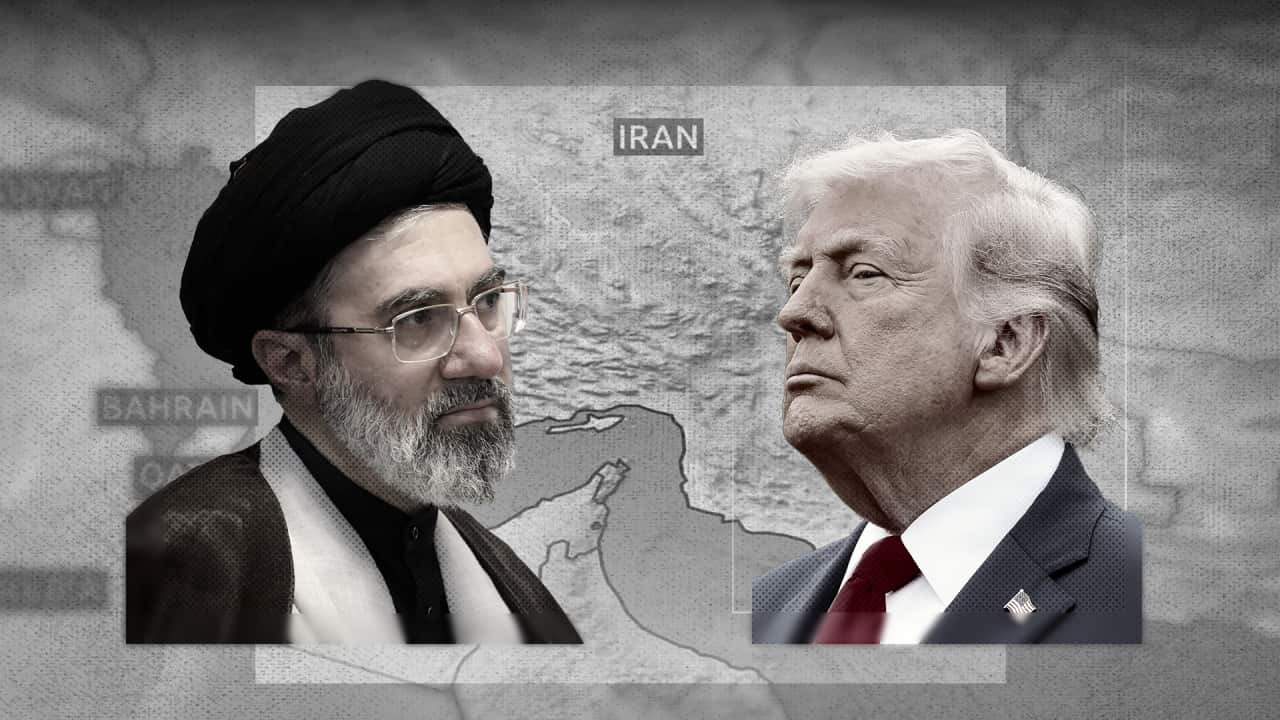
An agreement that would bring lasting peace between the United States and Iran remains elusive, despite US President Donald Trump's assurances that progress is being made.
Almost three months since the US and Israel launched attacks on Iran, fundamental issues — most notably, Iran's nuclear capabilities — remain unresolved, even after several rounds of talks.
An expert told SBS News that because of the stalemate over nuclear, the war could even continue for years.
Meanwhile, international bodies like the International Energy Agency are warning that the conflict is now close to seriously hampering global fuel supplies, threatening deeper economic harm.
US forces have resumed strikes against Iranian military targets, which it described as "self-defence" attacks on missile sites and naval vessels attempting to lay mines.
News that makes sense
Your trusted source for staying up-to-date with the world around you. Get free daily news updates and analysis, straight to your inbox.
In a lengthy post to social media following the attacks, Trump said negotiations are "proceeding nicely".
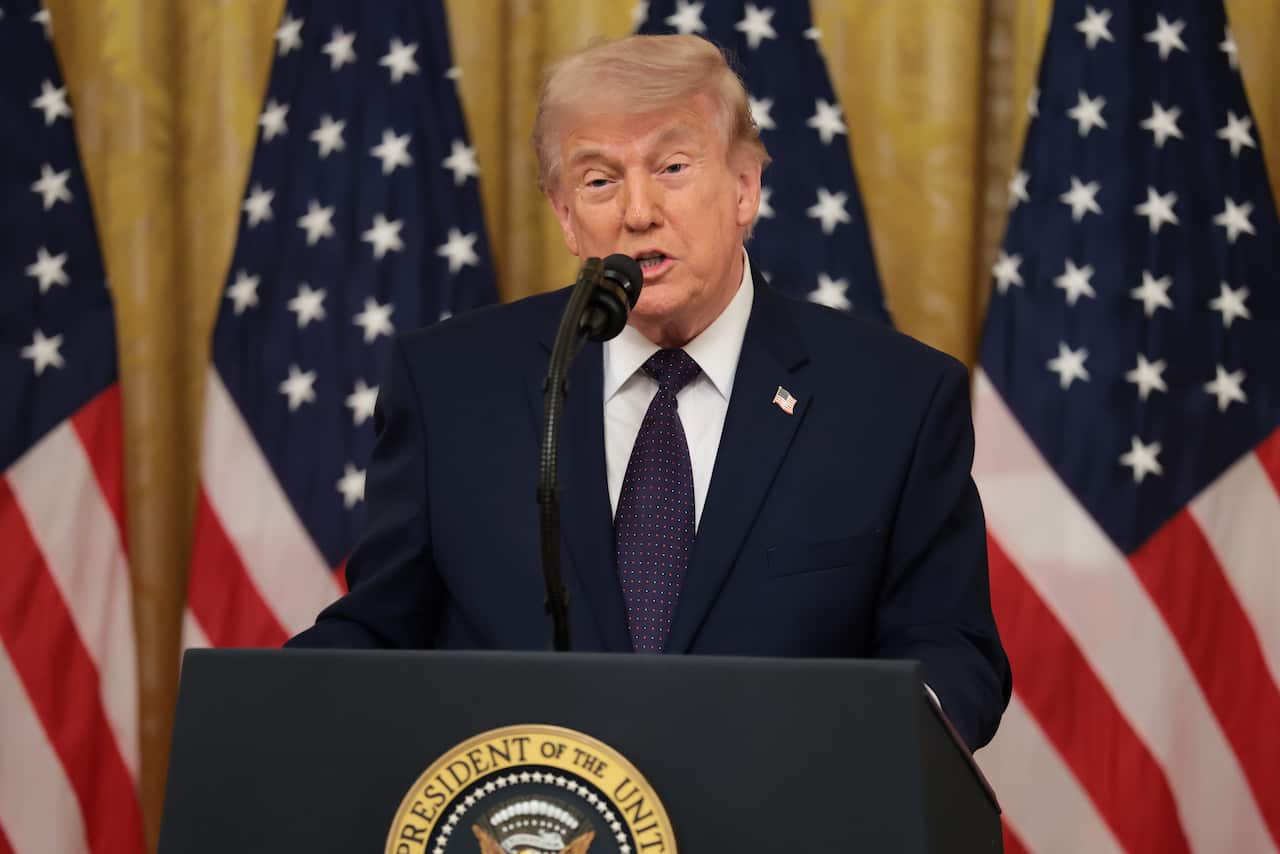
"It will only be a Great Deal for all or, no Deal at all — Back to the Battlefront and shooting, but bigger and stronger than ever before — And nobody wants that!" he wrote.
Meanwhile Iran's foreign ministry said US strikes represented a "gross violation" of a tenuous ceasefire.
Iran's top negotiator and foreign minister were in Doha on Monday for talks with Qatar's prime minister on a deal — something US secretary of state Marco Rubio pointed to as evidence that a more lasting truce was still possible.
However, both the US and Iran downplayed expectations of a diplomatic breakthrough.
Iranian foreign ministry spokesperson Esmail Baghaei said on Monday that a deal with the US was "not imminent" although progress had been made.
"To say that we have reached a conclusion on a large portion of the issues under discussion would be correct," he told reporters in Tehran. "However, to say that this means an agreement is on the verge of being signed is not something anyone can claim."
Shifting objectives
In a video statement delivered shortly after the US' opening salvo earlier this year, Trump said the aim was to "eliminate imminent threats from the Iranian regime".
This included disabling Iran's long-range missile capabilities and its nuclear enrichment program. Trump also encouraged the Iranian people to "rise up" and take control of the government.
Further US demands have also included ending Iranian support for its regional proxies, including Hezbollah and Hamas.
Days later, Rubio said the US had entered the war to preempt Iranian retaliation against US interests in the region, given that Israel was on the verge of striking Iran first. The timeline for the war was also quickly pushed out by Trump from "four to five weeks" to "as long as it's necessary".
A provisional two-week ceasefire, agreed to on 8 April, was extended by Trump indefinitely on 21 April to allow diplomatic solutions to be found.
"What they were originally hoping for was regime change," David Smith, associate professor in American politics at the United States Studies Centre, told SBS News. "It became very clear early on in the conflict that that wasn't going to happen."
"So, Trump has since then really invoked the long-standing aim of preventing Iran from ever having a nuclear weapon."
Iran's nuclear capacity
During peace talks at the start of April, Iran issued a 10-point plan that called for an end to hostilities against itself, Iraq, Lebanon, and Yemen, commitment to lifting sanctions, the release of frozen assets held by the US, and "full payment of compensation for reconstruction costs" for damage caused to the country.
In exchange, the country offered a full commitment not to seek possession of nuclear weapons, a guarantee on which both Israel and the US are adamant.
On Saturday, Israeli Prime Minister Benjamin Netanyahu said that "President Trump and I agreed that any final agreement with Iran must eliminate the nuclear threat entirely".
"This means dismantling Iran's uranium enrichment facilities and removing enriched nuclear material from its territory," he added. An Iran free of such capabilities is a longstanding goal for the Israeli leader.
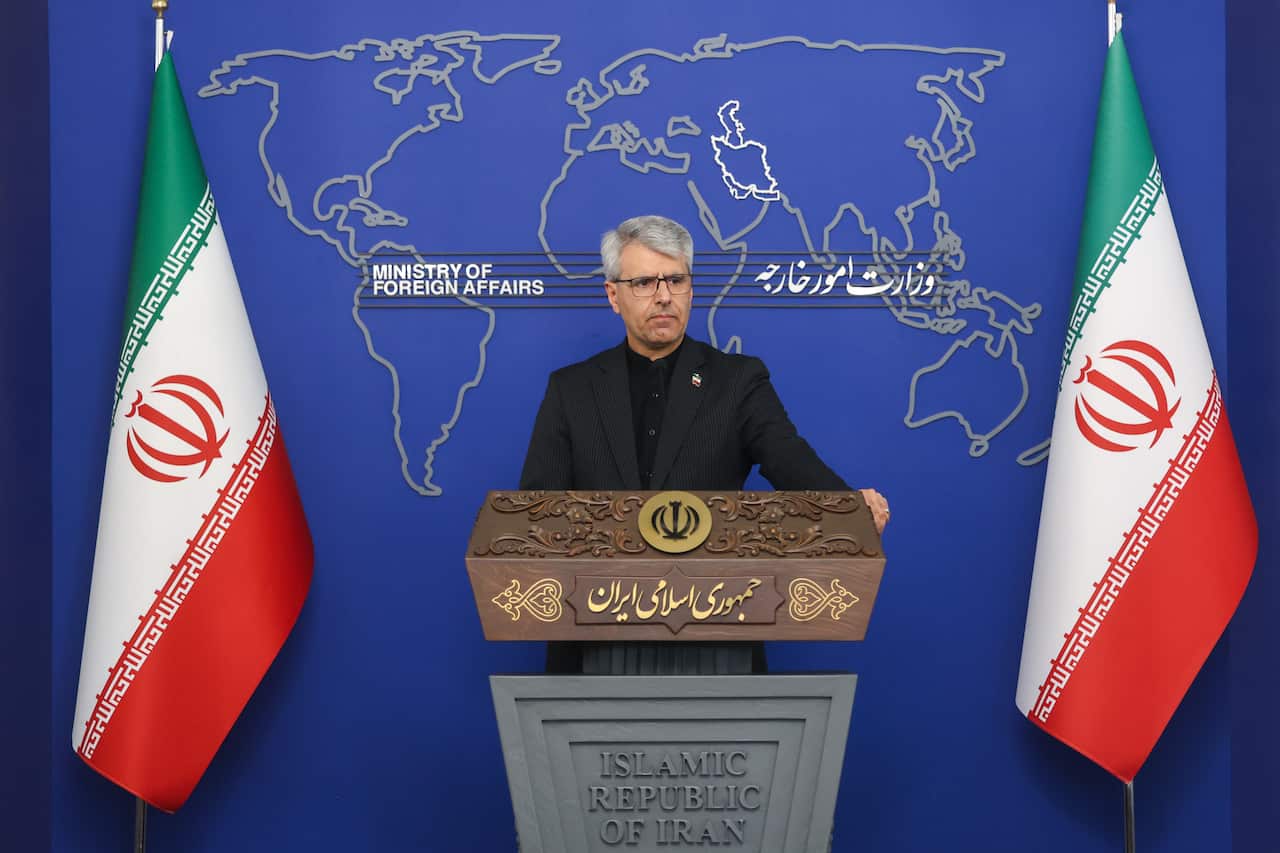
However, Baghaei confirmed that the current framework will not include nuclear weapons deals as those will be "subject to separate discussions" later.
"At this stage, we are not discussing the details of the nuclear issue", he said.
Trump later posted to Truth Social that Iran's enriched uranium would either be "turned over" to the US or "destroyed in place" in the country.
Smith said that, while the Islamic Republic has shown some willingness to hand over enriched material, "we've seen no indication from Iran that it's prepared to give up its right to enrich uranium".
"It really sees that as just a non-negotiable part of its national sovereignty, but Trump seems determined that that's what he has to get out of Iran, because that would be a step further than what Obama was able to do."
Under the terms of the Joint Comprehensive Plan of Action signed between the US and Iran under Barack Obama, Iran agreed to limit its uranium enrichment to well below weapons grade. It also agreed to reduce its enrichment stockpile by 98 per cent and maintain no more than 300 kgs for the next 15 years.
Trump unilaterally took the US out of the deal in 2018 — after frequently describing it as "the worst deal ever" — and Iran subsequently returned to enriching uranium.
"Trump is really facing a problem of his own making at the moment," Smith said.
He said he would not rule out the war with Iran lasting for the rest of the year.
"I wouldn't even rule out that it's still going in 2028."
"The intractability of this basic sticking point about Iran's right to enrich uranium I don't see getting resolved anytime soon ... It took two years for the Obama administration to negotiate the Joint Comprehensive Plan of Action. We could be looking at a similar timeframe."
Two choices for the US
On Monday, Trump added a further item to the list of aims: more signatories to the Abraham Accords, a set of diplomatic agreements brokered by Trump during his first term that seek to normalise relations between Israel and other Middle Eastern nations.
The United Arab Emirates, Bahrain, Sudan, and Morocco all became signatories, recognising Israeli statehood and engaging in bilateral diplomatic and trade relationships.
Smith describes the accords as a means of Israel circumventing the issue of Palestinian self-determination — something many Middle Eastern nations refuse to engage with Israel over — and as a foundation for a regional alliance against Iran.
"This is an attempt to, if Trump does get some underwhelming deal, to make it look a lot more significant than it actually is," he said.
The US now faces two options: continuing the fight against a country that has shown itself to be resolute in not backing down or capitulating and accepting whatever deal it can get, Smith assesses.
"The only way out is that Trump just accepts that he is not going to get what he wanted and finds some way to spin it," he said. "But it's now going to be very hard for him to do that, given everything that he has kept promising."
The Strait of Hormuz and supply shocks
Earlier this month, the Reserve Bank of Australia (RBA) outlined three scenarios for how a prolonged conflict in the Middle East and a continued closure of the Strait of Hormuz might play out in Australia.
In its "adverse scenarios" — in which the vital waterway remains closed and the supply of oil and other essential commodities continues to be restricted into the first quarter of 2027 — the RBA predicts Australia could see inflation hit 5.2 per cent and unemployment rise above 5 per cent by the end of 2028.
Smith suggests this may be the direction the world is heading.
While the Strait of Hormuz has never been physically blocked, cargo ships have avoided travelling through it due to fear of attack by Iran or collision with sea mines.
Dozens of commercial vessels have been attacked or targeted by Iran since February, with at least 12 seafarers killed or missing. The US has also sought to enforce a blockade on ships entering or departing Iranian ports.
Smith predicts the conflict could result in a Cold War-style stalemate in the channel, driving oil prices even higher than they currently stand and raising inflation across the globe.
That is, as Smith said, "unless Trump is prepared to face more reality than he's been prepared to face so far".
For the latest from SBS News, download our app and subscribe to our newsletter.







