In brief
- The United States and Iran have reportedly reached an agreement to extend their ceasefire by 60 days.
- Iran has not publicly confirmed the deal and US President Donald Trump still needs to approve it.
United States and Iranian negotiators have reached a tentative agreement to extend the ceasefire in the three-month-old war by 60 days and start a new round of talks on Iran's nuclear program, US officials familiar with the matter told several news outlets.
Iran did not immediately confirm any deal, and the official noted that US President Donald Trump has yet to sign off on it.
The emerging memorandum of understanding came as the fragile ceasefire in the war between the US and Iran appeared to be wavering.
The latest flare-up in fighting happened less than a day earlier, when the US and Iran traded strikes.
The memorandum makes clear that Iran will not be able to impose tolls on the Strait of Hormuz and that Iran will have to remove all mines from the vital waterway within 30 days, according to the official, who was not authorised to comment publicly and spoke on condition of anonymity.
News that makes sense
Your trusted source for staying up-to-date with the world around you. Get free daily news updates and analysis, straight to your inbox.
According to four sources familiar with the matter, the agreement would extend the truce by another 60 days and allow traffic to flow through the strategic waterway while negotiators tackle difficult issues such as Iran's nuclear program.
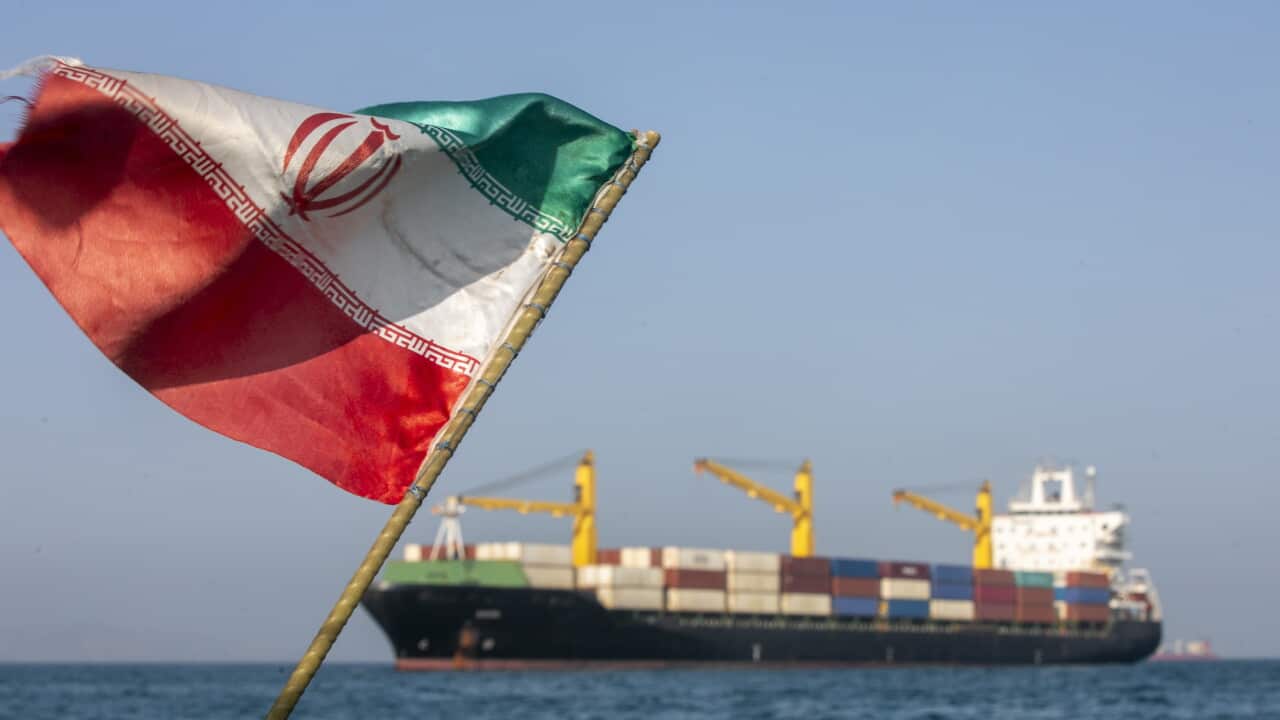
During the war, Iran has effectively closed the strait, which had been the conduit for about a fifth of the world's oil and natural gas trade.
Its closure has sent oil prices skyrocketing around the world.
US treasury secretary Scott Bessent predicted at a news briefing that the cost of oil could "come down very quickly" once a deal is finalised.
Iran has said it's letting some commercial vessels pass — about two dozen daily in recent days, compared with more than 100 a day before the war — but the Islamic Republic also has charged tolls for at least some ships.
It set up a formal gatekeeper agency earlier this month, spurring a new round of US sanctions this week.
Under the tentative agreement, the US would gradually lift its naval blockade on Iranian ports. The US would also agree to relax sanctions, allowing Iran to sell more of its oil.
A second US official, who also spoke on condition of anonymity to discuss the private diplomacy, said the broad outlines of an agreement have been reached but stressed that until Trump signs off on it, there is no deal.
The official said there are still questions about whether Trump will accept the proposal.
Iranian sources cited by local media also said a deal would only be complete when announced by Iran, not unilaterally by Trump.
Another US warning to Oman
Bessent threatened to target US ally Oman if it helped impose a tolling system in the Strait of Hormuz, warning of sanctions against all parties involved in such actions.
"Oman, in particular, should know that the US treasury will aggressively target any actors involved — directly or indirectly — in facilitating tolls for the Strait and any willing partners will be penalized," Bessent warned in a post on X.
He said the US would "not tolerate any effort to impose a tolling system in the Strait of Hormuz", a reference to Iranian proposals to do so as part of a potential agreement with the US.
Bessent later told a White House press briefing that he had spoken with the Omani ambassador earlier, and received assurances that "there were no plans for tolling" the critical waterway.
Trump appeared to threaten Oman a day earlier when asked about a possible short-term arrangement allowing it and Iran to control Hormuz, saying he would "blow them up" if that happened.
Kuwait condemns 'dangerous escalation'
Wednesday's escalation of hostilities between the US and Iran had also drawn in US ally Kuwait, which accused Iran of a "dangerous escalation".
US strikes on the southern Iranian port city of Bandar Abbas prompted Iran to target "the American airbase that served as the source of the attack", according to Iranian state broadcaster IRIB.
The broadcaster did not specify the location, but Kuwait, which hosts US troops, said its air defences had responded to incoming fire.
Kuwait's foreign ministry later condemned "the criminal Iranian attacks that targeted the territory of the State of Kuwait with missiles and drones, in a dangerous escalation".
Iranian foreign ministry spokesman Esmaeil Baqaei described the US strikes as "violations" of the truce.
A US official told AFP the actions had been "measured" and "intended to preserve the ceasefire".
Iran's Revolutionary Guards threatened a "firm response" in the event of renewed attacks.
For the latest from SBS News, download our app and subscribe to our newsletter.







