
In Brief
- Iran-backed militant Hezbollah group says it's ready for an "open war" with Israel following airstrikes.
- Israel's military said on Wednesday that it launched a "broad wave of strikes" on targets in Iran.
Israel has sent troops into southern Lebanon and warned residents of more than 80 villages to evacuate as the Iran-backed militant group Hezbollah says it's ready for an "open war".
The development came after Hezbollah fired rockets and launched drones early toward northern Israel on Monday.
Israel retaliated with a wave of airstrikes that killed 50 people in Lebanon, including seven children, a Palestinian militant and a Hezbollah intelligence official in Beirut's southern suburbs.
Beirut's southern suburbs also saw a series of strikes on Tuesday afternoon that came without warning. The Israeli military later said it targeted Hezbollah officials.
A senior Hezbollah official said the group has no option but to fight Israel.
News that makes sense
Your trusted source for staying up-to-date with the world around you. Get free daily news updates and analysis, straight to your inbox.
"The Zionist enemy wanted an open war, which it has not stopped since the ceasefire agreement," Mohamoud Komati said.
"So let it be an open war," he said.
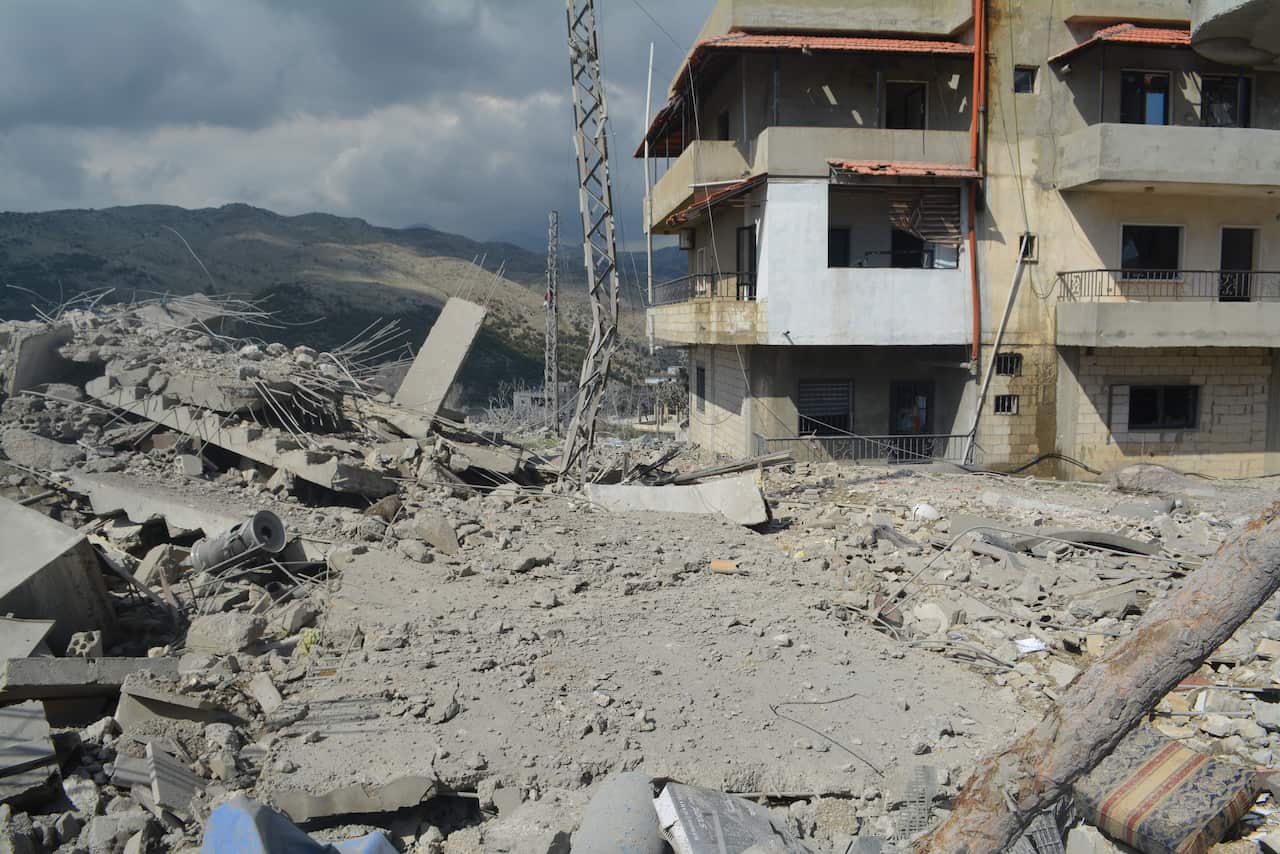
Hezbollah's move to enter the conflict has sharpened long-standing divisions in Lebanon over its status as an armed group — the only Lebanese faction to keep its weapons after the 1975-1990 civil war.
The government on Monday took the unprecedented step of outlawing Hezbollah's military activities.
Lebanese President Joseph Aoun told the ambassadors of Saudi Arabia, Qatar, the United States, France and Egypt that Hezbollah has been firing rockets from areas north of the Litani River.
The Litani River is a strategic boundary in southern Lebanon used in a 2006 UN resolution and a November 2024 Israel-Hezbollah ceasefire deal as one demarcation line of a zone in which only Lebanese authorities and UN peacekeepers are permitted.
The Israeli military said it sent additional troops into southern Lebanon and took new positions on several strategic points close to the border. Lebanon's state-run National News Agency said the Lebanese army was evacuating some of its positions along the border.
The Israeli military's Arabic spokesperson said on X that the troops' movements inside Lebanon are meant to bolster Israel's forward defence system and create an additional layer of security.
Adraee also warned residents of more than 80 villages and towns in southern Lebanon to leave, adding that people should not return to these areas until further notice.
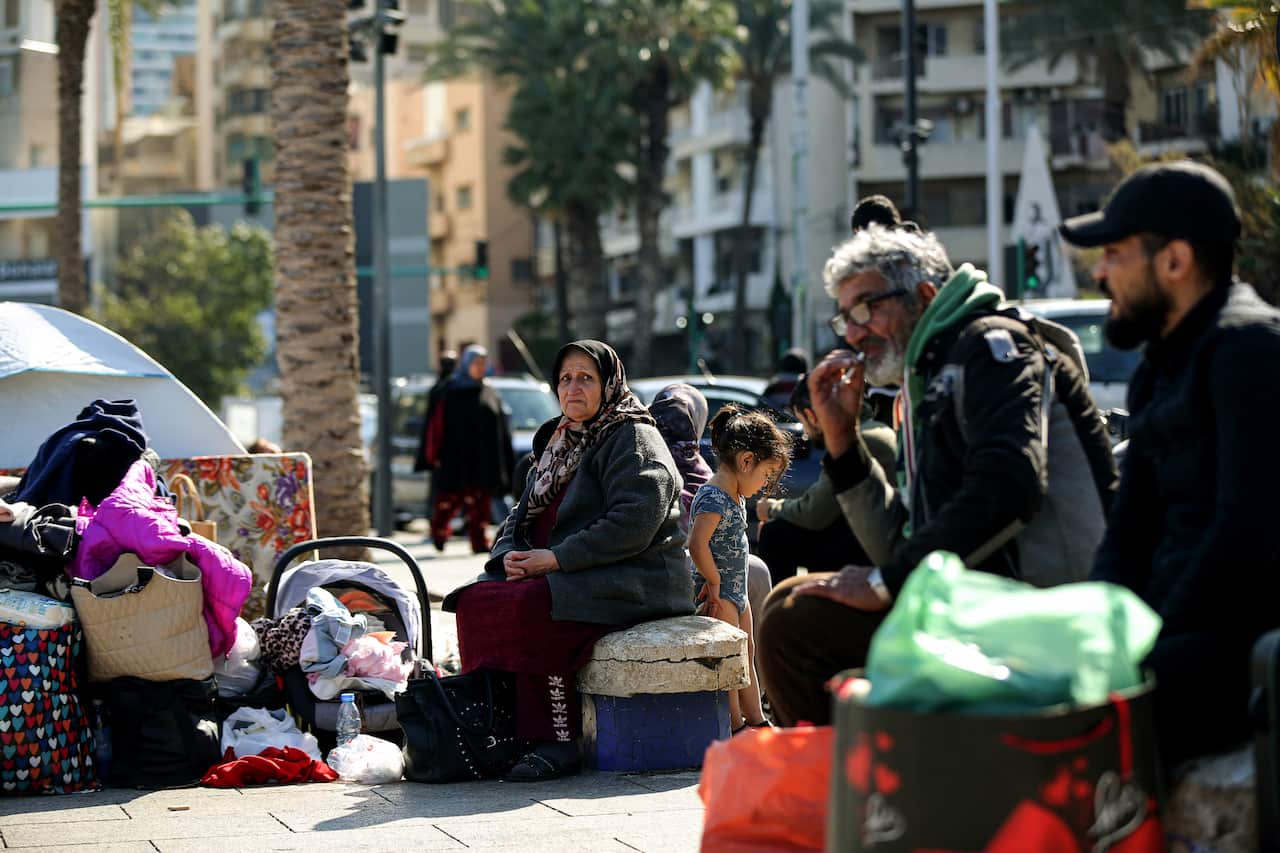
The United Nations said that, by Monday, at least 30,000 people, including 9,000 children, had sought protection in shelters, while many more were expected to join them.
Syria sends troops to border
Meanwhile, as the conflict spreads across the region, Syria's defence ministry said it has reinforced its border with Lebanon.
Rocket units and thousands of troops have been deployed to the border, according to Syrian and Lebanese sources.
The Syrian defence ministry said in a statement on Wednesday that the army has reinforced its deployment along the Syrian borders with Lebanon and Iraq as part of efforts to “protect and control the borders amid the escalating regional conflict”.
The deployed units belong to the border guard and reconnaissance battalions tasked with monitoring border activities and combatting smuggling, the ministry added.
Israel and Iran continue to exchange fire
Meanwhile, Israel's military said on Wednesday that it launched a "broad wave of strikes" on targets in Iran, after the Islamic Republic fired rounds of missile barrages at Israeli territory.
The military said the targets of its latest strikes include Iranian "launch sites, air defence systems, and additional infrastructure".
Air raid sirens rang out across multiple parts of Israel overnight as the military worked to intercept incoming Iranian fire.
There were no immediate reports of significant impact, although police said munitions fell in the Tel Aviv area, where one woman suffered mild shrapnel injuries.
Trump: Attacks prompted by 'feeling' Iran would attack
Those attacks followed Israeli and US forces pounding targets across Iran on Tuesday, prompting Iranian retaliatory strikes around the Gulf, rattling global markets and sending oil prices soaring.
Four days into the war, US President Donald Trump told reporters that the US military had struck numerous Iranian naval and air targets, saying that "just about everything has been knocked out".
The US military has destroyed 17 Iranian ships, including a submarine, and struck nearly 2,000 targets in Iran, the commander of the US Central Command said on Tuesday.
Iran said its death toll from the attacks had reached 787, citing the Red Crescent.
In his most extensive public comments yet, Trump also sought to justify the assault on Iran, saying he had ordered his forces into action because he had "a feeling" Iran would attack after negotiations over its nuclear program stalled.
In response to the fierce assault, Iranian drones struck the US embassy in Saudi Arabia after previously hitting the mission in Kuwait.
A senior US admiral said Iran has launched over 500 ballistic missiles and over 2,000 drones in retaliatory attacks so far.
Washington shut both embassies, as well as its one in Lebanon, and ordered non-emergency government personnel and their families to leave much of the Middle East.
The Australian government has also said that it was "working around the clock" to create options for stranded Australians to depart from the Middle East.
A source familiar with Israel's war plan said the campaign had been planned to last two weeks and was going through its target list faster than expected, with early success in killing its leaders — including Supreme Leader Ayatollah Ali Khamenei in strikes on Saturday.
When asked who he would like in charge in Iran following the death of Khamenei, Trump gave a blunt assessment: "Most of the people we had in mind are dead."
US Navy could escort oil tankers
Global crude prices have spiked since Israeli and US forces began striking Iran over the weekend, leading to fighting that has interrupted Middle East oil tanker shipments.
Trump says the US Navy could begin escorting oil tankers through the Strait of Hormuz, where oil shipments have been largely blocked.
The US president has ordered the US International Development Finance Corporation to provide political risk insurance and financial guarantees for maritime trade travelling through the Gulf.
The announcement marks one of the administration's most aggressive steps yet to contain rising energy prices and calm oil markets amid escalating conflict in the Middle East that has raised risks to shipping through key waterways.
For the latest from SBS News, download our app and subscribe to our newsletter.







