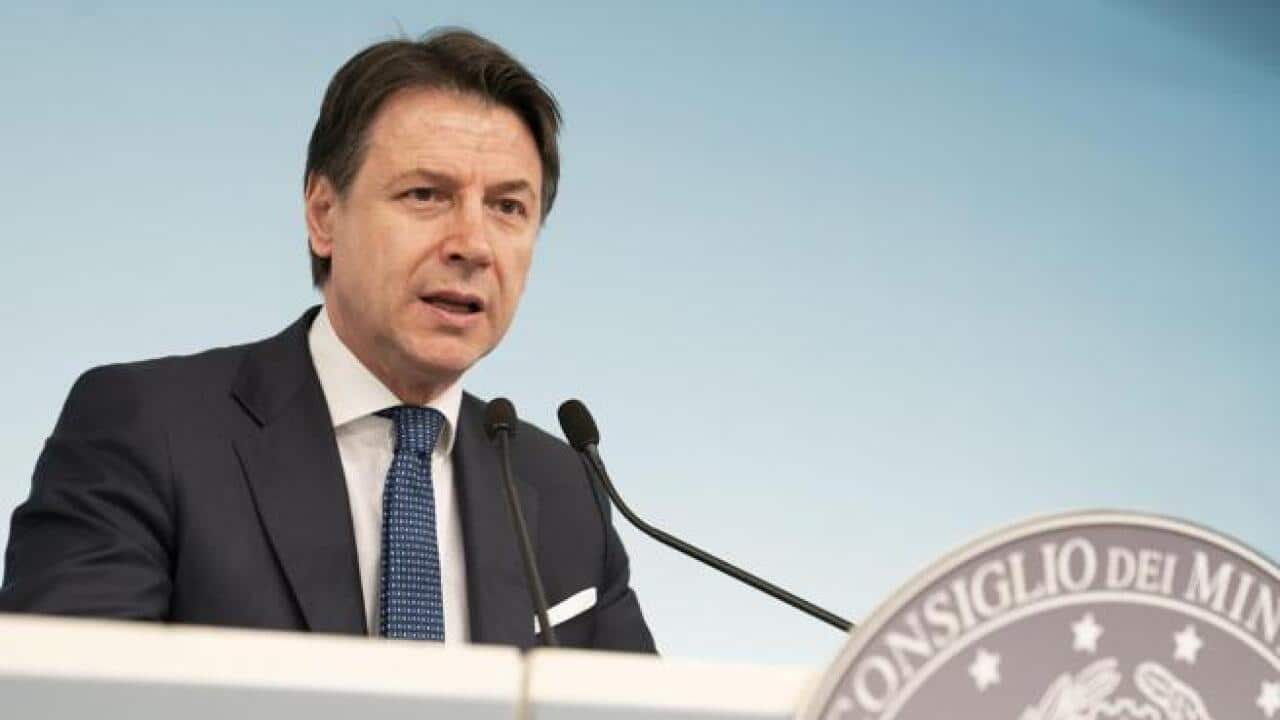
Italy's Prime Minister Giuseppe Conte has added new restrictions to the lockdown imposed to fight the coronavirus after figures showed Italy posting the highest daily increase in deaths of any country since the outbreak began.
In a televised address to the nation on Wednesday, Mr Conte said all shops would be shuttered except supermarkets, food stores and chemists, and companies must close all their departments that are not essential to production.
Services such as hairdressers and beauty parlours will also be closed, along with bars and restaurants that cannot guarantee they can keep a distance of at least one metre between customers.
"We will only be able to see the effects of this great effort in a couple of weeks," he said, referring to the daily bulletins announcing the number of new cases and deaths.
On Thursday morning, there were 124,578 confirmed cases of the coronavirus, of which 66,702 had recovered.
News that makes sense
Your trusted source for staying up-to-date with the world around you. Get free daily news updates and analysis, straight to your inbox.
A total of 4,584 people had reportedly died from the pandemic.
WHO declares a pandemic
The new coronavirus outbreak has been characterised as a pandemic, the head of the World Health Organization said on Wednesday.
WHO chief Tedros Adhanom Ghebreyesus said he was alarmed by the spread and severity of the outbreak, along with a lack of action taken to combat it.
"COVID-19 can be characterised as a pandemic," he told reporters in Geneva.
He said he expected the number of cases and deaths would grow in the coming days and weeks.
"We have never before seen a pandemic sparked by a coronavirus," he said.
He also said hard-hit Iran was trying its best to control the outbreak but needed more supplies.
Mr Ghebreyesus said the pandemic could be changed "if countries detect, test, treat, isolate, trace and mobilise their people in the response."
In Iran, by far the hardest-hit country in the Middle East, the senior vice president Eshaq Jahangiri and two other Cabinet ministers were reported to have been diagnosed with COVID-19.
Several countries stepped up containment procedures on Wednesday, with stricter border controls and travel bans from countries where the virus has become widespread.
Hungary became the latest country to ban those coming from Italy from entering, as they declared a state of emergency and suspended university classes claiming there are many foreign students attending.
Croatia halted ferry operations bringing passengers from Italy on Wednesday, with one vessel currently held at Split dock as authorities decide options for passengers onboard.
Germany, however, was quick to dismiss suggestions of border closures or travel bans, saying that they would deal with people coming into the country on a case-by-case basis.
"Border closures are not an adequate answer to the challenges, if you say I come from a region classified as a crisis region then measures should be taken," German Chancellor Angela Merkel said.
The Czech Republic began containment procedures on Wednesday, closing tourist shops and schools and suspending events and gatherings of more than 100 people in an attempt to stem the spread of the new virus - the country currently has more than 60 confirmed cases of the virus.
The result in the country's capital Prague was empty streets in areas which are usually known for high tourist activity.
Greece also shut all private and state-run schools, universities and kindergartens throughout the country for the next 14 days - as of Tuesday, the country's total stood at 89 cases of the virus.
In Iraq, civil defence staff wearing protective clothing on Wednesday sprayed disinfectant in the public areas effort to combat the new coronavirus outbreak as the country has taken drastic measures to stem the spread, including ordering the closures of schools and universities.
Sweden reports first death
Sweden has reported its first death from the new coronavirus and banned public gatherings of more than 500 people to try to stop the spread of the disease.
Sweden has around 460 confirmed cases of the virus, the first of which was identified at the end of January.
"The patient has had COVID-19 as well as an underlying sickness," the regional health authority said in a statement on Wednesday.
The elderly patient died in intensive care at a hospital in the Stockholm region.
The authority said another patient was also being treated in intensive care in the same region.
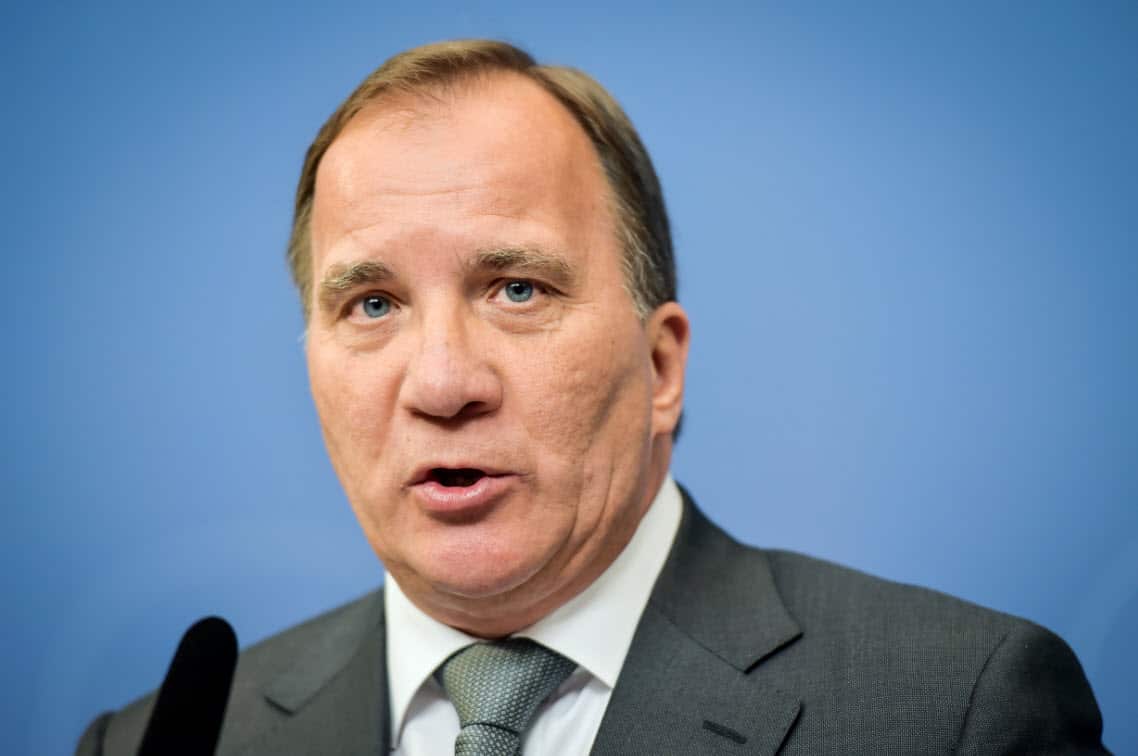
With the rapid increase in the number of cases in recent days, the government decided to follow a request from the Public Health Agency on Wednesday to ban gatherings of more than 500 people to try to stem the spread.
"The government is also going forward ready to take the decisions required to stop the spread of the disease," Prime Minister Stefan Lofven told a news conference after a meeting of the government.
The Public Health Agency on Tuesday raised the risk level for local contagion to "very high" from "moderate" and said it was seeing signs of community spread in the Nordic country.
Denmark to close schools over coronavirus
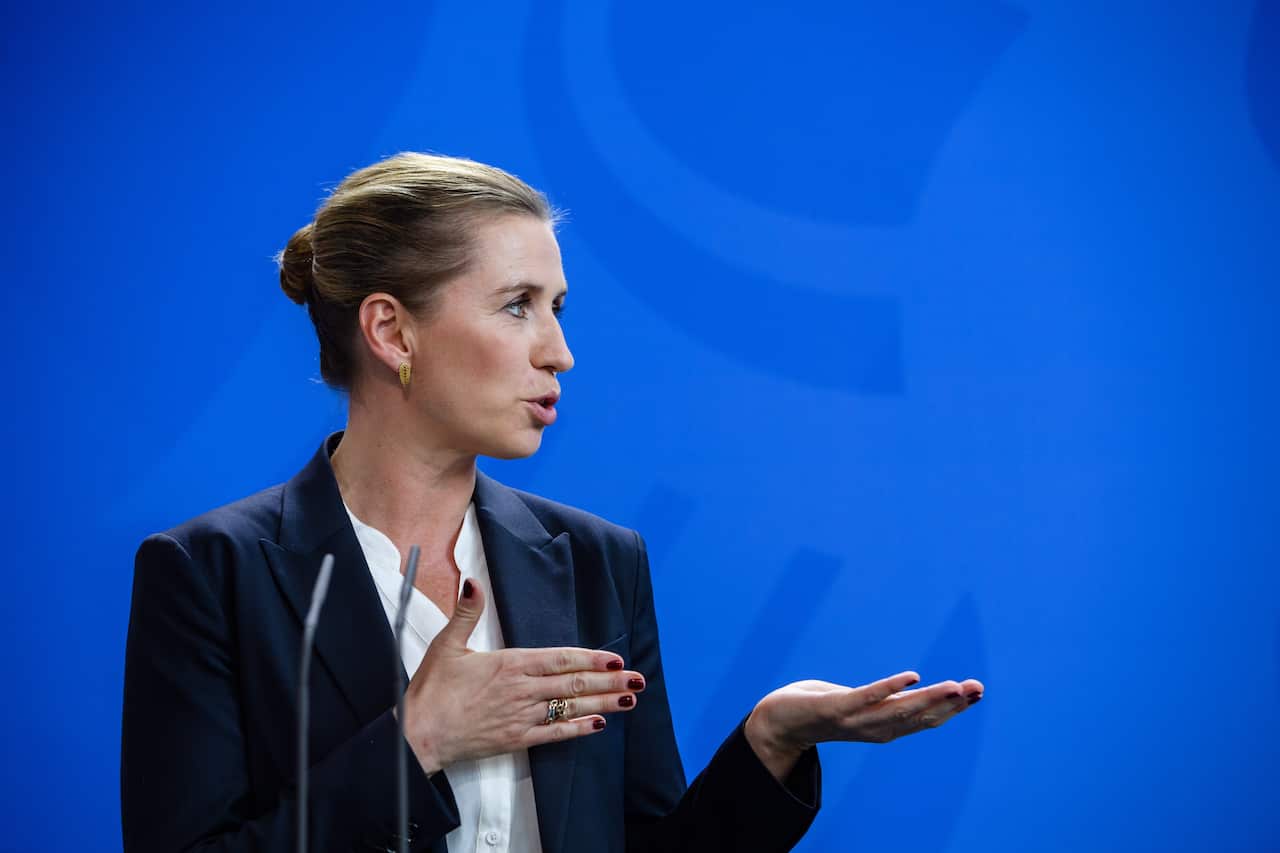
Denmark will as of Monday close all public schools and kindergartens for a two-week period amid the rapid spread of the coronavirus, Prime Minister Mette Frederiksen says.
Public employees who don't have so-called "critical functions" will also be sent home from work as of Friday, she told reporters late on Wednesday.
The "drastic measures" would not apply for employees in the health sector, nursing homes and police, the government said.
Ms Frederiksen said the government was also preparing emergency legislation to ban all indoor gatherings of more than 100 people but said this was recommended as of now.
Nightclubs and discos were urged to close for a period, she added.
"We shall minimise all activities in society as much as possible," she said, noting the country had entered a new stage in the infection with 514 diagnosed cases late Wednesday.







