
Prime Minister Anthony Albanese has called for parliament to come together and pass an extensive bill changing offences around hate crimes and tightening gun laws.
The 144-page draft of the Combatting Antisemitism, Hate and Extremism Bill was released on Tuesday. It proposes to create new offences, increase penalties for existing hate crimes, and introduce additional security checks for people obtaining firearms.
Albanese will need Opposition or crossbench support to pass the legislation, casting it as a moment for "national unity" and asking politicians to "look for reasons to agree" rather than disagree.
Some, however, have already expressed reservations. Nationals leader David Littleproud said gun laws and hate speech are "complex" issues and rolling them into one bill "disrespects the parliament".
"If you were really serious about bringing the country together … you would have these two serious and complex policy areas separated," Littleproud told Sky News on Tuesday.
News that makes sense
Your trusted source for staying up-to-date with the world around you. Get free daily news updates and analysis, straight to your inbox.
There are also concerns within the Opposition about provisions of the hate speech bill, including a passage that exempts "directly quoting from or otherwise referencing a religious text for the purpose of religious teaching or discussion".
They believe this may fail to tackle some radical Islamic preachers who would be able to fall back on that defence.
Here are eight takeaways from the proposed legislation that will be debated when parliament returns next week — a fortnight ahead of schedule.
Illegal to promote or incite hatred
Under the proposed legislation, it would be illegal to "publicly promote or incite hatred", or "disseminate ideas of superiority or hatred towards another person or group of people based on their race, colour, or national or ethnic origin".
Someone encouraging hatred towards a community member, making them feel intimidated or fear violence, could be imprisoned for five years.
However, the bill also states the racial vilification rule would not apply to an individual referencing a religious text "for the purpose of religious teaching or discussion".
New offences for extremist preachers and leaders
A religious official or spiritual leader found advocating or threatening violence against groups, in their preaching or religious instruction capacity, will face up to 12 years imprisonment.
The offence aims to crack down on leaders using their authority and influence in society to spread hatred or violent extremist views.
Major penalties for hate crime offences
Harsher penalties will apply for anyone seeking to spread hate, division and radicalisation.
Anyone threatening force or violence against persons or a group, as well as their property or a person close to them, will face jail time increased from five to seven years.
Aggravated hate crime offences will carry a 10-year penalty instead of a seven-year penalty and threatening or harassing someone through the mail will incur five years.
New grounds to refuse and cancel visas
The home affairs minister can currently refuse or cancel visas on character grounds.
This test will now include individuals who have previously spread hatred or extremism publicly, either online or overseas, have allegedly been involved in hate conduct, appear motivated to commit related offences or have alleged links to prohibited groups.

A person rejected based on these hate-motivated grounds can also be permanently barred from future visa applications to enter Australia.
Expansion of hate symbol offences and police powers
The trade and public display of Nazi swastikas and other hate symbols is already illegal under the criminal code. However, the definition of hate symbols has been expanded to include symbols of any prohibited group under the proposed legislation.
The police will have expanded powers to seize publicly displayed hate symbols and to order their removal.
People seeking to breach customs law by importing or exporting prohibited symbols or other violent extremist material will also face severe penalties.
New framework to list and criminalise 'hate groups'
A new framework will allow the home affairs minister to prohibit groups found to be engaging in or advocating hate crimes based on race, nationality or ethnic origin.
The minister will need written advice from the Australian Security Intelligence Organisation (ASIO) director to prohibit the group, with the attorney-general agreeing to the listing.
Once the group is prohibited, it will be a criminal offence to be a member of the group, to participate in its activities, to engage in recruitment or training, or to provide support or financial assistance.
Firearm security checks
There will be an additional layer of security checks under the AusCheck system when approving firearms licences and reviewing current holders.
Where necessary, states and territories will have access to classified intelligence from federal agencies, including ASIO and the Australian Criminal Intelligence Commission (ACIC).
It will also allow AusCheck to facilitate citizenship verification checks, in limited circumstances.
National buyback scheme
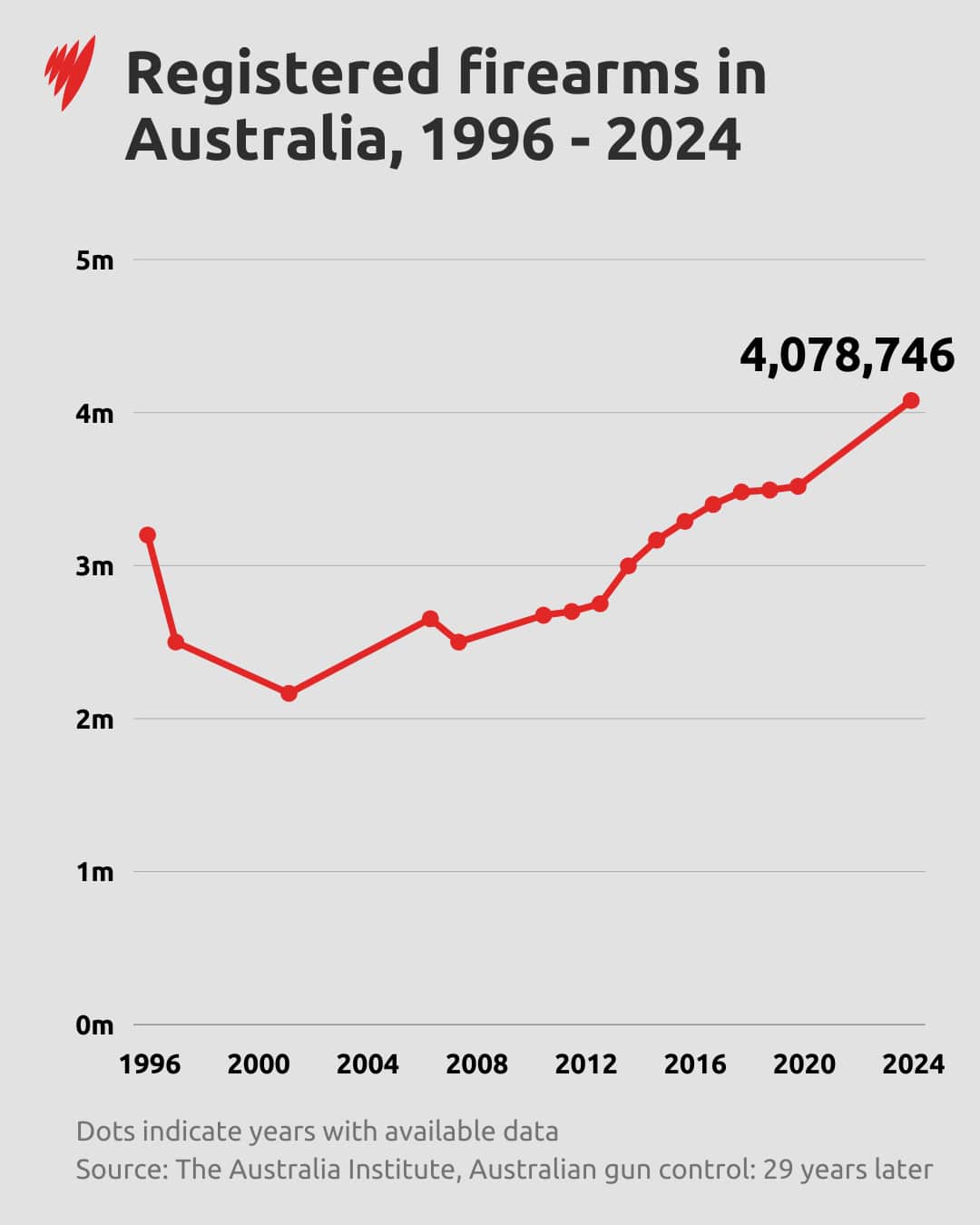
The bill establishes the grounds for states and territories to work alongside the Commonwealth to limit the number of firearms during a two-year buy-back period, review licensing requirements and the use of criminal intelligence in the process.
Recreational users will now be limited to four firearms under the provisions, and guardrails around importing firearms will be strengthened.
Shooting Industry Foundation Australia estimates 50 per cent of gun owners will be affected by the new measures, with 4.3 million registered firearms across the country.
For the latest from SBS News, download our app and subscribe to our newsletter.







