
Key Points
- The federal government's proposal would enshrine a 43 per cent emissions reduction target by 2030 based on 2005 levels.
- The bill now heads to the Senate, where Labor needs the support of the Greens and one crossbencher
Labor's climate bill to enshrine in law a 2030 emissions reduction target has passed its first hurdle clearing the lower house.
It's been backed by the Greens, teal independents and Liberal MP Bridget Archer, who crossed the floor as the Coalition held firm on its opposition to the bill.
The federal government's proposal would enshrine in law a 43 per cent emissions reduction target by 2030 based on 2005 levels, which underpins Labor's policy to secure Australia's energy transition from its reliance on fossil fuels.
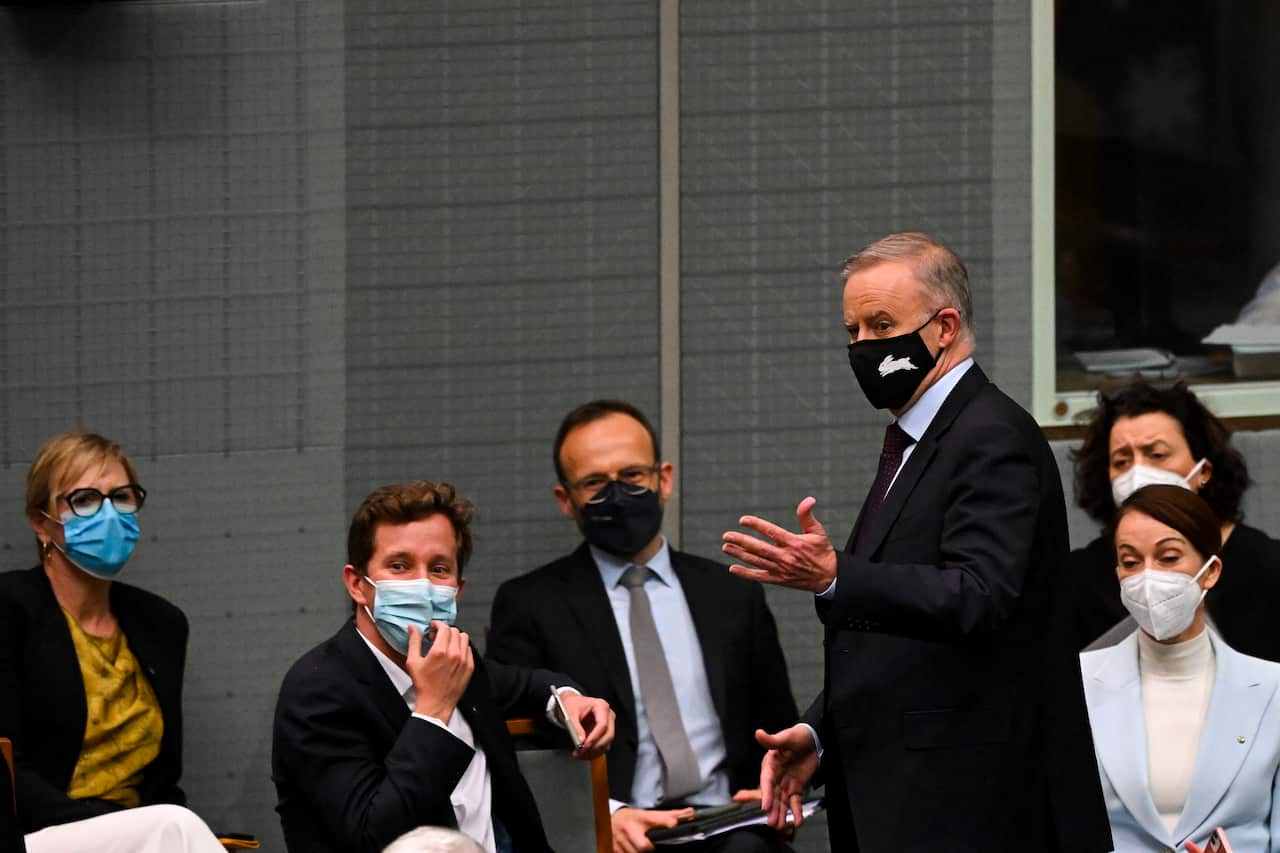
Prime Minister Anthony Albanese has described the bill as a chance to end the "climate wars", but the Coalition argues it's not required to adopt the emissions target.
News that makes sense
Your trusted source for staying up-to-date with the world around you. Get free daily news updates and analysis, straight to your inbox.
Mr Albanese said the passing of the bill amounted to progress on delivering on a mandate for stronger action on climate change secured at the election.
"The Australian people want action on climate change today we took some important steps forward," he told reporters.
The bill passed through the House of Representatives, 89 votes to 55, with several amendments made by the crossbench.
Labor holds a majority in the lower house so the legislation’s passing here was anticipated, but securing broad support from the Greens and the crossbench is seen as a display of unity on climate policy - long the source of political division.
The federal government's deal to secure agreement from the Greens is also critical in paving the way for it to eventually to pass the Senate.
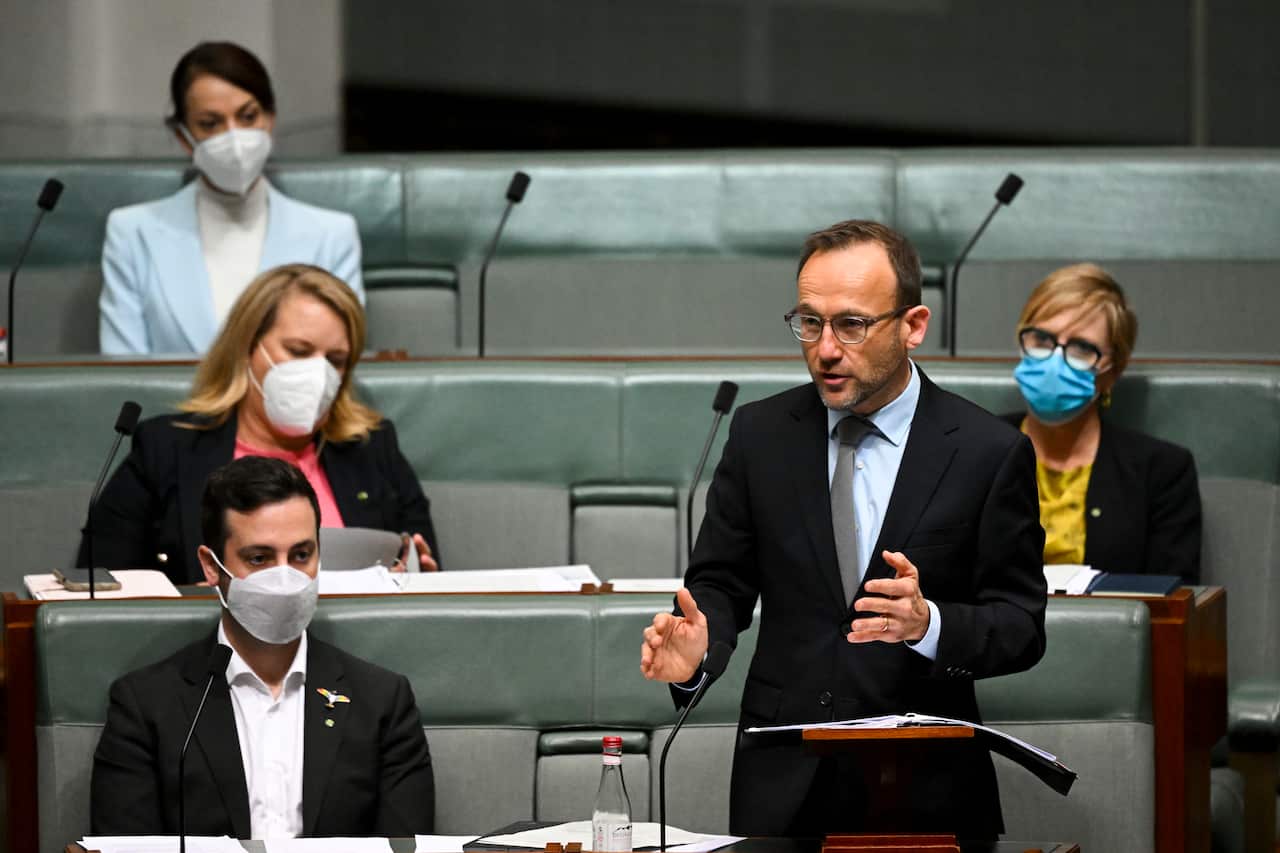
Greens leader Adam Bandt said his party wanted stronger ambition on cutting emissions but his attempt to extend its scope was voted down.
"You need pollution cuts of 75 per cent," he told the parliament.
"That is crystal clear - that is the science, that is why we are doing this - any less and you are giving up on one and-a-half degrees.”
The so-called six teal independents in the lower house had advocated during the election for Australia to adopt a 50-60 per cent emissions target by 2030.
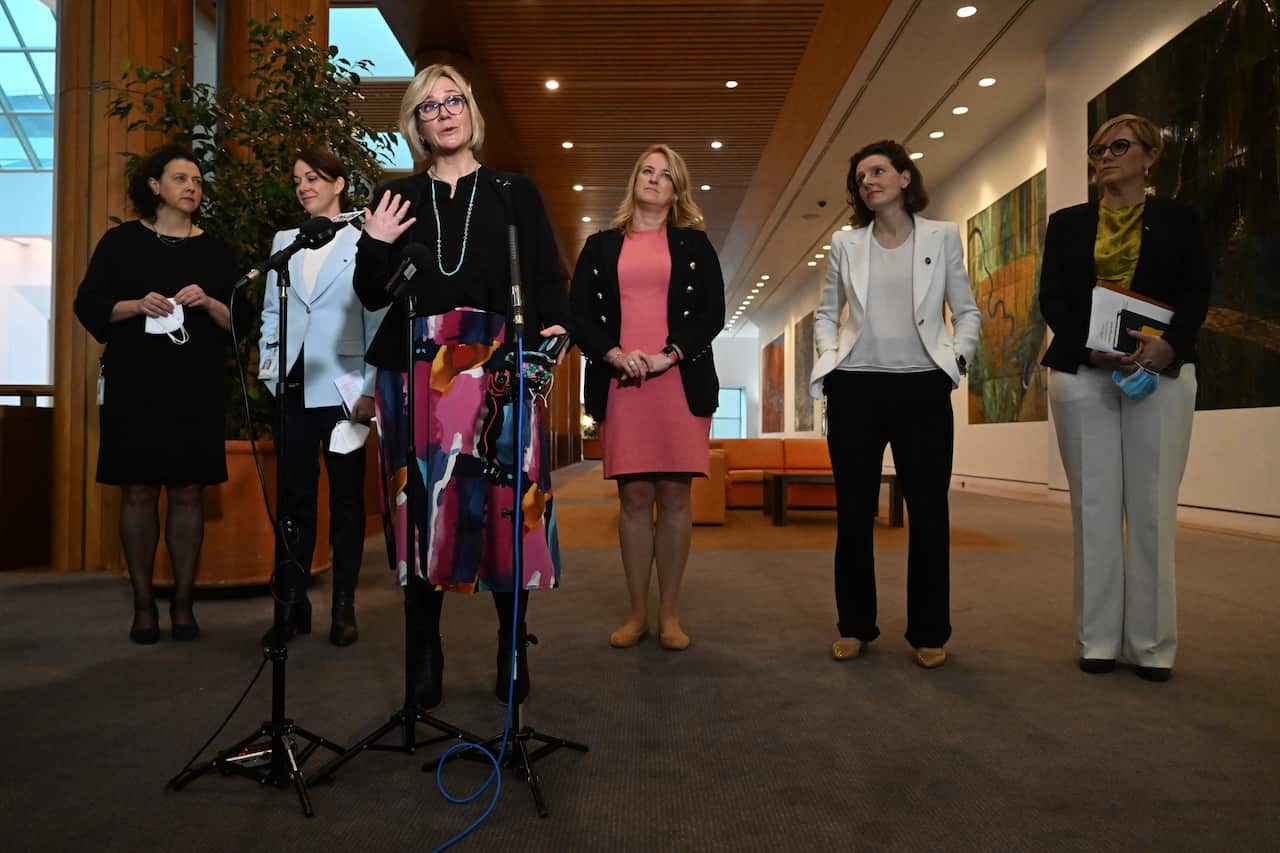
But in a join press conference on Thursday ahead of the vote, Independent MPs Kylea Tink, Sophie Scamps, Zoe Daniel, Zali Steggall, Allegra Spender and Monique Ryan welcomed the bill as a mark of progress towards delivering stronger climate action.
The independents secured amendments to the bill, broadly aimed at more explicitly detailing its accountability and monitoring measures and language around ambition.
Ms Daniel told parliament she'd advocated for the legislation to make clear the 43 per cent target was a "floor and not a ceiling" on reducing emissions.
"This plain language I believe is necessary to prevent ambition from being thwarted," she said.
"In my mind this is very much a start - not a finish."
Independent MP Dai Le abstained from voting on the bill, citing a lack of detail on its specific impact on her Western Sydney electorate of Fowler.
Climate bill heads to the Senate
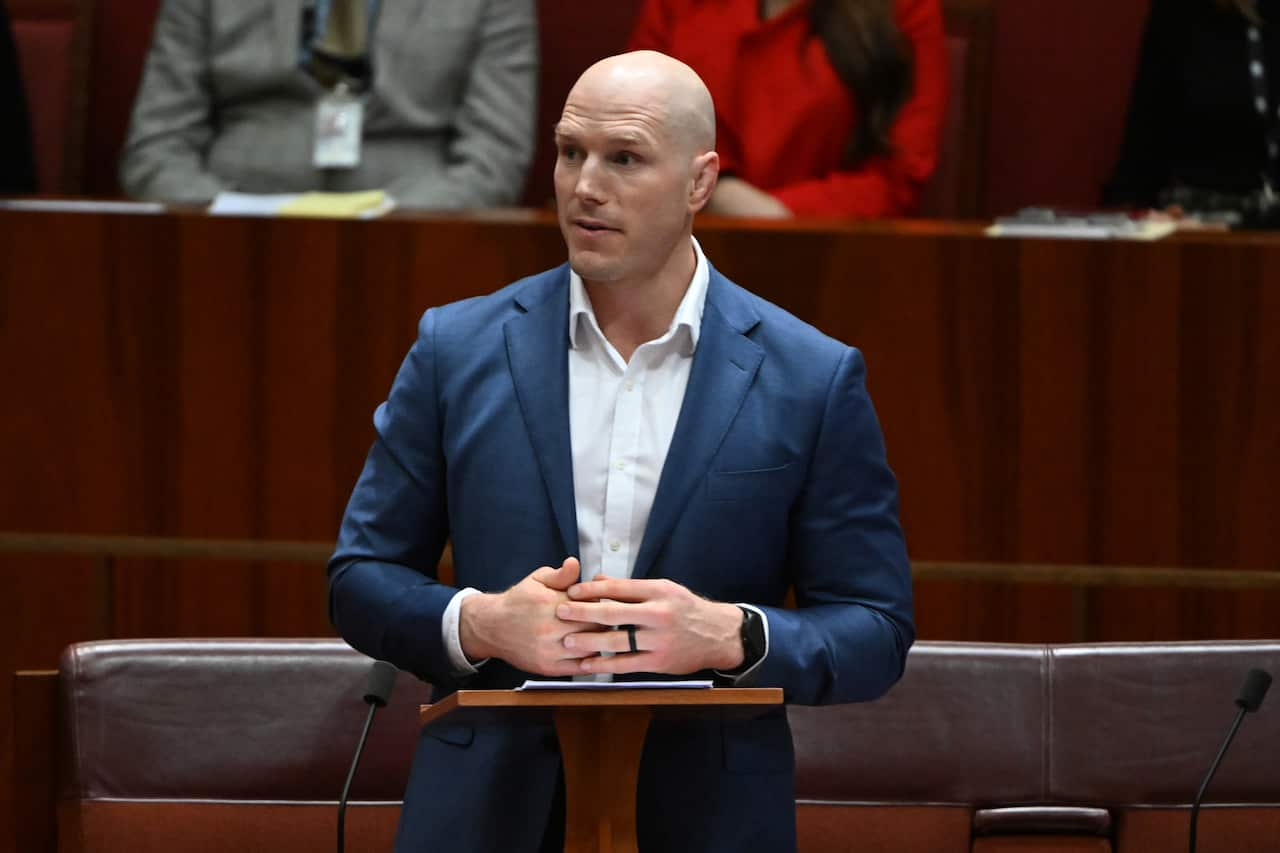
The government needs the Greens plus one crossbencher to get any contested legislation through the Senate, with negotiations still underway with independent Senator David Pocock and Jacqui Lambie.
Senator Pocock has indicated he supports legislation on an emissions target but would continue to push to ensure the bill has “transparency and integrity” in its reporting.
"The priority is getting the 43 per cent right, ensuring that it has integrity that we are reporting it the right way, but clearly there is a lot of work to do," he told reporters.
Passing the legislation into law is not required for the government to update Australia's official emissions target with the United Nations as part of the Paris Agreement.
But the federal government argues taking this action delivers a strong signal providing certainty both in Australia and to the international community about its ambition.
Mr Albanese said legislating the target would provide much-needed certainty to the business community and industry around investment in renewable energy.
He said the Coalition, by opposing the bill, had failed to join the parliament in providing this assurance.
"They are not acting like they have the interest of Australia at heart," he said.
"This so-called party of private enterprise has today thumbed its nose at the business community in Australia who are crying out for certainty going forward."
Liberal Senator Simon Birmingham - outlining the Coalition's view the bill isn’t necessary - described the legislation more like "window dressing".
"Personally had the legislation had been necessary to commit to higher levels of targets then I would have wanted to support it in a heartbeat," he told reporters.
The Coalition has said it will take its time to adopt a new target after taking a policy to cut emissions 26 to 28 per cent by 2030 to the last election.
Senator Birmingham said the party intended to take a policy that supports "higher ambition on emissions reduction as targets".
Climate bill amended to enhance accountability
The climate bill would also legislate Australia’s intention to reach net zero emissions by 2050.
It would task the independent Climate Change Authority to provide advice on progress against these targets, which would also provide advice on a 2035 target.
The laws would also require the minister for climate change to report annually to parliament on the progress of meeting targets.
An amendment secured by independent MP Helen Haines means this would now also include a reference to the impacts of this transition on regional Australia.
But Nationals Leader David Littleproud said his party was not convinced the bill had appropriate safeguards in place around the energy transition.
"While [this] is well [intended] - unfortunately it doesn’t go to the heart of the issue," he told the parliament.
"We feel that these amendments are ill-equipped to secure the security for regional and rural Australia to participate in any climate change debate."
Liberal climate change spokesperson Ted O'Brien also expressed concerns about the bill's accountability measures, describing it as amounting to the minister "marking his own homework" in meeting the emissions targets.
Ms Haines said the secured changes would ensure the impact on regions are considered by the Climate Change Authority, which provides advice to government.
The bill's passing comes on the last day of the opening sitting fortnight with parliament set to take a four-week break before returning in September.
The legislation now also faces going through a Senate inquiry before having its fate decided in the upper house.
The Business Council of Australia, Australian Industry Group, the Australian Chamber of Commerce and Industry, the National Farmers' Federation, the Australian Council of Trade Unions, the Clean Energy Council, the Minerals Council of Australia, and the Australian Conservation Foundation have all expressed their support for the policy.







