
A drop in Australia's headline inflation has not eliminated the possibility of a February interest rate hike, according to some economists.
The annual consumer price index (CPI) dipped from 3.8 to 3.4 per cent in November, according to Australian Bureau of Statistics data released on Wednesday.
That was lower than headline figure of 3.6 per cent economists had forecast.
But the RBA places greater emphasis on the trimmed mean or underlying measure of inflation, after removing volatile items, which remains too high.
Trimmed mean inflation fell from 3.3 per cent to 3.2 per cent after rising 0.3 per cent month to month. The figure is above the RBA's two to three per cent target band, but is consistent with their November forecast.
News that makes sense
Your trusted source for staying up-to-date with the world around you. Get free daily news updates and analysis, straight to your inbox.
Also key to RBA deliberations will be the December quarter inflation report, set for release on 28 January — days before the central bank's board is scheduled to meet on 2-3 February.
AMP Chief Economist Shane Oliver says the RBA will be concerned by stickier items like the cost of building a new home, which is "accelerating".
"New dwelling inflation was up 2.8 per cent on a year ago, compared to 1.7 per cent in October on a year ago," he told SBS News.
"So that's still a red flag there with new dwelling construction prices, which are continuing to pick up pace, so that will concern the RBA."
He said that although market services didn't go up, they remained too high at around 3 per cent.
'Still too high': What does this mean for interest rates?
Richard Holden, Scientia Professor of Economics at UNSW Business School, said the inflation data showed the cost of items still went up, but the growth had slowed slightly.
"I think it's telling us that inflation is still too high," he told SBS News.
"The RBA are going to have to do something to get it under control. And today's figures don't change that."
Asked whether this points to an interest rate hike, Holden said it remains on the cards.
"It certainly could, and a lot of economists are suggesting that rates will need to go up. So if you thought that they were going to go up before this number, I wouldn't change my mind," he said.
Oliver, relieved by the drop, predicts a hold but admits "they're not great numbers".
"They're still too high. The Reserve Bank will still be nervous. It keeps alive the prospect of a rate hike in February," Oliver said.
He said the December quarter CPI figures will be a better predictor for the RBA's February meeting.
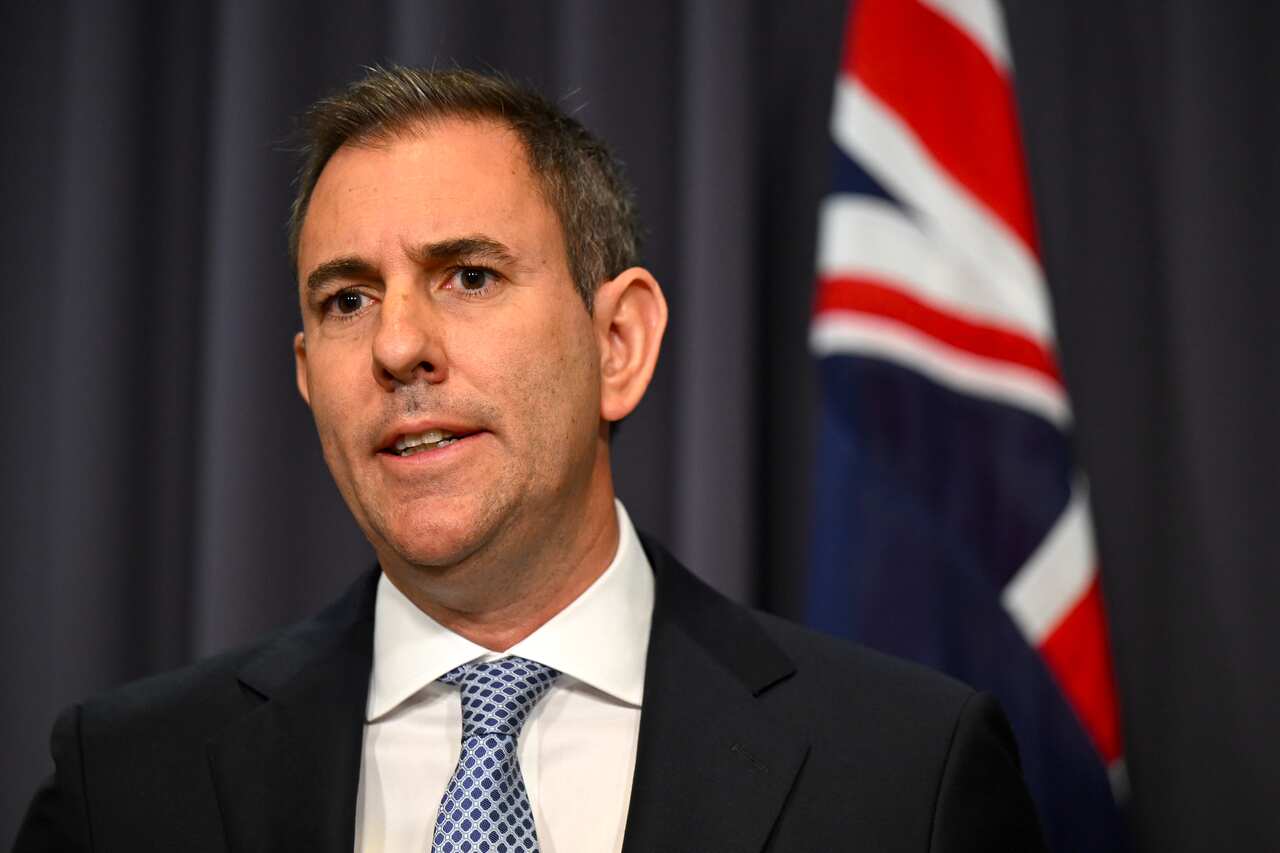
Treasurer Jim Chalmers said while he understood Australians were still feeling the pinch of competing costs, the CPI results were "very welcome and very encouraging".
"We know that households are still under pressure and that’s why our responsible cost of living relief is so important," he said in a statement.
"Inflation remains much lower than we inherited from the Coalition but still higher than we would like."
Stephen Smith, partner at Deloitte Access Economics, highlighted that the new data comes with "wide margins of error".
He said the RBA should be "careful and cautious, rather than impulsive", arguing a cash rate increase would be "premature".
"If the RBA feels it has no choice to hike rates, then it is a sad indictment on the failure of policymakers to address the root causes through reform."
The Reserve Bank held the cash rate at 3.6 per cent following its board meeting in December.
Following its decision, the central bank's governor Michele Bullock said it was unlikely there would be further interest rate cuts "for the foreseeable future".
— With additional reporting by the Australian Associated Press.







