In brief
- This was the first time Zuckerberg, who owns Meta, addressed the safety of his platforms in front of a jury.
- Lawyer Mark Lanier told the jurors: "These companies built machines designed to addict the brains of children ... ".
This article contains references to suicide.
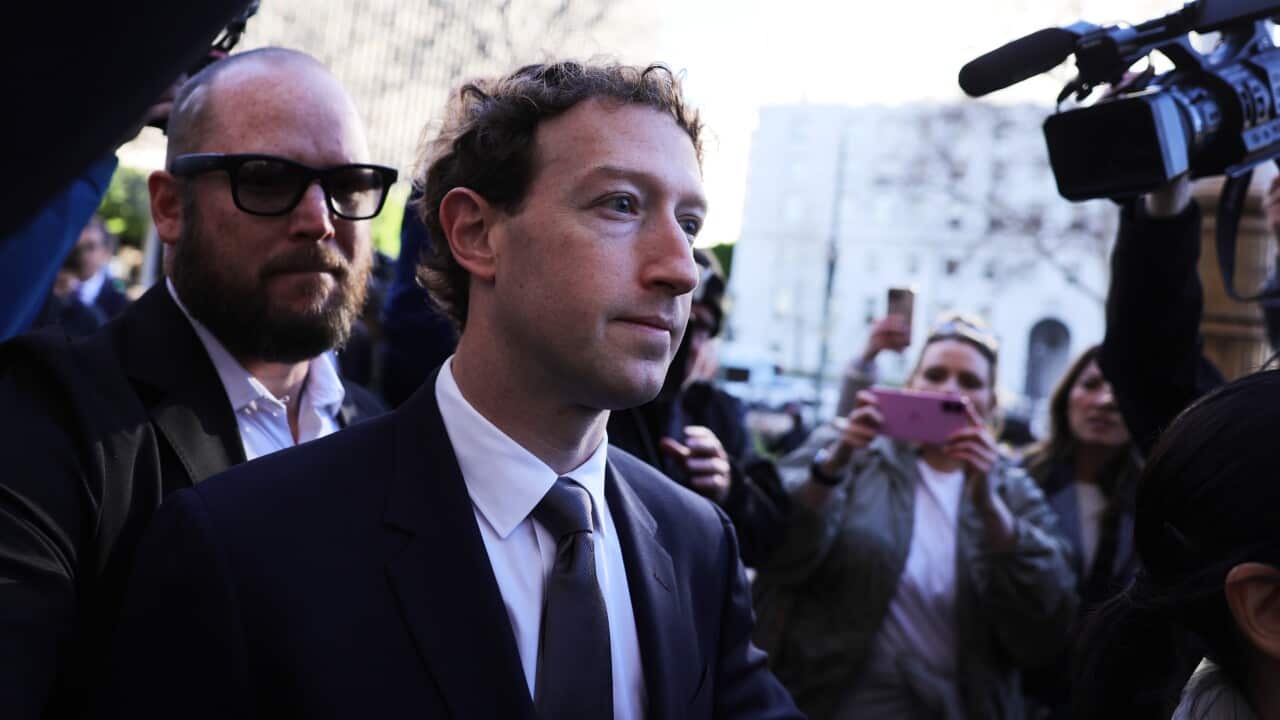
Meta CEO Mark Zuckerberg testified in a courtroom on Thursday, defending his tech empire against allegations that its platforms are machines "designed to addict the brains of children", during a landmark social media trial in California.
Confronted with documents that said Instagram had millions of users aged under 13 in 2015, Zuckerberg said "we're in the right place now" when it comes to age verification, and that new tools would be added over time.
This was the first time Zuckerberg, who owns Instagram, Facebook, and WhatsApp, addressed the safety of his platforms in front of a jury.
When asked about concerns from within the company regarding insufficient efforts to verify whether children under 13 were using the platform, he said things have changed.
News that makes sense
Your trusted source for staying up-to-date with the world around you. Get free daily news updates and analysis, straight to your inbox.
"I always wish that we could have gotten there sooner," he said.
The jurors in the court were also shown emails from 2014 and 2015, in which Zuckerberg mentioned a target for increasing the time spent on Instagram.
The CEO of Meta acknowledged that the company previously had these types of goals, but has now changed its approach.
In the courtroom, an Agence France-Presse news agency journalist reported that Zuckerberg seemed very reserved at first, but he soon showed signs of annoyance, shaking his head and waving his hands as he looked toward the jury.
Who is suing the social media platforms?
The trial centres on a 20-year-old woman in California, identified as Kaley GM. She started using YouTube at six and joined Instagram at 11, before moving on to Snapchat and TikTok two or three years later
She alleges Facebook and Instagram parent company, Meta, and YouTube parent company, Google, are intentionally designing addictive platforms.
GM alleges she became addicted to the platforms at a young age because of their attention-grabbing design. She alleges the apps fuelled her depression and suicidal thoughts, according to court filings.
During the first court session, her lawyer Mark Lanier told the jurors: "These companies built machines designed to addict the brains of children, and they did it on purpose."
Meta and Google have denied the allegations.
Why is this a landmark trial?
Zuckerberg's court appearance on social media addiction allegations is not the only reason this trial is different.
The case is the first of several expected to go to trial this year that centre on what the plaintiffs call "social media addiction" among children.
Matt Bergman, attorney for the plaintiff and founder of the Social Media Victims Law Center, said it will be the first time the tech giants must defend themselves at trial over alleged harm caused by their products.
"We are writing on a legal tabula rasa," he told Reuters.
Legal experts see the lawsuit as a test case for similar claims in a broader group of cases against social media companies, with thousands of lawsuits in the US accusing the companies of fuelling a youth mental health crisis.
The case is also the first among several "bellwether trials", a legal term referring to test cases that aim to evaluate a highly debated issue.
What has happened until now?
The trial started 9 February, where in his opening remarks, Lanier told the Jury that Meta and Google "don't only build apps; they build traps".
Three days later, Instagram CEO Adam Mosseri appeared in court, rejecting the claims that users can clinically get addicted to social media.
"I think it's important to differentiate between clinical addiction and problematic use," he said.
In the trial, YouTube's attorney also argued that the platform was neither deliberately addictive nor technically classified as social media.
What's next?
It's anticipated the jury will determine whether YouTube and Instagram are responsible for the mental health issues experienced by GM in late March.
US federal law mainly exempts platforms like Instagram from legal liability for user-generated content, a law that tech companies claim provides them protection in GM's case.
However, a verdict against the social media companies would put a crack in that defence, impacting a wave of similar cases in the US.
— With additional reporting by Reuters and Agence France-Presse.
Readers seeking crisis support can ring Lifeline on 13 11 14 or text 0477 13 11 14, the Suicide Call Back Service on 1300 659 467 and Kids Helpline on 1800 55 1800 (for young people aged up to 25). More information and support with mental health is available at beyondblue.org.au and on 1300 22 4636.
Embrace Multicultural Mental Health supports people from culturally and linguistically diverse backgrounds.
For the latest from SBS News, download our app and subscribe to our newsletter.







