In brief
- Noel Pearson addressed Garma Festival on Saturday, his first major public speech since the Voice to Parliament referendum was defeated in 2023.
- Pearson, co-founder of the Cape York Land Council, was one of the Voice's architects.
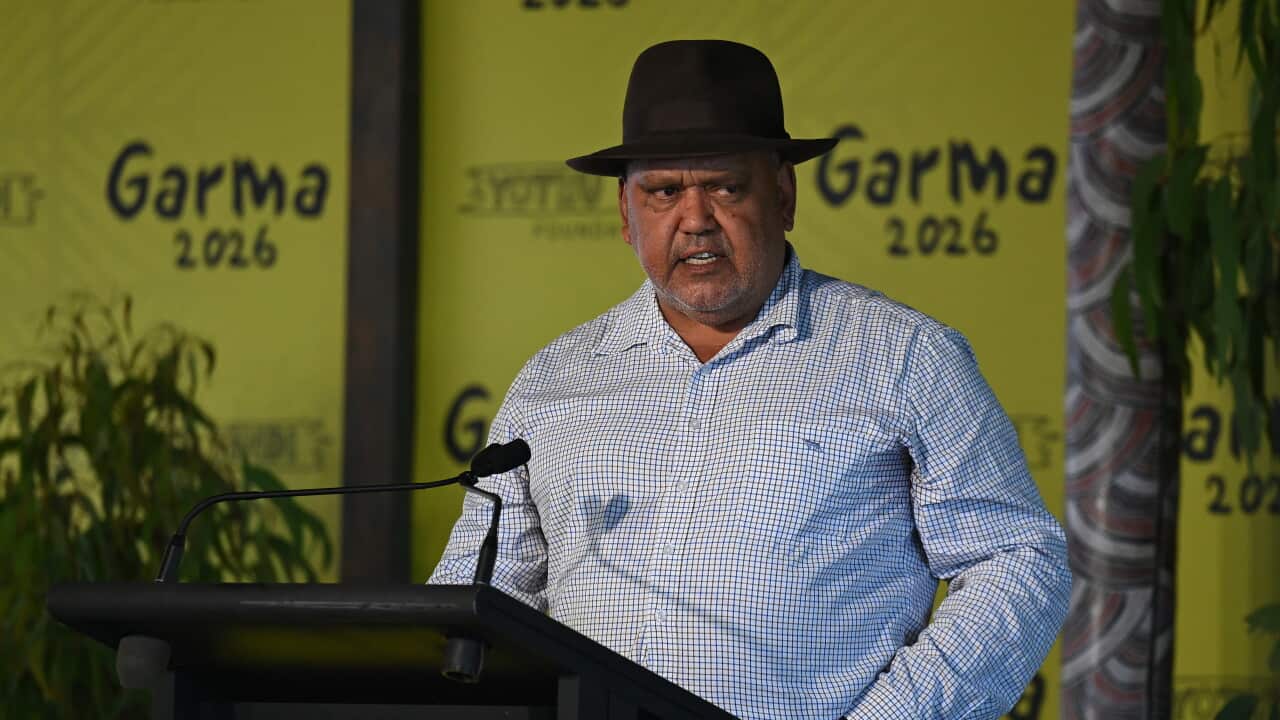
Noel Pearson, the architect of the failed Voice to Parliament 2023 referendum, has given his first major public speech in three years at this year's Garma Festival, Australia's largest Indigenous cultural gathering.
"For those of us who urged faith, hope and love, there is an account to be given for the hopes raised, the faith urged and the love lost in the referendum," he said.
"I must account for that. Three years later, I stand here with great reluctance.
"What right has anyone to raise hopes when those hopes were so badly misplaced? What right has anyone to offer a vision that turns out to be a mirage? That is the source of my hesitation to speak of these things. But I cannot allow the failure of the referendum to excuse me from my responsibility."
Nearly three years have passed since just over 60 per cent of Australians voted against enshrining an Indigenous Voice in the constitution, with every state and territory except the ACT rejecting the proposal.
News that makes sense
Your trusted source for staying up-to-date with the world around you. Get free daily news updates and analysis, straight to your inbox.
Pearson, co-founder of the Cape York Land Council, was a prominent "Yes" campaigner at the time.
In his speech on Gumatj Country in the Northern Territory, he showed a map of where the majority of voters voted yes or no, with "blue dots" showing locations voting in favour of the referendum.
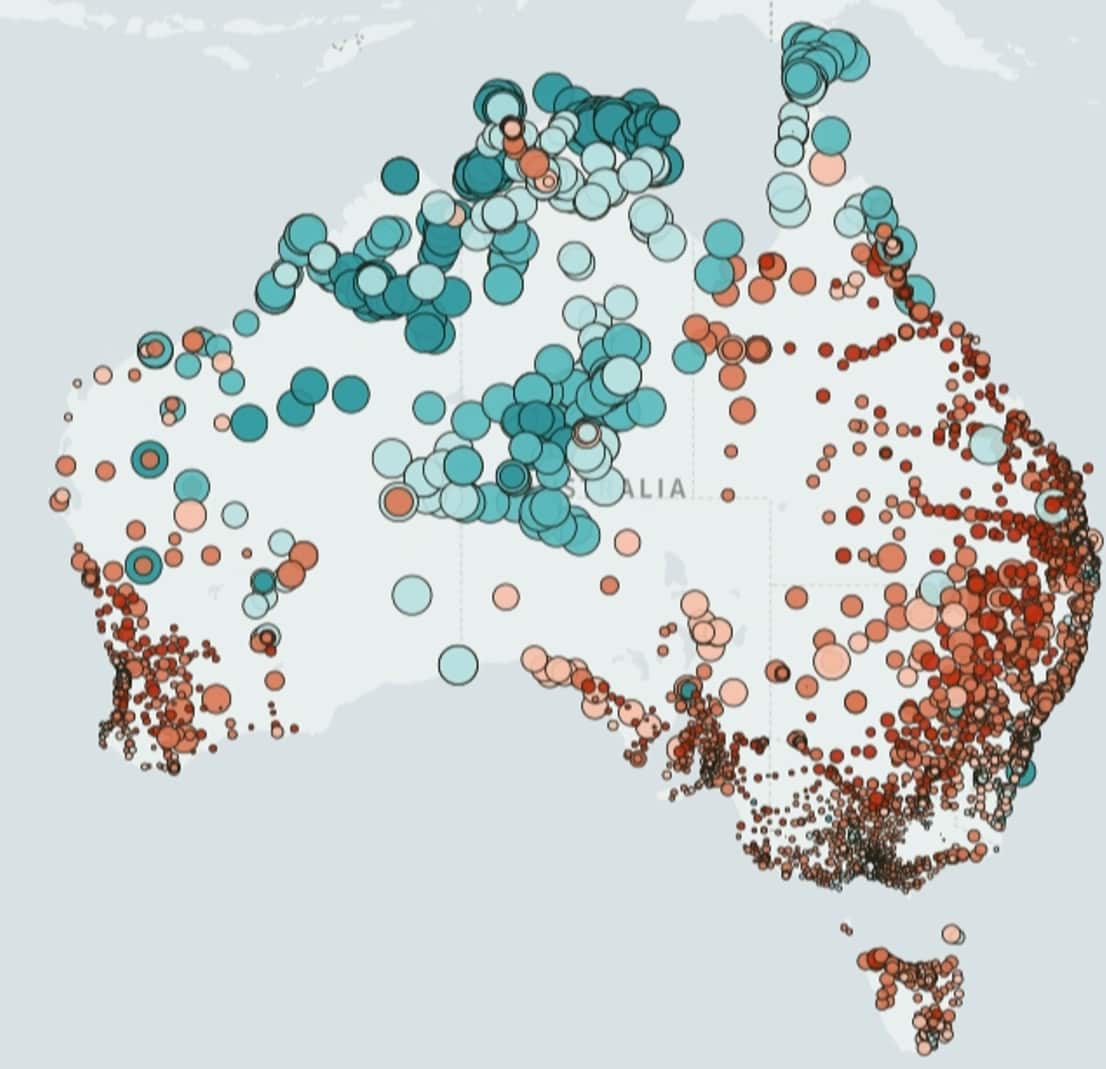
"The discrete Indigenous communities of Australia, Aboriginal and Torres Strait Islander, overwhelmingly wanted the Voice. The rest of the country did not," he said.
"I come from one of these blue dot places.
"Fifty kilometres from my blue-dot home is the orange-dot township of Cooktown. Captain Cook spent six weeks there in 1770. I was born in its hospital. In 2023, Cook's town voted 'no'."
'Our present is not good'
According to an estimate by political analyst Simon Jackman, in areas where Indigenous Australians made up the majority of the population, 63 per cent voted "Yes".
"From the very beginning of my public life, it was, and still is, the future of those communities, not least my own, that has been the central focus of my wakeful dreams," Pearson said.
"Our present is not good. And nor is our future assured. The things that worried me when I was 22 now distress me at 61.
"When I was 22, I worried because we knew something needed to be done, but we did not yet know how to do it. Now, we are much clearer. We know what we need to do. We know what we want to do."
Calls to dismantle state Aboriginal Affairs departments
Pearson added the "blue dot communities", communities voted in favour of the referendum, "stand in grave need of healing".
"There is no better solution to healing individuals, families and communities than guaranteed work," he said.
"They will start to heal. They will start to grow. They will start to strengthen.
"Every child in these blue-dot communities needs to be guaranteed an education."
According to the latest data from the Australian Bureau of Statistics (ABS), in 2022 9.5 per cent of First Nations people aged between 15 and 64 were unemployed.
Pearson said that "the blue-dot communities of remote Australia must become the sole jurisdiction of the Commonwealth".
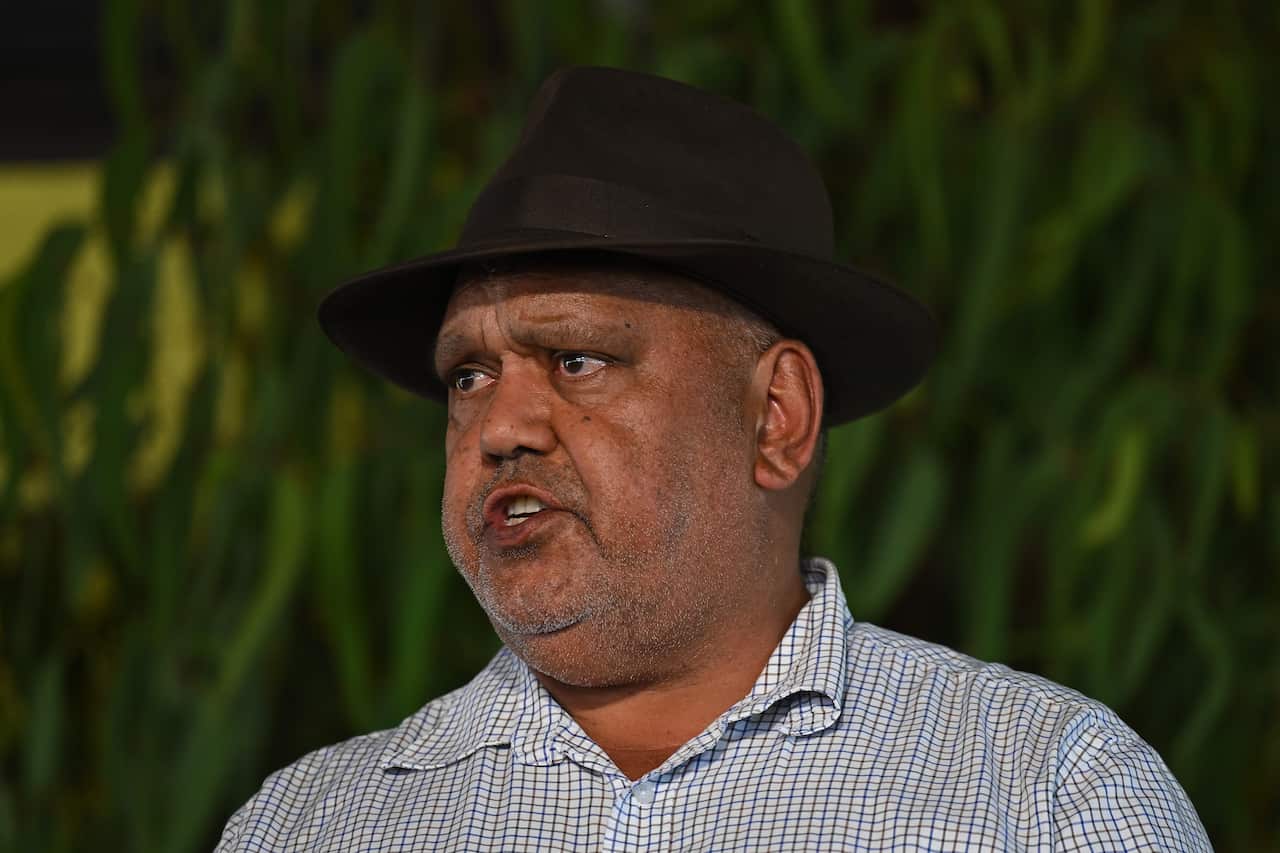
"These communities and their lands would still come under the shared jurisdiction of the relevant states and territories for most functions governed by the state’s constitutional responsibilities, but the administrative relationship for Aboriginal affairs would lie with the Commonwealth," he said.
"There should be no need for Aboriginal Affairs departments in the states and territories."
Pearson added that "a direct funding relationship between the Commonwealth and the organisations representing and serving these blue-dot communities will enable development agendas ... to receive the budgetary support it needs to close the gap."
"After the rejection of the Voice, the conversation about structural reform of the federal arrangements governing indigenous affairs must resume," he said.
'Not a monoculture country'
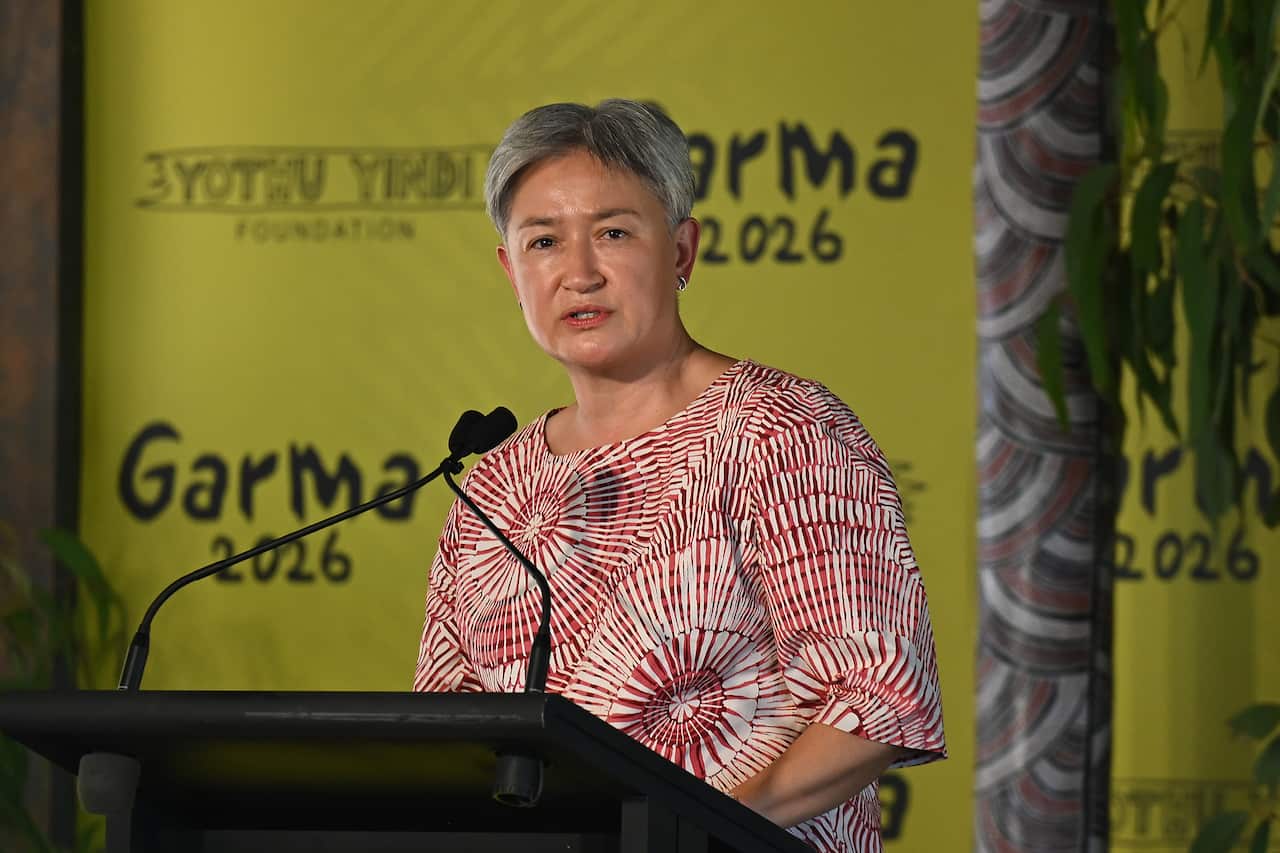
Foreign Minister Penny Wong, one of the other speakers at Garma on Saturday, also began her speech by reflecting on the festival's theme, 'Bukmak' — meaning 'Everyone'.
"Bukmak is a powerful message at this time for our country, to all of us. A powerful message about who we are, where we have come from, and most importantly, where we want to go as a country," she said.
"At a time when there are those who seek to set us apart, First Nations peoples, with your generosity, remind us how many different stories brought together make us stronger."
Wong has attended the festival this year instead of Prime Minister Albanese, whose absence from the festival has drawn some criticism. The prime minister has defended the decision, saying he hasn't "[had] a day off all year" and noting that he has attended each year since 2019.
Wong made veiled criticism of One Nation leader Pauline Hanson, who has been advocating for a "monocultural" Australia, without directly naming her or her party.
"As I look around here at this festival, this is who we are. So rich in history, so rich in culture, home to more than 300 ancestries, and we share common ground with so many of the world's peoples," Wong said.
"We are not a monoculture, and we have never been. And this is why we want to bring more of who we are to our foreign policy."
'Some really difficult challenges'
Minister for Indigenous Australians Malarndirri McCarthy was also among the governmental figures at the festival, highlighting issues Indigenous Australians are facing.
"We've had our disappointments. There's no two ways about that. And there are still some really difficult challenges, really tough challenges," she said.
"Those high rates of incarceration. Our state and territory governments across Australia need to recognise how much that really hurts our people and suffocates the ability to grow strong in this country."
The ABS reports that more than 17,000 Aboriginals and Torres Strait Islanders are incarcerated, accounting for one-third of the nation's prisoners.
NITV and SBS will have extensive coverage from the Garma Festival beginning Friday 31 July and concluding Monday 3 August. You can watch on SBS and NITV and SBS On Demand.
For the latest from SBS News, download our app and subscribe to our newsletter.







