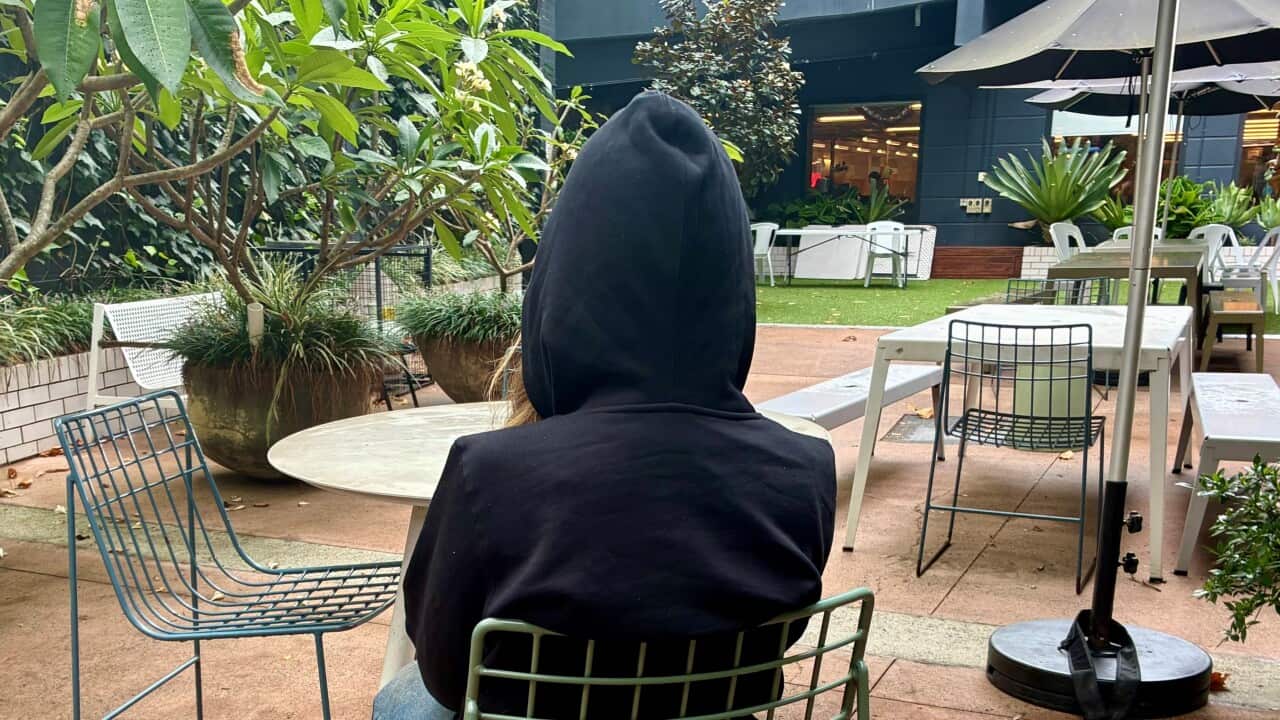
'Aida', a woman in her late 20s, is feeling stressed rather than excited about returning to university.
A postgraduate student from Iran, she is among more than 800,000 international students in Australia preparing for a new academic year.
Like many, Aida — whose name has been changed for safety reasons — is juggling academic studies with earning an income.
She also has other things weighing on her mind. For one, she's distressed by a violent crackdown on protesters in her homeland.
"I am feeling very stressed and at the same time I have to work and study. And it is really hard," she said.
News that makes sense
Your trusted source for staying up-to-date with the world around you. Get free daily news updates and analysis, straight to your inbox.
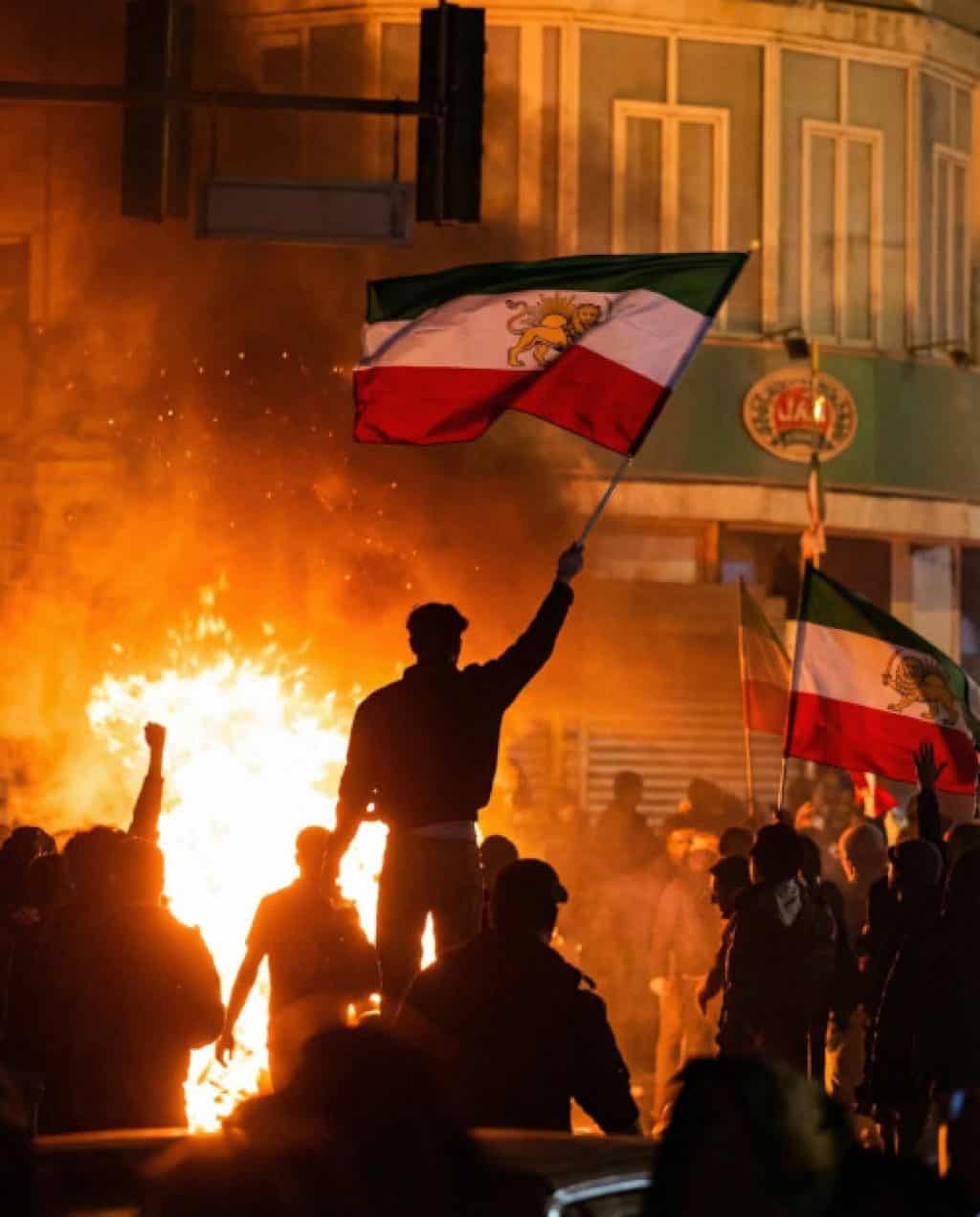
Restricted phone and internet access over recent weeks has also triggered her worst fears.
"We could not message our loved ones, our families, and we did not know if they were alive or not," she said.
Aida is on a scholarship and finishing a PhD in science. She's also working an office job to buy food and pay rent at a sharehouse.
While managing this busy schedule, her worries about friends and colleagues in Iran are ever-present.
"Students in Iran have lost their friends or do not know where their friends are, whether they are killed or whether they are arrested," she said.
"And many students inside Iran are still fighting. Iranian students outside of Iran are trying our best to be their voice."

In recent days, as classes resume in Iran, students have protested at multiple universities over those killed in the recent round of protests, some chanting "a student may die, but will not accept humiliation".
The Independent Students' Association of Beheshti University in Iran has also reported that students at more than 30 universities and colleges have boycotted exams.
The Iranian government has released the names of 3,000 people killed during the recent protests. However, United States-based Human Rights Activists News Agency says it has verified 6,872 deaths and is investigating more than 11,000 other cases. It reports 214 security forces were among those killed.
Tens of thousands of protesters are also detained in Iran's prisons. For some Iranian students, these concerns are affecting their health and wellbeing.
"It has been more than 20 days that I still could not sleep," Aida said.
"I see notifications on my phone that someone is killed, someone is arrested. And it is stressful, very stressful for me.
"This is a difficult time for Iranian students in Australia, because many of us have no family here.
"We came to continue our studies, to have a better life, to follow our dreams. But we are on our own, we have no one."
Aida is from Iran's capital, Tehran, and hasn't visited her homeland since 2025. She took part in the Woman, Life, Freedom protest movement in 2022 and said recent events have revived painful memories.
"It brings back my trauma," she said.
"I am even scared of fireworks because [the noise] reminds me of bullets that I heard on the streets in Iran.
"I know that in Australia and we are safe, but this is still really hard for me."
Protests erupted in Iran in late December 2025. They were triggered partly by economic woes, but soon expanded into a wider expression of anti-regime activism.
Iran's rial currency lost nearly half its value against the US dollar last year, with inflation reaching 42.5 per cent in December.
Unrest has repeatedly flared in recent years, amid deteriorating economic conditions, caused in part by international economic sanctions, and threats of conflict with Israel, realised during 12 days of open fighting in June 2025.
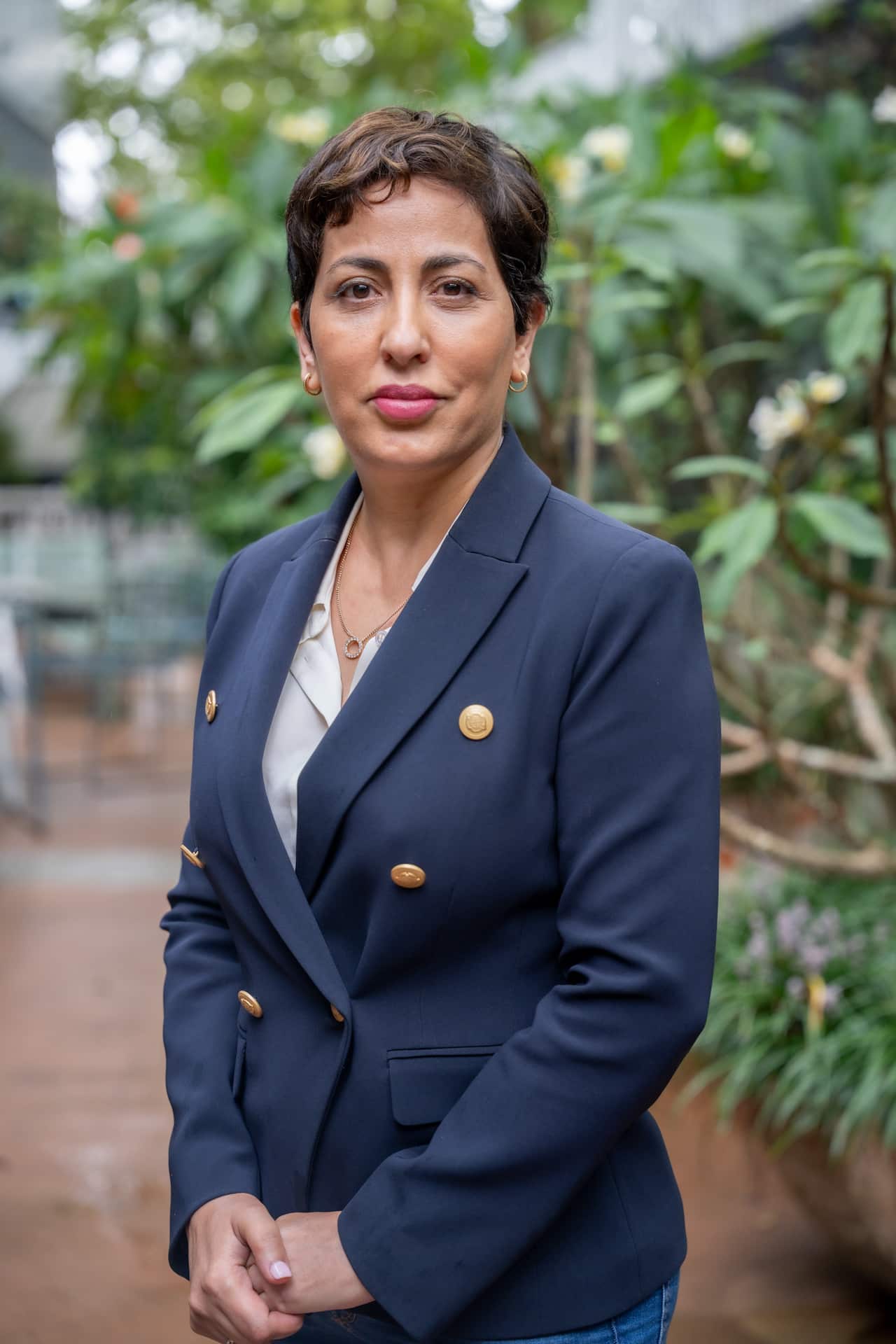
Parisa Glass is a senior lecturer at the University of New South Wales who fled Iran as a teenager.
She knows many Iranian students who are suffering emotionally and financially, especially those dependent on family funds for tuition and living costs.
"Many parents sell everything they have to send their children abroad to get tertiary education, because education it is extremely important to families in Iran," Glass said.
"But with the currency collapsing and the broader Iranian economy in chaos, their money doesn't go far at all."
With the academic year about to begin, Glass fears ongoing stress will cause Iranian students' results to suffer.
"They are already experiencing emotional trauma and financial difficulties are putting students under even more stress," she said.
"Many are working multiple jobs. And again, that impacts their ability to perform academically."
Glass is a follower of the Baháʼí Faith, whose adherents are persecuted in Iran. She tries to help students however she can.
"I personally support at least one student in Australia who is struggling financially," she said.
"I help them to find work as well as mentoring them to navigate the job market in Australia, so they can earn a living."
Limited internet access in Iran this year has also impacted those intending to study abroad, academics say.
Elli Irannezhad is a member of the International Community of Iranian Academics.
"The digital blackout impacted many prospective international students who could not get access to the internet to lodge their applications and again, because of financial issues, they could not afford to pay tuition or application fees, for visas or flights," she said.
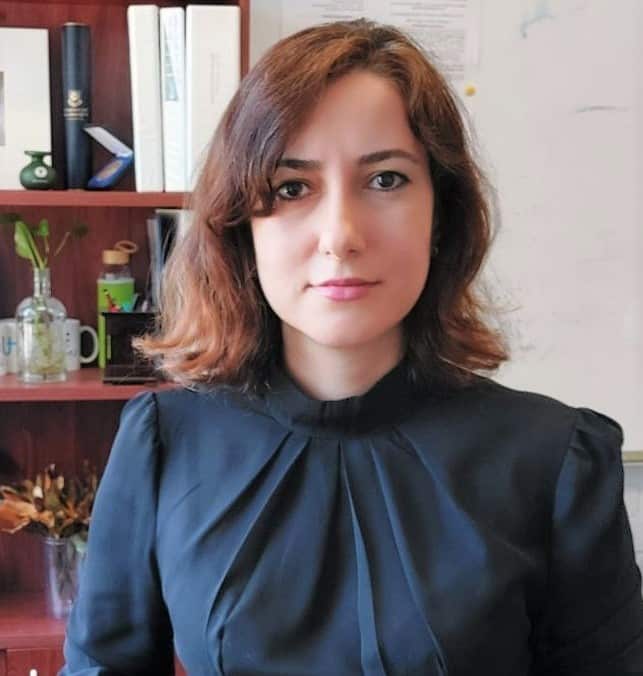
Australia has around 85,000 Iranian-born residents and more than 3,000 Iranian students are enrolled here in tertiary studies.
Irannezhad is among those appealing to Australian universities to show leniency.
"Specifically, universities could extend some deadlines such as for admissions, provide financial support for students by waiving some fees, provide more flexibility for students' private health insurance."
"And universities could also offer free counselling services," she said.
Recent rallies across Australia have seen the diaspora join to grieve lives lost and show support for the thousands of detainees still at risk in Iran's prisons. And to call for a better future.
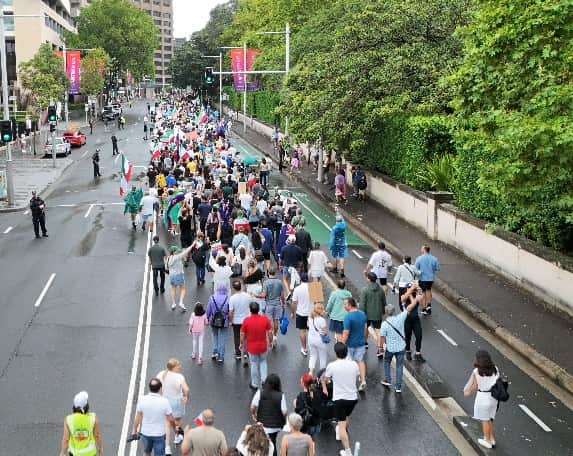
"My hope is for a democratic country with freedom of expression and that one day all Iranians can lead normal lives like they do in many other countries. That's my ultimate hope," Irannezhad said.
However, for many Iranian students like Aida, watching events in her homeland from afar is a private anguish.
"We are all ashamed that we cannot do anything for our loved ones in Iran," she said.
"I have so many loved ones in Tehran, and not only in Tehran but in every part of my country. They are all my loved ones.
"We wait every moment for news from Iran, to see if our loved ones are still alive or not."
For the latest from SBS News, download our app and subscribe to our newsletter.







