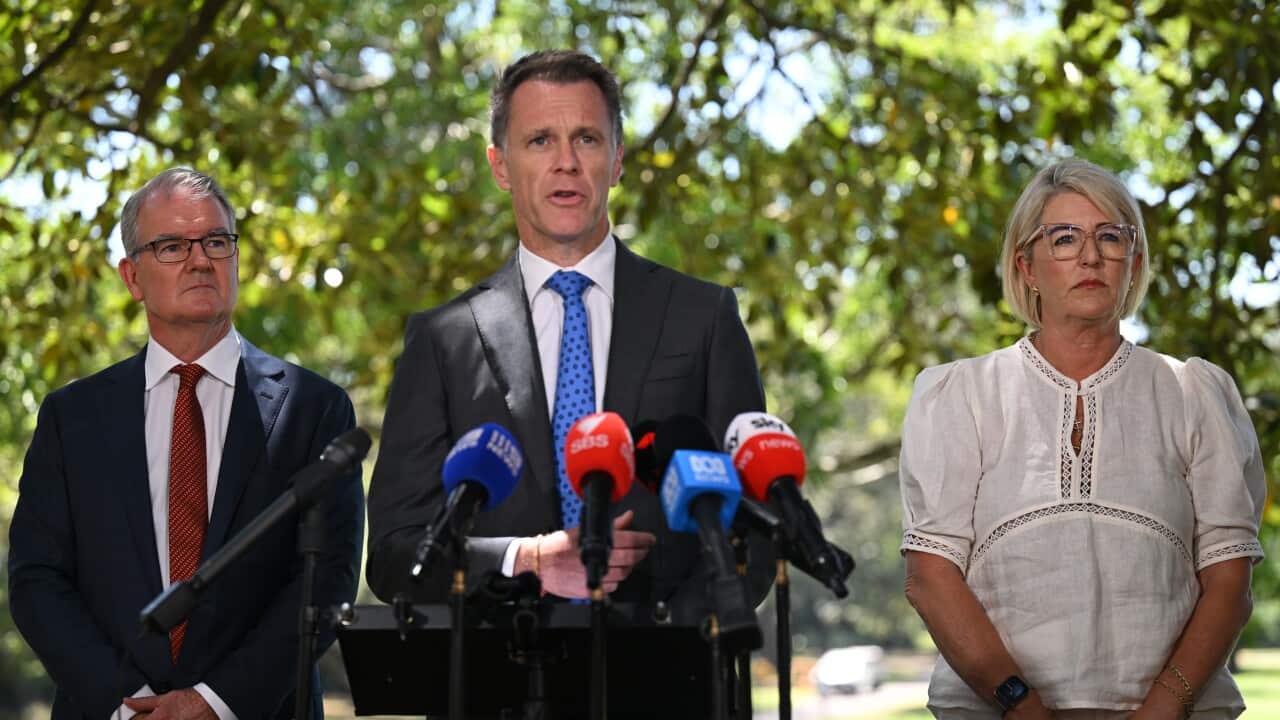
NSW Premier Chris Minns has defended emergency laws tightening gun controls and restricting public protest as "extraordinary measures" to ensure safety following fierce criticism.
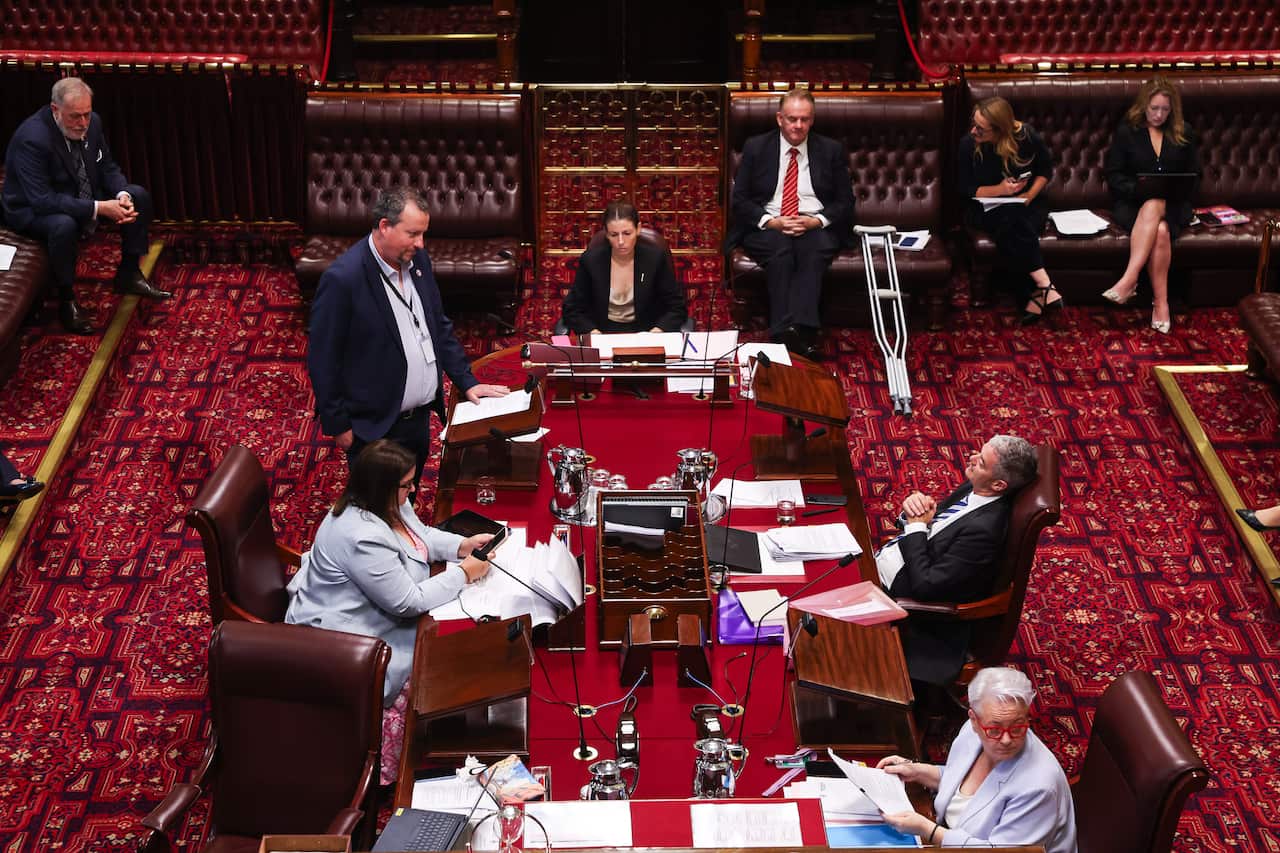
The omnibus legislation was rushed through during a two-day emergency session and cleared the Legislative Council shortly before 3am on Wednesday morning.
It combines firearm reforms, expanded police powers to restrict public assemblies following terrorist incidents, and new hate-speech measures.
The package passed by 18 votes to eight, with the Liberals supporting the government while the Greens abstained. The Nationals opposed further firearm restrictions.
The laws include a last-minute amendment from the Greens to ban gun ownership for anyone investigated for terrorism-related offences, as well as members of their households.
News that makes sense
Your trusted source for staying up-to-date with the world around you. Get free daily news updates and analysis, straight to your inbox.
Speaking on Wednesday, Minns said he acknowledges that the laws did not have the full support of people living in the state, but said they are the "best way of ensuring we do everything possible to keep the people of New South Wales safe".
Under the reforms, which were proposed in the wake of the Bondi terror attack that claimed 15 lives, gun ownership will be capped, magazine capacity reduced and licensing requirements tightened.
The legislation also grants police the power to restrict public assemblies for limited periods after a terrorist incident is formally declared under the Terrorism (Police Powers) Act.
Such restrictions can be imposed for up to 14 days at a time, extendable to a maximum of 90 days, and require approval from both the police commissioner and the police minister.
NSW Police Minister Yasmin Catley defended the rushed changes as being necessary.
"I have made no apology for being very swift and taking swift action here," she told Sydney radio station 2GB on Wednesday.
"We do not want to see this [attack] again."
Home Affairs Minister Tony Burke said information sharing between national and state agencies about gun licence-holders was a crucial gap that needed to be plugged.
The alleged slain 50-year-old gunman, Sajid Akram, legally bought three guns in one day in 2023 while his 24-year-old son, Naveed, was investigated by the Australian Security Intelligence Organisation in 2019.
"At the moment, there's a system where the states have a limited sharing of actual convictions and a limited criminal intelligence," Burke said.
The NSW Jewish Board of Deputies has expressed support for the laws, saying extraordinary circumstances required strong action.
Some of the legislation will be enforceable immediately, the premier said, including the protest law reforms, while elements of the gun law reforms, such as the buyback, will take time.
However, gun owners who purchase more than four guns now will be committing an offence, the premier said.
Minns said more proposed changes to state legislation would come in the new year and that the government would focus on confronting Islamic extremist terrorism.
Constitutional challenge announced
The protest provisions have drawn fierce criticism from civil liberties groups and protest organisers, who argue the laws undermine democratic rights and the implied constitutional freedom of political communication.
A constitutional challenge has been announced by a coalition of groups, including the Palestine Action Group, Jews Against the Occupation '48 and the Blak Caucus.
Josh Lees, an organiser with the Palestine Action Group, said the measures threaten the ability of communities to assemble and speak out on urgent issues, including Indigenous deaths in custody and the annual Invasion Day march on 26 January.
"These laws will take away the rights of everyone in NSW to gather together as a community to express their views," Lees said.
Lees also condemned the attack in Bondi Beach and rejected any attempt to link it to pro-Palestinian protests, describing such claims as dishonest and inflammatory.
The NSW Council for Civil Liberties and the Jewish Council of Australia (JCA) have also opposed the reforms, arguing they were driven by political pressure rather than a clear assessment of community safety.
"He seems to think that he can get his way to social cohesion by regulating it through laws and using police powers for arrest. That's not how it happens," NSW Council of Civil Liberties president Timothy Roberts recently told SBS News.
The JCA's executive member Naama Blatman said: "What happened in Bondi was an evil antisemitic attack, but let it be very clear, there is nothing connecting this attack to the movement for justice in Palestine."
The NSW-ACT Aboriginal Legal Service (ALS) also expressed concerns that the laws "could limit legitimate and peaceful protests on Survival Day".
"Aboriginal people have resisted and protested colonisation for more than 200 years. Since the 1938 Day of Mourning, 26 January has been marked as a day of protest and solidarity against the unjust dispossession of Aboriginal and Torres Strait Islander peoples," ALS principal legal officer Nadine Miles said.
"The right to protest is a cornerstone of a functioning democracy. Aboriginal deaths in custody and the incarceration of Aboriginal people are at record highs, both in NSW and nationally," Miles said, adding that ALS was also concerned the laws could impact upcoming rallies to commemorate the 10th anniversary of the death in custody of David Dungay Jr.
"This is a time of crisis for the communities we serve. It is a time to come together and unite for change, not to risk silencing the voices of Aboriginal people."
Dissent also emerged within Labor's own ranks.
State government backbenchers Anthony D'Adam and Stephen Lawrence warned in parliament that restricting peaceful protest could have unintended consequences. Lawrence said removing lawful avenues for dissent risked creating a "pressure cooker" effect that could lead to greater instability.
Minns defended the legislation on Wednesday, calling the concerns about rights to protest "overblown".
He said the powers would only be used sparingly and that the laws would only apply after events that have been designated terrorist attacks.
"We've had very few terrorism designations over the last few years. Right now we have one, but it's the worst terrorism event in the state's history."
For the latest from SBS News, download our app and subscribe to our newsletter.







