
WARNING: Aboriginal and Torres Strait Islander readers are advised that this story includes the name and image of an Indigenous person who has passed away.
This article may be distressing to some readers.
They didn’t seek the spotlight, but these Northern Territory Police officers found themselves in it.
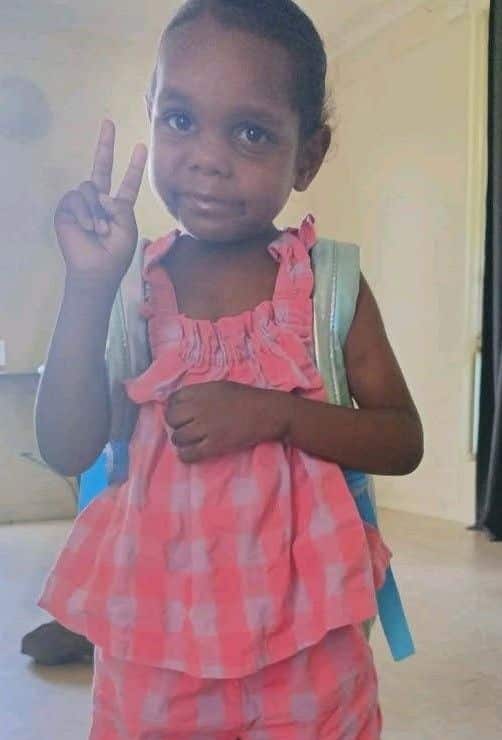
Sergeant Chris Harden and acting sergeant Karl von Minden were among the investigators who found the body of five-year-old little girl Kumanjayi Little Baby on the outskirts of Alice Springs.
The little girl’s name has been changed for Warlpiri cultural reasons; under Indigenous protocol, it is taboo to speak the name of someone who has died.
News that makes sense
Your trusted source for staying up-to-date with the world around you. Get free daily news updates and analysis, straight to your inbox.
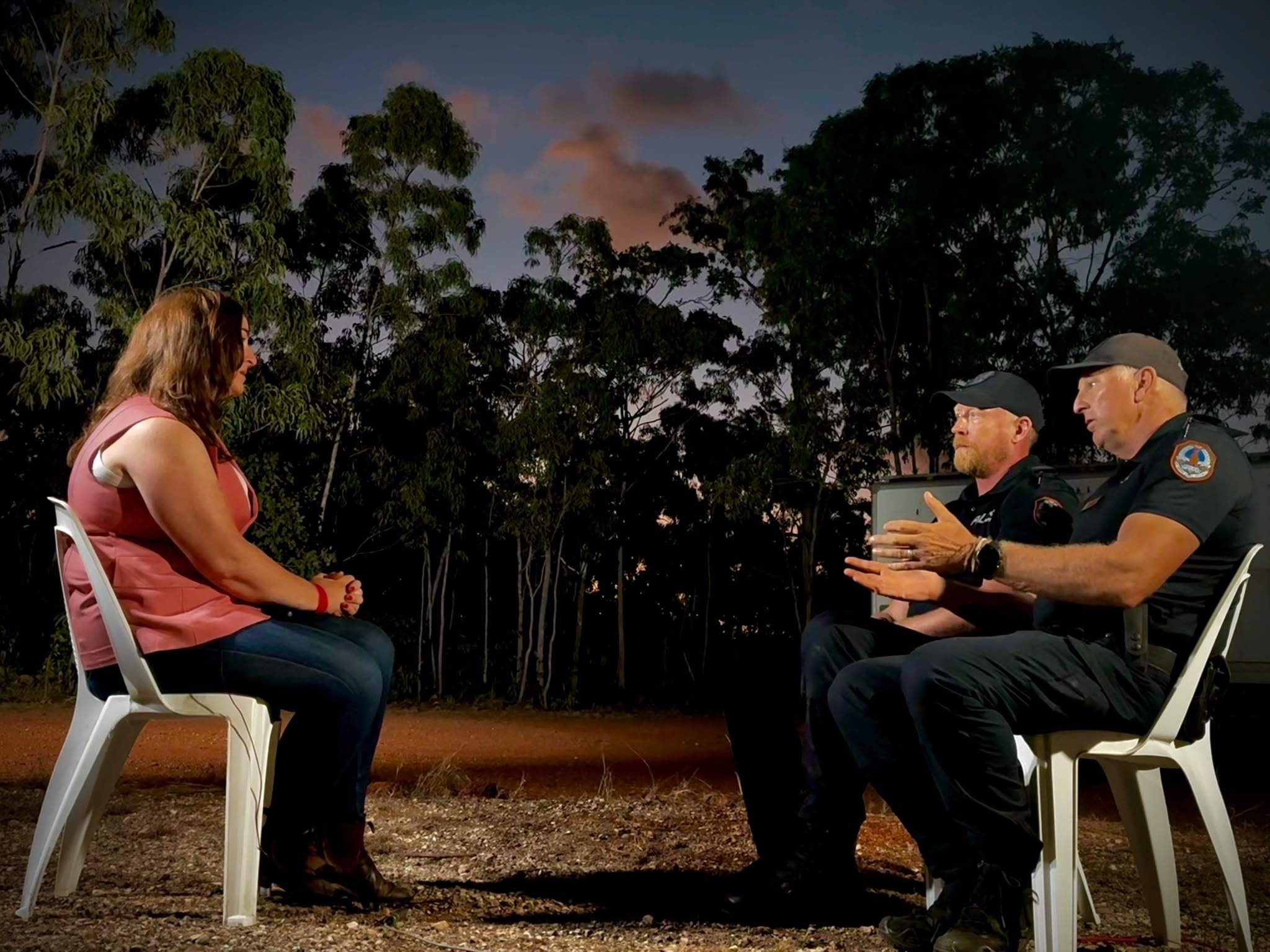
The two officers spoke exclusively to SBS News for the first time about the enormous five-day search effort that made international headlines.
It culminated in the discovery of her remains, and within hours the arrest of 49-year-old Jefferson Lewis, who has been charged with her murder.
The two search and rescue specialists were having an extremely busy year. The top end of Australia is flood and cyclone central, and they’d been travelling from disaster to disaster.
Von Minden’s job was to coordinate and oversee the sprawling search operation that involved a call out for volunteers; hundreds arrived, some even flew to Alice Springs to help.
Harden was on the front lines of the grid search, walking metre by metre through buffel grass that had grown high and ominous in the summer rains, wrangling a group of volunteers each day.
"There was holes, washouts, everything which you just could not see," Harden recalled.
"There was a big risk that someone was get bitten by a snake, fall down a hole, do an ankle. But everyone was united. The community were just unbelievable."
Both of them barely slept and neither of them had worked on a search of that scale and complexity before.
"That was quite a unique operation, I think, across the territory. We have coordinated quite large search and rescues before, but never to the scale where we had so many civilian volunteers helping and the amount of people out there and the terrain that we were looking at," von Minden said.
"You go outside and suddenly there's 200 people volunteering, putting their name down, wanting to search," Harden said.
They paid tribute to all the services that got involved.
Their police colleagues, the SES, Defence, fire services and all the government agencies and organisations that downed tools on their normal jobs to join forces in the quest to locate the little girl.
"If we didn't have that, yeah, we could still be, you know, searching for her," Harden said.
Hundreds of volunteers rolling up to walk the lands, cook the food and provide other support ended up being crucial; one even flew down from Darwin to lend a hand.
"It really was an honour to serve alongside all those people that came in and helped us," von Minden said.
"It was a time that we really needed that support from the community, and they really stood up and helped us."
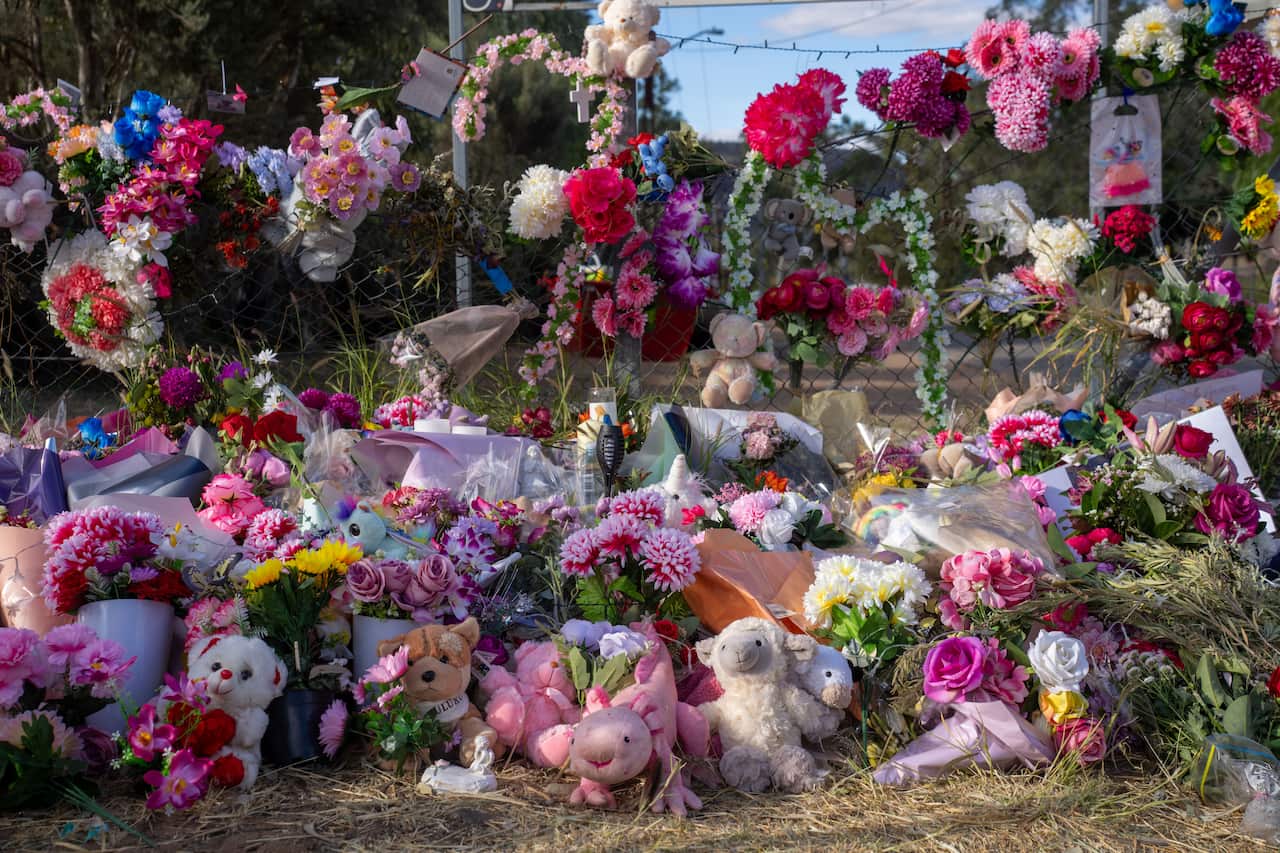
After five days of around the clock efforts, Kumanjayi Little Baby's body was found.
It was devastating.
"I think we were always confident we were going to get an outcome. It wasn't the outcome that we were hoping," Harden said quietly.
"Our mission was to was to find her and bring her back to a place of safety. We always had hope that we were going to find her, but yeah, as we know, it wasn't the case.
"But at least there was closure for the family, for us, for the volunteers."
'We all had a purpose'
The Northern Territory Police executive director of cultural reform, Leanne Liddle, is an Arrente woman from central Australia.
She also became a public voice for Kumanjayi Little Baby's family when they got the worst news any family can get.
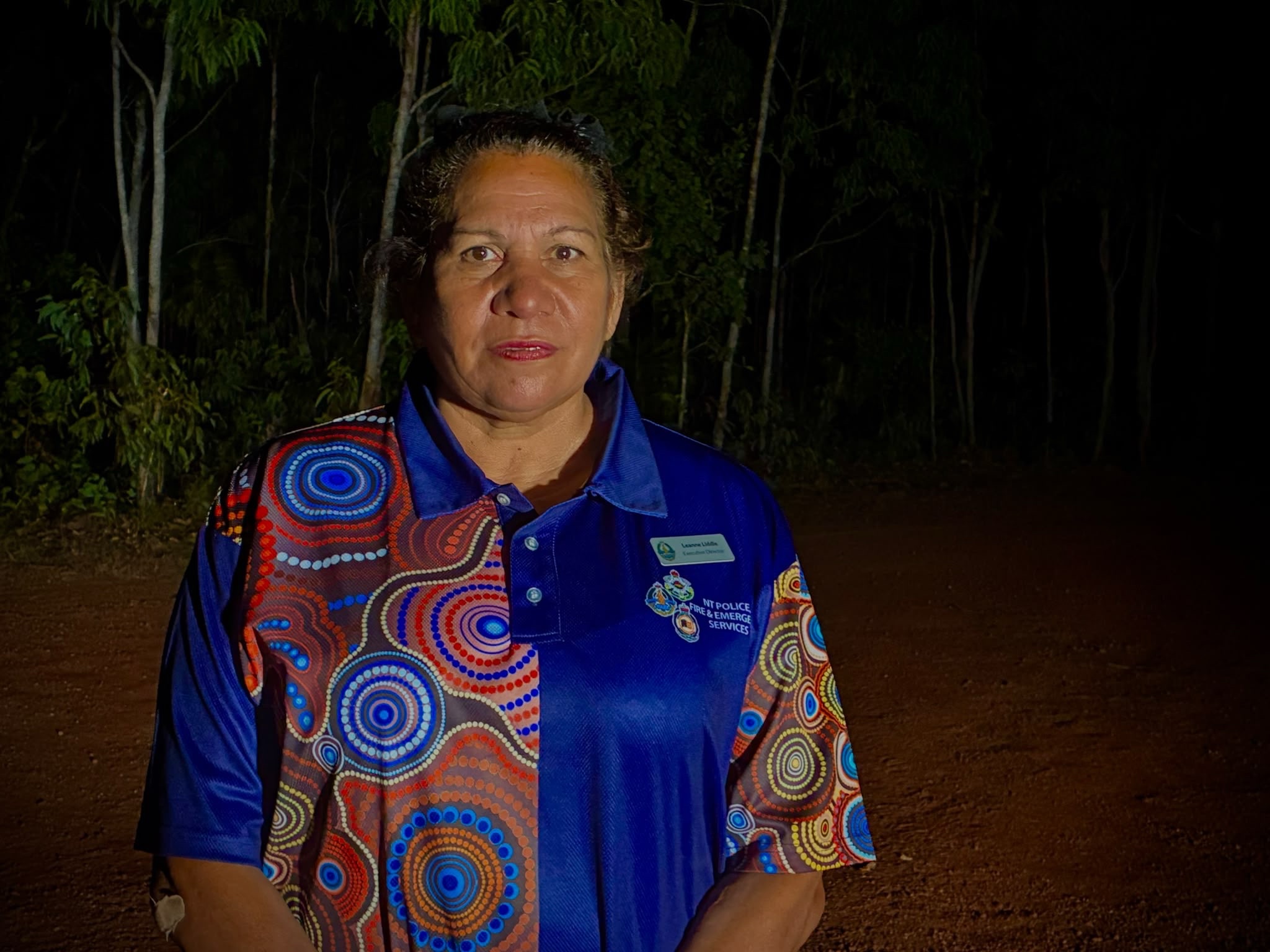
Liddle has also been at the forefront of the efforts to tackle racism in the NT police force, and acknowledges the relationship between the police and Indigenous community in central Australia has been incredibly fraught after a series of death in custody investigations.
But she is hopeful the unity of the community and police in this moment will be a turning point for the relationship.
She described the two officers as "amazing people".
"We were looking for a little lost girl in pink. We weren't looking for a little lost Aboriginal girl who was at a town camp at the end of the day," she said.
"We all had a purpose, and we all were involved, and that was what everybody wanted to do was to find this little girl. And though it was tragic that we found her, it was closure for the family, particularly mum."
'It's been very humbling'
The two police officers have come to the north-east Arnhem Land Garma Festival as a way to come to terms with the enormity of the effort, and the aftermath.
"Watching the Garma Festival makes you proud to be an Australian when you're here and a spectator involved," von Minden said.
"It's been very humbling," Harden said.
"You move on, you get to that, and you don't have time to reflect, and you don't think about the impacts.
"I just didn't think people sort of really sort of, yeah, showed that affection or care for us, and yeah, it's yeah, it's been very, very emotional, and yeah, I've been just yeah blown away with that response. It's been great."
"There's this armour, you know, there's this expectation that police officers, particularly in these roles, are hardened, they have very little emotion," Liddle said.
"But the dignity and respect, and you know, the what I saw and behind the scenes and seeing the community, the respect they've showed them here while at Garma has just been incredible, and I think it goes towards healing."
While both officers were front and centre of the search efforts and public communication throughout the search, they didn’t realise that people would recognise them.
They didn’t have time to watch the news or see how the story had spread across the country and the world.
"We don't see that it's a national on TV. That yeah, the whole Australia are behind her, and just you know, supporting the community and trying to hope that we do find come and try a little baby," Harden said.
"Until you sort of get back to Darwin, have a time to sort of have a sleep, reflect, and you go, wow, we sort of were involved in something sort of quite remarkable."
Readers seeking support can ring Lifeline crisis support on 13 11 14 or text 0477 13 11 14, visit lifeline.org.au or find an Aboriginal Medical Service here. Resources for young Aboriginal and Torres Strait Islanders can be found at Headspace: Yarn Safe.
NITV and SBS will have extensive coverage from the Garma Festival beginning Friday 31 July and concluding Monday 3 August. You can watch on SBS and NITV and SBS On Demand.
For the latest from SBS News, download our app and subscribe to our newsletter.







