In Brief
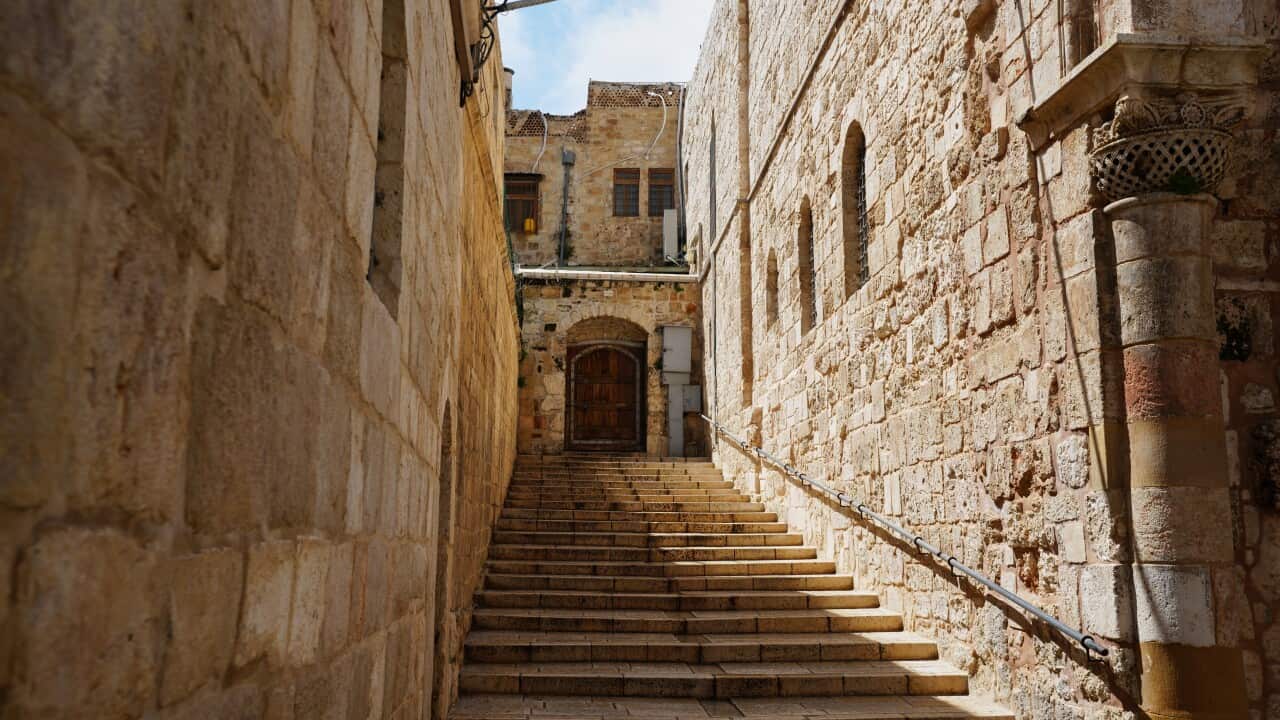
- Israeli police said holy sites in Jerusalem's Old City were closed to worshippers at the start of the US-Israeli war on Iran.
- Palm Sunday marks the beginning of Holy Week, the most important week in the Christian calendar, leading to Easter.
Israel blocked Jerusalem's Catholic cardinal from marking Palm Sunday at the Church of the Holy Sepulchre, sparking an international outcry that led Prime Minister Benjamin Netanyahu to reverse the ban for the remainder of Holy Week.
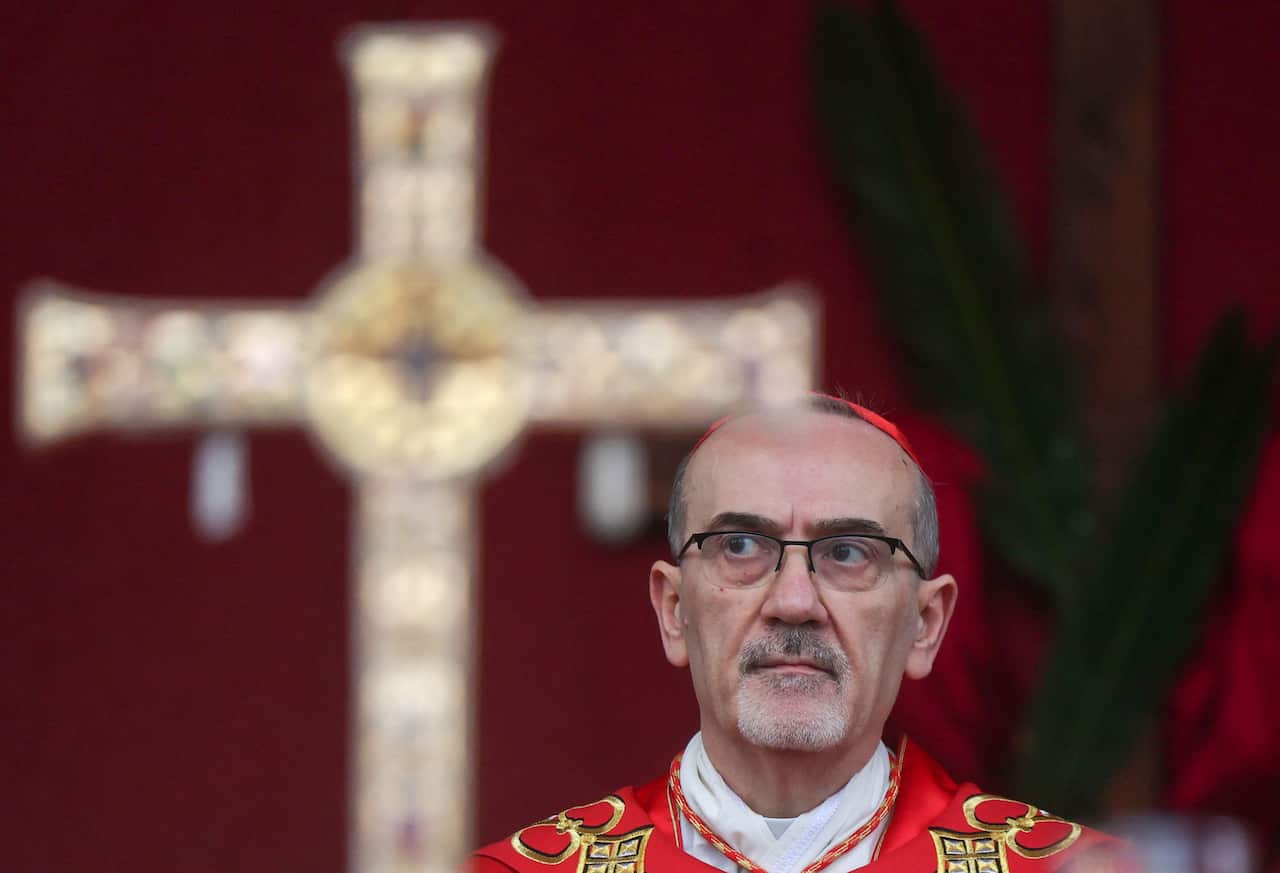
The Latin Patriarchate of Jerusalem said Israeli police prevented Cardinal Pierbattista Pizzaballa and Friar Francesco Ielpo from entering the Holy Sepulchre, built on the site where Christians believe Jesus was crucified and rose from the dead.
The police cited security concerns related to the war in Iran for the ban.
"As a result, and for the first time in centuries, the Heads of the Church were prevented from celebrating the Palm Sunday Mass at the Church of the Holy Sepulchre," it said in a statement.
Netanyahu posted on social media just after midnight that he instructed relevant authorities to grant full and immediate access to the cardinal.
News that makes sense
Your trusted source for staying up-to-date with the world around you. Get free daily news updates and analysis, straight to your inbox.
"Today, out of special concern for his safety, Cardinal Pizzaballa was asked to refrain from holding Mass at the Church of the Holy Sepulchre," he said.
"Even though I understand this concern, as soon as I learned about the incident with Cardinal Pizzaballa, I instructed the authorities to enable the Patriarch to hold services as he wishes."
Israeli police said all holy sites in Jerusalem's Old City — including those sacred to Christians, Muslims and Jews — had been closed to worshippers since the start of the US-Israeli war on Iran, particularly locations without bomb shelters.
Police said they had rejected a request from the Patriarchate for a Palm Sunday exemption.
"The Old City and the holy sites constitute a complex area that does not allow access for large emergency and rescue vehicles, which significantly challenges response capabilities and poses a real risk to human life in the event of a mass casualty incident," police said.
White House spokesperson Karoline Leavitt said on Monday the US expressed concerns to Israel regarding the holy site closures.
"We want worshippers to be able to access these holy sites," Leavitt told reporters.
"Of course, safety is a top priority, but we understand Israel is working on those security measures to reopen the sites throughout Holy Week, and that's something that we're appreciative of."
Restrictions affect Easter, Ramadan, Passover
Palm Sunday marks the beginning of Holy Week, the most important week in the Christian calendar, leading to Easter.
The Old City would typically be busy, with Roman Catholics passing through the massive wooden doors of the Holy Sepulchre.
This year, Christians, Muslims and Jews have been unable to observe Easter, Ramadan or Passover as usual due to police restrictions. Jerusalem's Al-Aqsa Mosque was largely empty during Ramadan, and few worshippers have come to Judaism's Western Wall as Passover approaches on Wednesday.
Italy's Prime Minister Giorgia Meloni criticised the police action and Italian foreign minister Antonio Tajani said on social media that he would summon Israel's ambassador over the incident.
France's President Emmanuel Macron condemned the Israeli police's decision, which he said "adds to the worrying increase in violations of the status of the Holy Places in Jerusalem".
US ambassador to Israel Mike Huckabee said denying the Patriarch's entry to the church on Palm Sunday was "difficult to understand or justify".
The Vatican did not respond to a request for comment.
On Sunday, Pope Leo said that God rejects the prayers of leaders who start wars and have "hands full of blood", in unusually forceful remarks as the Iran war entered its second month.
For the latest from SBS News, download our app and subscribe to our newsletter.







