
This audio is voiced by AI and may occasionally mispronounce words.
Share your feedback and help us improve this feature. Read more about how we use AI at SBS here.
In September last year, Deonizio Martin Soares took a leap of faith. He embarked on a 15-hour journey — two flights and a bus ride — from Timor-Leste to Australia to work on a farm in rural NSW.
It marked the start of a new chapter for the 29-year-old and what he believed would be a life-changing opportunity for him and his young family.
Soares arrived in Corindi, a small mid north coast beachside town near Coffs Harbour, where he thought he would spend the better part of the next year working on a blueberry farm. He had been issued a nine-month visa — granted under the Pacific Australia Labour Mobility (PALM) scheme — expecting to work the full nine months and send money home to his wife and five-year-old child.
What he didn't realise was that the company employing him, Madec Australia, intended for him to work only half of his tenure, and he would be required to repay a significant portion of his wages to cover travel, accommodation and other expenses.
By the time he left Australia on 18 February, Soares says he had just $1,500 left in savings — despite having worked six days a week for five months.
News that makes sense
Your trusted source for staying up-to-date with the world around you. Get free daily news updates and analysis, straight to your inbox.
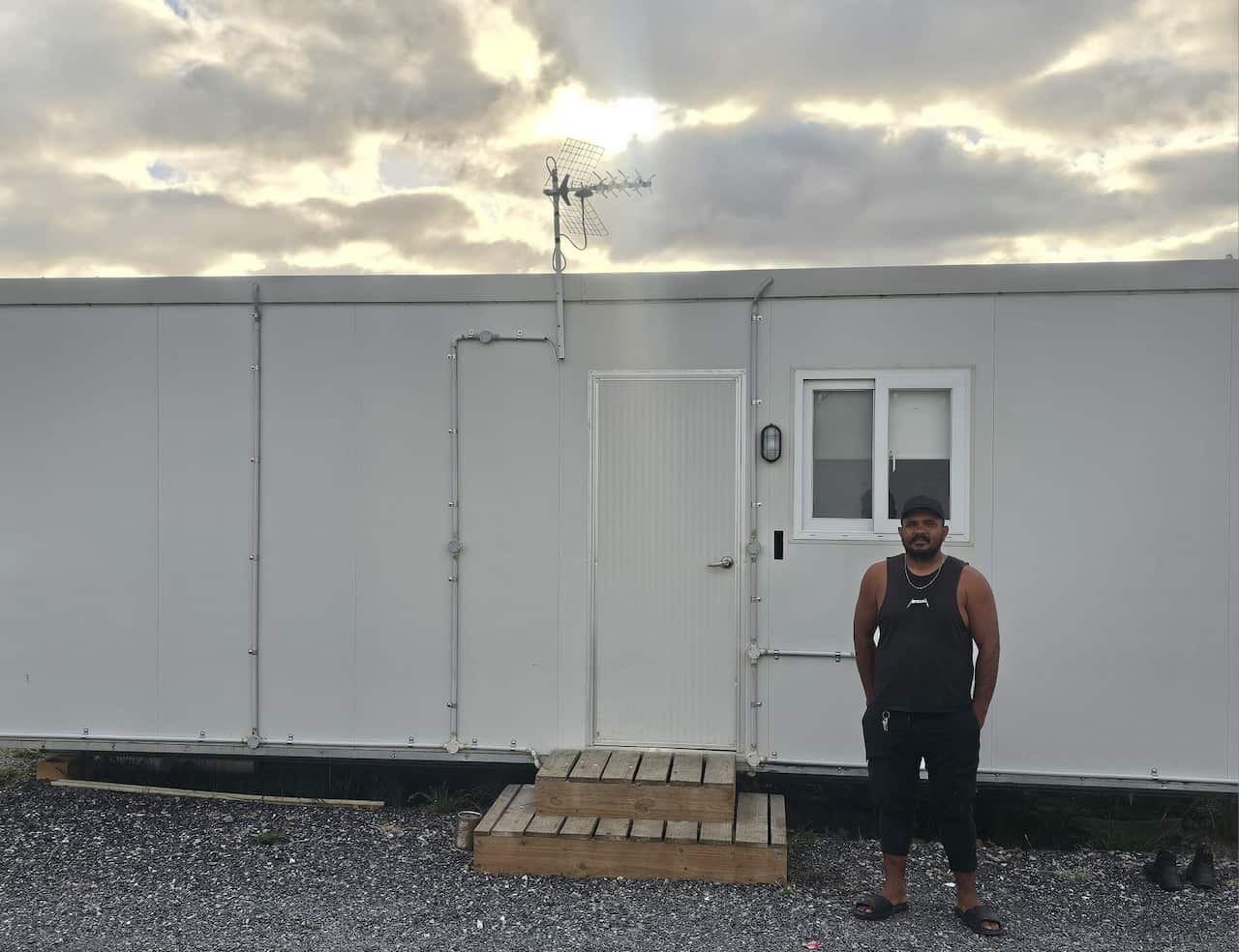
Speaking with SBS News before returning to Timor-Leste, he expressed dismay over his take-home pay and working conditions.
"I thought I was going to Australia to work for money my family needed. Instead, I just ended up making money for the company," he says.
My family will be very disappointed. It feels like we were lied to and that all of this was wasted. I lost time with my family, and what for?
Soares is one of more than 3,000 workers contracted by Madec to work on Australian farms under the PALM scheme, a temporary visa scheme targeting migrant workers from Pacific Island nations and Timor-Leste. SBS News has spoken with four who claim the company made excessive deductions from their pay, restricted their movement and subjected them to substandard living conditions.
Their experiences have caught the attention of the president of Timor-Leste, Jose Ramos-Horta, who has previously criticised the PALM scheme and the Australian government's unwillingness to address reports of exploitation.
Confusion over contract terms
When Soares and his two friends were recruited in the Timor-Leste capital Dili in early 2025, he says a Madec Australia representative told them they would each receive a nine-month visa.
SBS News has seen the contract offered to Soares, which states he "will be offered at least 120 hours of work each 4 weeks from 1 July 2024 to March 31st 2026" under a short-term placement of up to nine months.
What attracted Soares, who has a young family to provide for, was a line in the contract stating he "may expect to earn $1,047 in gross weekly pay", an amount estimated to be $889.95 after tax.
But this turned out not to be quite as attractive as it sounds.

The contract later states that, in signing, Soares understands he will be paid $30.35 per hour, as a "Pieceworker in accordance with the Horticulture Award Clause 15", meaning payment will be calculated based on the amount of work he completes, rather than the number of hours worked.
It says "an 'average competent worker' can expect to earn $34.90 per hour", inclusive of a 25 per cent casual loading.
"If you do less work because you are slower, or if you are learning the skills, your pay will be less," the contract reads.
Two of Soares' friends and fellow PALM workers, both women from Timor-Leste, tell SBS News they never received more than the base "Level 1 Casual Horticulture Award" rate of $30.35 an hour (including 25 per cent casual loading) — the lowest of five tiers. Those at the top level earn $35.15 per hour.
"We never got paid for the amount we picked, just the basic [wage], because we are much slower and not as strong as the men," one of the women says.
Sometimes the men help us so we can just keep up and not get into trouble for being too slow.
"We thought we were so lucky, our families would be so pleased when we were given contracts to sign, but we didn't know what we were agreeing to."
Like Soares, they didn't fully understand the terms of the agreement.
English is Soares' second language after Portuguese, and he says a key detail he missed was the discrepancy between his visa term and the dates listed in his employment contract. It notes his arrival date in Australia as "on or around 08/09/2025" and his departure "on or around 16/02/2026" — roughly four months shorter than his visa term. He would ultimately spend just over five months working for Madec, first at the farm in Corindi and later at another in Devonport, Tasmania.
The costs taken from his wages were also unexpected: $1,950 for airfares to and from Dili; $700 to and from Sydney to Devonport; $358.39 for a visa; $170 a week for accommodation; $160 for linen; $150 for a mobile phone; $100 for "personal effects" and protective work equipment; and $20.95 a week for mandatory basic visitor health insurance.
On top of this, Soares says each worker was expected to pay $65 a week to rent an old van supplied by Madec Australia — plus petrol — to get to and from work. He was expected to drive the van for other workers, but it was considered off-limits for trips other than for work, grocery shopping and church.
Over the 23 weeks Soares worked for Madec, $9,711 was deducted from his wages, excluding tax. He was paid for 30 hours a week, even when he says he worked longer, at an hourly rate of $30.35, bringing his total gross income to $20,941. After deductions and tax, he was left with $10,712 — or around $466 a week — for his labour.
"When you add petrol, food, laundry and so on, not even being able to go out with friends, it meant I only get to take about $1,500 home to my family, after five months," Soares tells SBS News.
Madec Australia under scrutiny
As one of Australia's largest labour-hire companies, Madec Australia subcontracts workers to farms across five Australian states (all except WA, the NT and ACT), turning over around $150 million in revenue annually.
Its website states, "as a registered charity and not-for-profit, we stand apart from other providers".
"Making a positive difference in our clients' lives is our mission."
Yet, for the past several years, the Mildura-headquartered company has been criticised for providing subpar, overcrowded accommodation and overcharging workers it contracts via the PALM scheme, examples of which have been compared to modern slavery.
In 2022, a strawberry grower told the Senate Select Committee on Job Security that a Madec worker named Aleki had worked 30.3 hours a week for a gross pay of $937; however, after deductions, he regularly took home just over $100 a week. Then-CEO Laurence Burt told the committee that Madec casual employees receive "on average, $30,000 per annum in net financial benefit" after costs including accommodation, transport and health insurance.
He noted that Aleki had averaged gross pay of $970 per week over the first 12 weeks of his employment — around $390 a week after deductions — which was noted to be "about 20 per cent higher than their letter of employment offer indicated".
In a letter sent to the chair of the committee following the hearing, Burt rejected the "public allegations made of improper conduct" heard in submissions to the committee, disputing the portrayal of deductions as "something that employers such as Madec are improperly and unfairly imposing on workers".
"All worker costs that Madec recovers by way of salary deductions are processed in accordance with Seasonal Worker Program and Fairwork guidelines," Burt said in the letter.
Four months later, following a separate investigation, the Victorian Labour Hire Authority (VLHA) agreed not to revoke the company's licence after it promised to audit its practices and repay workers $70,000 for "substandard" accommodation. The VLHA also imposed licence conditions requiring Madec to "review and improve the standard of accommodation" provided to its labour-hire workers.
As a Public Benevolent Institution (PBI), Madec Australia has the highest charity rating conferred by the Australian Charities and Not-for-profits Commission (ACNC). This entitles the company to certain benefits, including exemption from income tax, some Fringe Benefits Tax exemptions and salary packaging.
According to the company's most recent available financial report, for 2022-23, Burt jointly received an annual remuneration of $605,000, shared with Madec's then-company secretary. In 2023, the company's board held a Special General Meeting at its Mildura offices, lasting 10 minutes, approving a constitutional change to introduce remuneration for all nine of its then-directors. Madec Australia currently has eight.
SBS News was unable to independently verify the total figure because, while the company has lodged its last two financial statements with the ACNC, the 2023-4 statement is not yet publicly available. According to the commission, a charity may also withhold information from ACNC's public register "where the information is commercially sensitive and publication could cause harm to the charity or a person".
According to the 2024-5 statement, which is available, 10 management personnel received remuneration totalling $779,742. The company also received $11.5 million in revenue from government and grants.
Overcrowding issues persist
SBS News visited the three Timorese workers contracted by Madec in Devonport before they returned to Timor-Leste in mid-February.
They had been relocated from the blueberry farm in Corindi on 28 December, a decision they were told was due to the blueberry season running later in the southern parts of the country.
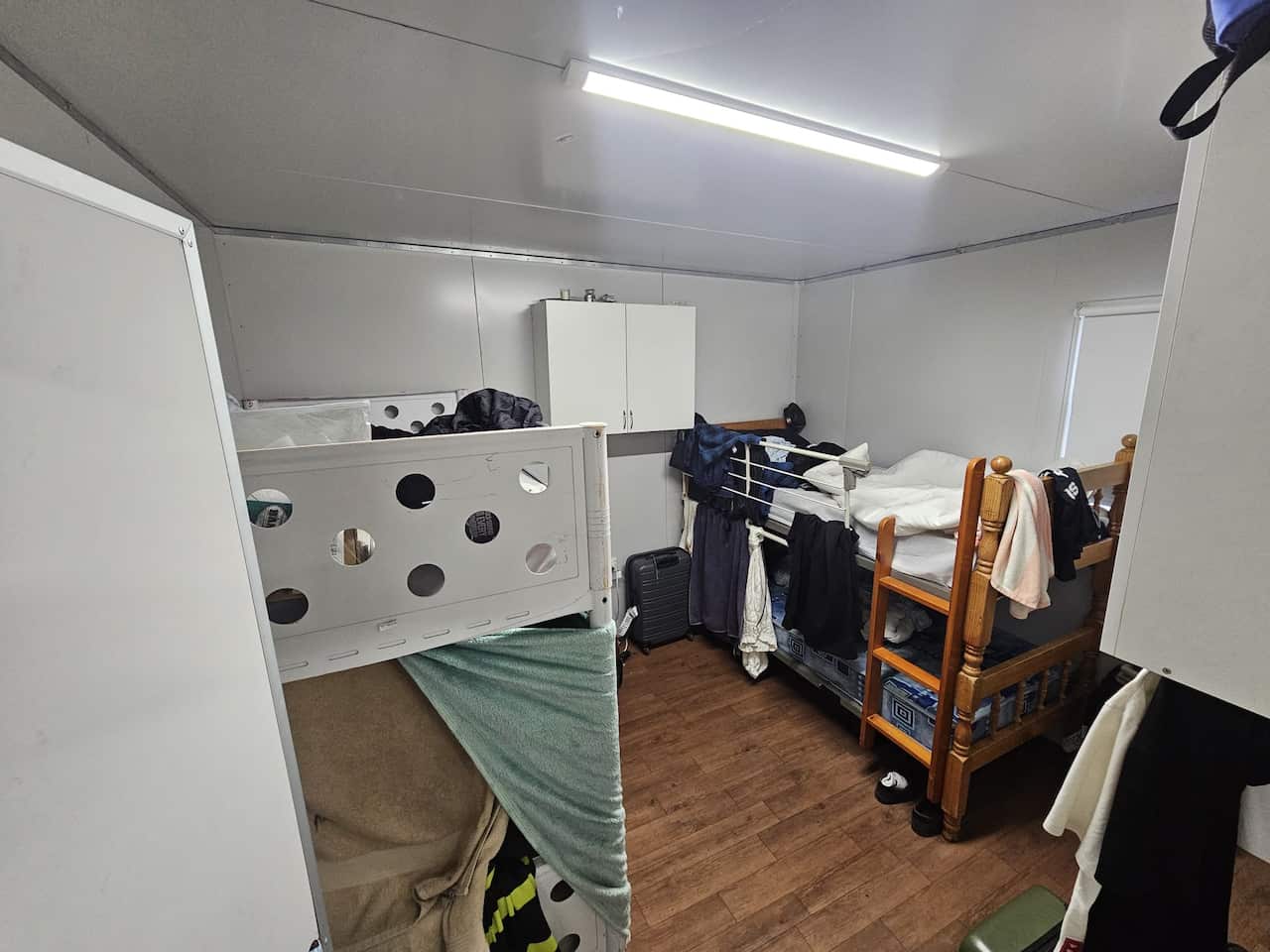
In Devonport, the trio were moved into single-room caravans fitted with two bunk beds — sleeping four people — a modest stove and a small bathroom. The wifi, which, according to their contracts, was included in their weekly rent of $170 each, was nonexistent, they say.
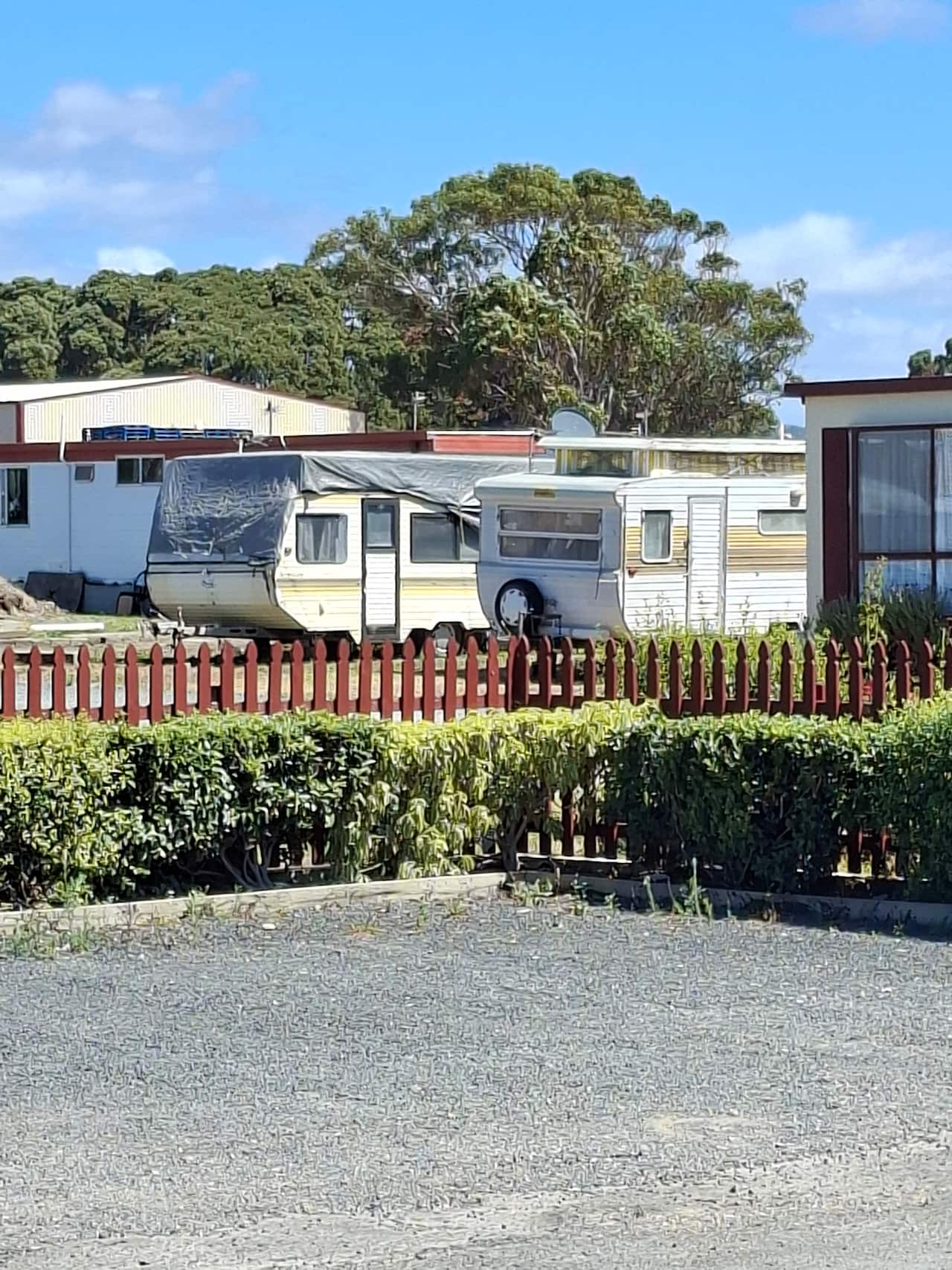
Still, it was an improvement on their previous living conditions.
Back in Corindi, the women had been living in a house with 48 people — eight to a room — each charged $179 a week for board. Soares also shared a room with seven other men.
"Devonport was better [than Corindi] but it was still crowded," Soares says.
We weren’t allowed to go out after 9pm, not have friends over, it was like a jail.
All three say the deductions charged by Madec have effectively wiped their chances of taking savings back to Timor-Leste.
"If we had been able to work the full nine-month visa, as we expected to, then we would have paid off what we owed Madec and saved some money to go home with," Soares says.
These deductions, while exorbitant, are legal under the Deed of Agreement signed between PALM scheme-approved employers (such as Madec Australia) and the Department of Employment and Workplace Relations (DEWR), which runs the scheme together with the Department of Foreign Affairs (DFAT).
But there have also been reports of illegal deductions by approved employers under the scheme, including employers skimming a few dollars each week from workers' mandated health insurance contributions.
Until Soares left Australia on 18 February, he says he was paying Madec $20.95 a week for health insurance through Iman Australia, now NIB International. The provider offers budget health cover under its "Basic Visitor Cover" package, costing $14 to $17 a week. SBS News has seen documents showing Madec Australia was charging Soares $4 a week more than it paid the health insurance company.
SBS News contacted Madec Australia about these deductions, but did not receive a response.
While $4 per week may seem small, with around 3,000 PALM workers on its books, Madec could be making up to $12,000 a week in additional fees if it charges other workers in a similar way.
During a 2024 National Press Club address, Timor-Leste's President Jose Ramos-Horta criticised the Australian government’s handling of the PALM scheme, pointing to examples of worker exploitation and excessive deductions.
Speaking with SBS News, he described the latest allegations of exploitation by Madec as "disheartening", saying that underlying issues persist.
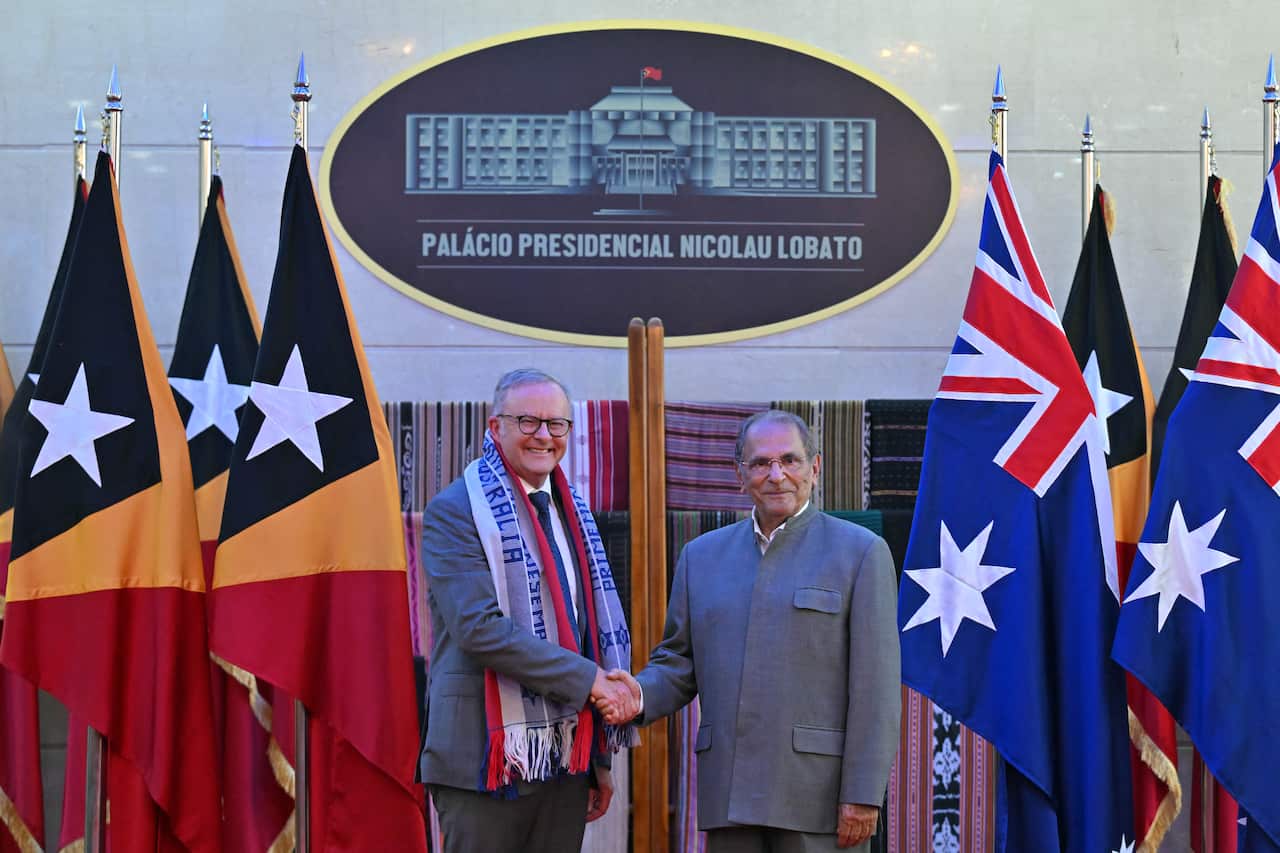
"While I maintain trust in the Australian government's regulatory framework, a regulation without penalty is an invitation to exploit. Compliance must be mandatory, and consequences must be absolute to ensure our workers are protected, not merely processed as a commodity," Ramos-Horta says.
"If a company hides behind the banner of 'charity' while profiting from this level of systemic exploitation, it is not an act of benevolence; it is a betrayal of the values held by both Timor-Leste and Australia.
We do not send our sons and daughters to build another nation's prosperity at the cost of their own dignity.
Unreasonable deductions
Last year, SBS News met with another PALM worker contracted by Madec Australia.
Rebecca (not her real name) was working on an avocado farm near Bundaberg, Queensland, at the time. She had come to Australia under the scheme, hoping to make enough money to "mend [her] home" back in her native Vanuatu, which had been damaged in the 2024 earthquake.
According to her contract with Madec, she paid $185 a week to live in a four-bedroom house with 11 other women. Together, they paid more than $2,000 a week — more than double the then-average weekly rent for a four-bedroom house in Bundaberg ($800), according to local rental websites.
The women would sleep in bunks in an arrangement the industry calls "rack and stack".
Sharing a single four-burner stove between 12 proved challenging.
"[There were] not enough cooking pans for 12 women to cook a meal, the cooking pots were rusted and some things were missing. We have to replace them before we leave to go home, otherwise Madec takes the money out of our wages," Rebecca told SBS News in 2025.
"By the time we have all cooked dinner for ourselves, it's midnight and we have to get up at 5 to go to work."
Other deductions made by Madec over Rebecca's first 12 weeks at the farm include: $1,900 for her airfare to and from Vanuatu (above the average price of $700 at the time); $348 for visa processing; $100 for linen; $200 for a mobile phone; $100 for personal effects; $100 for non-personal protective equipment work items; $200 for a cash advance; $60 refundable for a kitchen pack; and $200 for accommodation on-arrival and departure.
Like Soares, Rebecca was paying for health insurance through NIB International. At $18.50 a week, she believes Madec was overcharging her, as the highest rate for her level of cover is $17.
The company also charged her and her co-workers $50 a week for a 12-seater van to take the 33-minute drive to and from work — with petrol charged separately — mirroring conditions experienced by workers in Corindi and Devonport. Similarly, the use of the van, which was their only means of transport, was restricted.
According to documents seen by SBS News, workers were limited to trips between their accommodation and work, shopping, medical and recreational facilities, and church, and were subject to an 8pm curfew.
When asked how the company knows where the van is at night, Rebecca says: "There are cameras."
She tells SBS News she would drive the van each day without extra pay and says workers should be allowed to use it to visit friends and family nearby.
"We are paying for it, and we should be able to use it as we wish."
According to Madec Australia's 2023 Annual Report, motor vehicles are "purchased on behalf of workers employed in the Seasonal Workers Program, the costs of which are recovered via payroll deduction".
These vehicles are then written off for tax purposes after 12 months.
Dana Levitt, a lawyer who has acted for seasonal workers in claims against Madec Australia, says the company routinely charges seasonal workers for items it is required to provide free of charge.
"One worker who contracted COVID while in Australia was charged for hand sanitiser and masks. They also failed to provide antigen tests, accommodation where workers could isolate," she says.
"Madec also charged [the worker with COVID] for linen, quilt and cover, mattress protector, sheets, pillows and towels at a cost of $122.44."
'A real minefield'
Over the past few years, thousands of workers have absconded from the PALM scheme or returned home due to poor working conditions, abuse and exploitation. Due to their strict visa terms and restrictions on employment transfers, many are left with limited options for recourse if they have issues with their employer.
Many have also reported instances of unfair dismissal.
Malia Sykes, a community support worker from the Coffs Coast Multicultural Society, has worked closely with PALM workers in the Coffs Harbour area for several years, including those contracted via Madec.
She alleges that in late 2023, the company dismissed a group of around 18 Samoan workers, sending them back to Samoa just two weeks after arriving in Australia because one of them had been arrested, falsely suspected of rape. She says the worker was released after two months, when another person was charged on DNA evidence.
"Not even the farm [where this group worked] was told they were going back [to Samoa]," Sykes tells SBS News.
"The whole group was told they were returning, and their Madec manager rang the man's wife in Samoa, telling her he had raped someone.
"It was completely vindictive and cruel."
Madec did not respond to SBS News' specific questions about this claim.
Sykes also referred to the alleged incident during a NSW parliamentary inquiry last year, examining the risk of modern slavery for temporary migrant workers under the PALM scheme.
As part of her evidence, she detailed examples of unfair treatment reported by workers from a range of employers operating on the mid-north coast — not just Madec — pointing to the systemic nature of issues with the scheme.
Addressing a meeting of the NSW Modern Slavery Committee in December, Giles Fryer, a solicitor with Legal Aid NSW, observed that "where a person who's in the PALM scheme is dismissed from their employment, it's very common that the employer will buy them a ticket out of the country the very next day or within that week".
He told the committee that it can be extremely difficult for workers to challenge a dismissal because it requires them to remain in Australia in breach of their visa, which becomes invalid once employment is terminated.
"To me, there's a lot of departments involved [if a worker wants to dispute a dismissal] … because the Department of Employment and Workplace Relations and the Department of Home Affairs need to speak to one another," he told the committee.
"It's a real minefield."
Dr Joe McGirr, chair of the committee, says the inquiry heard evidence that Madec Australia has overcharged for rent and van hire, and will call for a review of its charity status. The committee is examining labour-hire regulation as part of the inquiry, with a final report expected to be tabled in August.
"If a large labour company exploits workers with unfair deductions and providing poor accommodation, it should be held to account," he tells SBS News.
"If that same company is operating as a charity, with all its associated tax benefits, then that company should have its charitable status reviewed. Modern slavery should not happen within the PALM scheme, no matter the size or profitability of the business."
Madec Australia did not respond to repeated requests for comment from SBS News regarding workers' claims of excessive deductions, cramped accommodation and discrepancies in visa and contract terms.
SBS News also put questions to Chris Evans, the National Anti-Slavery Commissioner, but he declined to comment on specific claims about Madec. In a statement to SBS News, he described the continued exploitation of workers as "very concerning", despite the PALM scheme being "highly regulated".
The absence of effective national regulation of the industry remains a serious impediment to preventing exploitation of employees of labour hire firms.
A spokesperson for Tony Burke, the Minister for Home Affairs, said: "The Australian government has zero tolerance for any exploitation of workers, regardless of their visa status – this includes the underpayment of wages and entitlements."
"On 1 July 2024, the Strengthening Employer Compliance Bill commenced. This … provides Home Affairs with the tools and capability to address issues of non-compliance in a pragmatic and proportionate manner, including criminal offences for employers using migration rules to exploit temporary migrant workers in the workplace."
The spokesperson did not comment on the specific allegations made by PALM workers about Madec Australia.
For the latest from SBS News, download our app and subscribe to our newsletter.







