
Hundreds of thousands of Australian households can expect to save up to $200 on electricity costs next financial year under proposed safety net prices set by the regulator.
Default market offers, as they are known, are updated annually to reflect the cost of delivering electricity to businesses and households.
Benchmark prices differ by region, but residential electricity customers from NSW, South Australia and southeast Queensland can anticipate price falls between 1.3 per cent and 10.1 per cent compared with the previous financial year.
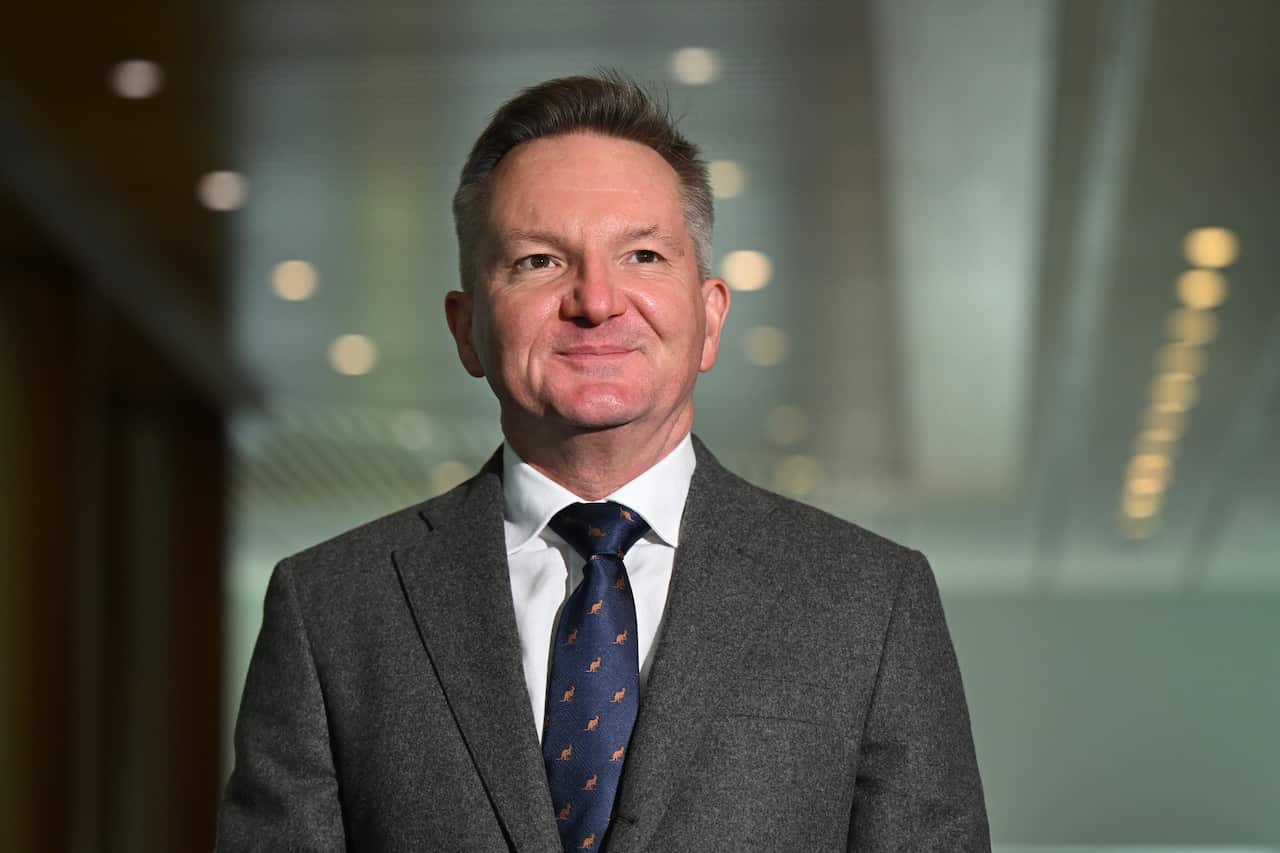
Energy minister Chris Bowen said that the draft document showed "good progress" in managing prices that had skyrocketed in recent years.
Asked if Australian energy prices had been impacted by the war in the Middle East, with news overnight Israel struck a major gas field in Iran, Bowen said there hadn't been a clear impact.
News that makes sense
Your trusted source for staying up-to-date with the world around you. Get free daily news updates and analysis, straight to your inbox.
"Obviously we've been monitoring the gas and coal markets very closely. The good news is gas prices in Australia have at this point not been impacted much."
He said the government would continue to monitor as this could change.
The average household in NSW could pay $58-$226 less than the year before, and bills could be roughly $216 lower in southeast Queensland across the 12 months.
A more modest $31 fall can be expected for South Australian households.
Small businesses are in line for price decreases between 7.6 per cent and 21.2 per cent, depending on area.
Wholesale electricity prices, pole and wire maintenance and construction, retailing expenses, and compliance with government environment schemes all feed into the Australian Energy Regulator's annual decision for the three states.
Regulator chair Clare Savage said lower default market offers reflected easing electricity costs, particularly wholesale energy.
Electricity contract prices had fallen, spot prices had become less volatile, and wind and battery generation had picked up, she said.
Lower retail operating costs and a more efficient price framework under government reforms were also highlighted.
"This draft decision points to the potential for some welcome relief for households and small businesses after several years of rising energy costs following Russia's invasion of Ukraine," Savage said.
Only the 10 per cent of households and 18 per cent of small businesses that fail to shop around end up on standard offers from their retailers and the regulator encourages customers to pursue more competitive offers.
Customers on the default offer could save up to 12 per cent on energy bills by calling up and switching to a mid-market offer.
Default market offers also create a baseline to easily compare other deals with.
The regulator is expected to finalise the offer in May.
Victorian benchmark prices were proposed by a separate state-based regulator last week.
The Essential Services Commission flagged a 3 per cent average fall, or $46, in annual bills across the five zones compared to 2025/26.
For the latest from SBS News, download our app and subscribe to our newsletter.







