This audio is voiced by AI and may occasionally mispronounce words.
Share your feedback and help us improve this feature. Read more about how we use AI at SBS here.
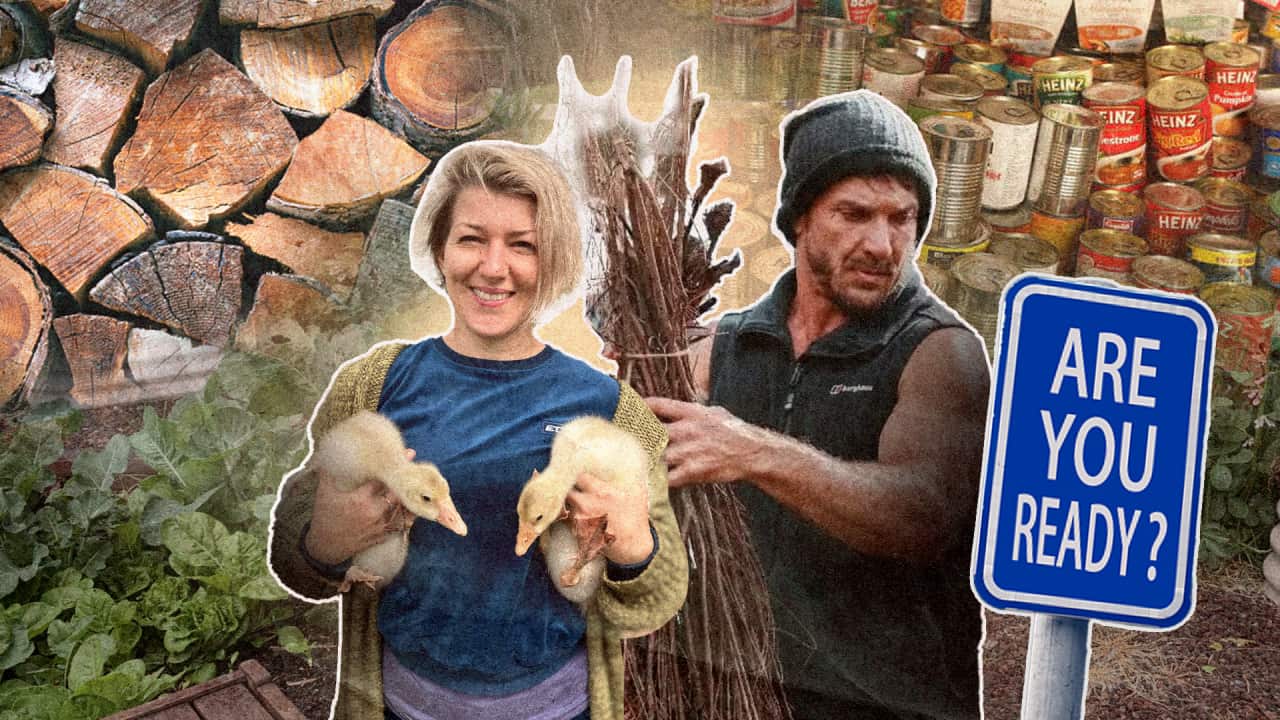
Deep in the bush of Mangrove Mountain on the NSW Central Coast, Seamus Turton is preparing for the end of the world.
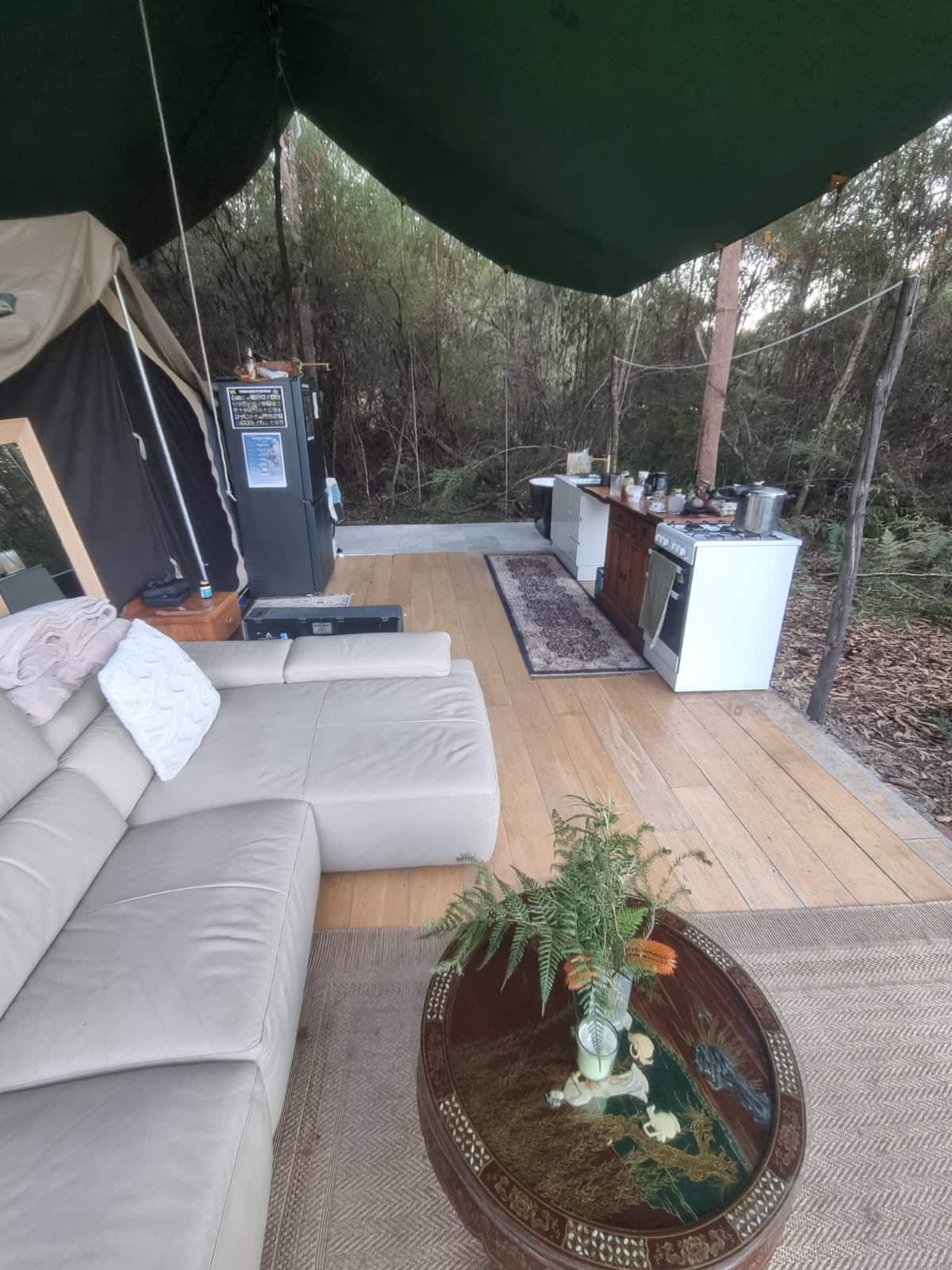
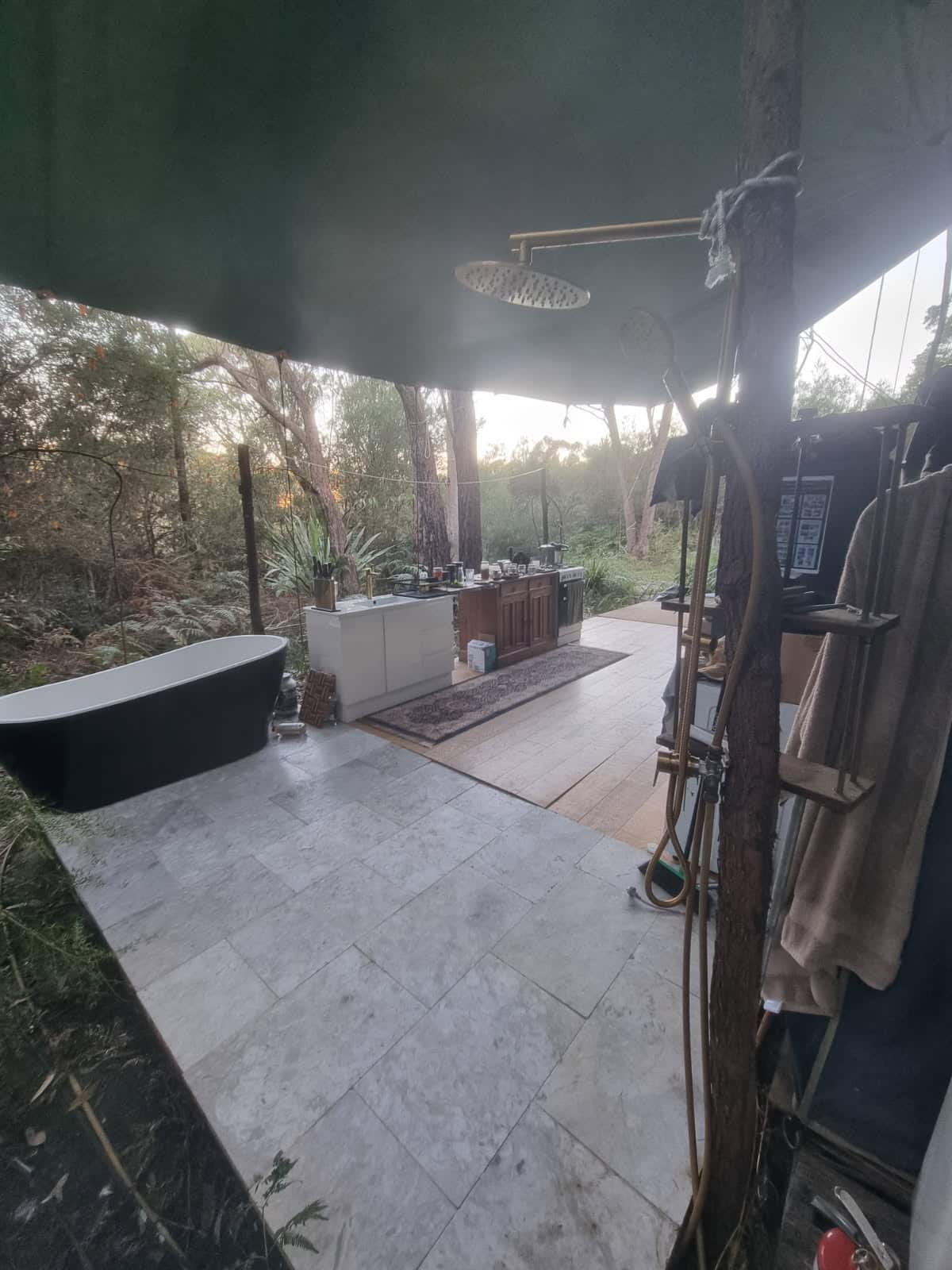
As far as off-grid setups go, Turton's is the Hilton.
His outdoor bathroom has marble tiles. The shower has hot water. He has a full-size double-door fridge, a double bed, a lounge, and an engineered oak deck he built himself out of pallets. There are 16 solar panels and two 300-amp lithium batteries, should the power grid ever switch off.
Then there's 15kg of coconut cream powder, a chest freezer stocked with salvaged roadkill wallaby and deer, live rabbits earmarked for meat, and — as of the morning we spoke — 12 chickens.
"I've gone a bit overboard," he tells SBS News. "But I thought, if I'm doing this, I may as well go a bit nuts and make it comfortable."
News that makes sense
Your trusted source for staying up-to-date with the world around you. Get free daily news updates and analysis, straight to your inbox.
'If you're not prepping, you're crazy'
Turton's talking about doomsday prepping — though he says that word immediately conjures up an image of a "weirdo".
"I wouldn't call myself a prepper as such," he says. "But I guess I am if people looked at it.
"I don't like the word because I think it's painted people that are preppers as weirdos. But I think these days with what's going on, if you're not prepping, you're probably crazy."
He's referring to the war in the Middle East and, more specifically, the on-and-off-again threats to close or disrupt the Strait of Hormuz, one of the world's biggest chokepoints for oil.
About 20 per cent of the world's oil and liquified natural gas passes through the strait, and analysts have warned that any prolonged disruption could send global fuel prices sharply higher. Australia imports the vast majority of its refined fuel.
Turton believes the subsequent fuel anxiety that's rippled through Australia — with some motorists panic-buying fuel and sharing concerns online about shortages — could lead to societal collapse.
The federal government has played down fears of an imminent fuel shortage, saying Australia continues to have fuel reserves and diversified supply chains despite tensions in the Middle East.
So Turton's preparing, just in case — and has spent around $25,000 so far for an entirely off-grid kit-out that would serve him and his loved ones if the worst happened.
This could blow up. It absolutely could happen this year.
"It could happen in the next couple of months, realistically.
"If we do run out of fuel ... people are going to be eating their dogs and pet budgies.
I'm just preparing for the worst, hoping for the best. If there's no diesel, there's no food. So that's my thinking — get some food together.
'More spring in our step'
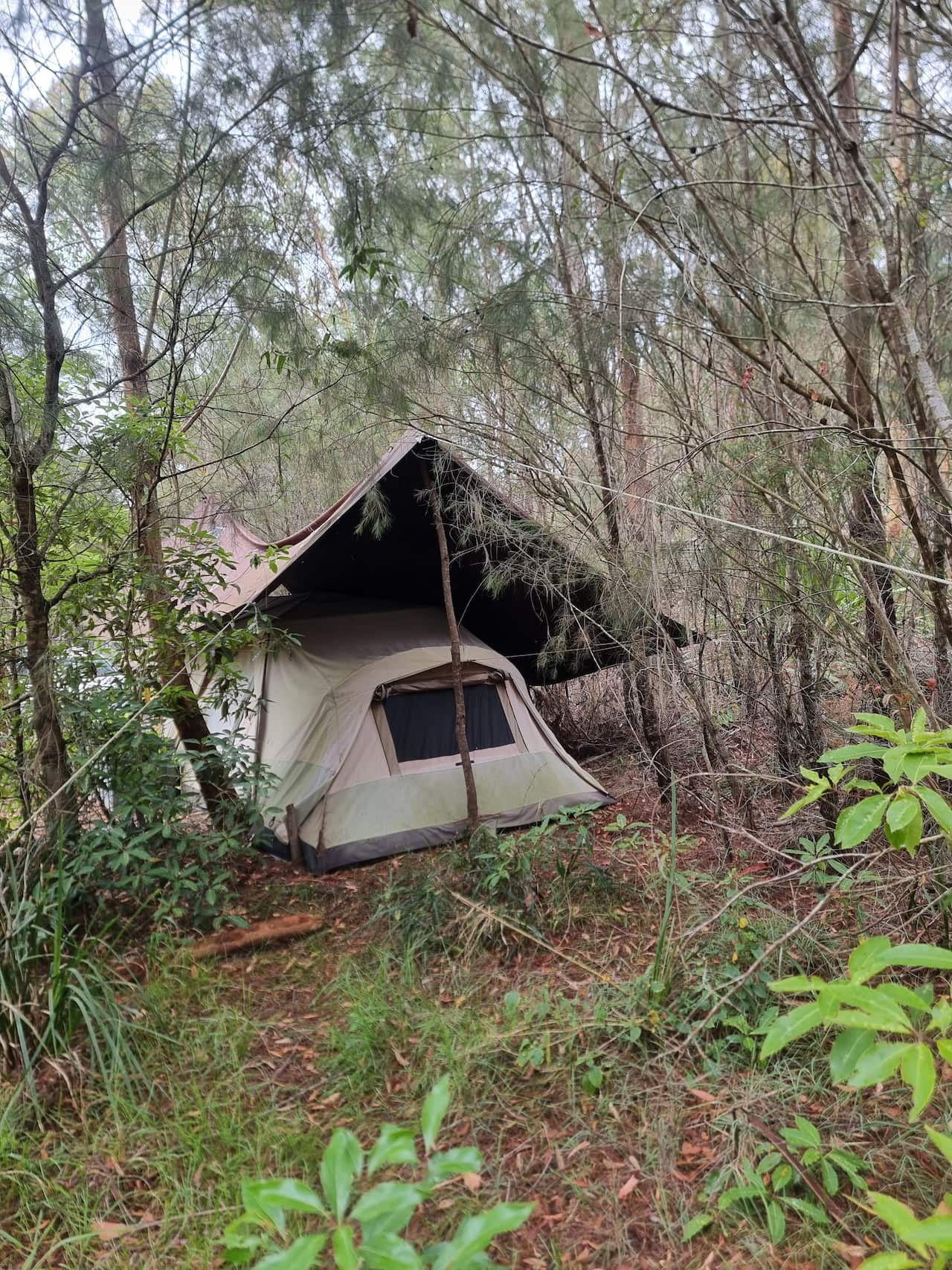
Five kilometres down the road is Turton's mentor, Jake Cassar, a survivalist and prepper who's been teaching bushcraft and wilderness survival for more than 25 years.
His setup is simpler than Turton's — a double bed, a chest of drawers, a fridge, freezer and shower, a tarp for shelter, and a generator in case the solar goes down — but entirely self-sufficient.
The people showing up to his courses, he says, aren't who you might expect — not tactical gear obsessives or doomsday advocates, but everyday Australians from a range of backgrounds who want to connect with nature and learn how to look after themselves.
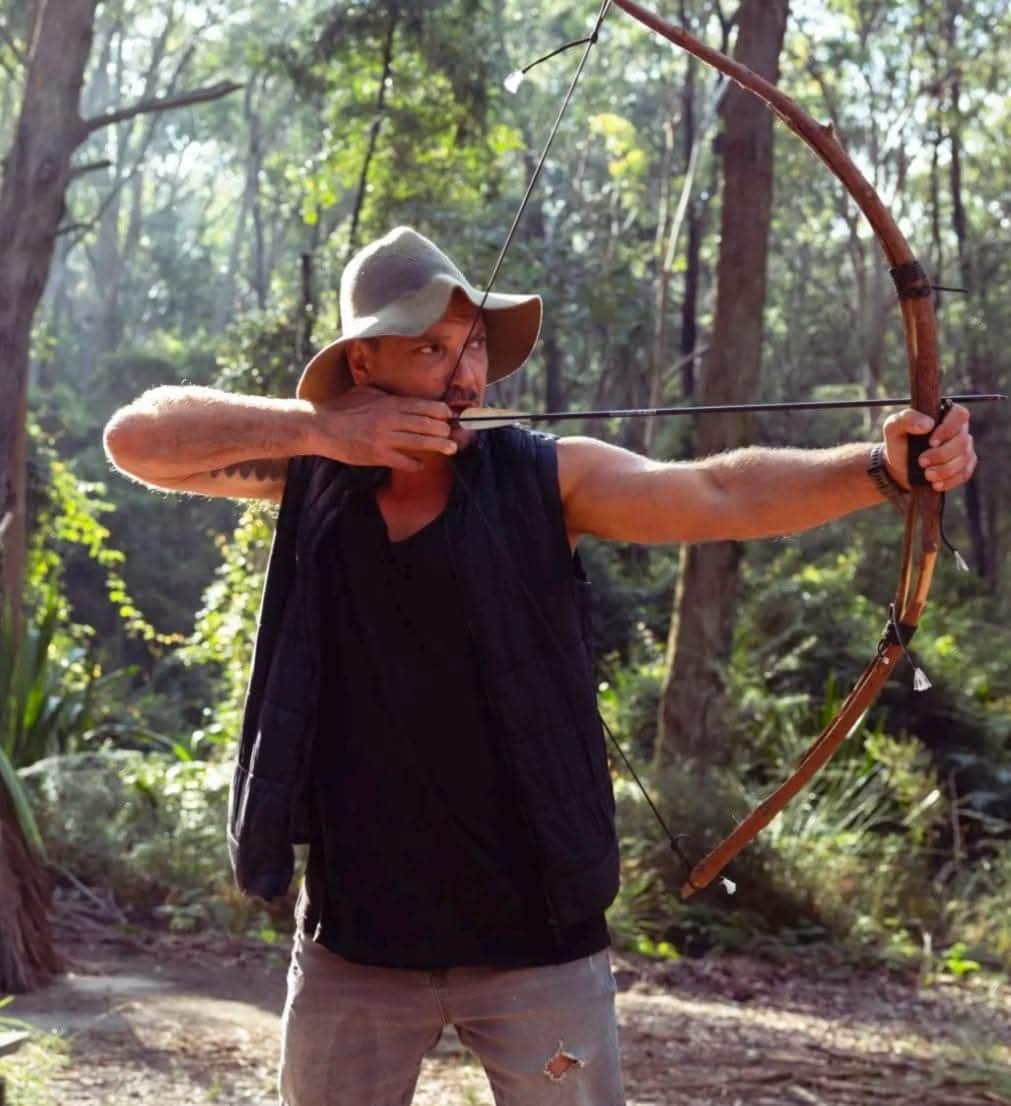
"[It's] people that are sensible and believe, with the current political climate and the literal climate, that there may be a time where having a few preps and knowing some survival skills might be a very good idea," Cassar tells SBS News.
Since the war in the Middle East escalated, he's seen more people sign up.
I've seen a bit of a spike over the last couple of courses.
"I also run a survival and self-defence course, and that has started to pick up," he says.
"I am a strong believer that survival and self-defence go hand in hand. In this day and age, you're probably in more danger walking in a supermarket around closing time than you are going for a bush walk."
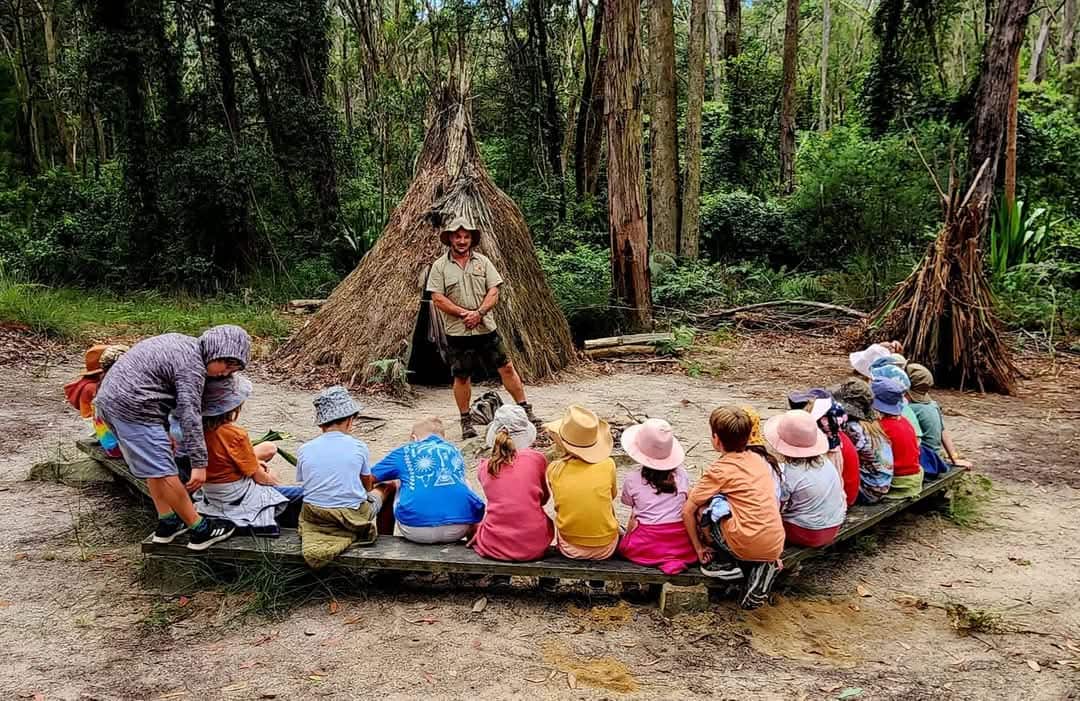
Cassar's philosophy is the opposite of the lone-wolf survivalist archetype.
He talks about the "survival of the most cooperative", not the fittest — and puts it into practice through his charity, which runs programs for homeless youth, people in juvenile justice, and women over 55, one of the fastest-growing demographics for homelessness in Australia.
That ethos, he says, is central to surviving any kind of crisis.
When asked what might unravel society, he doesn't look to wars or a foreign invasion. He looks closer to home.
"I think it's the spiritual war between people and all of the division that is happening at the moment," he says. "I feel like that is more of an apocalypse than bombs and countries coming and taking over."
Has the current moment changed anything for him? Not much. If anything, he says people like him have "a little more spring in our step".
Beyond the bunker
The word 'prepper' immediately conjures a stereotype — and not a particularly flattering one: the evangelical stockpiling guns in a bunker in the United States, or the conspiracy theorist convinced the government is out to get him.
But Tom Doig, a writer and lecturer at the University of Queensland who has spent seven years researching Australia's 'preparedness community', says the modern-day prepper is a bit more complicated than that.
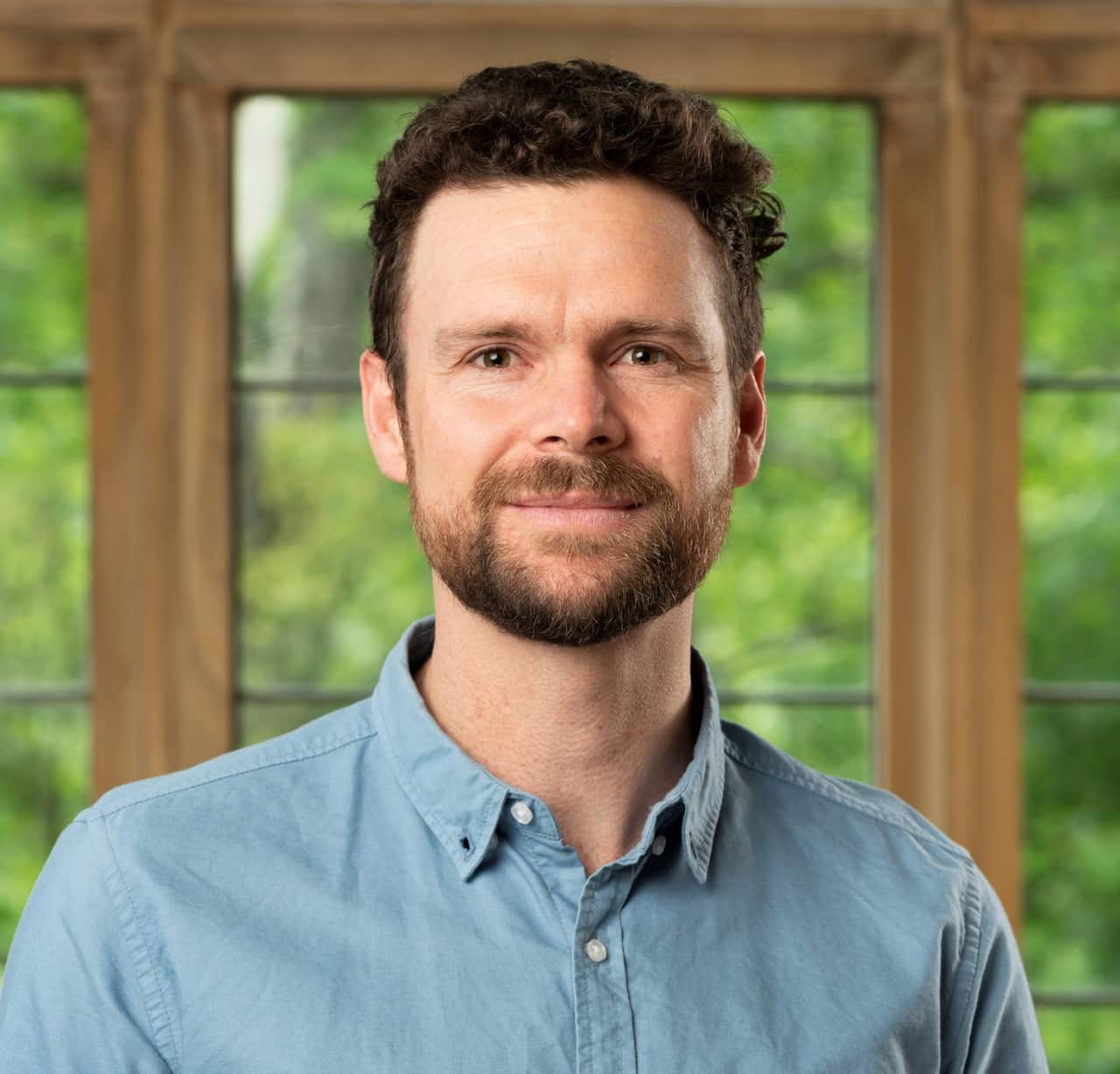
"I'd say almost without fail, whenever there's a major geopolitical event, there's a kind of spike in interest in terms of news articles and new people signing up to Facebook groups," says Doig, whose forthcoming book is titled We Are All Preppers Now.
His research has taken him across a spectrum that includes off-grid survivalists, suburban couples with six-month pantries, Indigenous communities, climate activists growing food for their neighbours, and Swedish neighbourhood groups that prep by simply mapping each other's skills — finding out who the plumbers are, who needs help if the water goes down.
"It's an incredibly broad church," Doig says. "The term itself is used so differently depending on who you speak to."
A glance at the Australian Preppers Facebook group — home to more than 45,000 members — reflects that diversity.
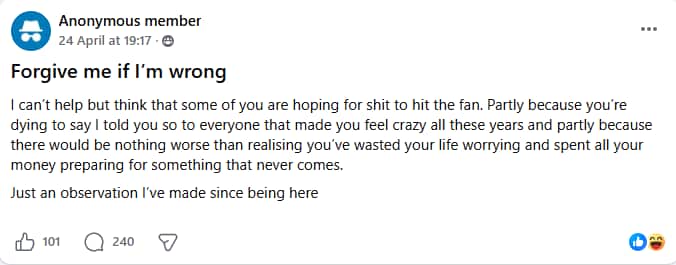
Some members debate whether moving out of Australia is safer than staying. Others post lists of skills they're looking for in a community — mechanic, nurse, botanist — and invite people to apply. Some ask about gardening. Others ask how to prep on a low income.
One anonymous member wonders aloud whether some in the group are "hoping for sh-t to hit the fan" — because "there would be nothing worse than realising you've wasted your life worrying and spent all your money preparing for something that never comes".
But alongside the more dramatic scenarios is a quieter, more practical conversation about resilience, rising costs, and how vulnerable systems can feel.
The rise of the everyday prepper
Unsurprisingly, there's no official data that tells us how many people identify as a prepper. But some data suggests preparedness behaviour may be becoming more mainstream.
SPC Global, one of Australia's largest food processors, recorded sales of canned baked beans, tomatoes, spaghetti and packaged fruit rising by around 12 to 20 per cent across major retailers in March after the escalation of the conflict in the Middle East.
The company classified it as 'top-up' behaviour rather than panic buying or COVID-19-style stockpiling, where shoppers add a few cans onto their shop, possibly driven by value, cost of living pressures, or convenience.
A survey of more than 1,000 Australians by financial comparison site Finder told a slightly different story: 17 per cent said they are stockpiling in response to the conflict — including 8 per cent stockpiling food and water, 8 per cent toilet paper and 3 per cent fuel.
Whether that's prepping or just sensible shopping may depend on who you ask.
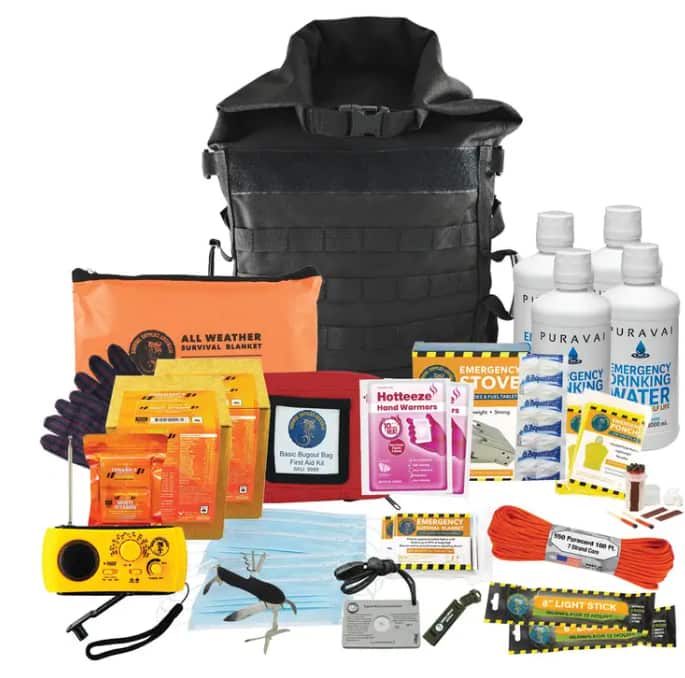
Some specialist survivalist retailers have also reported a spike in purchases that might signal something more deliberate.
Aston Wood is from Survival Supplies Australia, which sells survival and emergency preparedness equipment.
"Since the Middle East conflict, we have seen a peak in sales growth of around 300 per cent," he tells SBS News.
The spike has since steadied, but Wood says sales are still tracking approximately 100 per cent above January and February, with the strongest demand in long-life food, water purification, and "go bags" — pre-packed emergency kits for a fast exit.
The Diggers Club, one of Australia's largest gardening clubs, also recorded a 94 per cent surge in seed sales in March compared to the same month last year, with April tracking even stronger at around 133 per cent year-on-year.
Julian Blackhirst, head of gardens at Diggers, says it doesn't feel like the blind panic of COVID-19, instead arguing that it's a behavioural shift toward "self-sufficiency and food security".
'Living sustainably and intentionally'
When Claire Ballinger, a chiropractor and Diggers member living off-grid on a 14-hectare property in South Australia, is asked if she identifies with the word 'prepper', she's quick to correct it.
"'Living sustainably and intentionally' — there, fixed it for you," she tells SBS News. "When I think of preppers, I picture underground bunkers and tins of buried food."
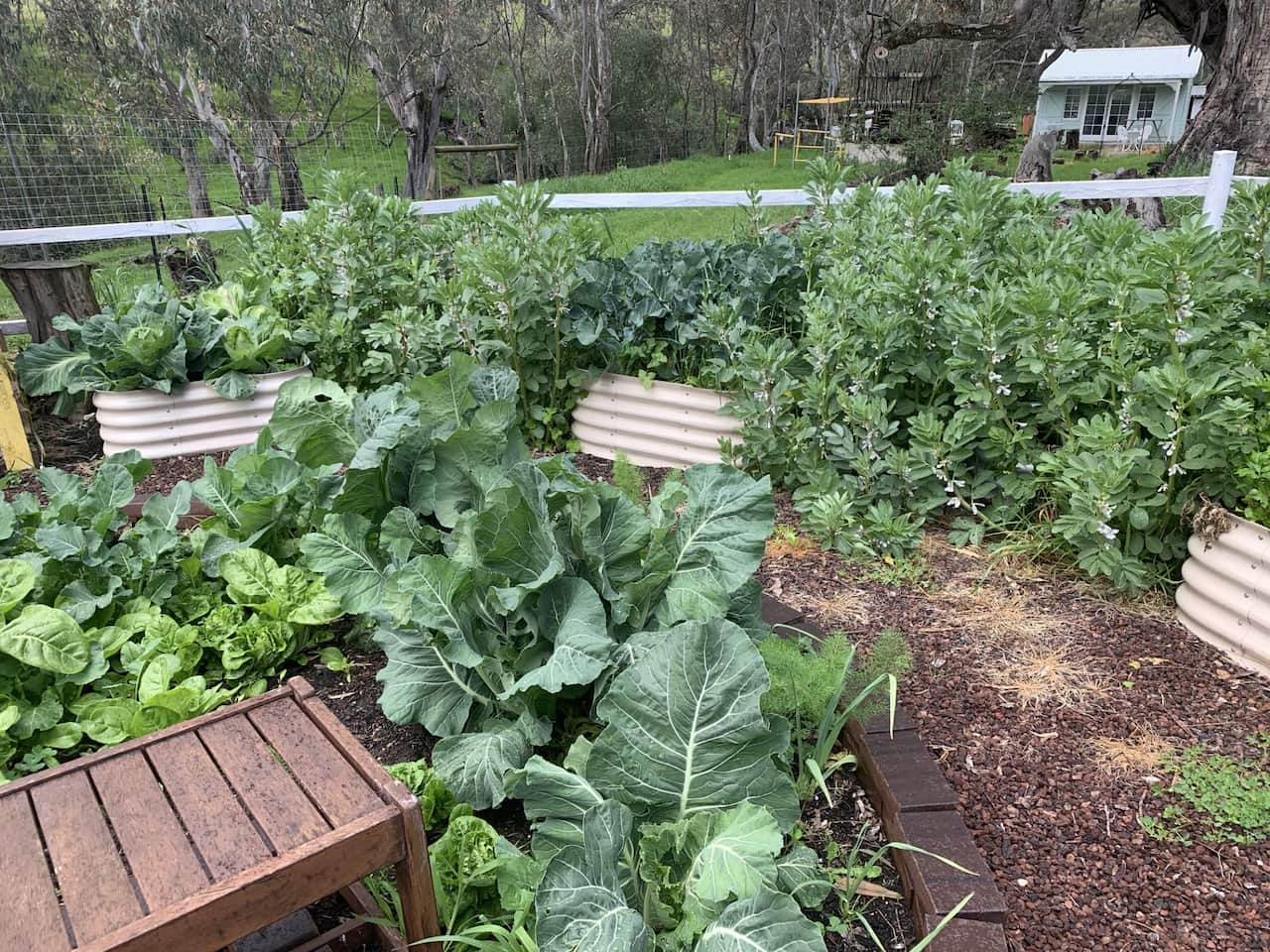
She lives in a weatherboard farmhouse with verandahs, solar and battery. Around it, she's planted deciduous trees for fire protection, fruit trees and edible hedges. There's a cow, a horse, chickens, sheep and dogs.
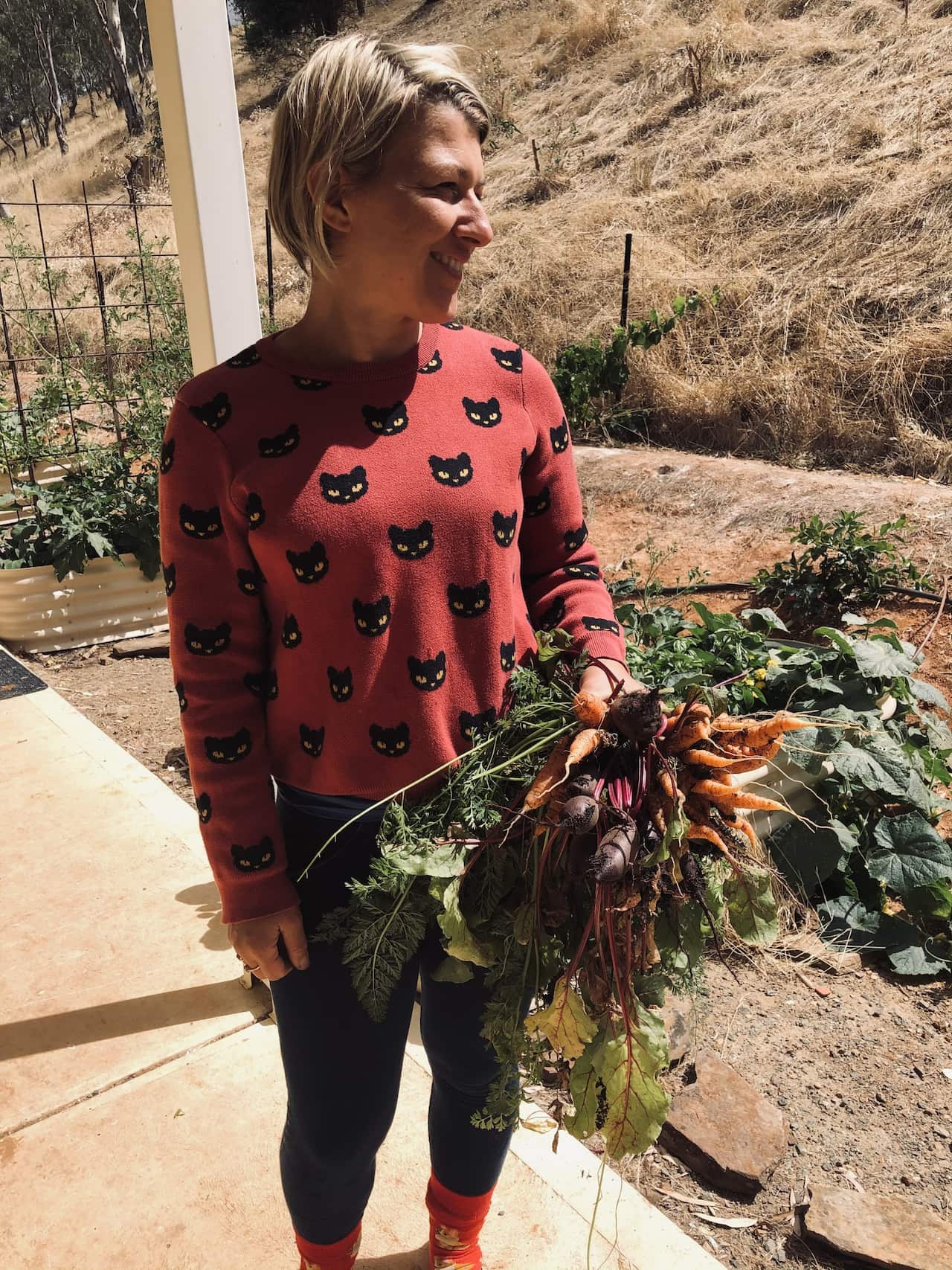
She grows leeks, beetroot, carrots, potatoes, pumpkin and broccoli — vegetables that store well or can stay in the ground to avoid a glut. She swaps produce with neighbours: mulberries for preserves, honey for meat.
"We're definitely not fully self-sufficient — unless you're happy eating lamb and spinach on repeat," she says. "But it's something we're working towards."
Ballinger first experimented with the lifestyle during the pandemic and says recent global instability has accelerated some of those habits, including buying more seeds as war in the Middle East intensified.
"COVID-19 felt like we were suddenly in some kind of apocalyptic novel. I tried to turn our lawn into a veggie patch. It didn't go brilliantly," she says.
Recently, news of bombs and war probably sped up my seed-buying.
"But it's less about one specific event and more about a general mindset."
Ballinger describes her politics as sitting somewhere in the middle — environmentally conscious but pragmatic. For her, this isn't really political.
"It's more about trying to have a bit more control in a world where a lot feels out of your control," she says.
Psychologist Carly Dober says that impulse has a name: "personal sovereignty" — the idea that people respond to fragile supply chains and economic uncertainty by trying to regain control over the basics, like food, water or energy.
It's less about preparing for an apocalypse, and more about agency, she says.
"People are seeking to lower their costs, increase sustainability, and find deeper meaning through skills like gardening and renewable energy.
"Many people are adopting a partial approach, often as a way to create a more connected and meaningful life."
'Something many ordinary people do'
What could bring about the end of the world is no longer limited to nuclear war or meteor strikes.
Today, the list of perceived threats is long and constantly evolving: climate change, a global superbug, economic collapse, war over resources, bushfires, cyclones or social collapse. For many people, the question is no longer whether disruptions will happen, but how severe they might become.
So at what point does wanting a contingency plan stop being prepping and start being just … sensible?
Karina Rune, a lecturer in psychology at the University of the Sunshine Coast, studied the psychological drivers of stockpiling behaviour during the pandemic. She found that common psychological processes — not fringe personalities — often drove stockpiling and prepper-adjacent behaviour.
"The stereotype of the prepper as extreme or conspiratorial doesn't really fit what we observed," she tells SBS News.
"Instead, we found that stockpiling is something many ordinary people do when they feel threatened or see others doing it.
The 'everyday prepper' may be understood as responding to uncertainty and trying to regain a sense of control, rather than reflecting any particular personality type.
Dober says living through a "polycrisis" — where multiple emergencies overlap and compound one another — can create cumulative exhaustion and a diminished sense of control. In some cases, she says, that may tip people towards catastrophic thinking.
"Prepping acts as a psychological coping mechanism against existential dread," she says.
"Some feel that governments cannot, or will not, protect them — citing events like the Lismore floods or the 2020 bushfires. Prepping is seen as a way to protect families from civil unrest, natural disasters and pandemics."
Research from the Australian National University found that across six key threats — climate change, AI-enabled attacks, disinformation, foreign interference, economic crisis and critical supply disruption — between 85 and 89 per cent of Australians consider the risk more likely than not to happen within the next five years. Fewer than one in five believe the nation is 'very' or 'fully' prepared for any of them.
Doig says that in Australia, the dominant anxiety is often less about fear of a tyrannical government — a common theme in US prepper culture — and more about the fear of being left to fend for yourself.
It's not that the government's out to get you — it's that the government won't turn up to help you.
"It's more a concern about a lack of state capacity. The nightmare of neoliberal self-sufficiency kicks in."
Rune adds: "It's not preparation itself that's the issue — it's what's driving it."
'If it happens, there'll be eggs'
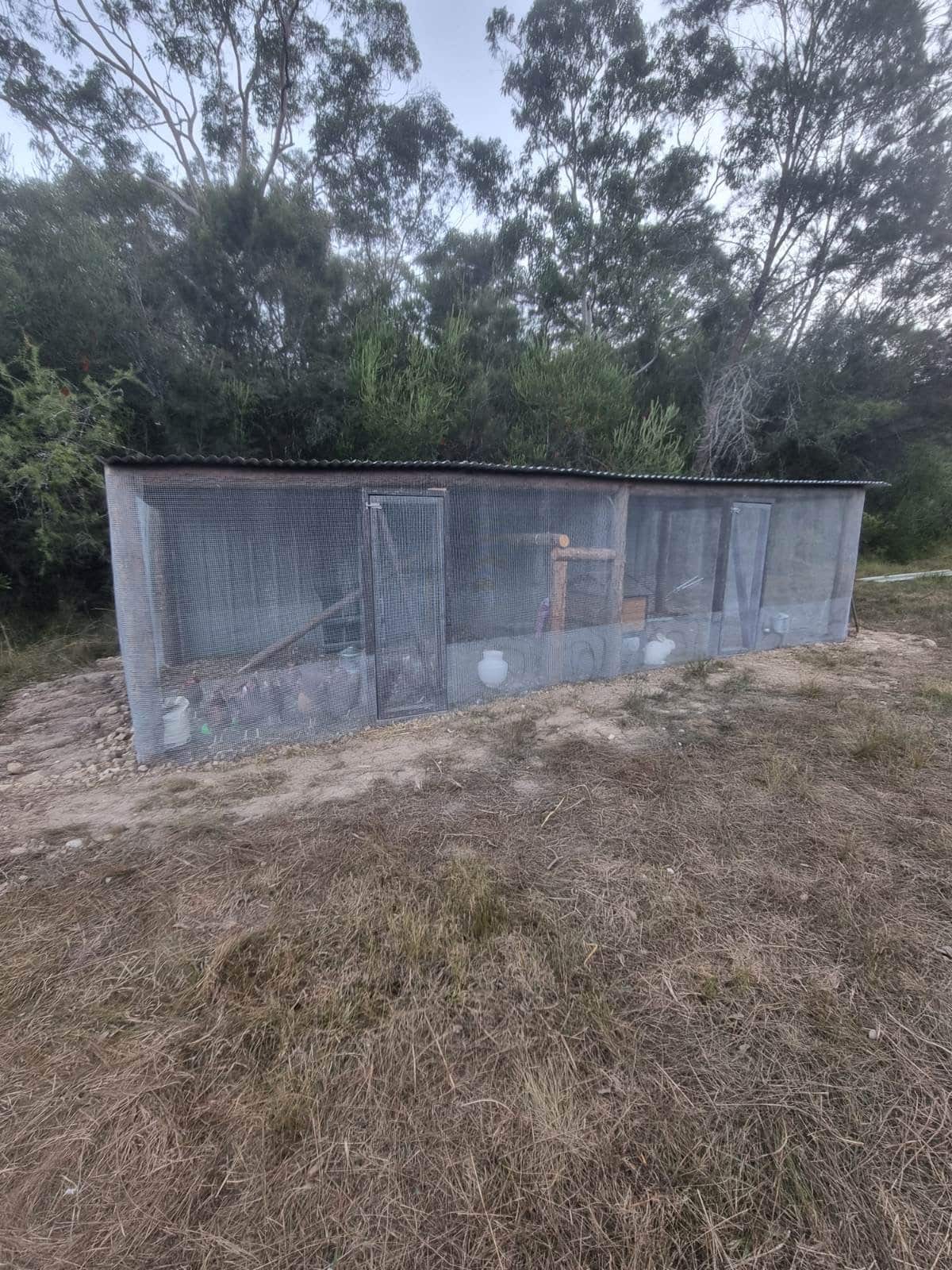
Back on the Central Coast, Turton has just finished installing the doors on his chicken coop. He puts the twelve ISA Browns in their home.
At roughly one egg per day and five people in his immediate circle, he figures they'll be well fed.
His next job is getting up the veggie patch.
He's encouraged the people around him to start preparing too. His sceptical friends and his girlfriend, who thinks he's lost the plot, remain unconvinced.
"If it does happen, I'm going to be like, 'Well, I told you so, and here's some food,'" he says.
And if supplies do run short — if sh-t hits the fan, fuel becomes scarce, supermarket shelves are empty, and friends arrive on his property asking for help — he'll be ready.
"If and when it does happen, at least I'll have eggs for them."
For the latest from SBS News, download our app and subscribe to our newsletter.







