
In brief
- Shamima Begum made international headlines after travelling to Syria to join IS in February 2015.
- She is still there in a situation "worse than a prison sentence".
After Shamima Begum left the United Kingdom to join the self-proclaimed Islamic State (IS) group in 2015, the British government stripped her citizenship — a move that rendered her stateless.
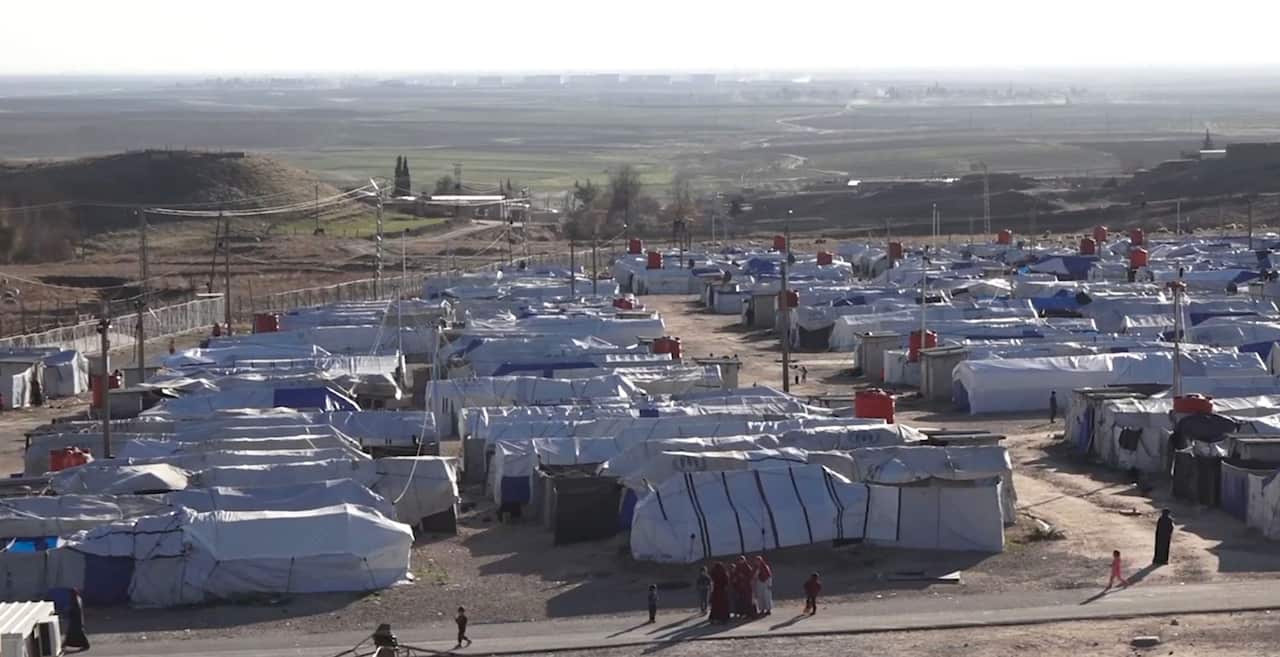
Begum has been trapped in legal limbo since IS collapsed in 2019. She is currently held in Syria's al-Roj camp, where 34 Australians — 11 women (often referred to as 'ISIS brides') and 23 children — with alleged links to IS group fighters also remain, following a failed bid last week to return home.
Unlike Begum, the federal government hasn't moved to strip them of citizenship — which would be unlawful under international law if it rendered them stateless. Other Australians have previously returned from Syrian camps — some with explicit government assistance, others without.
But the government, which insists it has provided no assistance to this cohort, has faced calls from some quarters to deny them passports. It also has the power of temporary exclusion orders — which some have argued could be used to ban Australian citizens from returning home indefinitely. One person in the group has had one issued against them.
News that makes sense
Your trusted source for staying up-to-date with the world around you. Get free daily news updates and analysis, straight to your inbox.
What ultimately separates Begum's case from that of the Australians is a disputed claim about citizenship.
Who is Shamima Begum?
Born in London, raised and educated in the multicultural neighbourhood of Bethnal Green, Begum was a British citizen of Bangladeshi descent.
She made international headlines after travelling to Syria to join IS in February 2015.
The girl, who was just 15 years old at the time, flew from London to Türkiye with her two school friends, Amira Abase and Kadiza Sultana, and was smuggled across the Syrian border with an IS-linked network. Just 10 days after their arrival, Begum was married to Dutch-born Yago Riedijk, a Muslim convert and IS fighter.
At the time, the self-proclaimed caliphate was at the height of its powers and occupied a territory roughly the size of Victoria with some 12 million people under its control.
Reports differ over what Begum did there, with some claiming she joined the brutal "morality police" and enforced strict discipline amongst the population. A fellow school friend, however, who joined IS before Begum, described her as a "shy misfit" who stayed at home under the command of her husband.
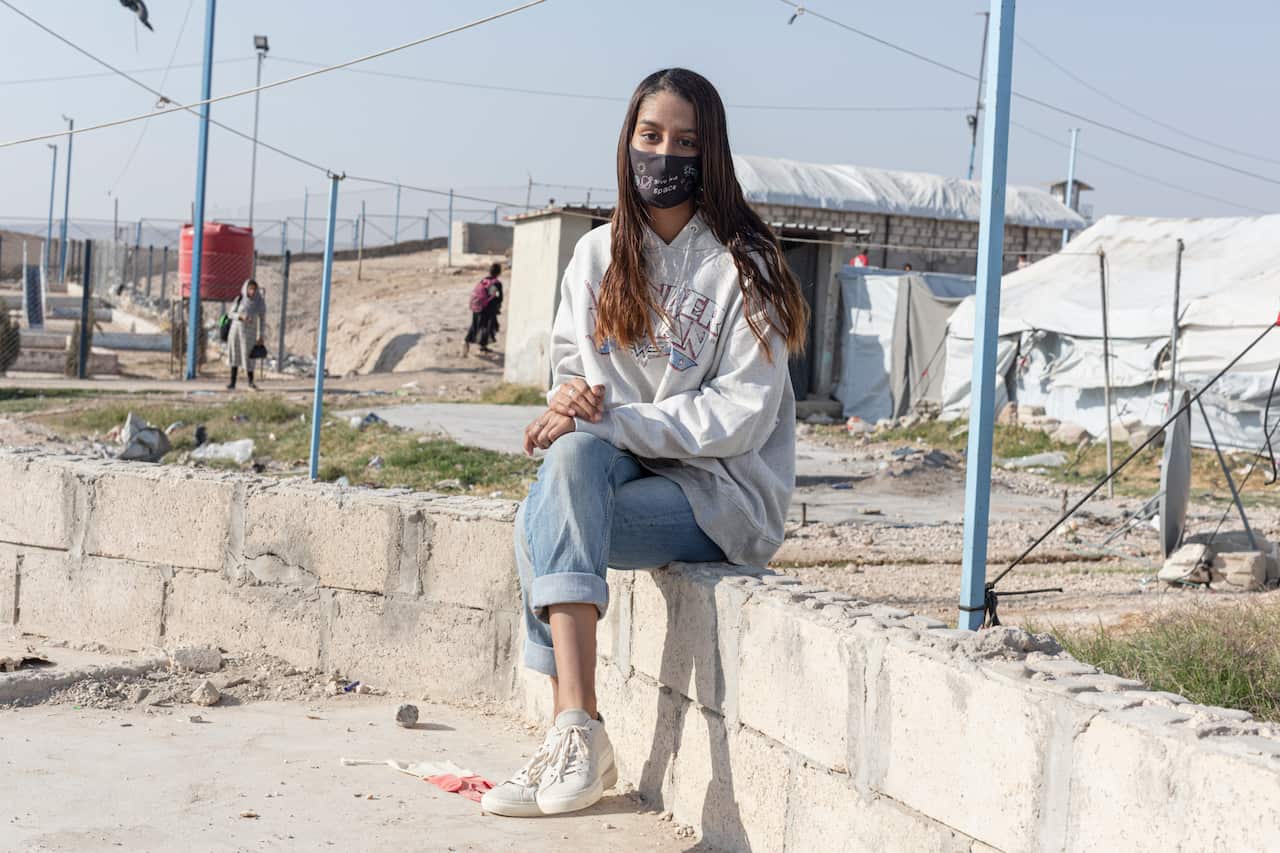
During her time in Syria, Begum gave birth to three children, all of whom died. Her youngest child, Jarrah, was born in the al-Hol refugee camp and died of pneumonia in al-Roj.
Jarrah's birth was what motivated her to seek a return to the UK, she claimed in a tell-all interview from al-Hol in 2019. The story sparked national debate over whether she should be allowed to come back and, not long after, then-British home secretary Sajid Javid stripped Begum of her citizenship.
"If you have supported terrorist organisations abroad I will not hesitate to prevent your return", Javid said.
The UK government has said Begum is a Bangladeshi citizen by descent, as her parents were born there, and that stripping her of her British citizenship would not make her stateless.
The government of Bangladesh, however, rejected such a claim.
"Bangladesh asserts that Ms Shamima Begum is not a Bangladeshi citizen. She is a British citizen by birth and has never applied for dual nationality with Bangladesh," Bangladesh's foreign ministry said in a statement in 2019.
"It may also be mentioned that she never visited Bangladesh in the past despite her parental lineage. So, there is no question of her being allowed to enter into Bangladesh," it added.
In addition, Bangladeshi foreign minister Abdul Momen reiterated that year that Begum would face the death penalty if she entered the country, owing to its "zero tolerance" policy toward terrorism.
Begum has made several legal appeals over the stripping of her citizenship — all of which have failed — and has spent the past seven years in al-Roj.
In a BBC podcast she was the focus of in 2023, she mentioned living in a dusty tent, unable to leave, with an "indefinitely" similar future ahead of her.
"This is, I feel like worse than a prison sentence because at least with prison sentences you know that there will be an end, but here you don't know if there's going to be an end."
For the latest from SBS News, download our app and subscribe to our newsletter.







