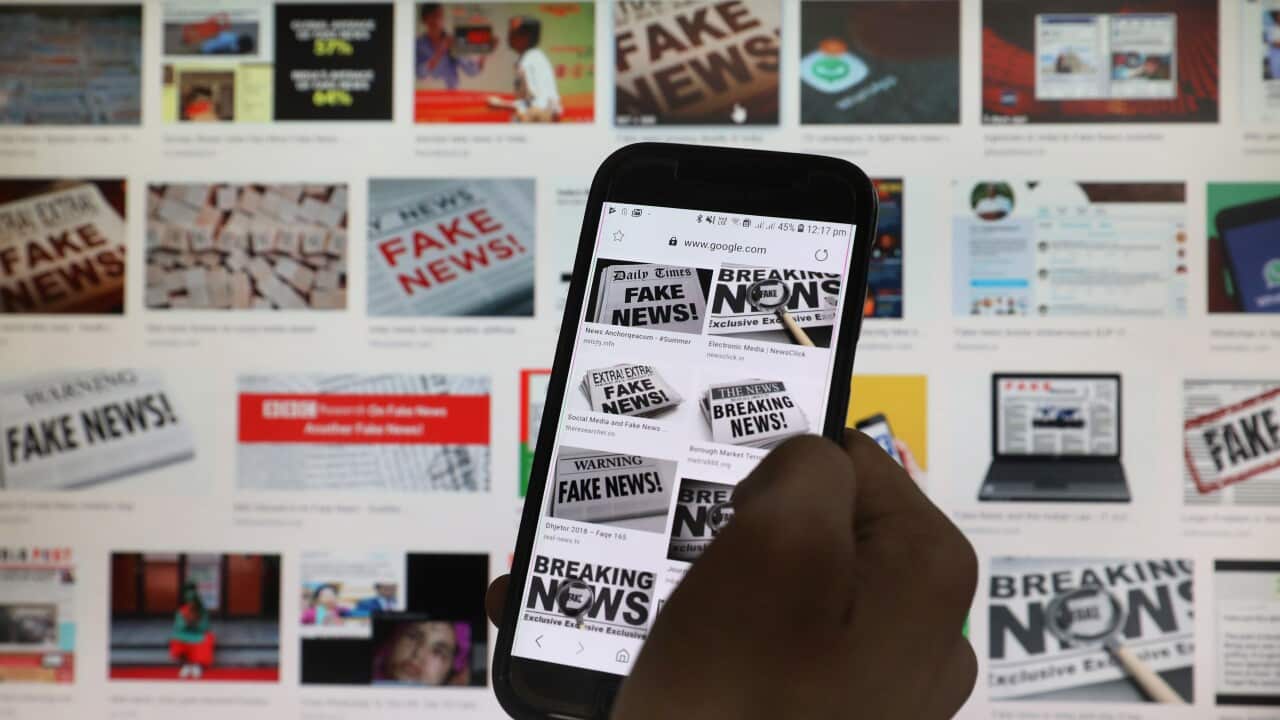
Singapore's parliament yesterday passed laws to combat "fake news" that will allow authorities to order the removal of online content despite fierce criticism from tech giants and rights groups.
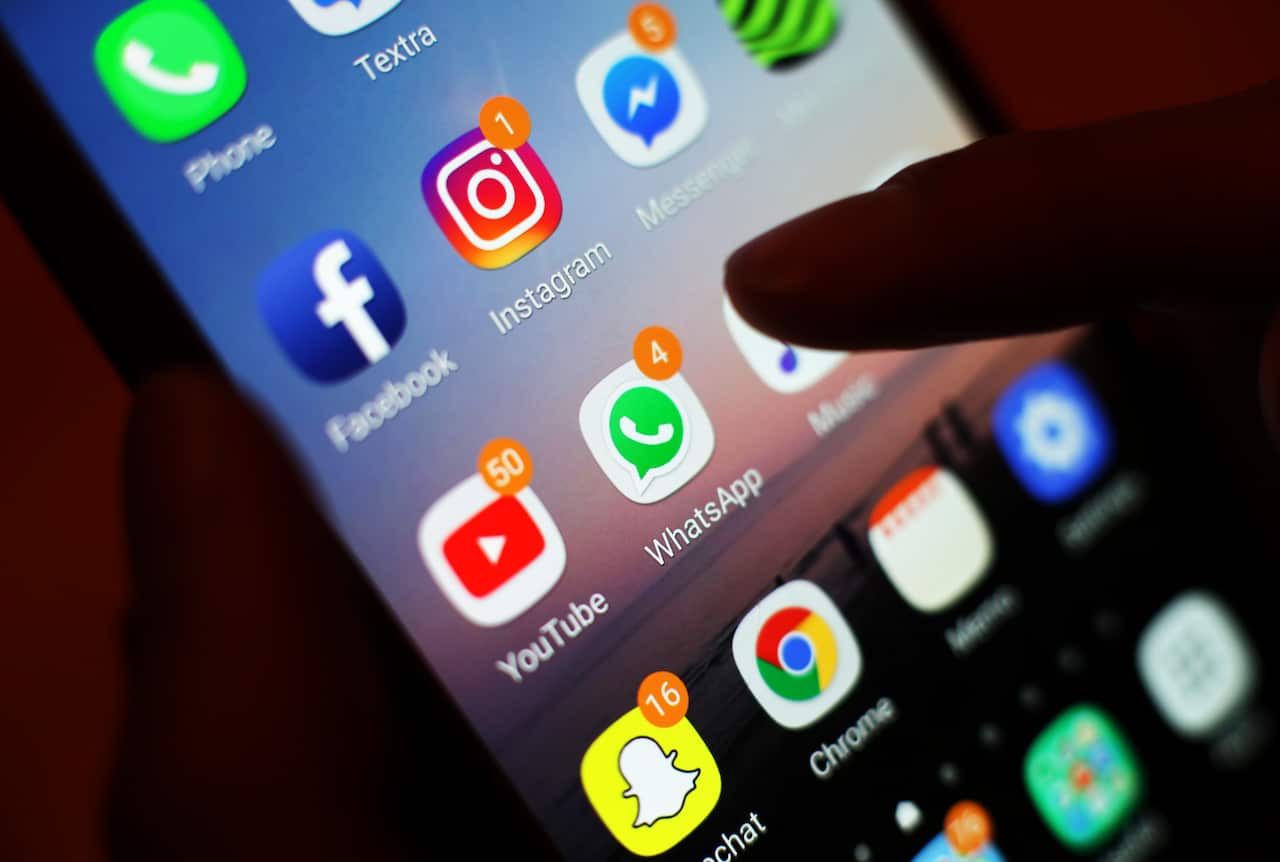
They give government ministers powers to order social media sites like Facebook and Twitter to put warnings next to posts authorities deem to be false, and in extreme cases get them taken down.
If an action is judged to be malicious and damaging to Singapore's interests, companies could be hit with fines of up to Sg$1 million ($735,000).
Individuals could face jail terms of up to 10 years.
News that makes sense
Your trusted source for staying up-to-date with the world around you. Get free daily news updates and analysis, straight to your inbox.
Authorities in the tightly-controlled country, long criticised for restricting civil liberties, insist the measures are necessary to stop the circulation of falsehoods which could sow divisions in society and erode trust in institutions.
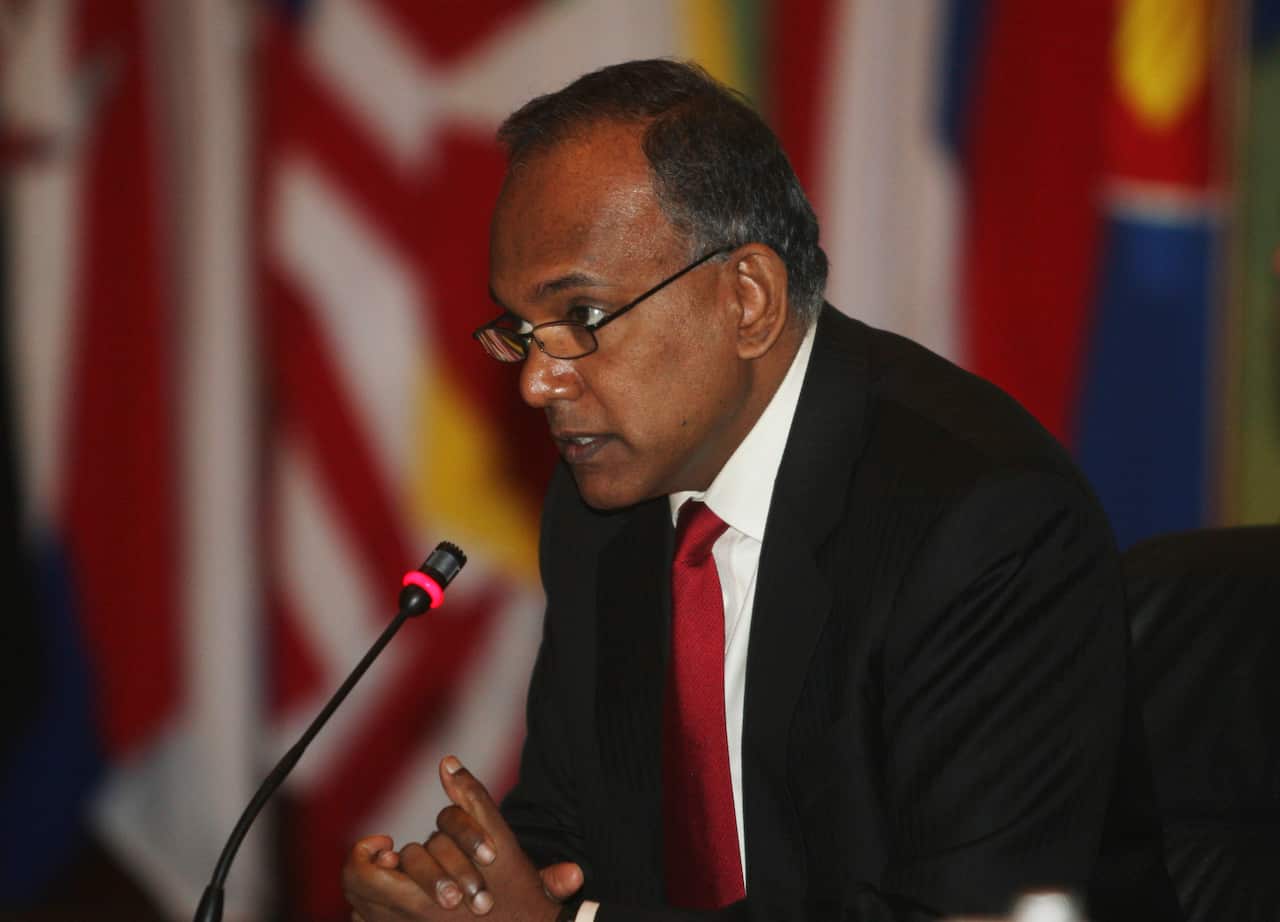
According to Singapore-based The Straits Times, Home Affairs and Law Minister K. Shanmugam responded to the debate on the draft law by arguing that it was necessary to combat false information.
“(Debates) should be based on a foundation of truth, foundation of honour, and foundation where we keep out the lies, that’s what this is about. It’s not about the Workers’ Party or the PAP or today, it’s about Singapore.”
But the laws have sparked outrage from rights groups, who fear they could stifle online discussion, tech companies with major bases in the financial hub and journalists' organisations.
The legislation "gives the Singapore authorities unchecked powers to clamp down on online views of which it disapproves," said Nicholas Bequelin, Amnesty International’s regional director for East and Southeast Asia.
"It criminalises free speech and allows the government almost unfettered power to censor dissent. It doesn't even provide any real definition of what is true or false or, even more worrying, 'misleading.'"
Far-reaching legislation
The measures were debated for two days in parliament, which is dominated by the ruling People's Action Party, before being passed late Wednesday.
The city-state's small opposition Workers' Party, with only six elected members in the 89-seat chamber, opposed the measures.
"To introduce such a bill is not what the government, which claims to defend democracy and public interest, should do," said one of the party's MPs, Low Thia Khiang.
"It is more like the actions of a dictatorial government that will resort to any means to hold on to absolute power."
The Asia Internet Coalition, an industry association whose members include Facebook, Google and Twitter, has described it as the "most far-reaching legislation of its kind to date".
But addressing parliament Tuesday, law and home affairs minister K. Shanmugam said that tech companies could not be relied upon to regulate themselves.
"This is serious business. Tech companies will say many things to try and advocate their position," he said. "We have to show them we are fair, but also firm."
The government stresses the laws target false statements, not opinions, and that ordering "corrections" to be placed alongside falsehoods will be the primary response rather than fines or jail terms.
Any government decision can be appealed to the courts, although critics say there are few people who would have the resources or will to take on the authorities.
Critics also note that Singapore already has tough legislation against sedition, defamation and disturbing racial harmony, that can be used to police the web.
The internet has up until now been a relatively free space in Singapore and there are some local alternative news sites, which are typically more critical of the authorities than the traditional, pro-government newspapers and TV.
The financial hub of 5.6 million people is among several countries which have passed laws against fake news.
Global crackdown on "fake news"
Singapore's laws addressing "fake news" occurs amidst global trends to combat media misinformation. Many countries have established laws which enable authorities to penalise those who publish or share declared false information.
In January this year, Vietnam imposed a law that requires internet service providers to disclose user data so that the government can trace the origin of specific posts.
The European Commission released a report on fake news and disinformation in March 2018, as many countries began to enforce tighter restrictions against media misinformation.
Malaysia made sharing misinformation a crime in early April 2018. People who were accused of publishing or sharing fake news would be punishable by up to six years in jail and fined 500 000 ringgit ($128 000).
In mid-July last year, Egypt extended media misinformation laws to even include prosecution against accounts or blogs with more than 5000 followers which are accused of publishing "fake news".
France also established a law against fake news in January 2018 which gives authorities power during election campaigns to remove fake content online and enforce greater transparency of sponsored content.







