

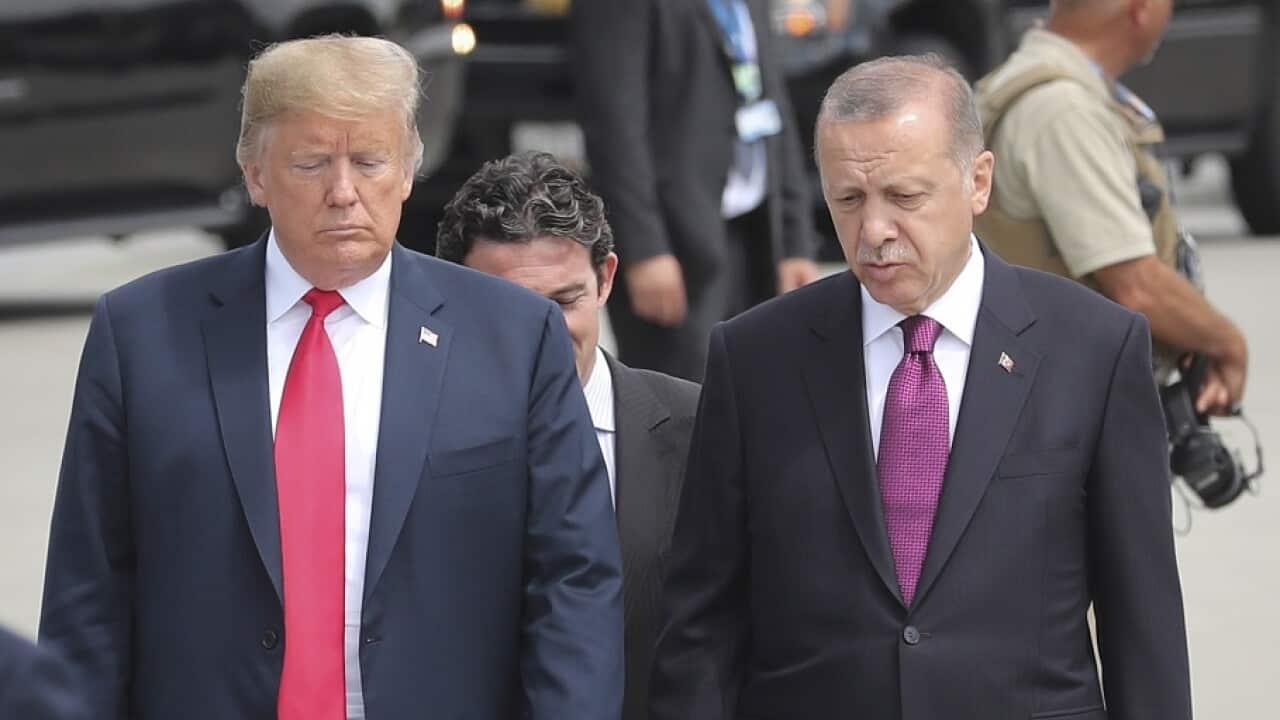
Turkey's battered lira has weakened three per cent after a Turkish court rejected an American pastor's appeal for release, drawing a stiff rebuke from President Donald Trump, who said the United States would not take the detention "sitting down".
The case of Andrew Brunson, an evangelical Christian missionary from North Carolina who has lived in Turkey for two decades, has become a flashpoint between Washington and Ankara and accelerated a widening currency crisis.
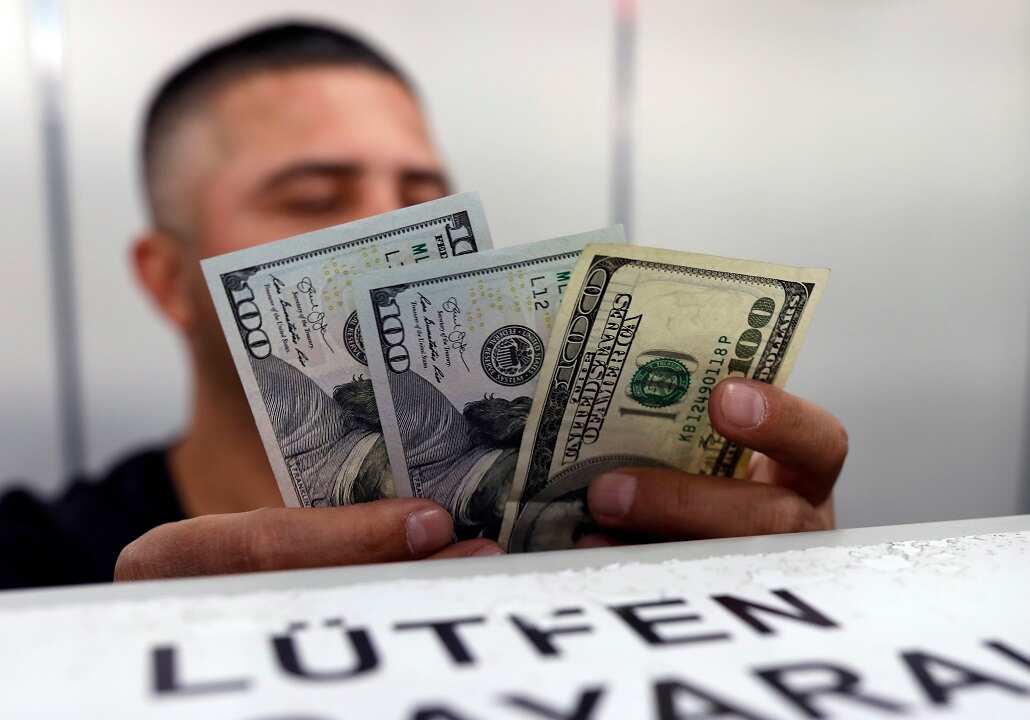
The lira has lost nearly 40 per cent of its value against the dollar this year as investors fret about President Tayyip Erdogan's influence over monetary policy.
Heavy selling in recent weeks has spread to other emerging market currencies and global stocks and deepened concerns about the economy, particularly Turkey's dependence on energy imports and whether foreign-currency debt poses a risk to banks.
"They should have given him back a long time ago, and Turkey has in my opinion acted very, very badly," Trump told reporters at the White House, referring to Brunson.
"So, we haven't seen the last of that. We are not going to take it sitting down. They can't take our people."
Trump's comments came after a court in Izmir province rejected an appeal to release Brunson from house arrest, saying evidence was still being collected and the pastor posed a flight risk, according to a copy of the court ruling seen by Reuters.
Brunson is being held on terrorism charges, which he denies. Trump, who counts evangelical Christians among his core supporters, has increasingly championed the pastor's case.
It was not immediately clear what additional measures, if any, Trump could be considering. US Treasury Secretary Steven Mnuchin told Trump on Thursday that more sanctions were ready if Brunson were not freed.
'United'
US sanctions and the declining lira created panic in the markets but on the streets, many Turks appeared to support the government's retaliatory measures.
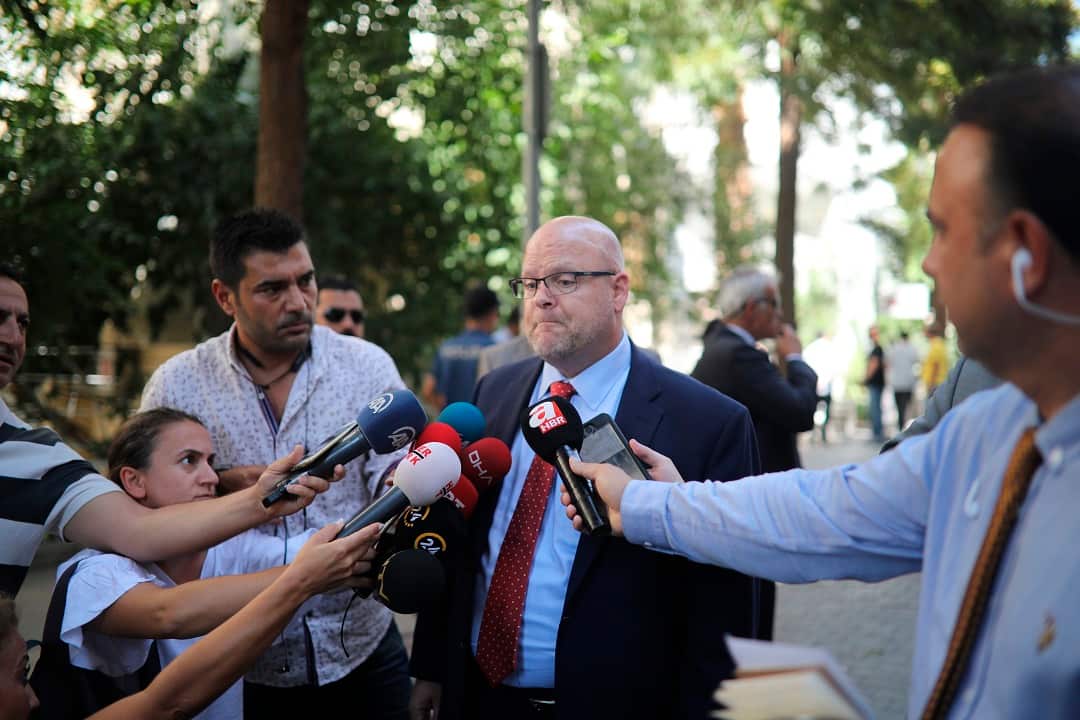
Muharrem Bozkurt sounded upbeat despite the lira crisis.
"As we are a country where patriotic sentiments are high, no matter how much the dollar increases, we will get over this," he told AFP.
Others agreed.
"American sanctions will have no effect on us as long as we remain united," said another man, Ibrahim Aktar.
Can Buyuker, who works in an exchange bureau in a busy Istanbul neighbourhood, said both Trump and Erdogan were playing up to nationalist voters.
"Both men are seeking to increase their votes by creating an enemy. That's politics," he said.
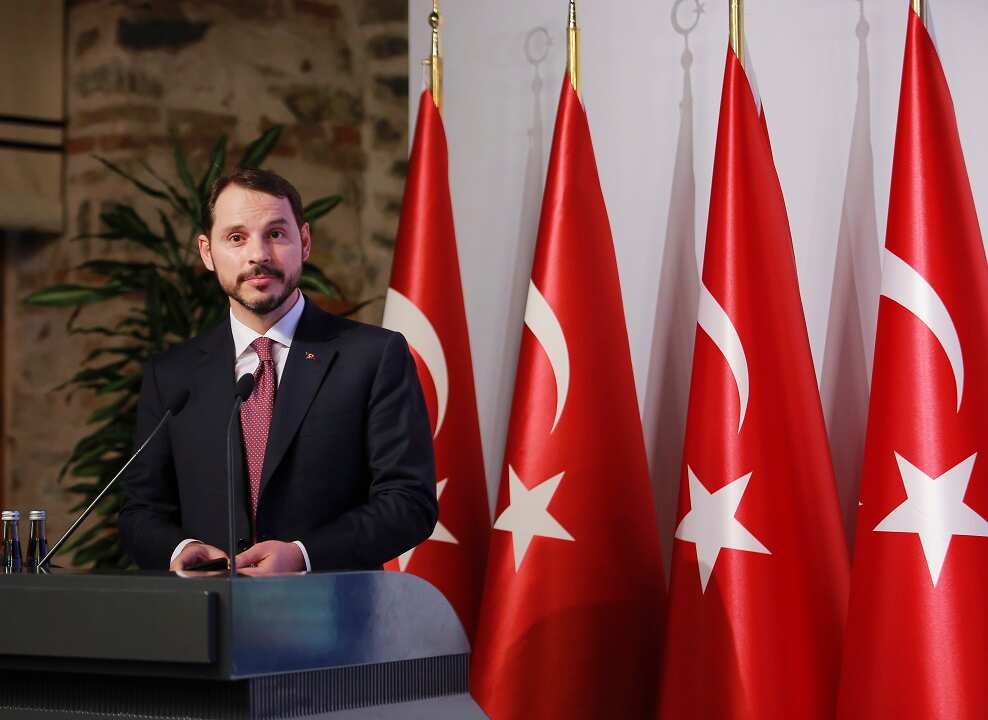
The latest US announcement came after Turkish Finance Minister Berat Albayrak tried to soothe the markets during an unprecedented conference call with hundreds of foreign investors, insisting Turkey would emerge "stronger" from the currency crisis and would not need an IMF bailout.
'Moderately convincing'
William Jackson, chief emerging markets economist at London-based Capital Economics said in a note that Albayrak gave a "moderately convincing performance".
But he suggested Turkish "policymakers only really seem to have done the minimum needed."
The Fitch rating agency described Turkey's policy response to the lira's depreciation as "incomplete" and "unlikely on its own to sustainably stabilise the currency and the economy".
That would require "an increase in the policy credibility and independence of the central bank, tolerance of weaker growth by policymakers, and a reduction in macroeconomic and financial imbalances," Fitch said in a statement Friday.
Analysts say a sharp hike in interest rates is needed to stop the declining value of lira, but Ankara is opposed to any rate hike which would likely undercut growth.
Erdogan has remained defiant in the face of the crisis with Washington, saying Turkey could turn to new alternative markets.
Despite its economic woes, Turkey did this week find support from friendly Qatar, which promised to make a $15 billion direct investment in the country.
Erdogan has also held talks with the German and French leaders, a sign that Ankara is moving closer to Europe after several years of sharp tensions.
There have notably been unexpected moves in key legal cases that have been bones of contention with the EU, although Ankara always insists its judiciary operates independently of politics.
An Istanbul court on Wednesday allowed the release of Amnesty International's Turkey chair Taner Kilic, who spent more than a year in jail over alleged links to a 2016 coup bid.
The previous day two Greek soldiers held by Turkey since March for illegally crossing the border were also freed in a move warmly welcomed by Athens.