
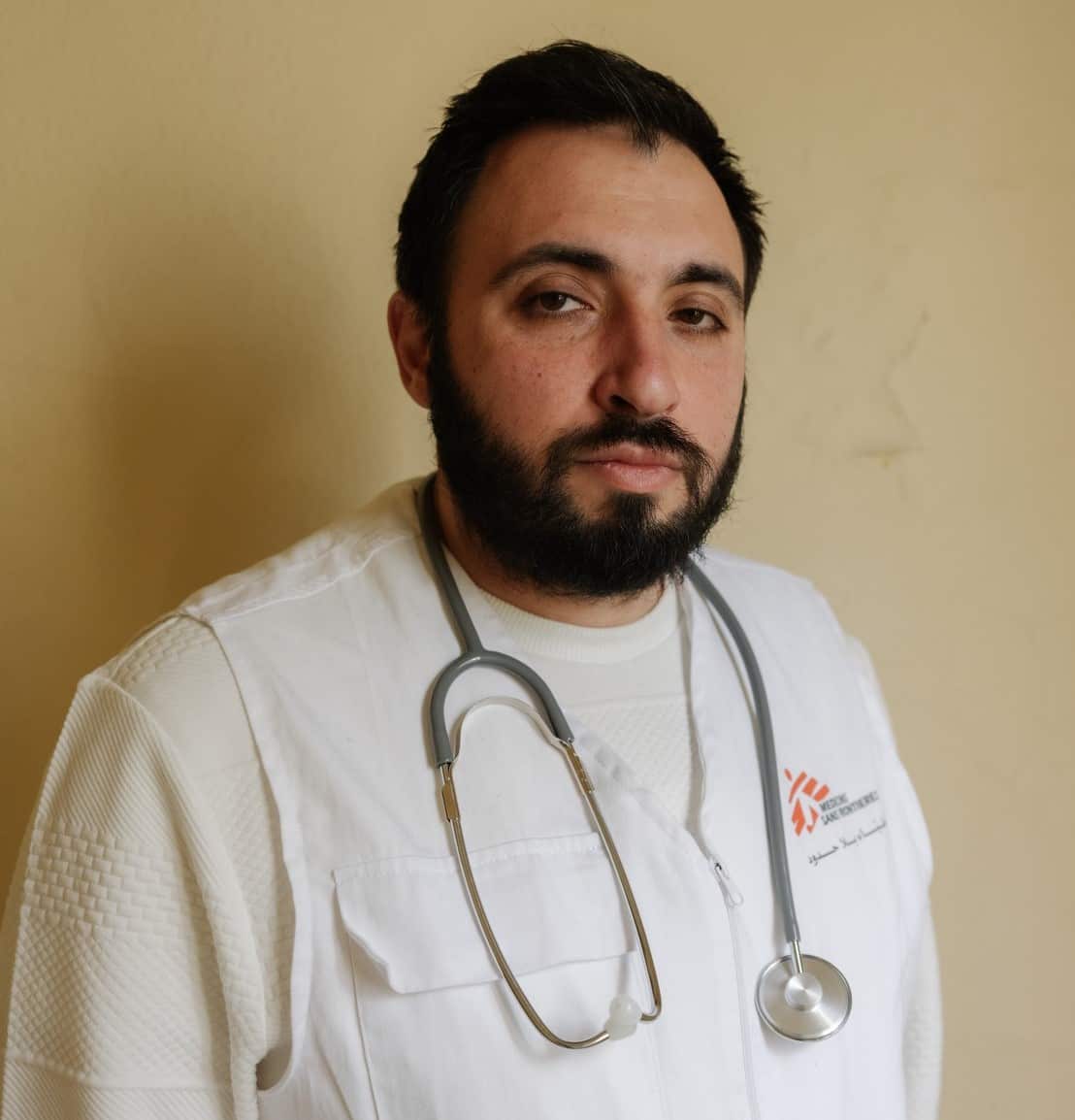
Hassan Harissi leaves his children at home each day to work at a clinic in southern Lebanon, knowing every mission could bring life — or tragedy.
A paediatrician working with Doctors Without Borders, Harissi has been stationed at a mobile clinic since January. Every day, he moves through neighbourhoods damaged or destroyed by airstrikes, caring for patients while fearing for the safety of his own family.
After an Israeli strike hit close to where his wife and children were staying, they were forced to flee, becoming displaced for a second time after leaving their home in Lebanon's southern suburbs in September 2024.
"Many of us are working while displaced ourselves, having left our homes and families with little notice," Harissi tells SBS News.
The latest escalation between Israel and the Iran-backed militant group Hezbollah has plunged large parts of Lebanon into sustained conflict, with daily airstrikes and evacuation orders reshaping civilian life.
News that makes sense
Your trusted source for staying up-to-date with the world around you. Get free daily news updates and analysis, straight to your inbox.
Since early March, the strikes have intensified across southern Lebanon and Beirut's southern suburbs, killing more than 1,000 people, according to the Lebanese health ministry, and forcing nearly 1.3 million people from their homes.
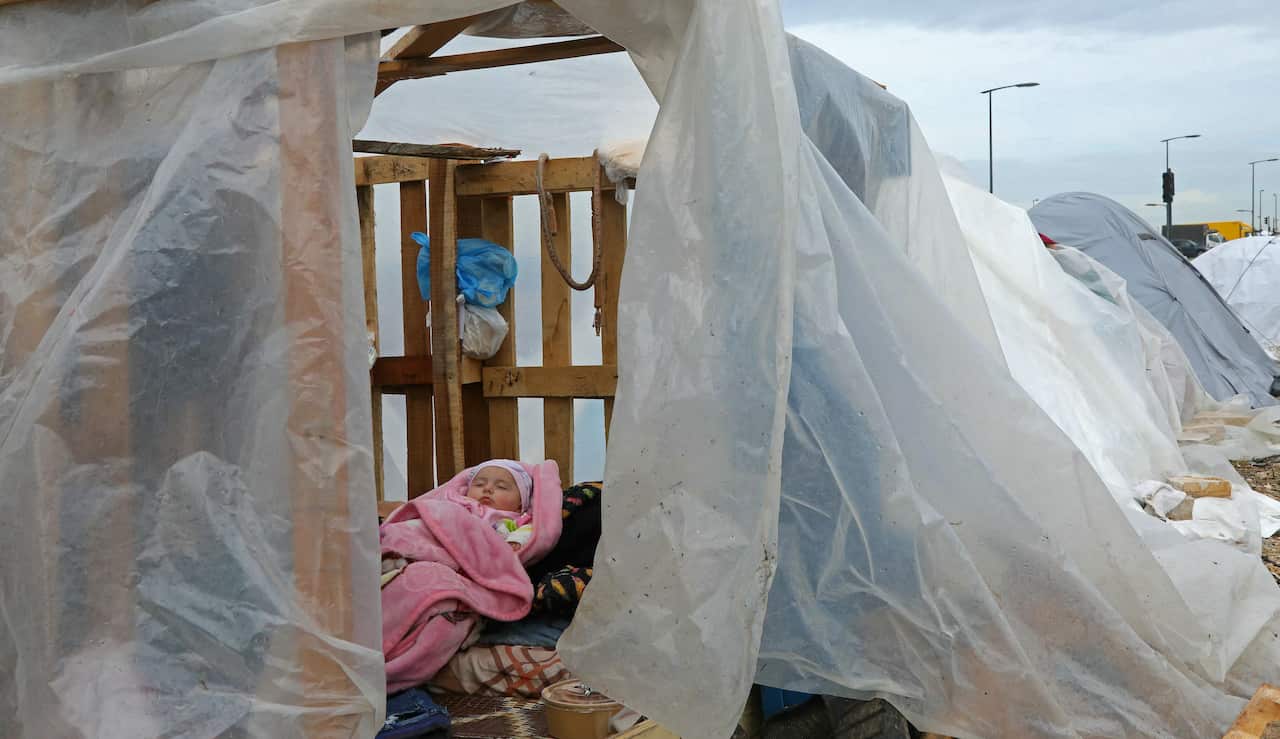
Evacuation orders from the Israel Defense Forces (IDF) have covered large swathes of territory, creating a humanitarian crisis compounded by damaged infrastructure and overwhelmed services.
"Some colleagues are treating patients all day while not knowing whether their own home is still standing, or whether family members are in danger," Harissi says.
The strain extends beyond the emotional. Delivering care itself has become dangerous.
"Israeli airstrikes, especially ones targeting civilian infrastructure such as roads and bridges, make movement unsafe or more complex, limiting our ability to reach people, run activities consistently, or transport supplies," Harissi says.
Nine paramedics were killed on Saturday (local time), according to the World Health Organization (WHO), taking the number of health workers killed in March to 51.
It said the nine paramedics were killed while they were working in five Lebanese villages. It did not say who was responsible for the deaths.
"March has been the second most deadly month for health workers in Lebanon since WHO started monitoring attacks on health care in the country in October 2023," WHO director-general Tedros Adhanom Ghebreyesus said on Sunday on X.
"Health workers are protected under international humanitarian law and should never be targeted."
The conflict has also disrupted Lebanon's already fragile healthcare system. According to the WHO, as of late March, five hospitals and 49 primary healthcare centres have shut down following the strikes and IDF's evacuation orders, leaving communities with severely reduced access to care.
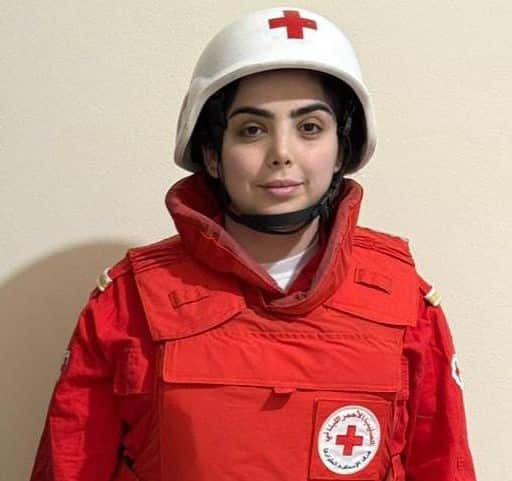
While every journey to a patient carries risk, Eliane Abou-Mrad says she embraced that danger as part and parcel of a life she chose years ago.
In 2013, she decided to volunteer as a paramedic with the Lebanese Red Cross. Inspired by her parents, who were also paramedics, she saw it as a calling grounded in service.
"These are our values. How beautiful it is to give someone something without expecting anything in return? The only thing you would want in return is blessings," she tells SBS News.
But the war has reshaped what that service looks like.
"Before the war, I worked all day, and at night it was for my family. But now, during the war, I am in the centre 24 hours a day. All day we're just waiting for a mission for us to go out to," she says.
When those calls come, they are often devastating.
"There are so many children becoming casualties. It's a good feeling [working as a paramedic], but on the other hand, maybe it's not fear, but there's a lot of anxiety. A single incident can change everything," she says.
And like Harissi, she says the fear does not end when the shift does.
"You're always anxious over your family, anxious over where we're going next. Sometimes you're feeling at ease. Sometimes you're not feeling at ease."
Fear and duty in Lebanon's' red zone'
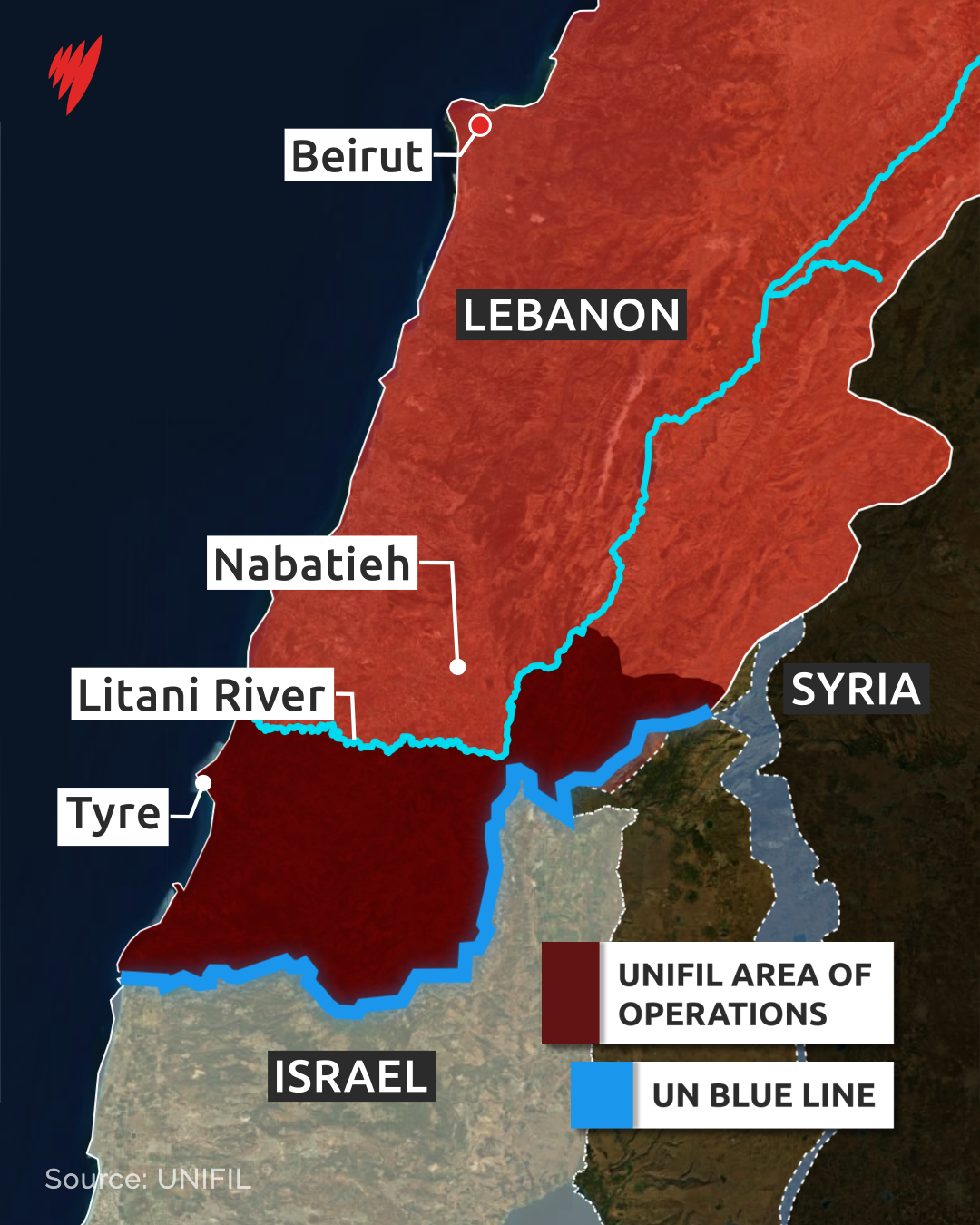
Abou-Mrad says medical teams operating near the southern Lebanese border with Israel face constant danger and bureaucratic barriers.
To work in the so-called 'red zone' — areas under the United Nations Interim Force in Lebanon (UNIFIL) — paramedics and doctors must secure clearances from the IDF through UNIFIL coordination.
Sometimes those clearances never come.
"It's such an ugly feeling knowing there are people you cannot help," Abou-Mrad says.
"When I put myself in their position, I think, is there no-one who can help me?"
With IDF evacuation orders now covering nearly 14 per cent of Lebanon, according to the Norwegian Refugee Council, humanitarian agencies say many families are effectively trapped.
Some cannot leave due to socioeconomic or medical vulnerabilities, including disability, while others choose to remain, unwilling to leave their homes, land and communities.
Dr Luna Hammad, a medical coordinator with Doctors Without Borders, says the burden often falls on medical staff.
"Hospital staff in Nabatieh [a city in south Lebanon], who decided to continue working there, have no choice but to shelter inside the hospital," she tells SBS News
"They have been enduring this for weeks, with very little rest, carrying the weight of constant pressure and fear while hospitals continue to receive mass casualty events."
The danger is very real.
On 9 March, two paramedics responded to a call in Tyre, in the 'red zone', after an airstrike in Majdal Zoun. Among them was Youssef Assaf, a Lebanese Red Cross ambulance volunteer.
While helping evacuate the wounded, Assaf sustained critical injuries when a strike hit the area. He later succumbed to his wounds.
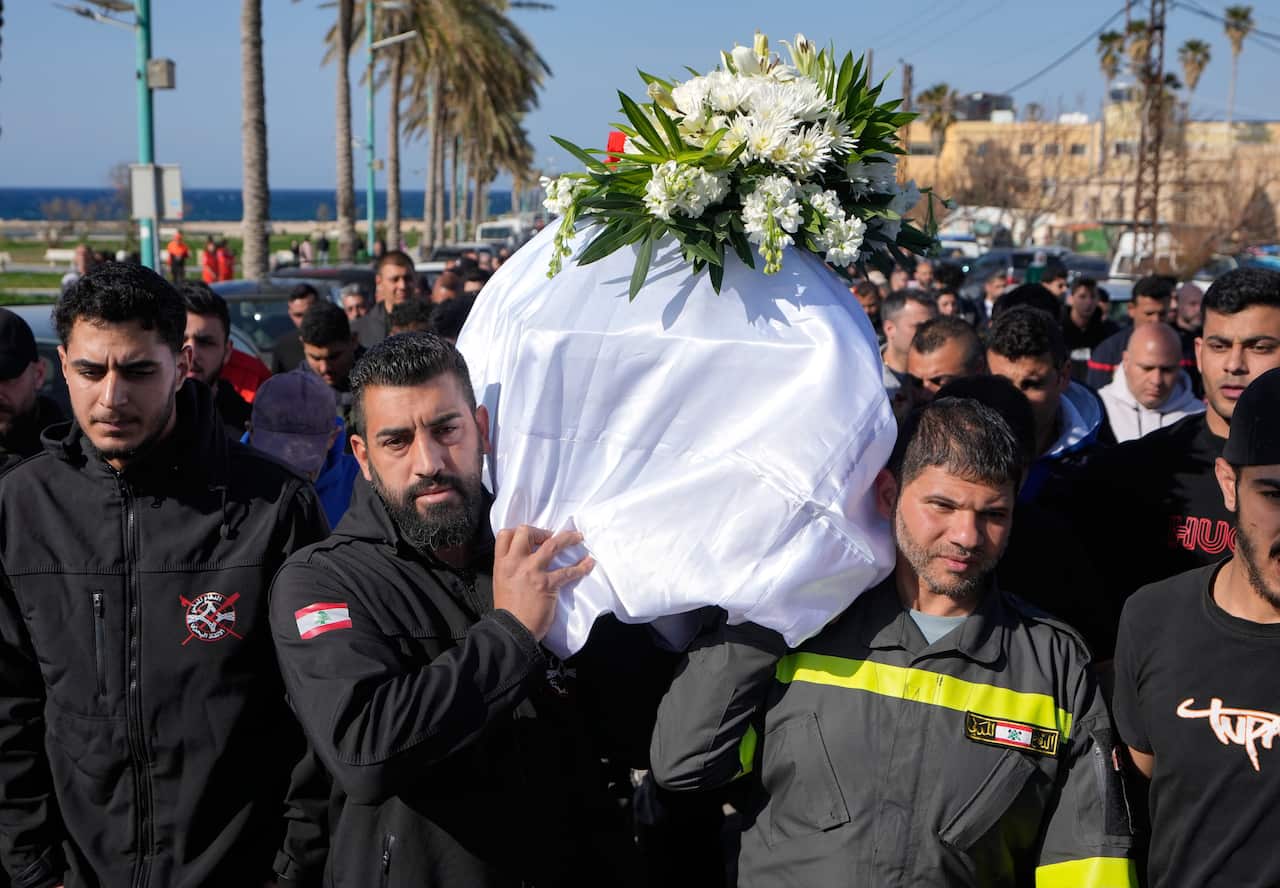
While the Lebanese Red Cross did not attribute responsibility, the health ministry said it was an Israeli airstrike that hit their ambulance.
Kristine Beckerle, deputy regional director for the Middle East and North Africa at Amnesty International, said medical workers and hospitals are protected under international law and deliberately targeting them could constitute a war crime.
"Israel is deploying the same deadly playbook it used in 2024 in Lebanon to kill dozens of health workers and devastate healthcare services," she said last week.
Amid the destruction and loss, medical staff continue their work.
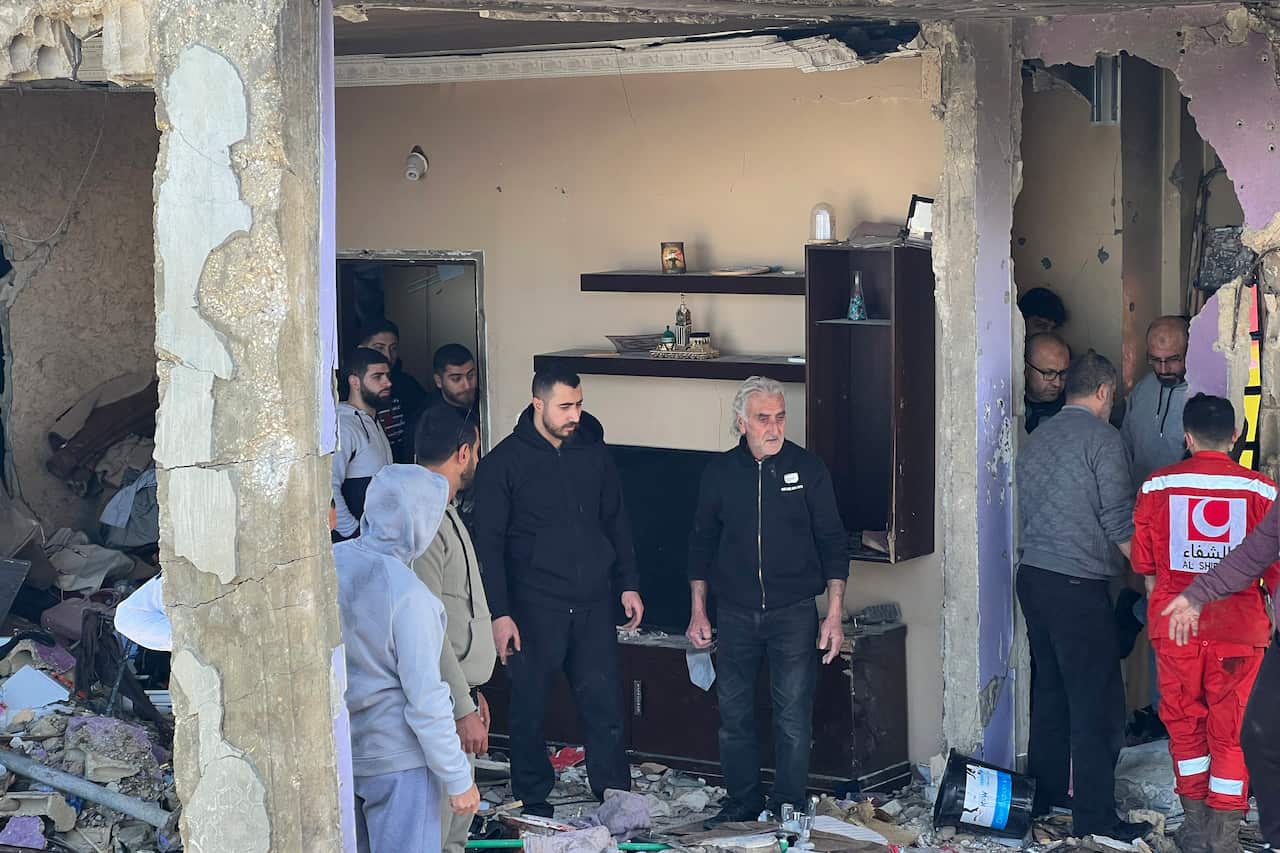
"At the end of the day, you're helping people that are hurting," Abou-Mrad says.
"There are times when you really get affected, especially when people around you are really injured and crying. We're all human and we have emotions. It's very difficult but you have to stay strong in front of them and for them.
"But there are times when you say, where am I supposed to start? Where am I supposed to be besides right now? There are times that do not leave your mind, ever."
Georges Kettaneh, secretary-general of the Lebanese Red Cross, says, as of 19 March, more than 292,000 families have been displaced across Lebanon.
"It's not only about internally displaced people, and the host community. We have also the Syrian refugees here. We have the Palestinians," he tells SBS News, speaking from his office in Beirut.
"What about the protection of the medical staff, of the volunteers of the Red Cross and Red Crescent, of the hospitals and others?"
Kettaneh first began volunteering as a paramedic when he was a teenager, shaping his perspective on how the profession has evolved over four decades.
"I started as a volunteer. I was 14 years old, I was a paramedic. It's become a lot more difficult. We have had to be more prepared because there's so much more responsibility now, a lot of trust in the community, locally and nationally, but there's also so much more need for protection from danger."
Beyond the scale of displacement, Kettaneh emphasises the compounding humanitarian pressures, not only on those forced to flee, but also on the systems and people trying to support them.
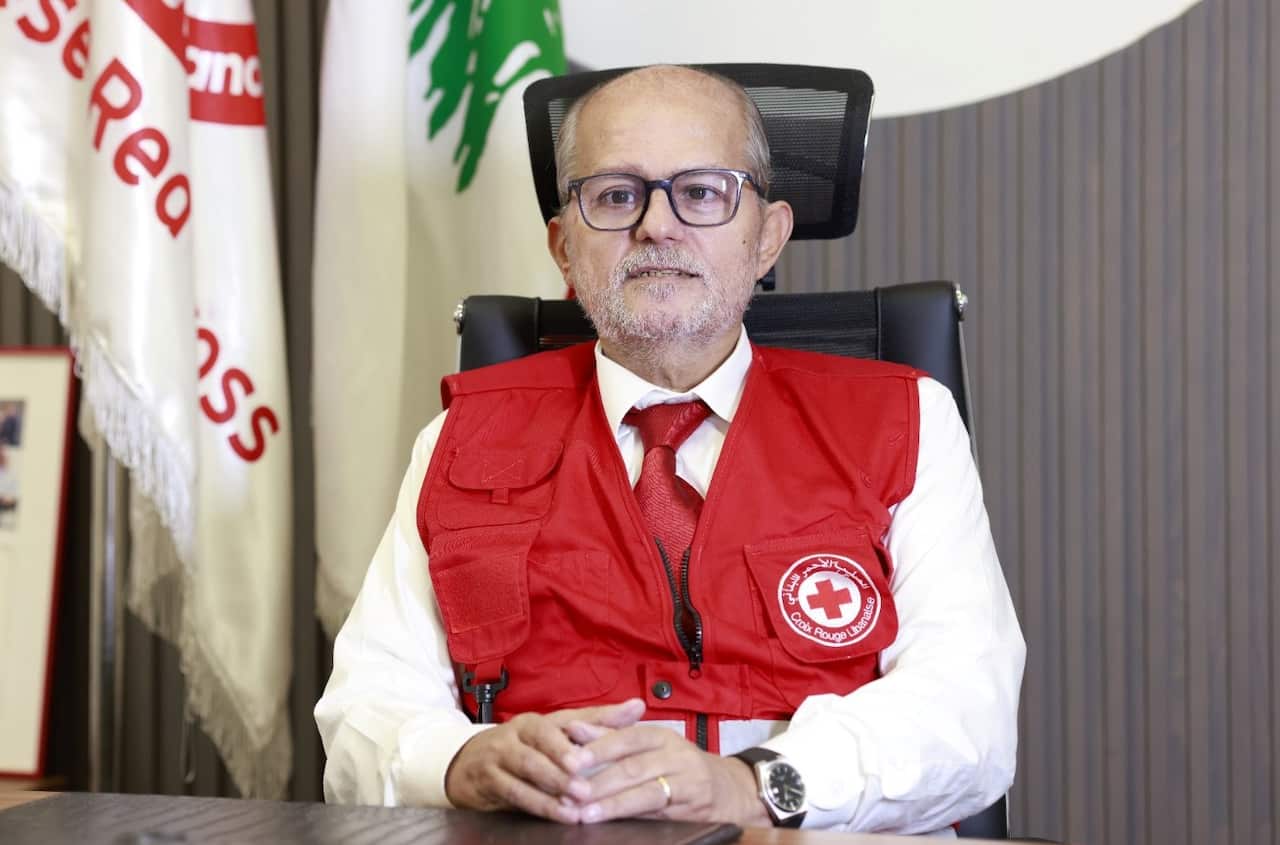
Kettaneh's tone shifts as he describes the most difficult part of his job: losing volunteers.
"When I lose young volunteers who are taking a risk to save lives and they have their families and their parents, and we are losing them, I think of their children," he says.
'The Gaza policy'
As the conflict escalates, questions are growing over the protection of healthcare facilities and workers under international law.
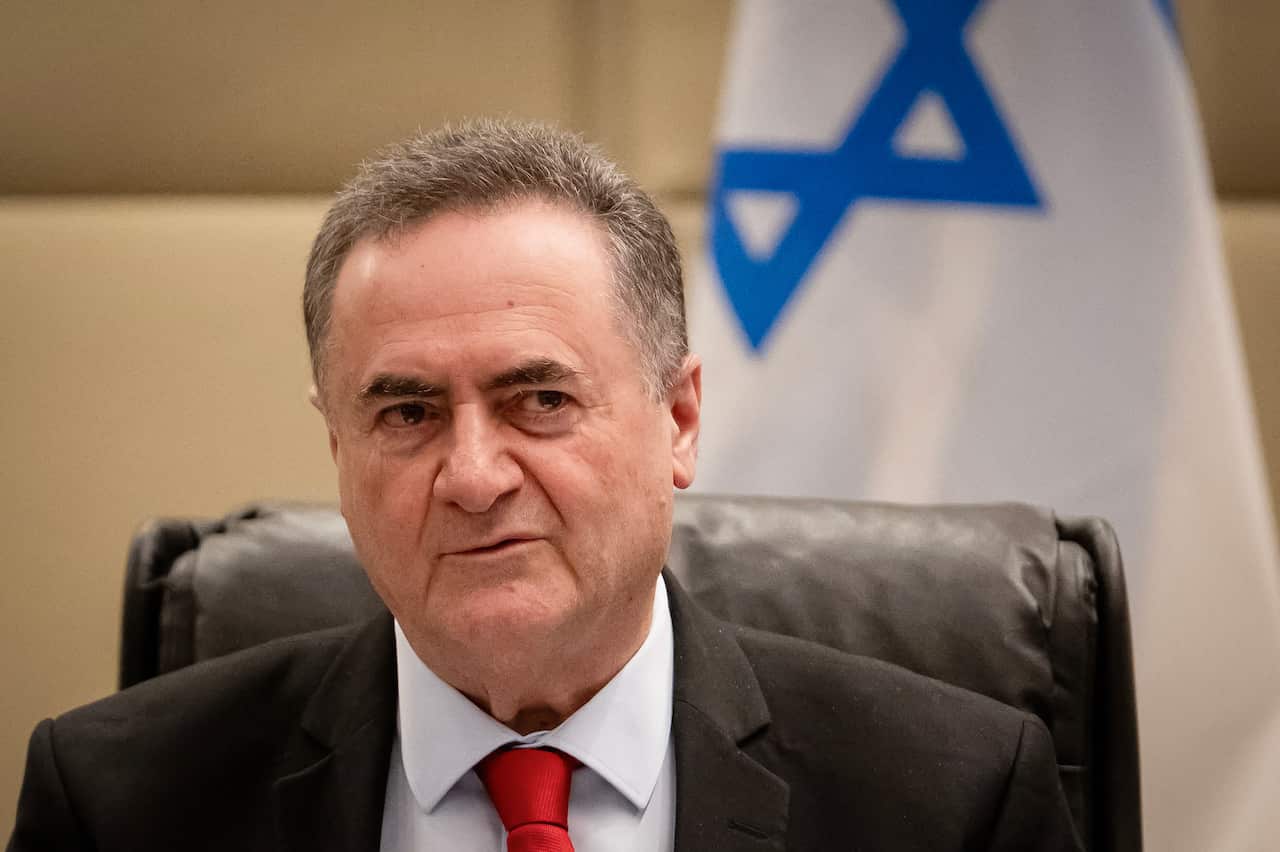
Earlier this week, Israeli defence minister Israel Katz announced plans for his country's military to take control of a "security zone" in southern Lebanon, from the Israeli border to the Litani River.
The plan mirrors Israel's strategy in Rafah and Beit Hanoun — two cities in Gaza razed to the ground by Israeli airstrikes, which remain under Israeli military control.
Israel has said its military operations are aimed at countering Hezbollah and securing its northern border. Some analysts have raised concerns about the impact of such strategies on civilian infrastructure and healthcare systems.
Srinjoy Bose, associate professor of international relations at the University of NSW, says healthcare facilities in Lebanon are being targeted as an extension of the "Gaza policy".
"Why commit medicide? It is to systematically degrade the infrastructure that supports life. It is a part and parcel of the broader crime of genocide. If you take away that, it helps realise the broader ambition of extinguishing life," he tells SBS News.
The term 'medicide' appeared in a statement by United Nations Special Rapporteurs Tlaleng Mofokeng and Francesca Albanese in August last year, describing the deliberate targeting of healthcare workers and systems in Gaza.
Earlier this month, Israeli ministry spokesperson Avichay Adraee said in a statement on X that ambulances and medical facilities were being used by Hezbollah for military purposes.
The Israeli army made the same accusation in 2024, but it has not provided any evidence for its claims. The Lebanese health ministry, meanwhile, has denied the accusation, calling it an attempt to provide "justification for war crimes".
"If that was true, they could make a case for targeting that infrastructure," Bose says.
"But, and I must make this clear, there is no evidence to show that Hezbollah is using medical infrastructure as a cover for their activities."
Bose warns that the "normalisation of violations" of international law could have far-reaching consequences beyond the current conflict.
"If the world is incapable or unwilling to enforce compliance [with international law], it will also lead to an erosion of public trust in healthcare facilities, as being safe spaces for vulnerable groups and peoples seeking protection and care."
Despite the risks, displacement, and ongoing conflict, the sense of duty remains strong for those on the ground.
"Lebanon is my country," Abou-Mrad says.
Lebanon is everything. I can't be away from it. I won't leave it, I won't neglect it. It's impossible.
"I love working in this role, despite the war and displacement and everything. We're continuing."
For the latest from SBS News, download our app and subscribe to our newsletter.







