In brief
- Sources have confirmed Iran is in contact with the US and has received a peace proposal.
- The US' terms include removing Iran's stocks of highly enriched uranium and ending funding for regional allies, like Hezbollah.
Iranian officials are reviewing a United States proposal to end the war in the Middle East, but Iran's foreign minister says it has no intention to hold talks with the US.
The 15-point proposal, sent through Pakistan, calls for removing Iran's stocks of highly enriched uranium, halting enrichment, curbing its ballistic missile program and cutting off funding for regional allies, according to three Israeli cabinet sources familiar with the plan.
Iranian foreign minister Abbas Araghchi said Iran has no intention of holding talks with the US, saying communication with the US through third parties "does not mean negotiation with the US" is taking place.
Iran has submitted its own five-point plan calling for an end to the fighting, no further assassinations of its officials, a guarantee that no other war is started against it, reparations for the current conflict, and Iranian control over the Strait of Hormuz.
Pakistani security officials said they were awaiting a formal reply from Iran and Tehran had delayed its response.
News that makes sense
Your trusted source for staying up-to-date with the world around you. Get free daily news updates and analysis, straight to your inbox.
A second Pakistani source said: "The Iranians told us they will get back to us tonight. The media is reporting they've said no. But we have not received any official confirmation from Iran. So we are just waiting. They are all underground and communication is big challenge."
A senior ruling party official in Türkiye, Harun Armagan, told Reuters that the country was also "playing a role in passing messages" between Iran and the US.
The White House has declined to disclose specifics of its proposal and threatened to escalate its strikes.
"If they fail to understand that they have been defeated militarily, and will continue to be, President Trump will ensure they are hit harder than they have ever been hit before," White House press secretary Karoline Leavitt told reporters.
The 15-point plan
Reports of the peace plan have helped ease uncertainty in global markets, with investors hoping for an end to a war that has killed thousands of people and disrupted international energy supplies.
But it could be some time before official talks between the Gulf states and the US take place.
Three Israeli cabinet sources said Prime Minister Benjamin Netanyahu's security cabinet had been briefed on the US proposal.
A senior Israeli defence official said Israel was sceptical Iran would agree to the terms, and that Israel was concerned that US negotiators might make concessions in any talks.
Iran has told intermediaries that Lebanon must be included in any ceasefire agreement with the United States and Israel, six regional sources familiar with Iran's position said, linking an end of the war to a halt to Israel's offensive against Hezbollah.
The Pentagon is meanwhile planning to send thousands of airborne troops to the Gulf to give Trump more options to order a ground assault, sources have told Reuters, adding to two contingents of Marines already on their way.
The first Marine Expeditionary Unit aboard a huge amphibious assault ship could arrive around the end of the month.
'Business as usual'
Pakistan has offered to host talks attended by senior US officials as soon as this week, as fighting continues across the region.
An Israeli military official, asked whether Israel had adjusted its military plans since Trump said talks were underway, said it was "pretty much business as usual".
The Israeli military described several new waves of attacks on Iran during the day, including one on Iran's construction of ships and submarines.
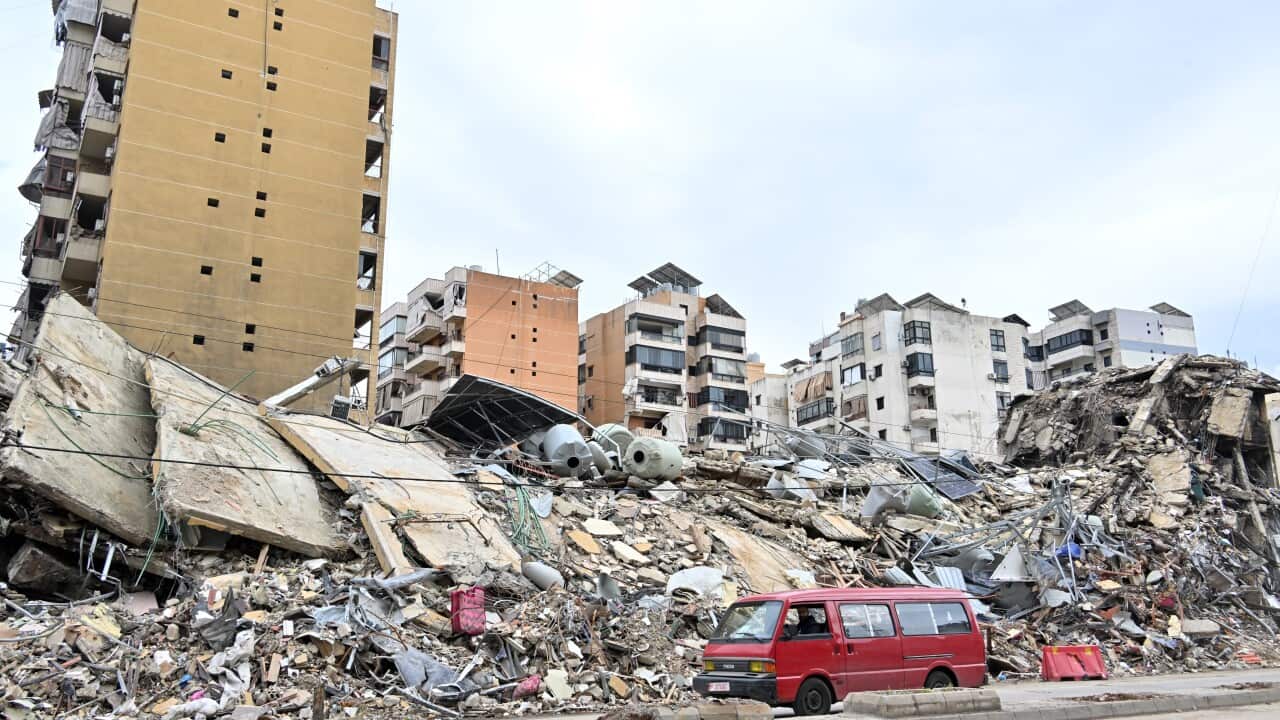
Iran's SNN news agency said a residential area was hit in Tehran, with rescuers searching the rubble.
Kuwait and Saudi Arabia said they had repelled new drone attacks.
Iran's Revolutionary Guard said it had launched new attacks against Israel and US bases in Kuwait, Jordan and Bahrain.
For the latest from SBS News, download our app and subscribe to our newsletter.







