
In Brief
- As Israel continues to strike Lebanon, it says its military will seize a security zone in the country's south.
- Donald Trump says the US is making progress in peace negotiations, while Iran denies any talks have taken place.
US President Donald Trump said on Tuesday that the US was making progress in negotiations with Iran, including winning an important concession from the Islamic Republic.
Trump told reporters at the White House the US was talking to "the right people" in Iran in order to reach a deal to end hostilities, adding the Iranians wanted to reach a deal very badly.
"We're in negotiations right now," he said.
Iran has denied that direct talks have taken place. Iran's powerful parliament speaker Mohammad Baqer Qalibaf dismissed such reports as "fake news" after Trump's initial comments.
News that makes sense
Your trusted source for staying up-to-date with the world around you. Get free daily news updates and analysis, straight to your inbox.
What do we know about Trump's 15-point plan for Iran?
The New York Times reported on Tuesday that the US had sent Iran a 15-point plan to end the war in the Middle East. Information on the contents of the plan were not immediately made public, though Trump himself did confirm that he had sent a plan and that it "all starts with, they cannot have a nuclear weapon."
The New York Times, quoting unnamed officials, said that the United States had sent the 15-point plan to Iran through Pakistan.
Israel's Channel 12, quoting three sources, said the US was seeking a month-long ceasefire to discuss the 15-point plan.
Channel 12 said that Trump was proposing a one-month ceasefire during which the sides would discuss a proposal that would include handing over Iran's enriched uranium and banning further enrichment.
Iran would also ensure safe passage through the Strait of Hormuz.
Iran in turn would see an end to all sanctions, which have been in place in various forms for years, the Israeli report said.
Israel says it will seize nearly a 10th of Lebanon
Israel has announced its military will take control of south Lebanon up to the Litani River, around 30km from the border, as deadly strikes pounded the country — spelling out for the first time Israel's intent to seize territory amounting to nearly a 10th of the country.
In the latest unprecedented step by Lebanese authorities since a new war erupted between Israel and Iran-backed Lebanese group Hezbollah, Lebanon's foreign ministry declared the Iranian ambassador persona non grata, giving him until Sunday to leave the country.
Hezbollah strongly objected to the move, calling on the government to reverse it.
Iranian flights have been banned from landing in Lebanon, out of fear that they would carry weapons or funding for Hezbollah, and some top Lebanese government officials have accused Iran of dragging Lebanon into another war with Israel.
Lebanon was pulled into the crisis when Hezbollah began firing rockets into Israel on 2 March to avenge the killing of Iran's supreme leader, Ayatollah Ali Khamenei.
Israel has since launched strikes across Lebanon, killing at least 1,072 people, according to the Lebanese health ministry, and displacing more than a million others in more than three weeks of fighting.
It has also sent ground troops into the country's south.
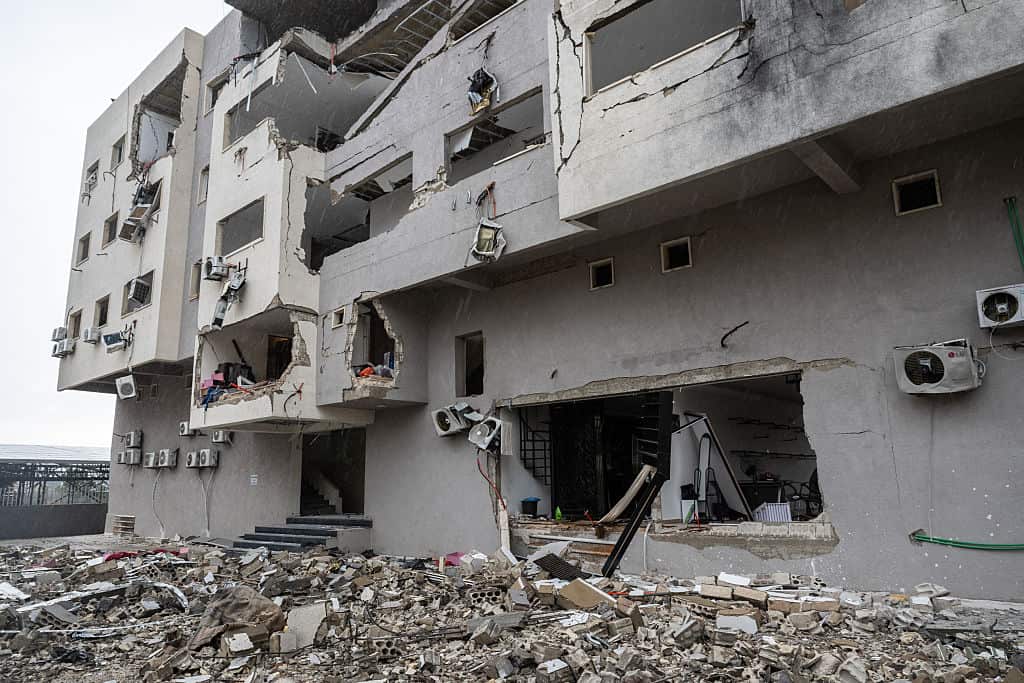
Israel kept up strikes across Lebanon on Tuesday, with the state-run National News Agency reporting attacks in the country's south and east, as well as near Beirut, after a night of bombardment on the capital's southern suburbs.
The Israeli military said that overnight its forces "struck Hezbollah terrorist infrastructure in Beirut and in additional areas in Lebanon".
Lebanon's health ministry said three people were killed in Beirut, including a three-year-old girl, and reported five others killed in Israeli strikes in south Lebanon.
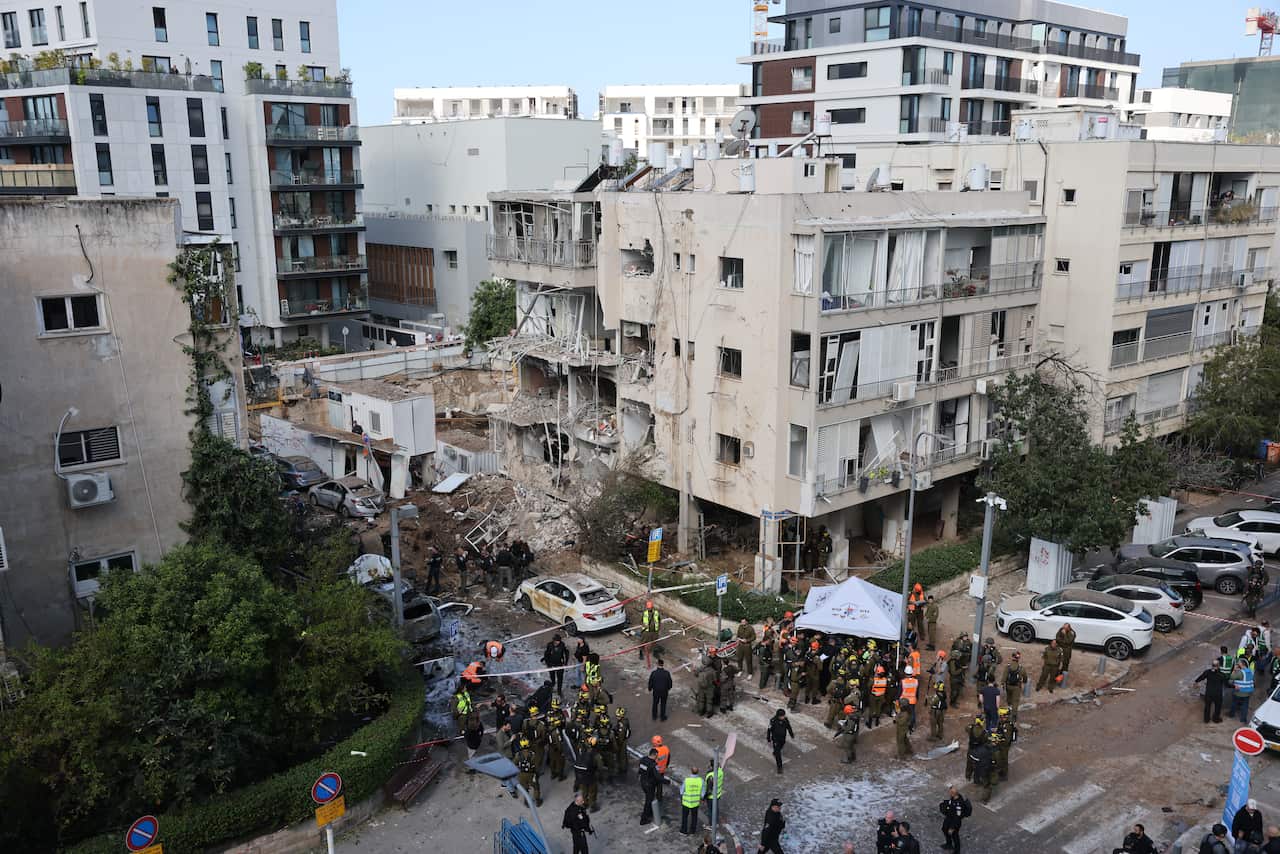
Airstrikes have also battered Iran, while Iranian missiles and drones have targeted Israel and sites across the Middle East, even as United States President Donald Trump said the US was in talks with Iran to end the war.
Trump touts 'big present' from Iran
Trump told reporters at the White House that Iran had made a valuable concession related to non-nuclear energy and the Strait of Hormuz, although he did not elaborate.
Iran has told the United Nations Security Council and the International Maritime Organization that "non-hostile vessels" may transit the Strait of Hormuz if they coordinate with Iranian authorities, according to a note seen by Reuters on Tuesday.
Iran has effectively shut the waterway, where 20 per cent of the world's oil normally transits, since the US and Israel launched attacks four weeks ago, creating the worst energy supply shock in history and sending fuel prices soaring.
"It was a very big present, worth a tremendous amount of money," Trump said in his comments on Iran, adding: "It was a very nice thing they did."
More US soldiers head to Middle East
But US, Israeli and Iranian strikes continued and sources said the US was preparing to send more troops to the region.
Two people familiar with the matter told Reuters on Tuesday that the US was expected to send thousands of soldiers to the Middle East.
The forces will add to the 50,000 US troops already in the region and accelerate the US' massive military buildup there, fuelling fears of a longer conflict.
Trump has said he has no plans to send ground forces into Iran but has not ruled it out. Israel has suggested its ground forces could participate in the war.
Pakistan's prime minister said on Tuesday that he was willing to host talks between the US and Iran on ending the war, a day after Trump postponed threats to bomb Iranian power plants, saying there had been "productive" talks.
In a post on X, Shehbaz Sharif said Pakistan fully supported ongoing efforts to pursue dialogue and was ready to host "meaningful and conclusive talks for a comprehensive settlement."
A Pakistani government source said discussions on a meeting were at an advanced stage and if it did happen, there was "a big 'if'" over whether it would take place within a week.
Pakistan has long-standing ties to the government of neighbouring Iran, and it has been building a relationship with Trump.
The US and Israel launched strikes on Iran on 28 February after saying they had failed to make enough headway in talks aimed at ending Iran's nuclear program, although mediator Oman said significant progress had been made.
Iran's death toll has surpassed 1,500, its health ministry has said.
In Israel, 16 people have been killed. At least 13 US military members have been killed, along with more than a dozen civilians in the occupied West Bank and Gulf Arab states.
For the latest from SBS News, download our app and subscribe to our newsletter.







