In brief
- Donald Trump has cancelled his envoys' weekend visit to the Pakistani capital.
- Iran's foreign minister Abbas Araghchi says he has yet to see if US is "truly serious about diplomacy".
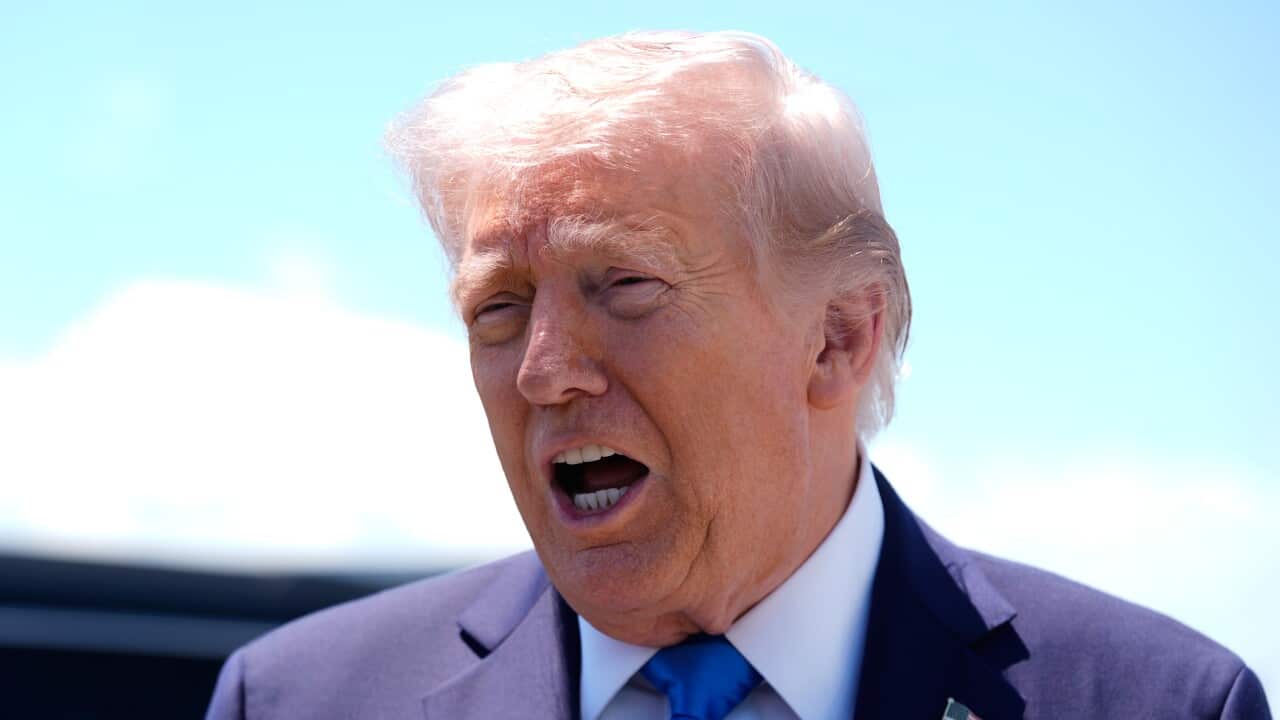
US President Donald Trump cancelled his envoys' trip to Pakistan for peace talks with Iran overnight, saying there was no point "sitting around talking about nothing" but adding the war would not immediately resume.
Trump said he scrapped the visit after being unimpressed with Tehran's negotiating position, adding that a revised proposal followed within minutes of his decision.
"They gave us a paper that should have been better and — interestingly — immediately, when I cancelled it, within 10 minutes, we got a new paper that was much better," he told reporters, without elaborating.
The White House had said Trump's son-in-law Jared Kushner and special envoy Steve Witkoff were heading to Pakistan for talks with Iran aimed at moving "towards a deal" but Trump told Fox News he had scrapped the trip.
News that makes sense
Your trusted source for staying up-to-date with the world around you. Get free daily news updates and analysis, straight to your inbox.
"We have all the cards. They can call us anytime they want, but you're not going to be making any more 18-hour flights to sit around talking about nothing," the president said he had told his team.
Asked separately whether the cancellation meant a return to hostilities, Trump said: "No, it doesn't mean that. We haven't thought about it yet."
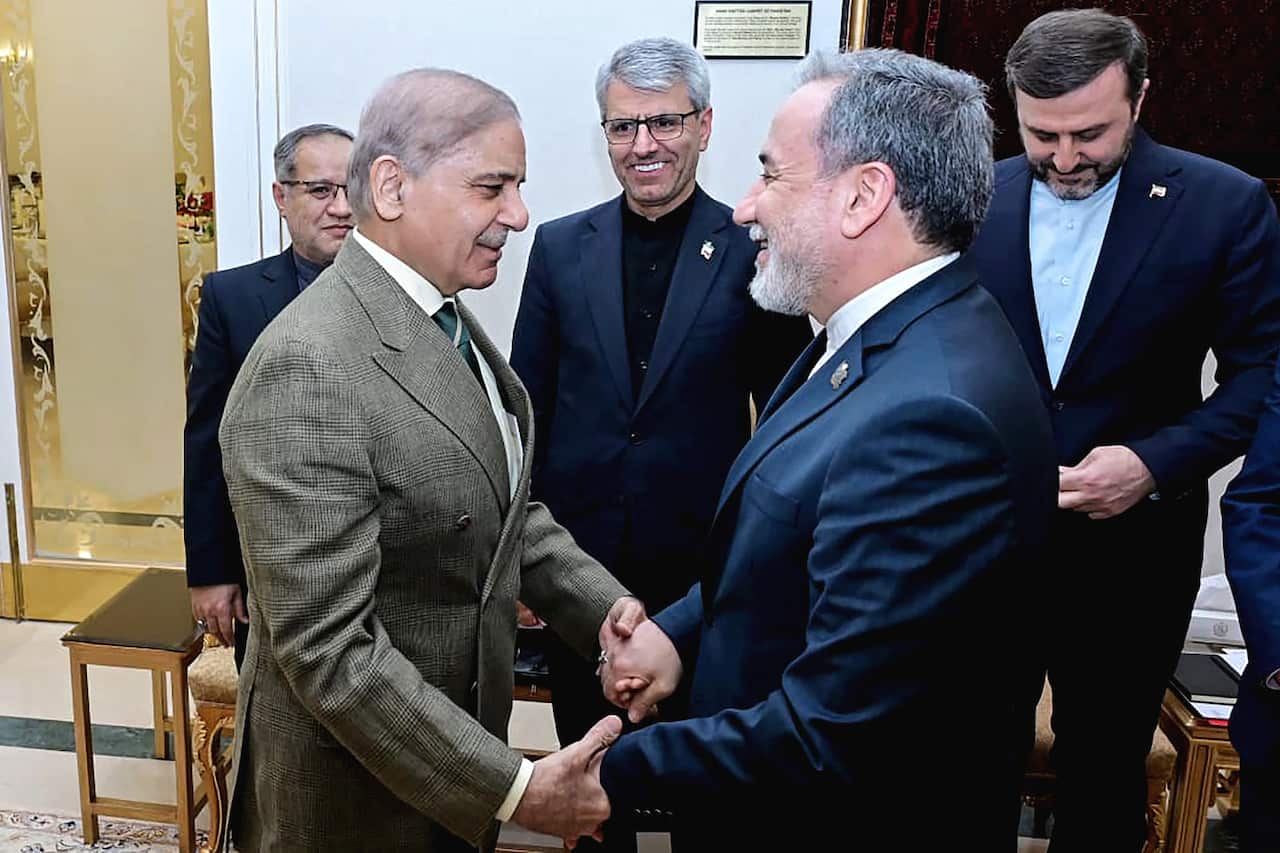
Shortly beforehand, Iranian foreign minister Abbas Araghchi wrapped up a visit to Islamabad after meeting Pakistan's military chief Asim Munir, a key mediator, Prime Minister Shehbaz Sharif and foreign minister Ishaq Dar.
Iran said Araghchi had left for Muscat and would return to Pakistan after meetings in Oman before travelling on to Russia for talks on ending the war launched by the United States and Israel on 28 February.
Araghchi described his Pakistan trip as "very fruitful" but signalled scepticism over Washington's intentions.
"Have yet to see if the US is truly serious about diplomacy," he said.
Even before Trump's move, prospects for talks were uncertain, with Iranian state television saying Araghchi had no plans to meet US officials and that Islamabad would act as a conduit for proposals.
Sharif said he had spoken to Iranian President Masoud Pezeshkian and reiterated Islamabad's commitment to facilitating "durable peace".
Pezeshkian told Sharif in a phone call that Tehran would not enter "imposed negotiations" under threats or blockade, according to a statement from the Iranian government.
Pezeshkian said the US should first remove "operational obstacles", including its blockade on Iranian ports, to be able to create a groundwork to resolve issues.
Hormuz blockade deepens
Pressure to end the war has intensified as the Strait of Hormuz — a vital oil and gas route — remains closed.
But Iran's powerful Revolutionary Guards said they had no intention of lifting their blockade, which has roiled energy markets.
"Controlling the Strait of Hormuz and maintaining the shadow of its deterrent effects over America and the White House's supporters in the region is the definitive strategy of Islamic Iran," the Guards said on their official Telegram channel.
The United States has imposed a blockade of Iranian ports in retaliation.
In a statement carried by state media, Iran's military warned that continued US "blockading, banditry and piracy" would draw a response.
Efforts to resume US-Iran talks have stalled, with Tehran refusing to engage while the naval blockade remains. Iran has allowed only limited shipping through the strait.
Israel strikes Lebanon again amid ceasefire
On the war's Lebanese front, Israeli Prime Minister Benjamin Netanyahu ordered strikes in Lebanon amid a ceasefire that was extended earlier this week.
Lebanese state media reported Israeli attacks in at least four locations in the south — a pair of strikes in quick succession in a town in Bint Jbeil district, another on a town in Tyre district, and strikes on two more towns in Nabatieh district.
The strikes in Nabatieh and Bint Jbeil killed six people, according to the health ministry.
Israel's military claimed it "eliminated" three Hezbollah operatives who were driving "a vehicle loaded with weapons" as well as another one riding a motorcycle, and two more armed members of the group elsewhere.
Trump had announced the three-week truce extension on Friday and voiced optimism about peace after meeting Israeli and Lebanese envoys.
But Mohammed Raad, the head of the parliamentary bloc for Hezbollah, urged Lebanon to withdraw from talks and warned any deal would lack national consensus.
For the latest from SBS News, download our app and subscribe to our newsletter.







