
This audio is voiced by AI and may occasionally mispronounce words.
Share your feedback and help us improve this feature. Read more about how we use AI at SBS here.
"We were terrified."
For Farid — a pseudonym used to protect his identity — those three words still carry him back 25 years, to a ship in the Indian Ocean, a teenage boy surrounded by hundreds of strangers, and the sudden arrival of Australian authorities after the vessel that had rescued him was prevented from reaching Christmas Island — an Australian territory.
He was 17. He had fled Afghanistan, leaving behind his single mother and siblings, and spent eight months moving from one boat to another in search of safety.
By the time the Norwegian freighter MV Tampa rescued him and 432 other asylum seekers — most of them Hazara Afghans — from a stricken fishing boat named the Palapa in August 2001, he had already endured storms, days at sea and the uncertainty of not knowing where the journey would end. At the time, Hazaras were fleeing Afghanistan, fearing persecution from the resurgent Taliban.
Then came another uncertainty.
News that makes sense
Your trusted source for staying up-to-date with the world around you. Get free daily news updates and analysis, straight to your inbox.
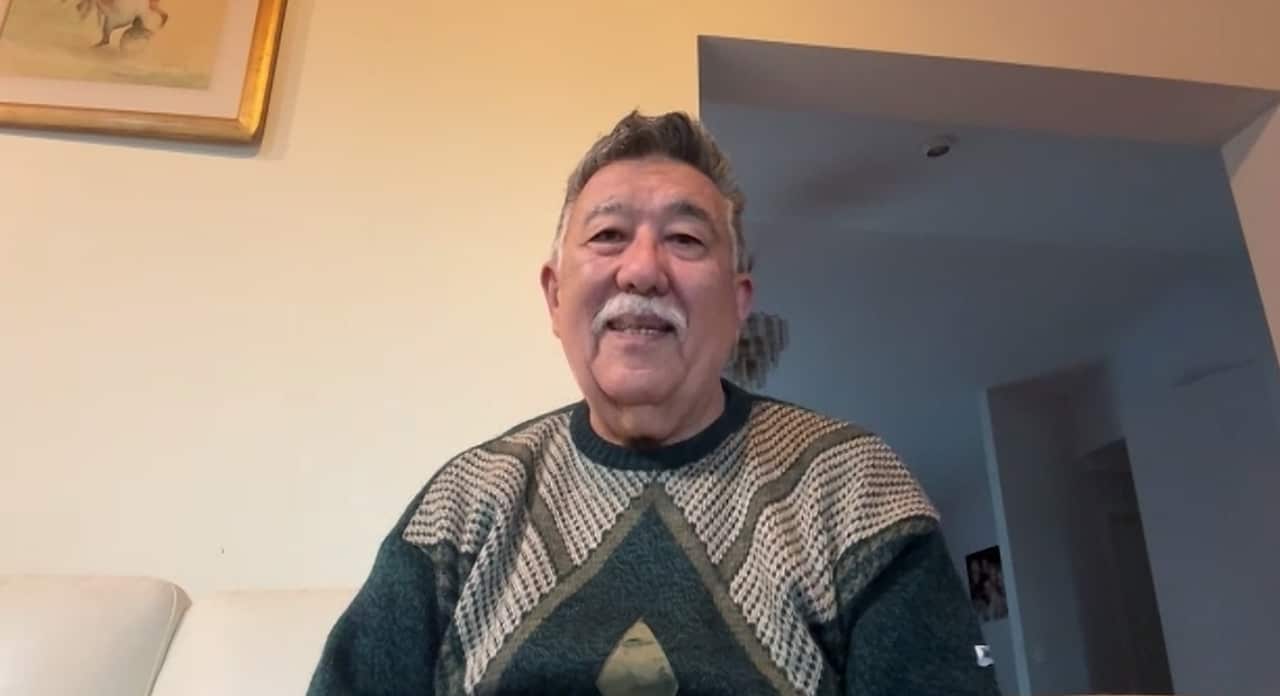
"We weren't clearly told where they were going to take us. When we first saw the authorities' ship, I thought they were going to take us to Australia," Farid tells SBS News.
Instead, he was taken to Naoero (formerly known as Nauru), where he would spend years caught up in Australia's newly established offshore processing system before eventually returning to Afghanistan.
"It was like a camp. We get our turns, about once a month, to go out for a few hours," he says.
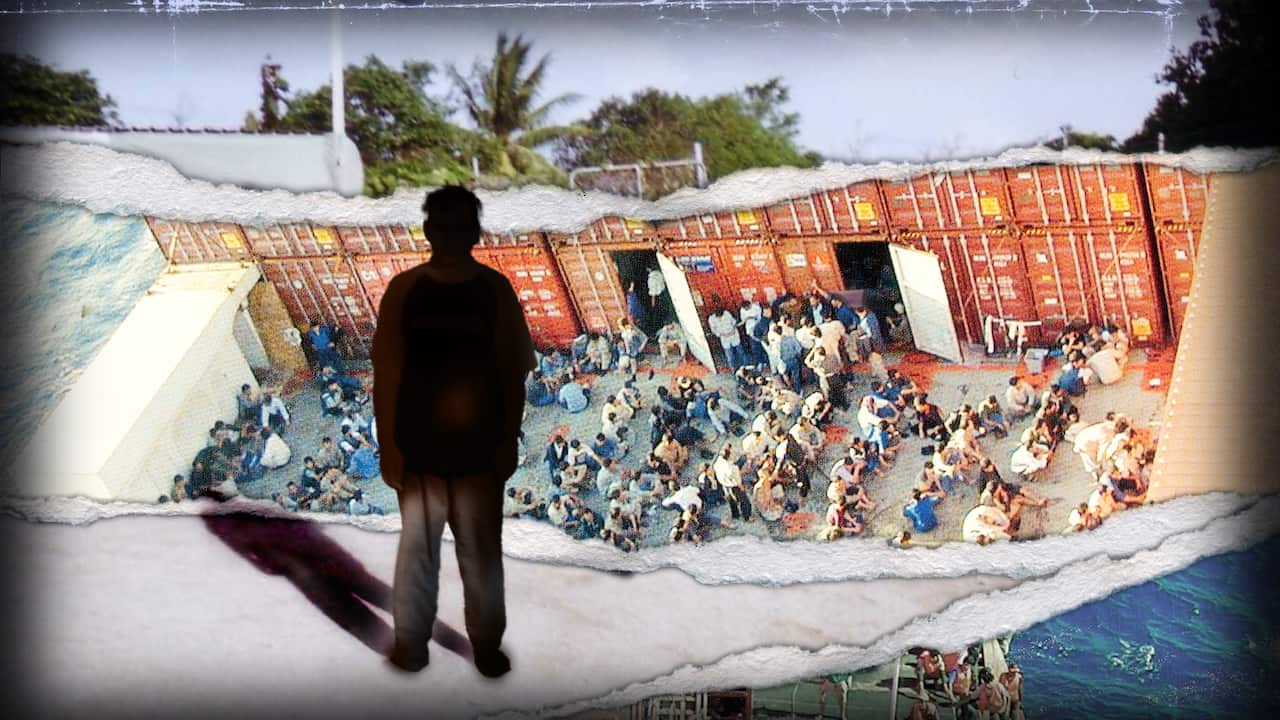
"For the first year we didn't get to go out at all. We were not very hopeful. It was just tents at first, but then they set up portable rooms," Farid says.
Today, he is 42 and lives in Melbourne's south-east, where he works as a painter after completing trade courses and an apprenticeship. He was granted asylum in Australia in 2012.
The ordinary life Farid has built in Australia is a long way from the journey that brought him here, one that began when he was a teenager fleeing Afghanistan and led him into the centre of the 'Tampa crisis' and Australia's emerging offshore processing system.
Twenty-five years on, his experience offers a human window into the events surrounding the Tampa and the policy that followed, known as the Pacific Solution, as Australia continues to debate how it responds to people seeking protection.
When the Tampa answered the call
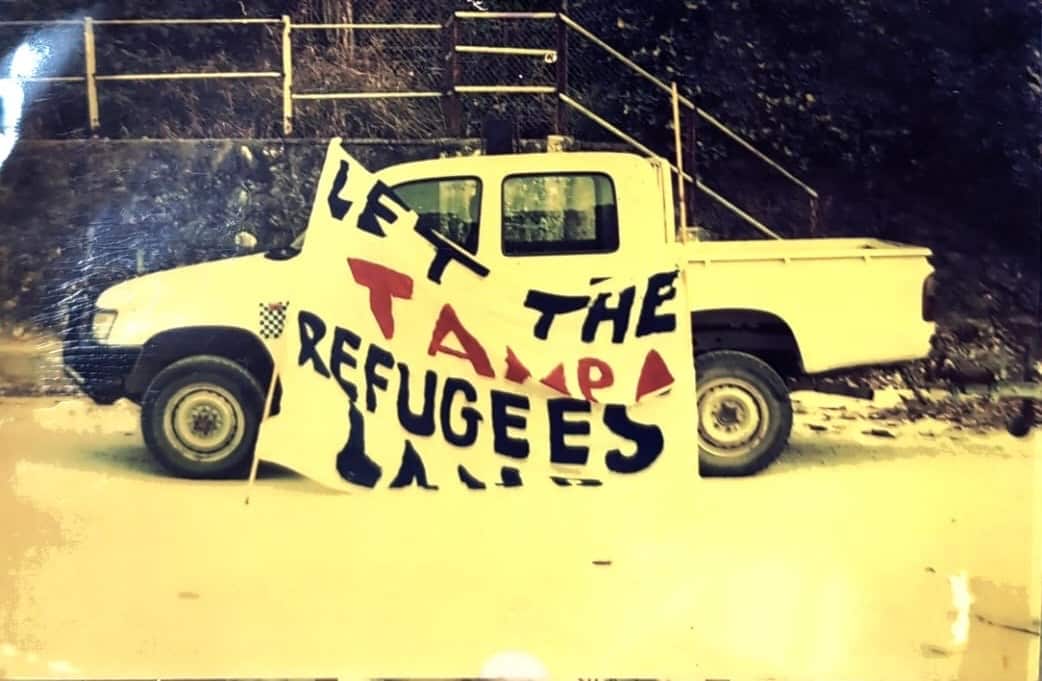
On 24 August 2001, the Palapa ran into trouble in rough seas about 140km north of Christmas Island, leaving those on board facing the prospect of sinking.
Two days later, on 26 August, Australia's Rescue Coordination Centre alerted ships in the area that the vessel was in distress, with the words "HELP" and "SOS" painted across its roof.
The closest vessel was MV Tampa, whose captain, Arne Rinnan, agreed to come to their aid. Guided by an Australian Coastwatch aircraft, the Tampa reached the stricken fishing boat and began taking those on board to safety.
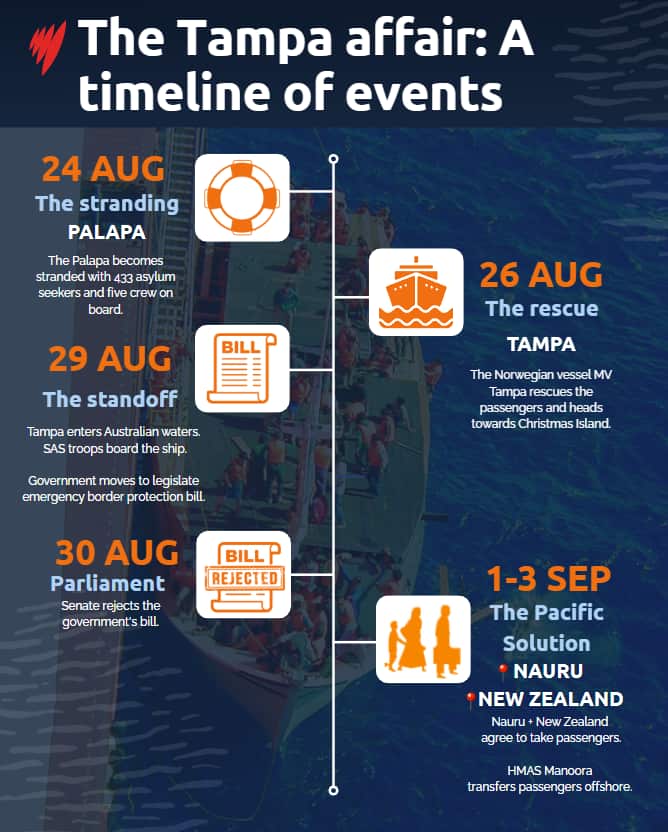
For Farid, the rescue should have marked the end of a terrifying journey. Instead, it was followed by a confrontation that would reshape Australia's approach to asylum seekers arriving by boat.
Rinnan initially headed towards the ferry port of Merak, Indonesia, but several asylum seekers reportedly pressured him to take them to Australia instead. According to a subsequent Senate inquiry, some threatened to jump overboard or hurt themselves if they were taken to Indonesia.
Fearing for their safety, Rinnan changed course for Christmas Island.
Australian authorities refused permission for the vessel to enter Australian territorial waters and directed Rinnan to take those aboard to Indonesia.
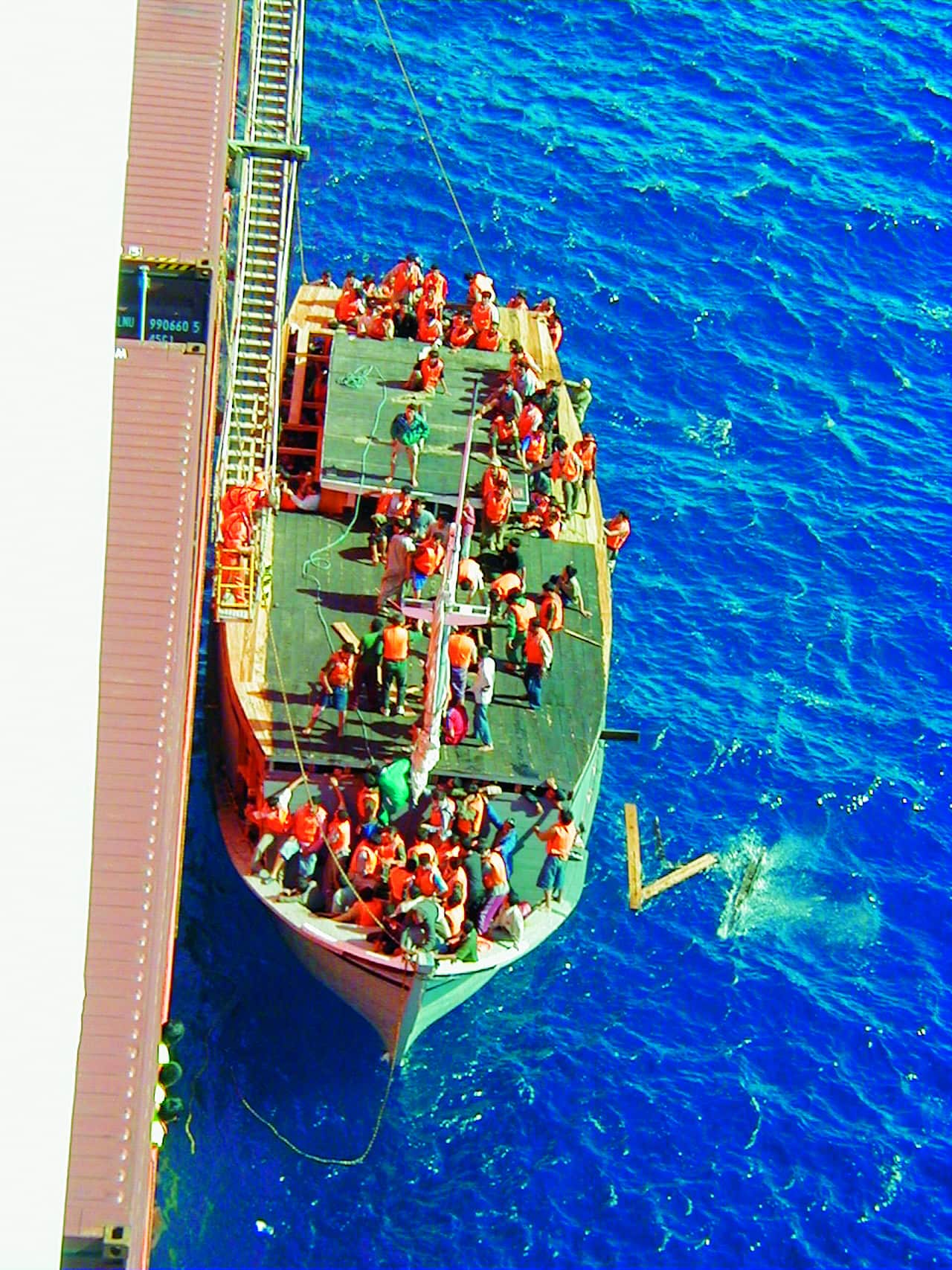
As the standoff continued, Rinnan raised concerns about the deteriorating health of some passengers.
Australian authorities arranged for food, water, and medical assistance, but the deadlock continued.
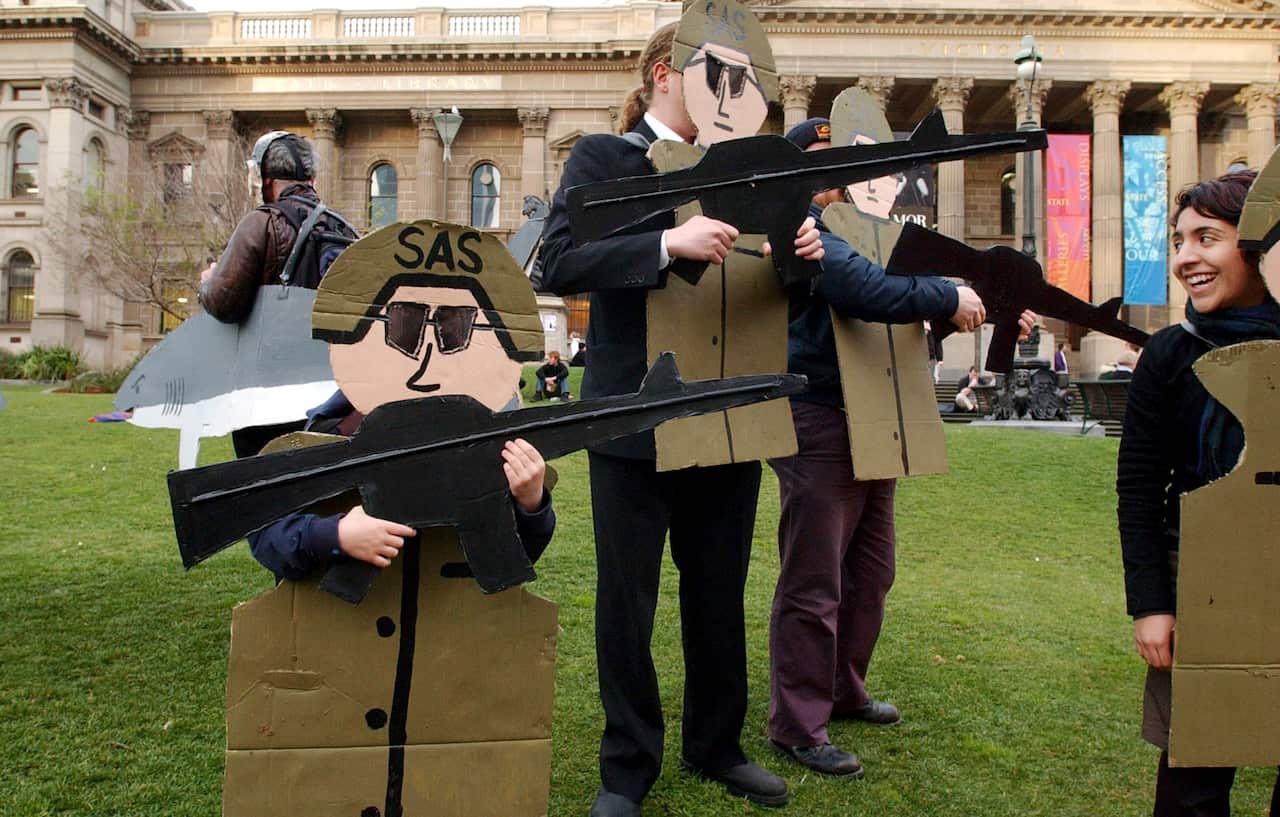
On 29 August, Rinnan declared a state of emergency and sailed into Australian waters without permission, prompting the government to send 45 Special Air Service (SAS) troops to board the vessel.
Farid remembers the arrival of the authorities as another moment of fear.
"I was nervous and frightened because they [authorities] wore face coverings and had their fingers on the trigger."
It was like seeing something in the movies. We were confused because the captain explained to us that he was not permitted to enter into Australian waters.
Christmas Island caught in the middle
Gordon Thomson was a Christmas Island Shire councillor at the time and had direct contact with Rinnan during the standoff, including through fax.
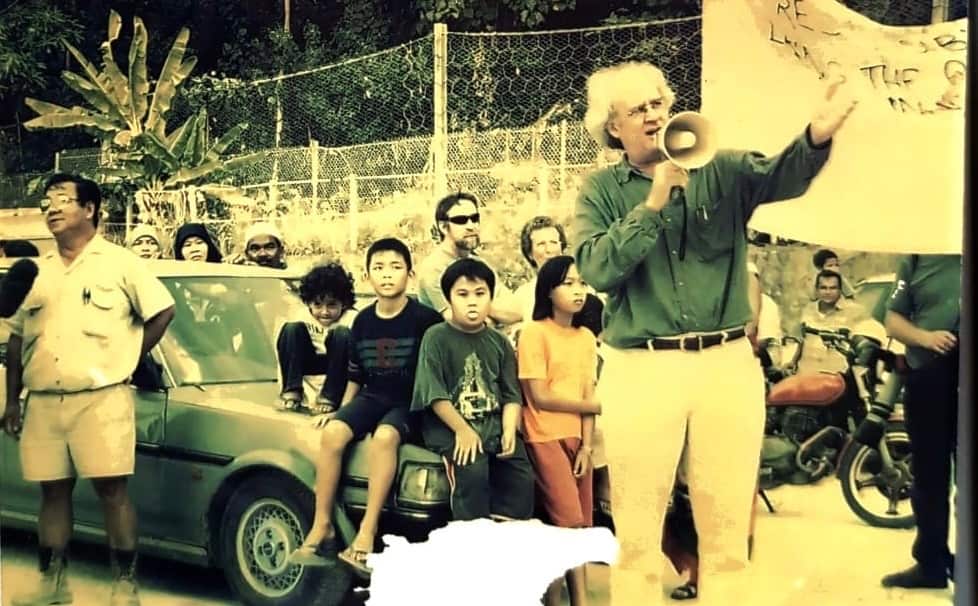
On 28 August 2001, Thomson and other elected representatives issued a statement calling on the then-prime minister John Howard to allow the Tampa into the island's port.
"We applaud the captain and crew of the Tampa for their correct application of humanitarian principles and the law in taking onto their ship asylum seekers by offering safe refuge on Christmas Island," the statement read.
But a day later, as the government moved to prevent the Tampa from reaching the island, Thomson says the atmosphere on Christmas Island changed.
"The government brought in the SAS, armed boats and attack craft, effectively taking control of and, in many people's eyes, pirating the Tampa and forcing it back out to sea," he tells SBS News.
"They also closed the port, which meant local people couldn't go out on the water. No-one was allowed to get into a boat, despite fishing being a daily necessity for many people on Christmas Island."
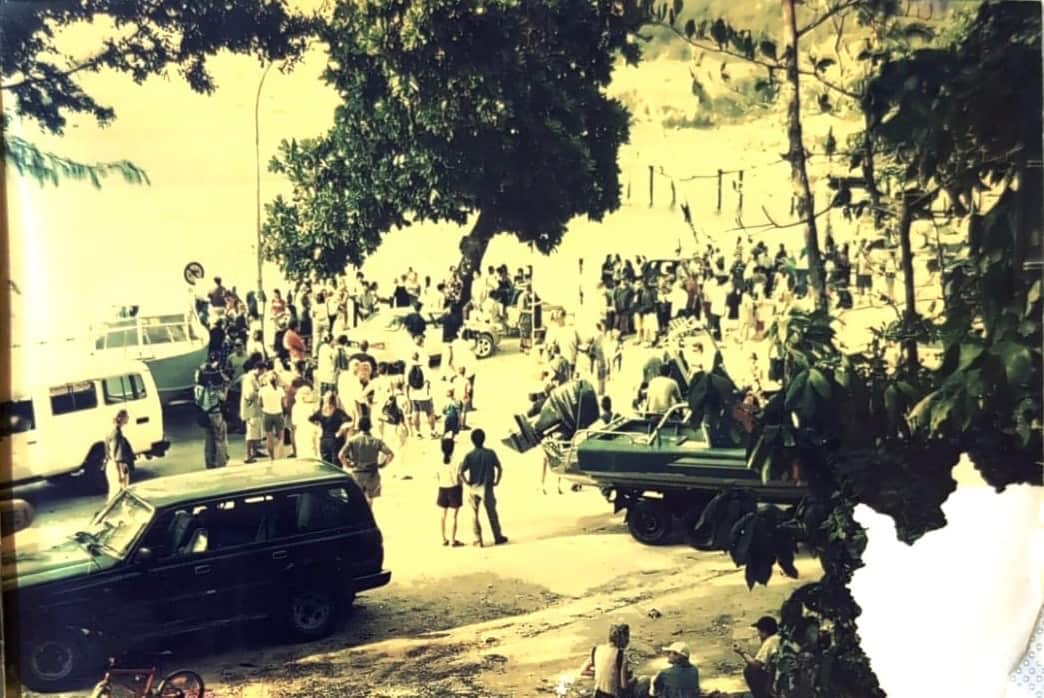
"The government was determined that journalists couldn't get onto boats and reach the Tampa to tell their stories. There was a real clampdown on movement across the island," Thomson says.
With the standoff unresolved, the government turned to an alternative: those aboard would be taken elsewhere, where their claims for protection would be processed.
Life in Naoero
Hassan Ghulam was a community elder in Australia when nearly 300 asylum seekers were transferred to Naoero in September 2001.
Naoero is a tiny Pacific island nation about 3,000km north-east of Australia, and had a population of roughly 12,000 people at the time.
In the weeks after the Tampa crisis, Australia reached an agreement with the Naoero government to establish an offshore processing centre at Topside, in the island's remote interior. In return for hosting the asylum seekers, Naoero received financial and development assistance from Australia.
The centre was still being built when the first arrivals were sent there, with many initially housed in large tents while Australian personnel worked to establish the facility.
As more asylum seekers arrived, Topside quickly became crowded, with conditions marked by extreme heat, water shortages and limited electricity.
From Australia, people like Ghulam became crucial links to those inside, advising the Hazara refugees and gathering information about life inside the camp from journalists and detainees via satellite phone.
When they were taken on the boat [to Naoero], the conditions were terrible and many suffered from severe physical distress.
"What they endured throughout felt like it was a punishment to scare them into coming into Australia … it was [also] a message intended to the [people] smugglers," Ghulam says.
The now 75-year-old says smugglers charged large sums to put people on boats that were often poorly equipped and unseaworthy, with water sometimes flooding into the vessels as they crossed open seas.
"We Hazaras are mountain people, not sea people," he says.
"If you leave us on a mountainside, we can climb like goats. But in the sea, we are not fish — we would drown."
The first Naoero facility was established rapidly in the aftermath of the crisis, and accounts from the period describe difficult conditions, including shortages of water and other basic services. The island's remoteness also meant limited access to medical care and other support.
Ghulam says he made several attempts to reach Naoero, including one with an Australian documentary news crew hoping to record the conditions inside the detention centre, but they were stopped before they could even board the plane.
Letters from limbo
Instead, detainees began sending Ghulam letters from Naoero — some describing the harsh living conditions, others sharing their hopes for the future, and many reflecting on the pain of being separated from the people they loved.
The letters that made their way from Naoero painted a picture of lives suspended in uncertainty.
In one dated 27 October 2002, a detainee wrote of the ongoing water shortages: "Sometimes God helps us, rain is a great source of water, people come out of containers and take bath in the rain."
They also described the emotional toll of being separated from family: "Normally I do not like to think of my sisters because such feelings make me upset and weak and the circle of life becomes slower here."
SBS News has seen some of the letters, but has not independently verified them in their entirety.
Elaine Smith, an advocacy worker who worked closely on the Tampa affair in Australia at the time, also reviewed copies.
The letters also show some detainees trying to maintain hope despite their circumstances.
One wrote that he did not want to burden the person receiving his letters with his troubles, saying he wanted to "share" his joys.
He described starting a small mathematics class for fellow detainees, while teaching himself English grammar and fiction from the Naoero library.
He said those were among the few subjects available, unlike the mathematics and physics he wanted to study, and asked whether he could pursue further education by distance.
The politics of the Tampa
On 1 September 2001, Howard announced that Naoero and New Zealand had agreed to receive the Tampa passengers for refugee-status processing outside Australia. The arrangement became the foundation of what was later known as the Pacific Solution.
The Tampa's arrival came just weeks before Australia's federal election, which was shaping up around issues including border protection and asylum seekers.
Government figures showed boat arrivals had risen sharply in the years before the Tampa affair — from 921 in 1998-99 to 4,137 in 2000-01. The Howard government argued that Australia was being "targeted by organised people smugglers" because its "refugee determination outcomes were overly generous".
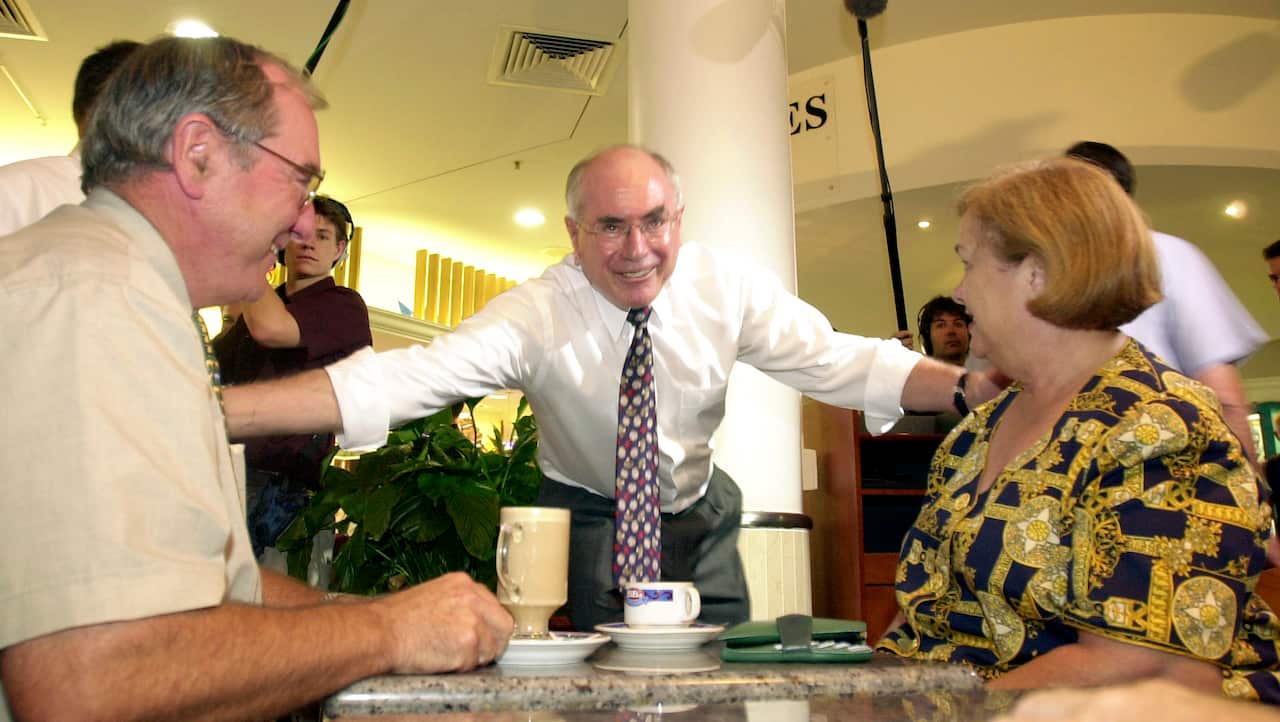
At the launch of his 2001 election campaign in Sydney, Howard famously delivered a line that would come to define his political legacy on border protection: "We will decide who comes to this country and the circumstances in which they come."
In a sit-down interview with SBS News 25 years later, he continues to defend his approach and says he reflects positively on his immigration policies.
We were ahead of our time … you couldn't maintain domestic support for strong immigration policies if you allow people to come willy-nilly to live in our country.
"What we adopted was a common sense approach. You cannot maintain local support for high immigration if people feel that the government no longer controls either the number of people or who they are."
Children overboard controversy
The Howard government's hardline approach to boat arrivals reshaped Australia's border policy, but also gave rise to some of the most controversial episodes of the 2001 campaign, including the "children overboard" affair.
The controversy centred on events surrounding SIEV 4, a vessel intercepted by the Australian Navy's HMAS Adelaide on 6 October 2001, about 100 nautical miles north of Christmas Island.
The following day, 7 October, a report emerged that asylum seekers had thrown children overboard as the Navy attempted to intercept the vessel. A subsequent Senate inquiry found no children had been thrown overboard from SIEV 4.
On 8 October, SIEV 4 started to sink while under tow, and photographs taken during the rescue were later presented as evidence associated with the alleged incident.
The inquiry found the photographs had been wrongly associated with the "children overboard" claim.
Howard has previously defended his handling of the affair, saying he relied on the advice he received at the time. In 2002, he told ABC Lateline he had never been told the original advice was wrong. Twenty years later, in an interview with the Guardian, he again defended the claims, saying: "It was the advice we had at the time."
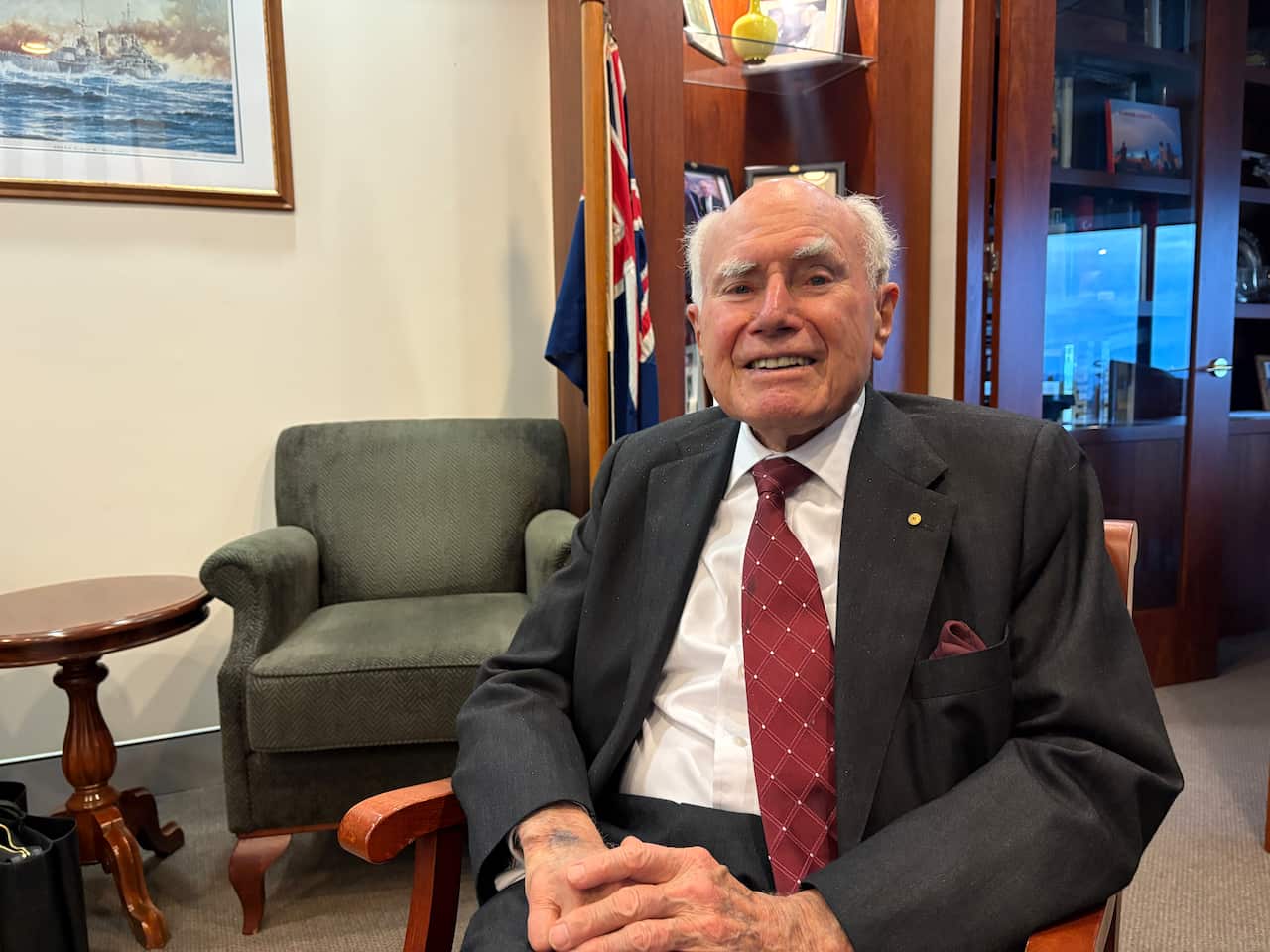
But in his interview with SBS News 25 years on, Howard offers a somewhat different characterisation of the episode.
That was a mistake, that was a miscommunication.
"I don't think anybody is to be blamed for that," he says.
He says the reaction was understandable given the "enormous turmoil" and emotion of the time, before shifting focus to what he sees as the policy's longer-term outcome.
"All I can say is it's good we are not having accidents at sea now, like we used to have then."
The legacy of 'stopping the boats'
Howard's reference to "accidents at sea" points to the deadly period of boat arrivals that followed the Tampa affair.
In December 2010, 50 people died when SIEV 221, carrying asylum seekers, crashed into the rocky shoreline of Christmas Island in treacherous seas — a tragedy the WA coroner later described as the largest loss of life in an Australian maritime incident in peacetime in 115 years.
It was one of a series of boat journeys in the years that followed, with hundreds of asylum seekers dying at sea as boats attempted to reach Australia.
Since December 2013, the Australian government has reported no known deaths at sea from maritime people-smuggling ventures targeting Australia.
Howard views that outcome as evidence that Australia's approach was ultimately vindicated — and argues that other countries are now confronting similar challenges.
We were right and the rest of the world is adopting our approach.
Howard says the position he took during the 2001 election was criticised at the time, particularly by some Europeans who regarded it as insensitive. But, he argues, many of those same countries are now grappling with the challenges of irregular migration and border control.
"You can't have an open, tolerant, non-discriminatory immigration policy if it's open slather," he says.
"You can't. And we decided a long time ago. And the rest of the world is now adopting the approach we adopted then."
The challenges Howard describes remain evident across Europe. On 21 August, French police were filmed intercepting an inflatable boat as migrants attempted to cross the English Channel to Britain, part of an intensified effort to prevent small-boat departures.
At the end of July, thousands of people tried to cross from Morocco into Spain's North African enclave of Ceuta, in a mass influx that resulted in dozens of deaths.
Asked how he would judge his own legacy on immigration and border protection, Howard declines to do so himself.
"That's for other people. I cannot be my own judge. Others will be my judge.
"I think we ran an immigration policy that most Australians support, one that still allows us to adopt a humanitarian approach."
The debate over 'stopping the boats'
Graham Thom, advocacy coordinator at the Refugee Council of Australia, acknowledges immigration is a complex issue, but disagrees offshore processing was responsible for 'stopping the boats'.
"One of the key myths that is very difficult to dispel is that somehow offshore processing stops the boats from arriving," he tells SBS News.
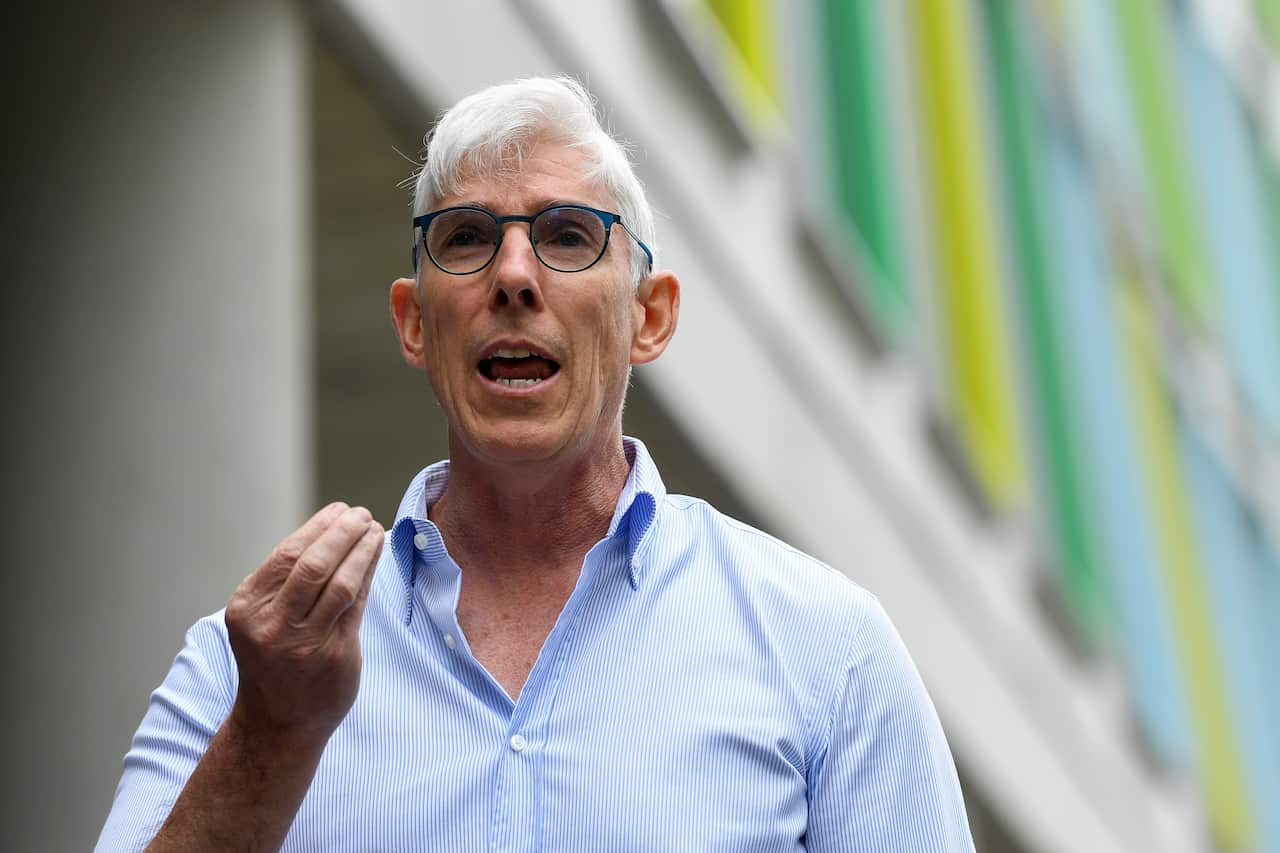
"There's this whole narrative around 'stopping the boats', when what we saw after Tampa was the Howard government starting to intercept boats and push them back," Thom says.
Tampa didn't stop the boats. People kept coming.
"Until we acknowledge that the Pacific Solution had nothing to do with stopping the boats, we're sort of trapped in a system that has bipartisan support for cruelty."
Thom says Australia should instead work with countries across the region, including Indonesia, Malaysia and Thailand, to ensure people have basic rights, access to work and study, and protection from detention or removal while longer-term solutions are found.
"[We] don't need to resettle everyone," he says.
"As long as there is hope that those most at risk can get to some sort of safety, then you remove the incentive for people to get on dangerous boat journeys."
When asked about critics who argue that the arrival of asylum seekers by boat is not Australia's responsibility, Thom says the issue needs to be considered as part of a broader global system.
"I say to any critic, we are part of a global system and we have to look at our responsibility globally.
"If we don't solve the problem at its source, people are going to keep moving, and they will keep moving until they find safety and security.
Demonising, criminalising and isolating people is not the solution.
Thom says the debate over border protection has continued to shape how migration is discussed in Australia.
"I think the whole migration debate is blowing up on all proportions and it is always easy when times are tough to blame someone … and migrants are often first to face those attacks," Thom says.
"Ultimately, how we treat them is a reflection of us, not a reflection of people trying to seek a better life."
Howard rejects that characterisation of his approach. He says he hadn't been concerned with how the decision might be viewed 25 years later; he was thinking of "what's right at the time" and that "we had to say no".
"We have a proud record of taking people in from all around the world and a generous humanitarian program.
"We wanted to maintain that."
Life after Tampa
But Naoero was not the end of Farid's story. His asylum application was rejected and he was eventually returned to Afghanistan, where he lived for eight years before being granted asylum and returning to Australia in 2012.
Today Farid is a painter, but his hopes of pursuing a career as an educator have not disappeared.
Since leaving Afghanistan, he has helped establish a primary school of 320 students in his old village, a dream he has relished, having grown up determined that no other child in his community would have to travel hours to reach the nearest school.
Farid's life now straddles two places: the community he left behind in Afghanistan and the life he has built in Australia. His experience offers a personal lens into a question at the heart of Australia's migration debate: what does it mean to become Australian?
Howard views it differently, rejecting the idea that Australia's identity needs to be defined as either "mono" or multicultural.
"It's all pointless. I don't think we should fret about definition, what it is.
The thing is, migration to Australia since World War Two has been a huge success.
"[But] what we should not do is ignore people who want greater control over immigration. They want a ceiling on the number of people who come here, and they don't want people who aren't willing to adopt our ways coming here. How you enforce those two things is a matter of debate."
For the latest from SBS News, download our app and subscribe to our newsletter.







